
Carrots vs Broccoli
Compared on one consistent basis: per 100 g, from USDA data behind each food page.
Carrots (Mature) vs Broccoli: nutrition per 100 g
| Per 100 g | Carrots (Mature) | Broccoli |
|---|---|---|
| Calories | 48 kcal | 31 kcal |
| Protein | 0.9 g | 2.6 g |
| Carbohydrate | 10.3 g | 6.3 g |
| Fat | 0.4 g | 0.3 g |
| Fibre | 3.1 g | 2.4 g |
| Allergens | None listed | None listed |
Vitamins and minerals per 100 g
| Nutrient | Carrots (Mature) | Broccoli |
|---|---|---|
| Calcium, Ca | 30.48 mg | 46 mg |
| Choline, total | 8.8 mg | 18.7 mg |
| Copper, Cu | 0.06 mg | 0.06 mg |
| Folate, DFE | 19 ug | 63 ug |
| Folate, food | 19 ug | 63 ug |
| Folate, total | 37.06 ug | 65 ug |
| Iron, Fe | 0.15 mg | 0.69 mg |
| Magnesium, Mg | 12.45 mg | 21 mg |
| Manganese, Mn | 0.13 mg | 0.2 mg |
| Niacin | 1.41 mg | 0.64 mg |
| Pantothenic acid | 0.27 mg | 0.61 mg |
| Phosphorus, P | 39.81 mg | 67 mg |
| Potassium, K | 279.6 mg | 303 mg |
| Riboflavin | 0.1 mg | 0.11 mg |
| Selenium, Se | 0 ug | 1.6 ug |
| Sodium, Na | 86.65 mg | 36 mg |
| Thiamin | 0.07 mg | 0.08 mg |
| Vitamin A, IU | 16706 iu | 623 iu |
| Vitamin A, RAE | 835 ug | 8 ug |
| Vitamin B-6 | 0.15 mg | 0.19 mg |
| Vitamin C, total ascorbic acid | 5.9 mg | 91.3 mg |
| Zinc, Zn | 0.24 mg | 0.42 mg |
Carrots (Mature) is higher in carbohydrate. Broccoli is higher in protein, and the leaner, lower-calorie choice. That makes Carrots (Mature) more relevant when you want quicker-energy carbohydrate, and Broccoli when you want protein for fullness or recovery.
Full nutrition facts: Carrots (Mature) · Broccoli
Bottom line
Per 100 g, Carrots provides 48 kcal, 0.9 g protein, 10.3 g carbohydrate, 0.4 g fat and 3.1 g fiber; Broccoli provides 31 kcal, 2.6 g protein, 6.3 g carbohydrate, 0.3 g fat and 2.4 g fiber.
Looking beyond the macronutrients, Carrots is the better source of vitamin A, while Broccoli is the better source of vitamin C, folate (see the vitamins and minerals table below).
Carrots deliver vitamin A (as beta-carotene) — about 100 times more than broccoli; broccoli delivers vitamin C — about 15 times more — plus more protein, folate and calcium.
In short: for weight loss or a bigger portion at the same calories, Broccoli; for protein and muscle, Broccoli. If none of those goals applies, pick by taste, price and what the recipe needs.
Want a different pair? Use the food comparison tool to compare any two foods from the same category.
Values are per 100 g from the USDA FoodData Central records behind each food page and are rounded; brands and preparation change the numbers. This comparison is educational, not medical advice.
Related comparisons
Recipes using either one
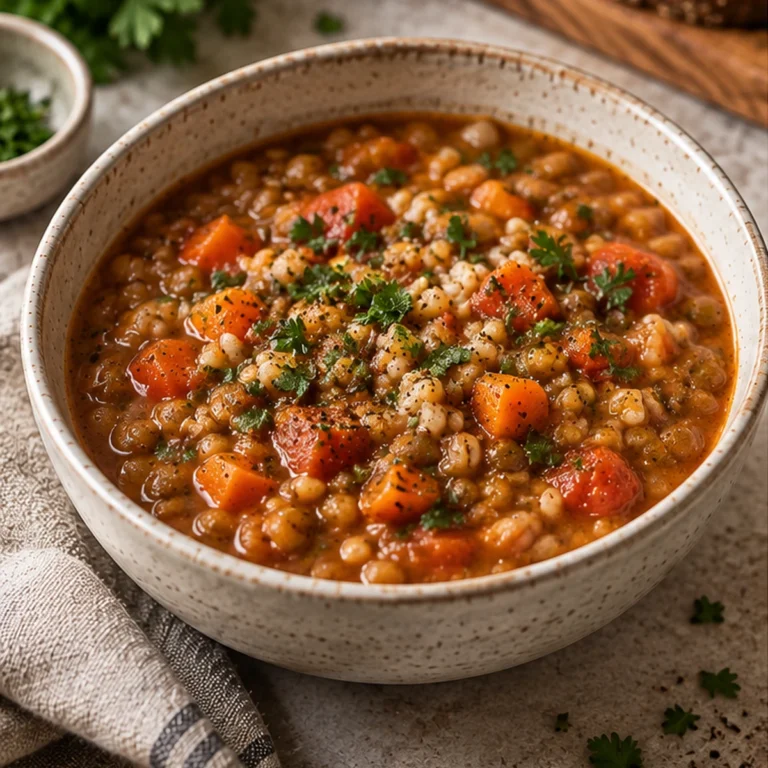 Beans & Lentils
Lentil Barley Soup
334 kcal · P 17.9 g · C 62 g · F 1.8 g
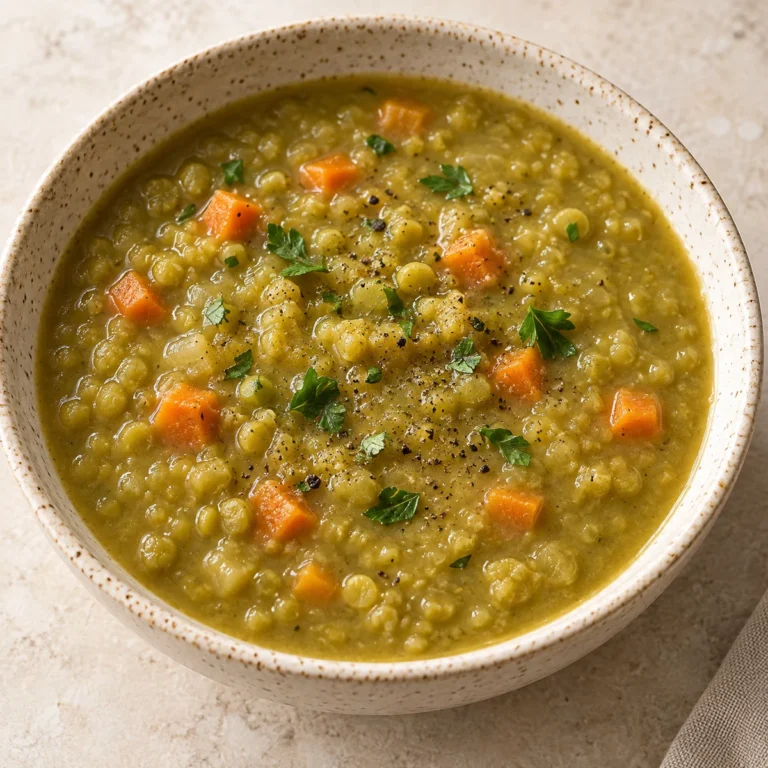 Beans & Lentils
Split Pea Soup
405 kcal · P 25.1 g · C 64.5 g · F 6.7 g
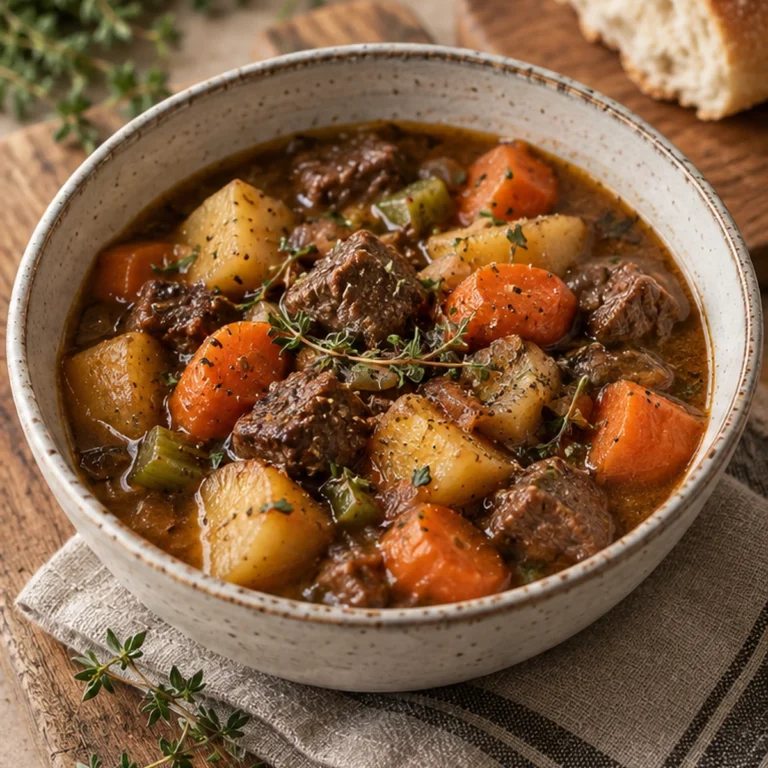 Beef & Pork
Slow Cooker Beef Stew
487 kcal · P 32.2 g · C 28 g · F 27.6 g
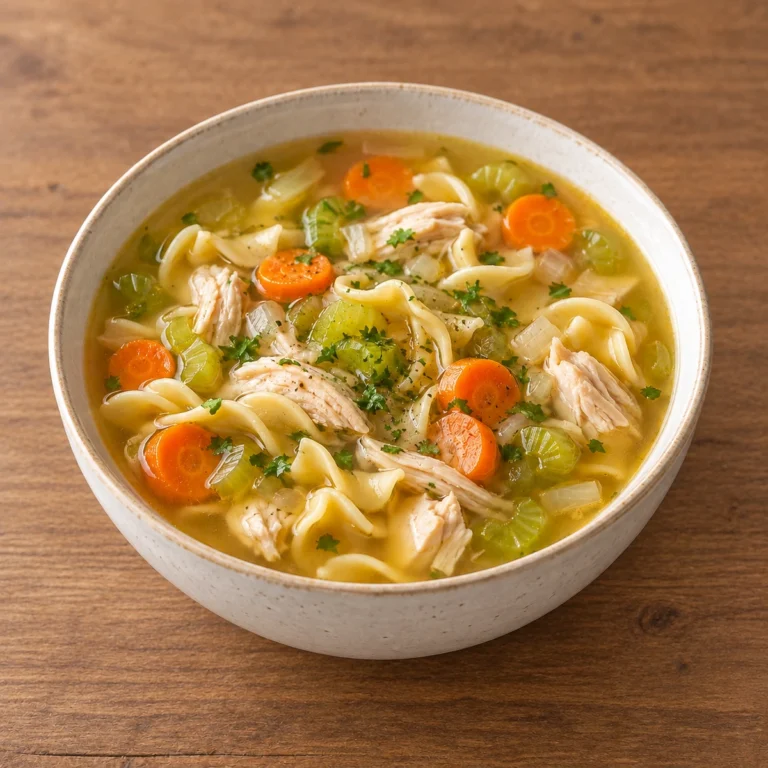 Chicken & Turkey
Chicken Noodle Soup
254 kcal · P 21.1 g · C 23.6 g · F 8.5 g
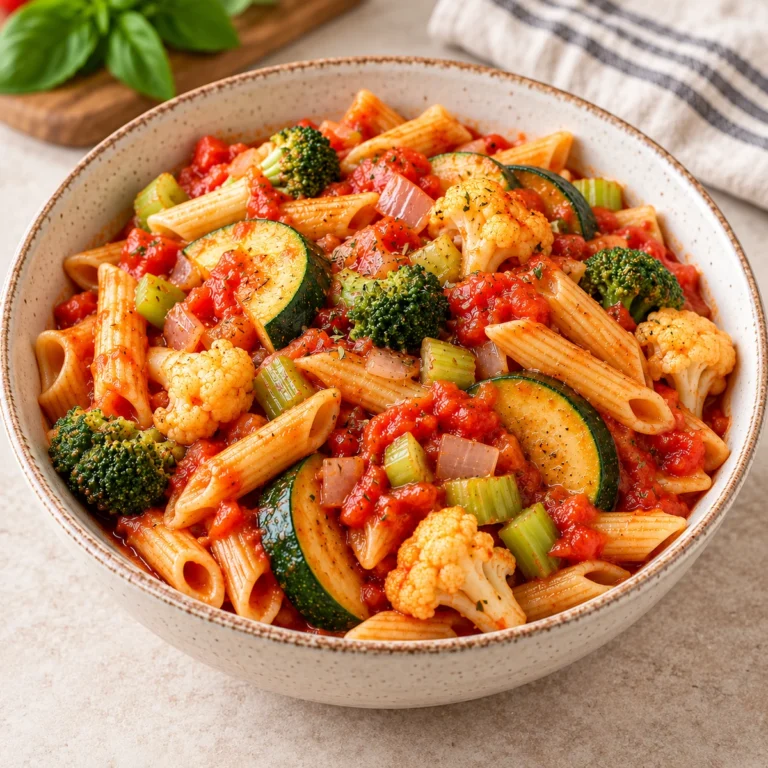 Grains & Pasta
Italian Vegetables
322 kcal · P 11.7 g · C 64.4 g · F 1.5 g
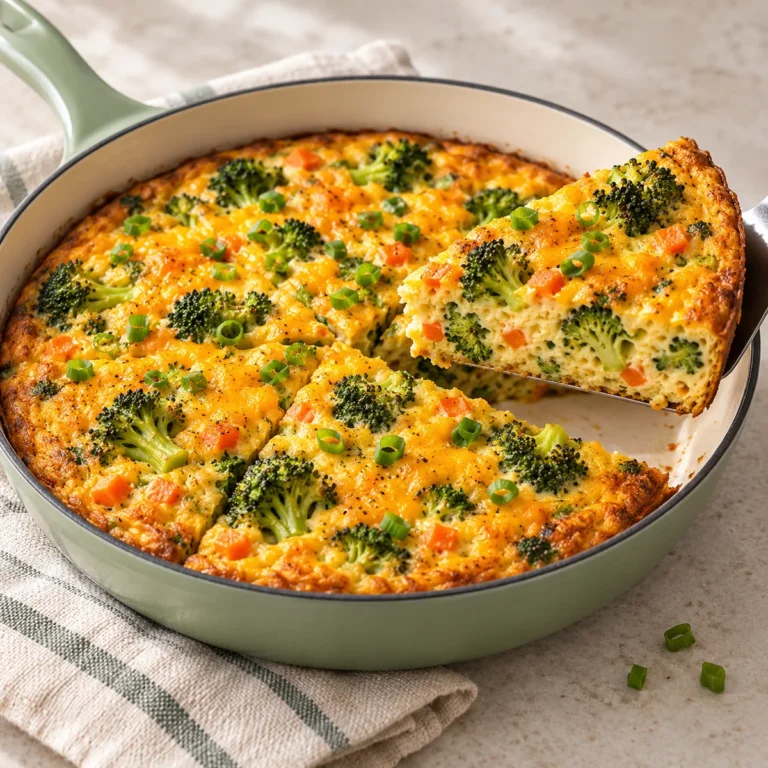 Eggs
EggsBroccoli Cheddar Frittata
268 kcal · P 19.7 g · C 7.5 g · F 17.8 g
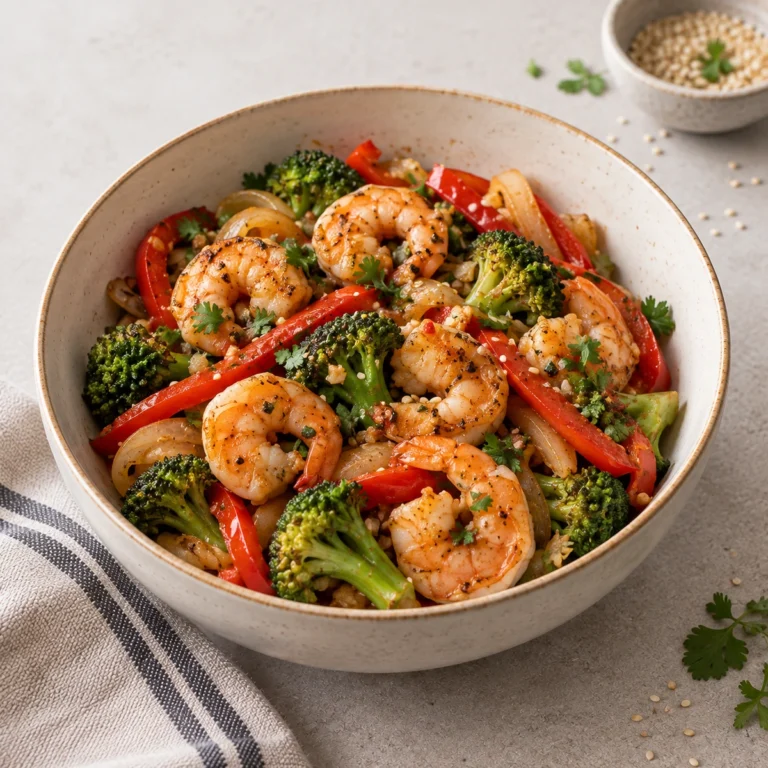 Fish & Seafood
Shrimp Stir-Fry
256 kcal · P 22.7 g · C 18.3 g · F 10.9 g