
Brussels Sprouts vs Broccoli
Compared on one consistent basis: per 100 g, from USDA data behind each food page.
Brussels Sprouts vs Broccoli: nutrition per 100 g
| Per 100 g | Brussels Sprouts | Broccoli |
|---|---|---|
| Calories | 59 kcal | 31 kcal |
| Protein | 4 g | 2.6 g |
| Carbohydrate | 9.6 g | 6.3 g |
| Fat | 0.6 g | 0.3 g |
| Fibre | 4.8 g | 2.4 g |
| Allergens | None listed | None listed |
Vitamins and minerals per 100 g
| Nutrient | Brussels Sprouts | Broccoli |
|---|---|---|
| Calcium, Ca | 38.64 mg | 46 mg |
| Choline, total | 19.1 mg | 18.7 mg |
| Copper, Cu | 0.04 mg | 0.06 mg |
| Folate, DFE | 61 ug | 63 ug |
| Folate, food | 61 ug | 63 ug |
| Folate, total | 86 ug | 65 ug |
| Iron, Fe | 0.73 mg | 0.69 mg |
| Magnesium, Mg | 25 mg | 21 mg |
| Manganese, Mn | 0.24 mg | 0.2 mg |
| Niacin | 0.75 mg | 0.64 mg |
| Pantothenic acid | 0.31 mg | 0.61 mg |
| Phosphorus, P | 78.54 mg | 67 mg |
| Potassium, K | 476.8 mg | 303 mg |
| Riboflavin | 0.09 mg | 0.11 mg |
| Selenium, Se | 1.6 ug | 1.6 ug |
| Sodium, Na | 25.74 mg | 36 mg |
| Thiamin | 0.14 mg | 0.08 mg |
| Vitamin A, IU | 754 iu | 623 iu |
| Vitamin A, RAE | 38 ug | 8 ug |
| Vitamin B-6 | 0.22 mg | 0.19 mg |
| Vitamin C, total ascorbic acid | 142.9 mg | 91.3 mg |
| Zinc, Zn | 0.37 mg | 0.42 mg |
Brussels Sprouts is higher in protein, fibre and carbohydrate. Broccoli is the leaner, lower-calorie choice. That makes Brussels Sprouts more relevant when you want protein for fullness or recovery, and Broccoli when you want a lighter, lower-calorie option.
Full nutrition facts: Brussels Sprouts · Broccoli
Bottom line
Per 100 g, Brussels Sprouts provides 60 kcal, 4 g protein and 9.6 g carbohydrate; Broccoli provides 31 kcal, 2.6 g protein and 6.3 g carbohydrate.
That is a difference of 29 kcal per 100 g — small next to what the cooking method adds.
Sprouts are the denser of the two and carry noticeably more protein per 100 g. They also need more heat: halved and roasted cut-side down they caramelise, while broccoli florets burn before the stem is done. Treat the stems of both as food rather than trimmings.
In short: broccoli is the lighter option per 100 g, but with vegetables the choice is usually about texture and how they cook, not calories.
Want a different pair? Use the food comparison tool to compare any two foods from the same category.
Values are per 100 g from the USDA FoodData Central records behind each food page and are rounded; brands and preparation change the numbers. This comparison is educational, not medical advice.
Related comparisons
Recipes using either one
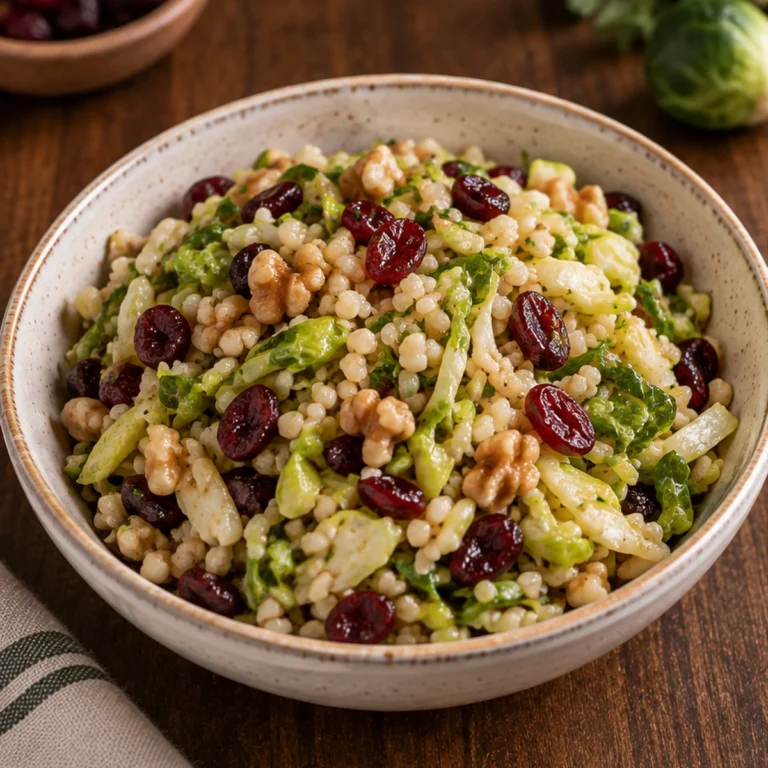 Fruit & Nuts
Brussels Sprouts, Cranberry and Bulgur Salad
211 kcal · P 3.9 g · C 26.7 g · F 10.1 g
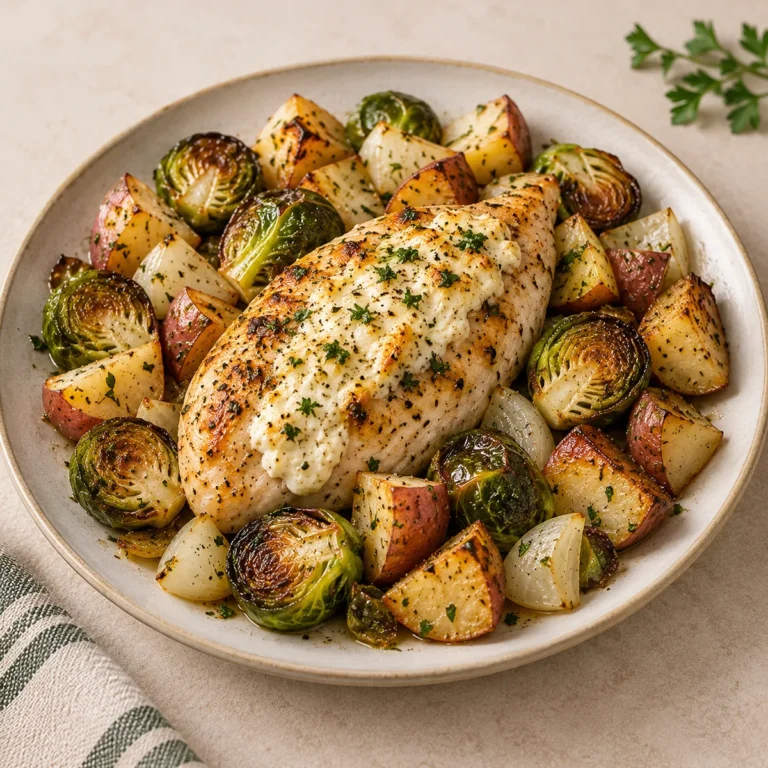 Chicken & Turkey
Roasted Brussels Sprouts, Potatoes and Chicken
393 kcal · P 37.1 g · C 32 g · F 13.1 g
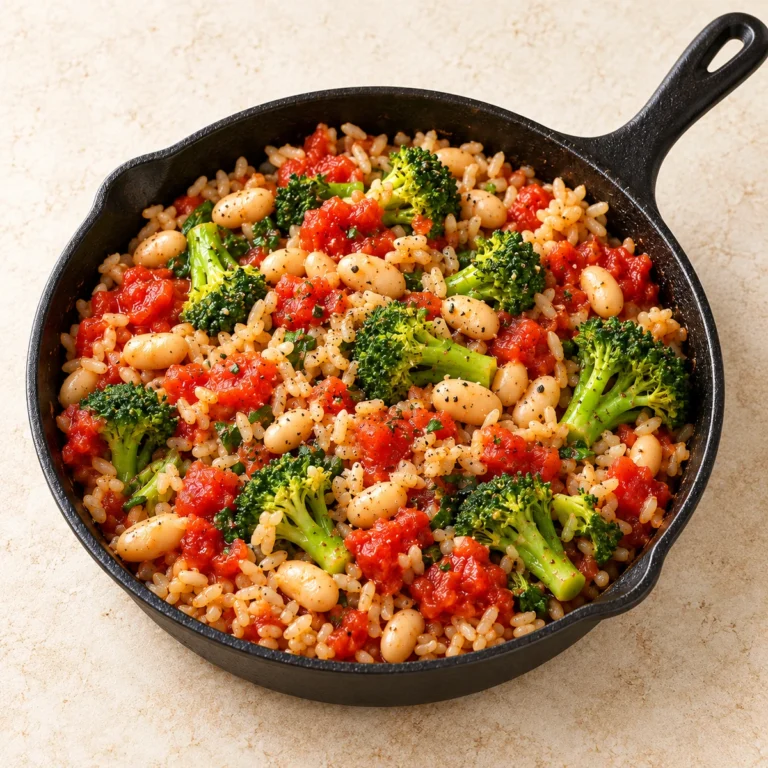 Grains & Pasta
Skillet Meal with Greens and Beans
310 kcal · P 11.8 g · C 60.3 g · F 3.6 g
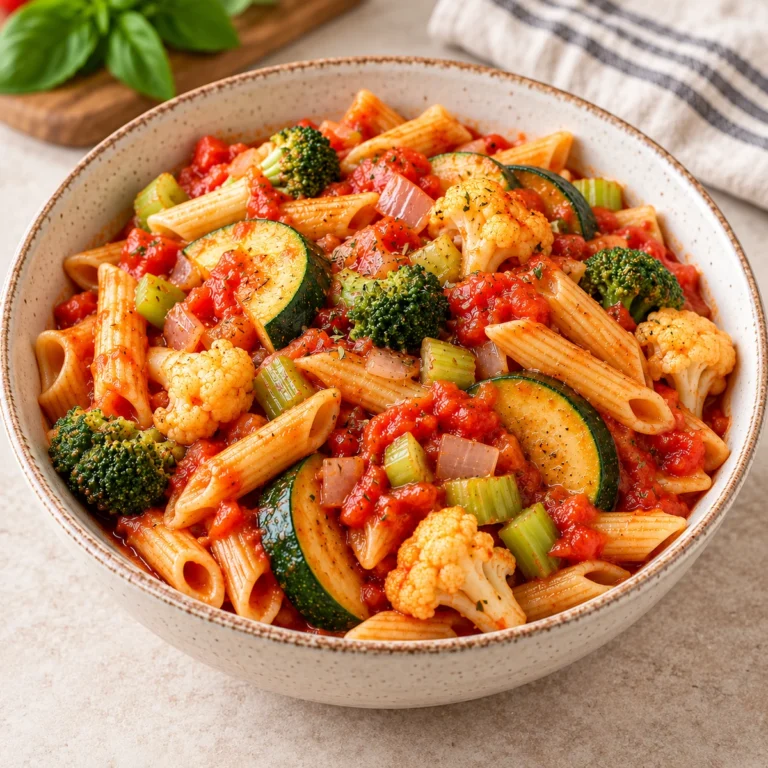 Grains & Pasta
Italian Vegetables
322 kcal · P 11.7 g · C 64.4 g · F 1.5 g
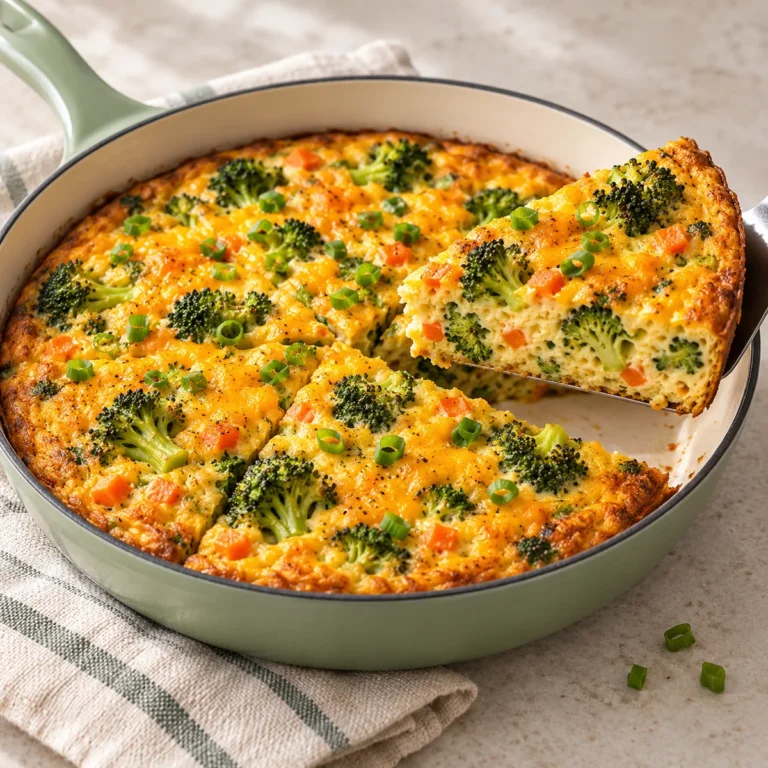 Eggs
EggsBroccoli Cheddar Frittata
268 kcal · P 19.7 g · C 7.5 g · F 17.8 g
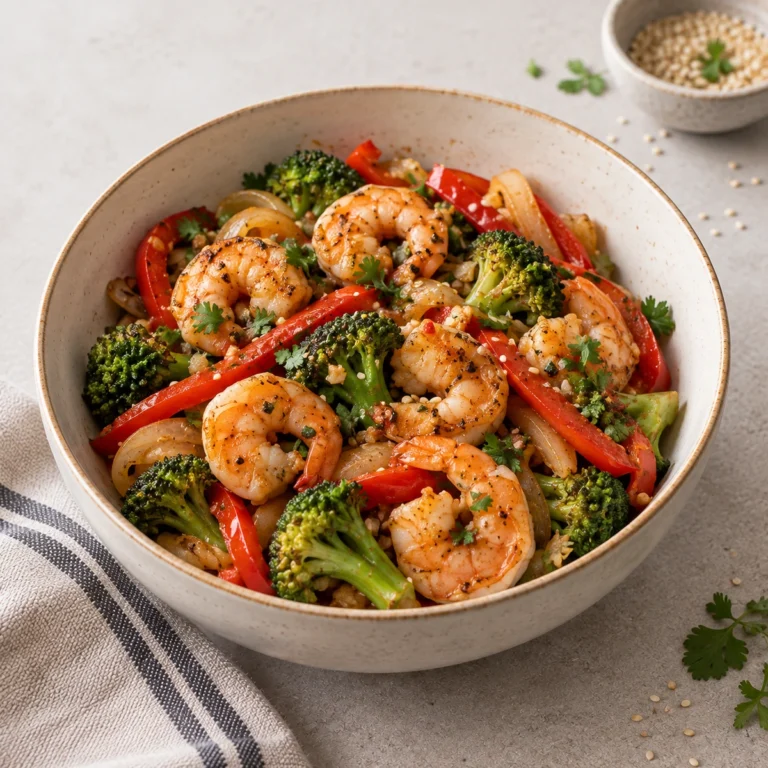 Fish & Seafood
Shrimp Stir-Fry
256 kcal · P 22.7 g · C 18.3 g · F 10.9 g