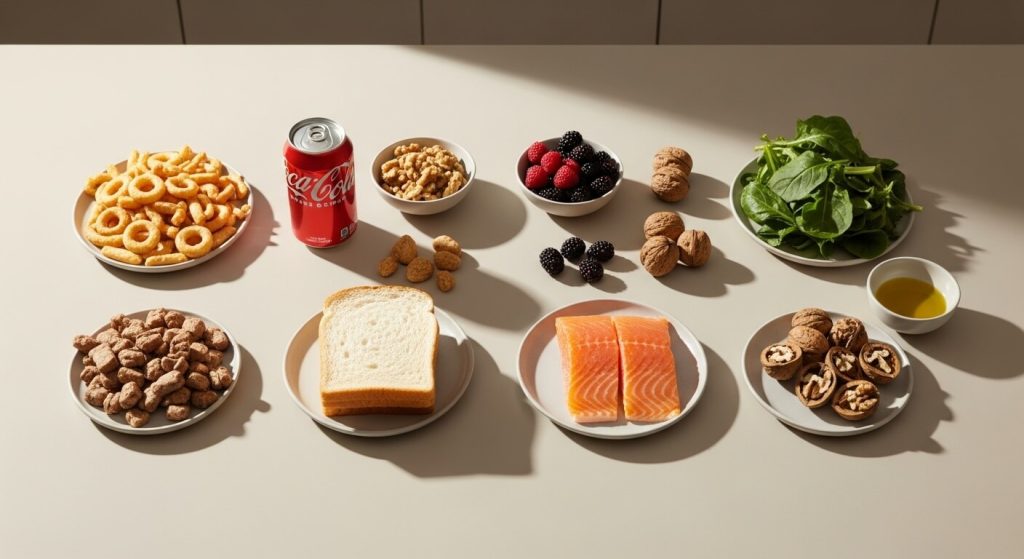
Every list of anti-inflammatory foods contains roughly the same eight items. This article checks each of them against what the National Center for Complementary and Integrative Health and the NIH Office of Dietary Supplements actually say — in their own words — and then does the same for the foods on the other list, the ones called pro-inflammatory. The gap between the popular version and the agency version is larger than you would expect in both directions.
The short version
- Not one of the famous “anti-inflammatory” foods has an agency statement saying it reduces inflammation in humans. Some have narrow, specific findings for other things.
- Turmeric’s official position is “not enough evidence” — and highly bioavailable formulations carry a liver-damage warning.
- Antioxidant supplements are the clearest negative result in nutrition. Beta-carotene increased lung cancer in smokers; the USPSTF recommends against it.
- On the other list, the agency language is about disease risk, not inflammation. Added sugars are tied to diabetes and heart disease, not to a measured inflammatory response.
- Trans fat is the one settled case — the FDA removed partially hydrogenated oils from the food supply outright.
- Cook the pattern, not the list.
The “anti-inflammatory” list, one item at a time
| Food or compound | What the agency actually says |
|---|---|
| Turmeric / curcumin | NCCIH: “There isn’t enough evidence to definitively conclude whether oral turmeric or curcumin has beneficial effects on other health conditions.” Positive signals only for osteoarthritis symptoms, some NAFLD measures and oral mucositis |
| Ginger | NCCIH: helpful for nausea and vomiting in pregnancy; possibly for menstrual cramps; for knee osteoarthritis “much of the research has been of poor quality.” No inflammation claim at all |
| Green tea | NCCIH: cancer results “have been inconsistent”; the heart-disease association appears “In Asian populations but not in Western populations” |
| Garlic | NCCIH: small reductions in cholesterol and blood pressure in people who already have high levels. Separately: “There is no evidence that garlic supplements prevent heart disease” |
| Resveratrol | NIH LiverTox: “At present, there is no conclusive evidence that resveratrol has beneficial effects in humans.” NCCIH has no page on it |
| Tart cherry juice | CRP reductions appear only in athletes after exercise-induced muscle damage, at very low to moderate certainty. In healthy adults at rest, a six-week trial found no effect on CRP |
| Omega-3s | NIH ODS: they “lower triglyceride levels and might reduce the risk of some cardiovascular endpoints, especially among people with low dietary omega-3 intakes” |
| Antioxidant supplements | NCCIH: except for age-related macular degeneration, “there is currently no evidence that antioxidant supplements have a positive impact on these diseases” |
Turmeric, and the black pepper number
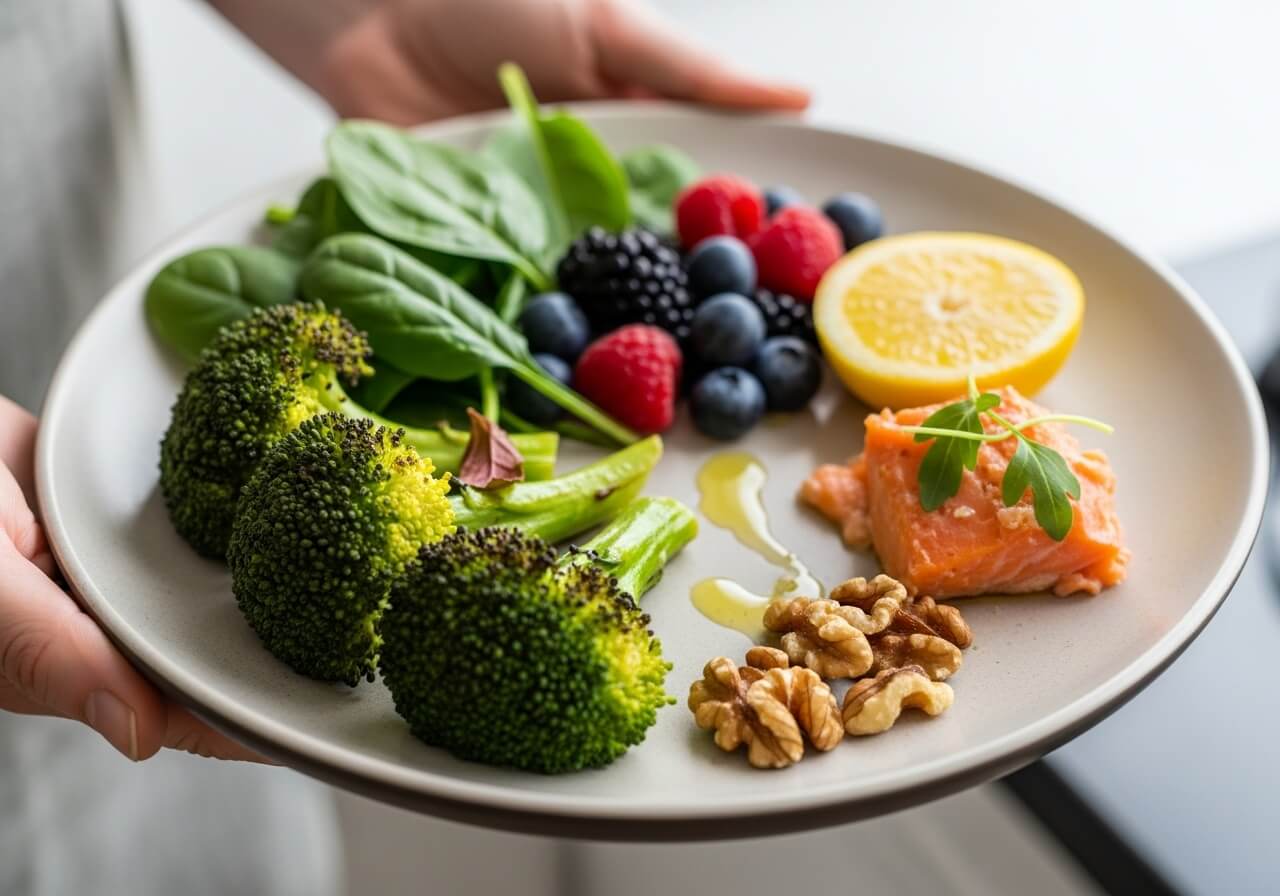
Turmeric deserves its own section because it is the most confidently marketed item on the list. The NCCIH position, updated in 2025, is that initial evidence for osteoarthritis is positive but “higher-quality evidence is needed to reach definitive conclusions,” that turmeric might improve some measures in non-alcoholic fatty liver disease, and that beyond a short list, there is not enough evidence to conclude anything.
The famous “black pepper increases absorption by 2,000%” figure is real, and it is not what people think it is. It comes from a single 1998 pharmacokinetic study in which volunteers took 2 g of curcumin with 20 mg of piperine, and it measured serum curcumin — a blood concentration, not a health outcome. Nobody has shown that the higher concentration produces a benefit.
And there is a harm signal attached. NCCIH notes that combining curcumin with piperine improves bioavailability, and in the same breath warns that highly bioavailable formulations “may harm your liver” — “Liver damage has been reported in some people who have consumed these bioavailable formulations.” The same caution applies to green tea extract, where NCCIH reports that liver injury has been observed. Culinary amounts of turmeric and cups of green tea are not the issue; concentrated extracts are.
Antioxidant supplements: the clearest negative result in nutrition
If one section of this article changes what you buy, it should be this one. The evidence against antioxidant supplements is unusually large and unusually consistent.
- The National Cancer Institute, reviewing nine randomised controlled trials: “these nine randomized controlled clinical trials did not provide evidence that dietary antioxidant supplements are beneficial in primary cancer prevention.”
- In the ATBC trial, beta-carotene produced an increased incidence of lung cancer in male smokers. The CARET trial was stopped early for increased lung cancer risk and increased death from all causes.
- NCCIH pooled four studies covering 62,136 participants and found no benefit of vitamin E supplements in preventing cardiovascular events, and a review of 117,272 participants found no effect on cataracts.
- The US Preventive Services Task Force recommends against beta-carotene or vitamin E supplements for preventing cardiovascular disease or cancer — a Grade D, meaning there is moderate or high certainty that the harms outweigh the benefits.
NCCIH adds the general caution: “Antioxidants can have harmful effects when taken at high doses.” Note what this does not say: eating colourful vegetables is not in question. Isolating a compound into a pill is what has repeatedly failed.
Omega-3s, and the wording the FDA insists on
Omega-3s are the strongest item on the list, and even here the official language is careful. NIH ODS concludes that supplements “lower triglyceride levels and might reduce the risk of some cardiovascular endpoints, especially among people with low dietary omega-3 intakes.” The large VITAL trial of 25,871 people did not significantly reduce combined major cardiovascular events, though it found a 28% reduction in total heart attacks.
The regulatory position is the clearest signal of all. Every FDA-permitted qualified health claim about EPA and DHA must be published with a mandatory sentence attached: “However, FDA has concluded that the evidence is inconsistent and inconclusive.” And every one of those claims is about coronary heart disease or blood pressure. There is no FDA claim linking omega-3 to inflammation.
The other list: foods called pro-inflammatory
Here the evidence is stronger, but notice what it is evidence of. Agencies describe these foods in terms of disease risk, not inflammatory markers.
| Food | What is actually established |
|---|---|
| Added sugars | AHA: “consistently been associated with elevated risk of type 2 diabetes, CHD, and excess body weight.” Average US intake is about 17 teaspoons a day |
| Refined grains | AHA: replacing them with whole grains “is associated with a lower risk of CHD.” On inflammatory markers specifically, 19 of 31 trials found nothing |
| Ultra-processed food | Associated with higher all-cause mortality (RR 1.21) and cardiovascular mortality (RR 1.50) — but from observational data only |
| Alcohol | Classified by IARC as a Group 1 carcinogen in 1987. AHA: “does not support initiation of alcohol intake at any level” |
| Trans fat | Settled: the FDA determined partially hydrogenated oils are not generally recognized as safe |
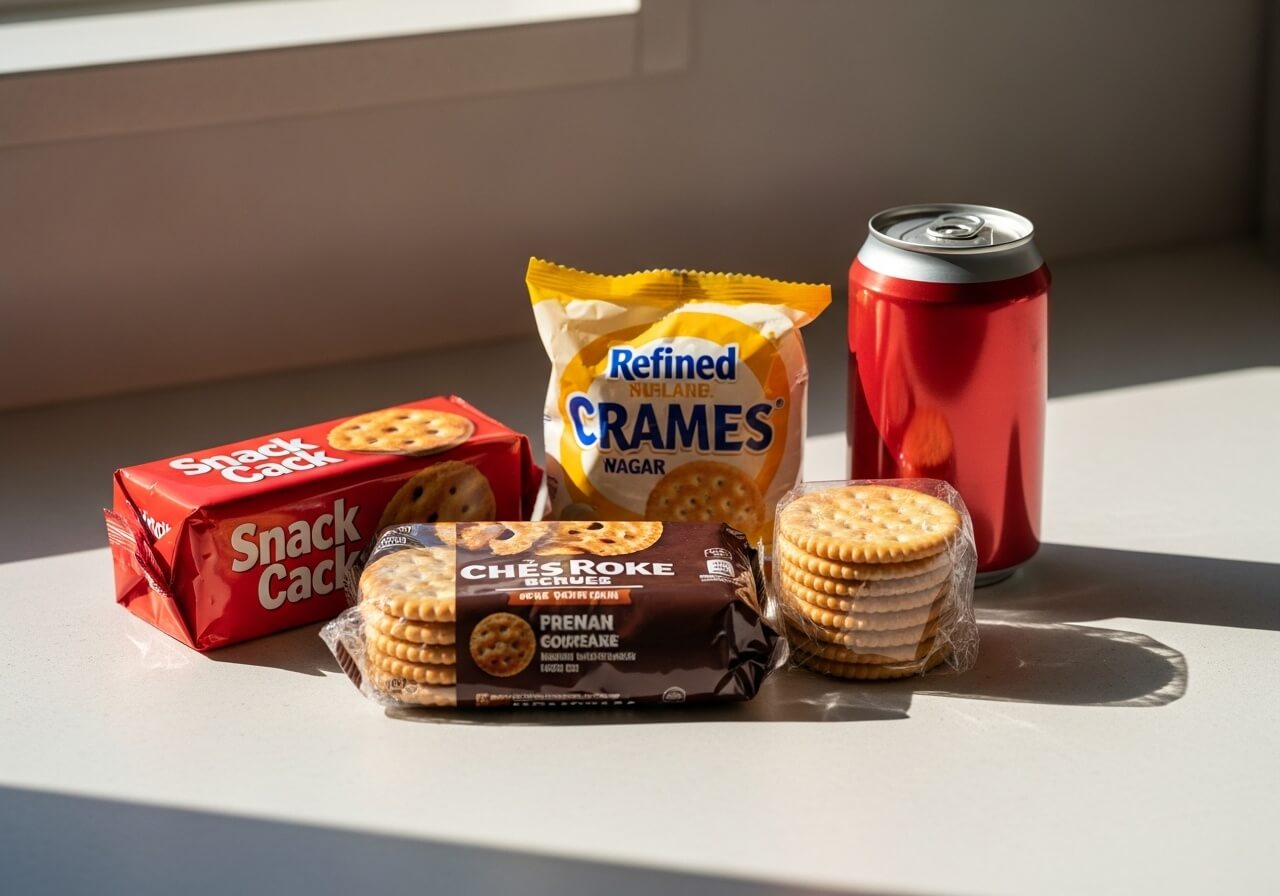
The ultra-processed food case needs one caveat stated honestly. A 2024 umbrella review in The BMJ covering nearly 9.9 million people found consistent associations with worse outcomes — and also reported that no pooled analyses of randomised controlled trials were identified, with 41 of 45 pooled analyses rated low or very low certainty under GRADE. The one controlled human trial, run by the NIH in 2019 with 20 inpatients, found people ate about 500 more calories a day and gained 0.9 kg on an ultra-processed diet. That is causal evidence about calories and weight — not about inflammation.
Trans fat: the one that is actually finished
Every other item on both lists is a matter of degree. Trans fat is not. On 16 June 2015 the FDA issued a final determination that partially hydrogenated oils are not Generally Recognized as Safe, with manufacturing to stop by 18 June 2018 and sell-through ending 1 January 2020. The mechanism is direct: “Eating trans fat raises the level of LDL (‘bad’) cholesterol in the blood.”
The World Health Organization attributes more than 278,000 deaths a year globally to industrially produced trans fat, and recommends keeping intake below 1% of total energy — under about 2.2 g a day on a 2,000-calorie diet.
So what do you actually do?
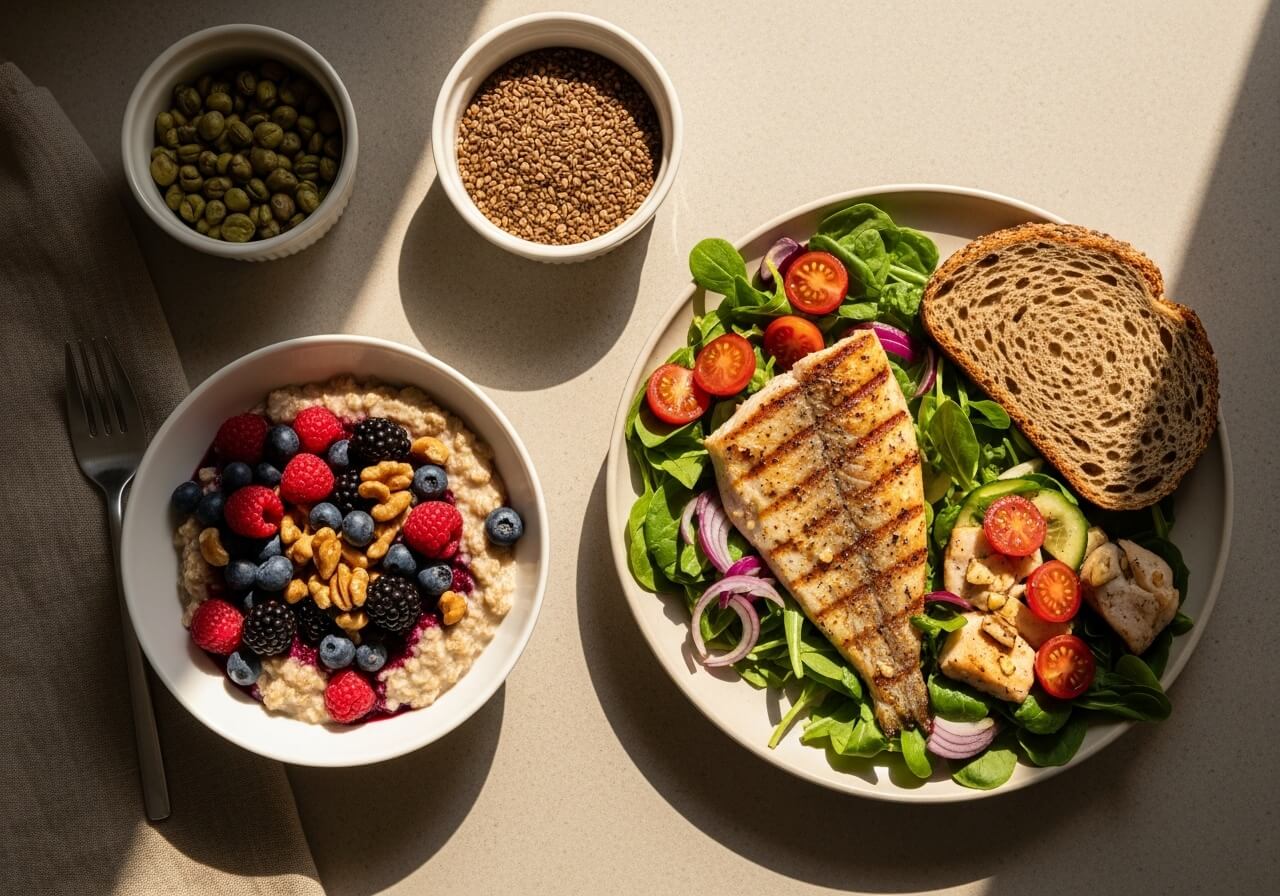
Two moves, both dull, both supported:
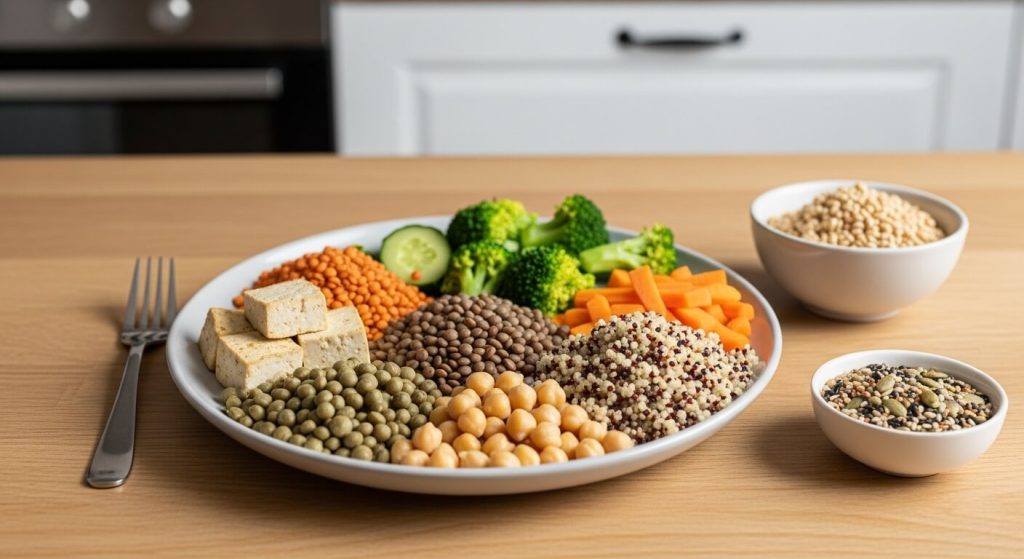
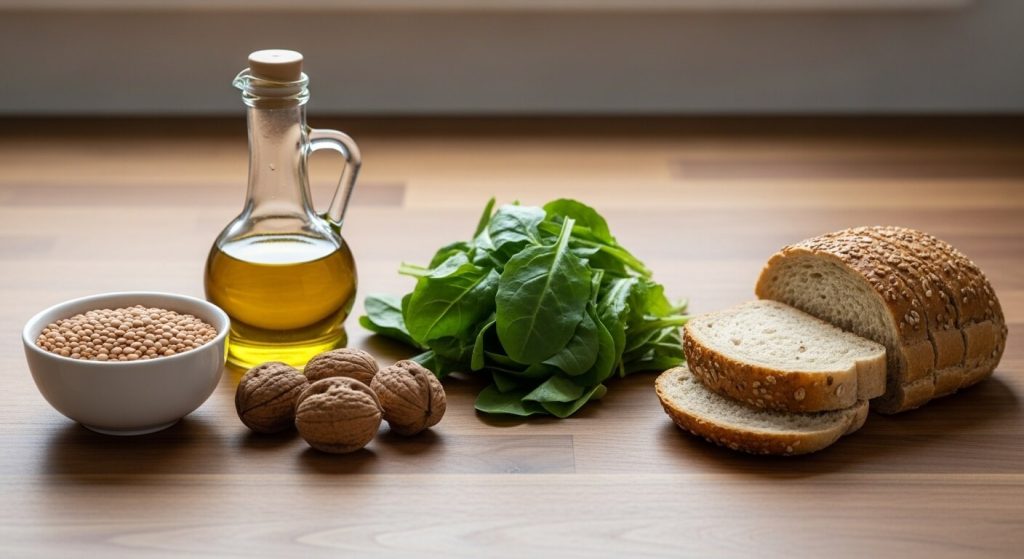
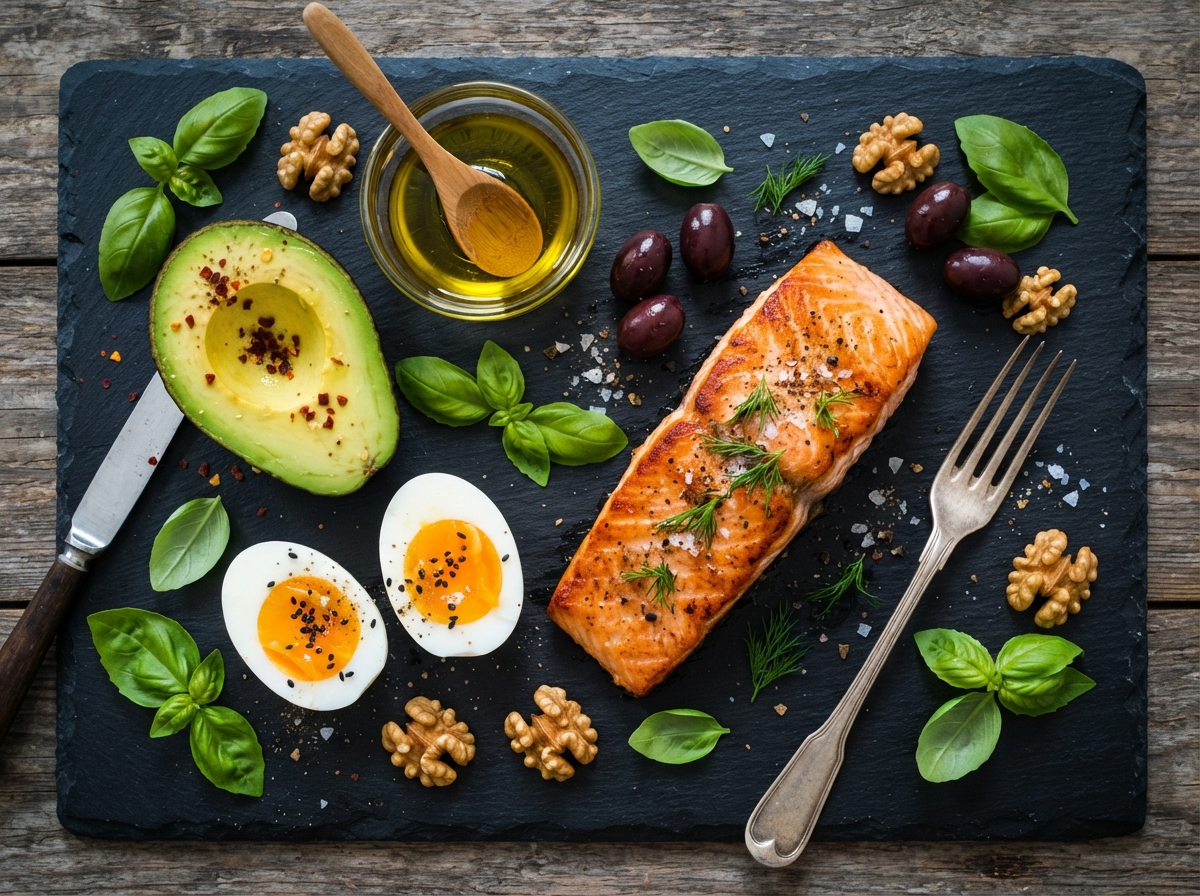
- Eat the pattern. The Mediterranean pattern has the best pooled signal, and it costs nothing extra: more vegetables, legumes, whole grains, nuts and fish; olive oil as the main added fat; less red and processed meat.
- Stop buying the compounds. Turmeric extract, resveratrol, high-dose antioxidants — the evidence ranges from “not enough” to “recommended against,” and several carry liver or bleeding cautions. Cook with the spices; skip the capsules.
Anything on a package promising to fight inflammation is an unreviewed structure/function claim, because no authorised health claim about inflammation exists. How to spot those claims is in our guide to what food label claims legally mean.
FAQ
Is turmeric anti-inflammatory?
NCCIH does not say so. Its stated position is that there is not enough evidence to conclude whether oral turmeric or curcumin has beneficial effects beyond a short list — osteoarthritis symptoms, some NAFLD measures, oral mucositis — and it warns that concentrated bioavailable formulations have been linked to liver damage.
Should I take fish oil for inflammation?
The evidence supports omega-3s for triglycerides and, less certainly, some cardiovascular endpoints. Every FDA-permitted claim carries the sentence “the evidence is inconsistent and inconclusive,” and none of them mention inflammation. Eating fish is a better-supported route than a capsule.
Are antioxidant supplements safe?
NCCIH warns they “can have harmful effects when taken at high doses.” Beta-carotene increased lung cancer incidence in smokers in one trial, and another was stopped early for increased all-cause death. The USPSTF recommends against beta-carotene and vitamin E for preventing cardiovascular disease or cancer.
Does sugar cause inflammation?
Agency language does not say that. The CDC and AHA describe added sugars in terms of weight gain, type 2 diabetes and heart disease. Those are good enough reasons to keep intake under 10% of calories without invoking inflammation.
Is ultra-processed food proven to be harmful?
It is consistently associated with worse outcomes across very large observational datasets, but no randomised trial evidence has been pooled, and most of the pooled estimates are rated low or very low certainty. The one controlled trial showed excess calorie intake and weight gain.
Where this fits
For the pattern-level picture, see anti-inflammatory foods: what the evidence actually supports. For how inflammation is measured and why studies disagree, see what the science actually measures. To check the added sugars in a specific product, our guide to hidden sugars covers the label line to read.
Every figure here is linked to its source in the text: the National Center for Complementary and Integrative Health, the NIH Office of Dietary Supplements, LiverTox, the National Cancer Institute, the US Preventive Services Task Force, the FDA, the World Health Organization, the CDC, the American Heart Association, and peer-reviewed reviews in The BMJ and Sports Medicine – Open. Checked against those sources on 1 September 2026. Educational information, not medical advice — see our medical disclaimer.
This content is for educational purposes only and is not medical advice. Always consult a qualified healthcare professional for personalised guidance.