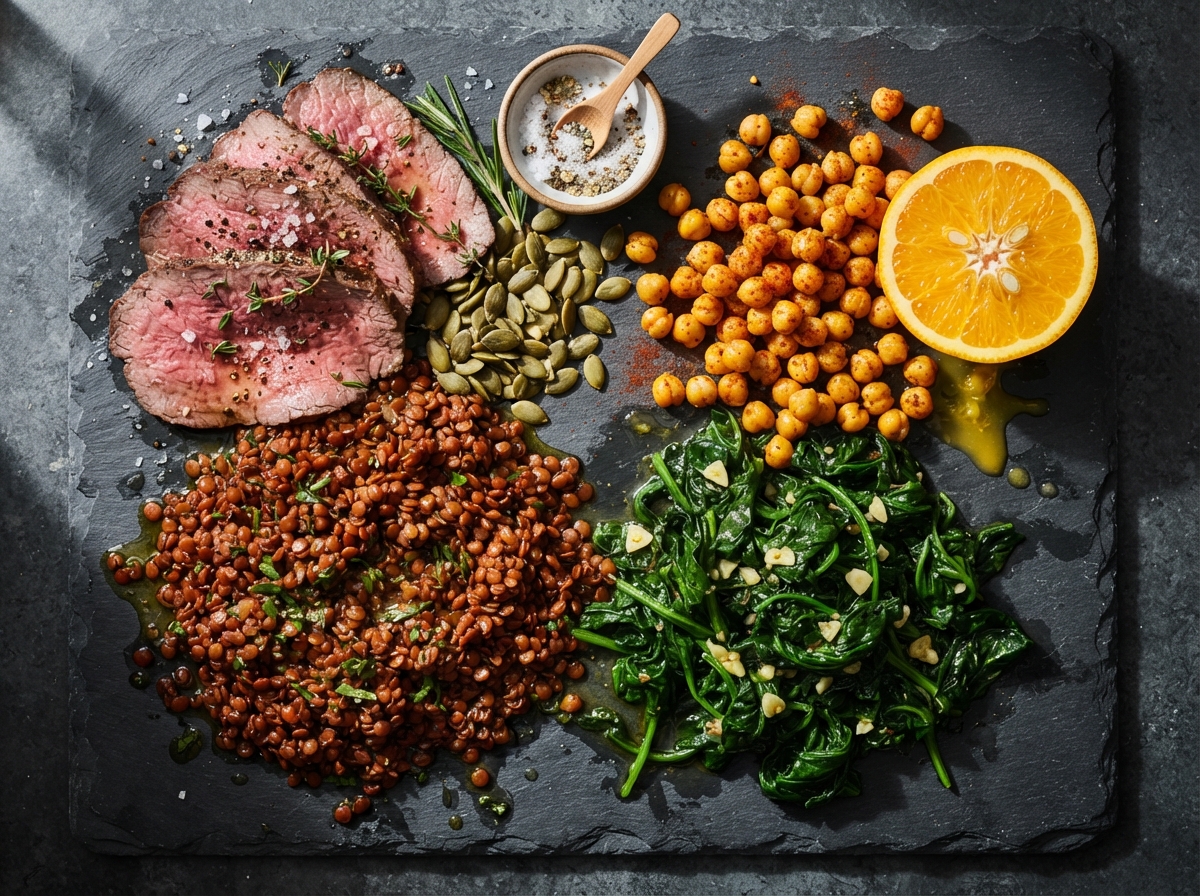

Gut health is the most oversold subject in nutrition. The organ is real, the research is genuine, and the marketing has run far ahead of both. The most useful sentence written about it comes from the American Academy of Microbiology, which put it plainly: “We just don’t yet know what characterizes a healthy microbiome, or how our behavior affects it.” This article covers what is actually established — and marks clearly where the evidence stops.
The short version
- Fiber is the part with the strongest evidence. The Daily Value is 28 g, and FDA groups fiber with the nutrients Americans generally do not get enough of — USDA survey data put mean intake at 16 g a day.
- Diet changes the microbiome fast — measurably within a day — but nobody can yet tell you what a “good” result looks like.
- Fermented food is not the same as probiotics. Many fermented products contain no live microbes by the time you eat them.
- Probiotics are strain-specific. A benefit shown for one strain says nothing about another, and most are sold as supplements, which need no FDA approval before sale.
- No package can legally make a “gut health” health claim — there is no authorised one. Everything you read on the front is an unreviewed structure/function claim.
- Ignore any product promising to “reset,” “heal” or “rebalance” your microbiome on a timeline. No such timeline exists in the evidence.
What the microbiome actually is
The microbiome is “the community of microorganisms that lives on us and in us” — bacteria, fungi and viruses, each with its own genes. Most of it lives in one place: a 2016 analysis in PLOS Biology found that “the colon is the only substantial contributor to the total bacterial population, while the stomach and small intestine make negligible contributions.”
That same paper retired one of the most repeated statistics in nutrition. The old claim was ten bacterial cells for every human cell. The revised estimate is roughly 3.8×10¹³ bacteria against 3.0×10¹³ human cells — a ratio of about 1.3 to 1 — and the authors state that “a B/H value of about 1:1 … should replace the 10:1 or 100:1 values.”
Why that correction matters. If an article still tells you that you are “ten percent human,” it is repeating a figure that was revised a decade ago. It is a fast way to tell whether the writer checked anything.
What diet actually changes — and how fast
Diet moves the gut community quickly. A controlled crossover study published in Nature found that the microbial community “changes rapidly, within a single day” when people switch to entirely animal-based or entirely plant-based eating, and that the animal-based diet “increased the abundance of bile-tolerant microorganisms.”
Two cautions come with that. The diets tested were extreme, not the way anyone eats normally. And a change is not an improvement — the study measured which organisms grew, not whether the person got healthier.
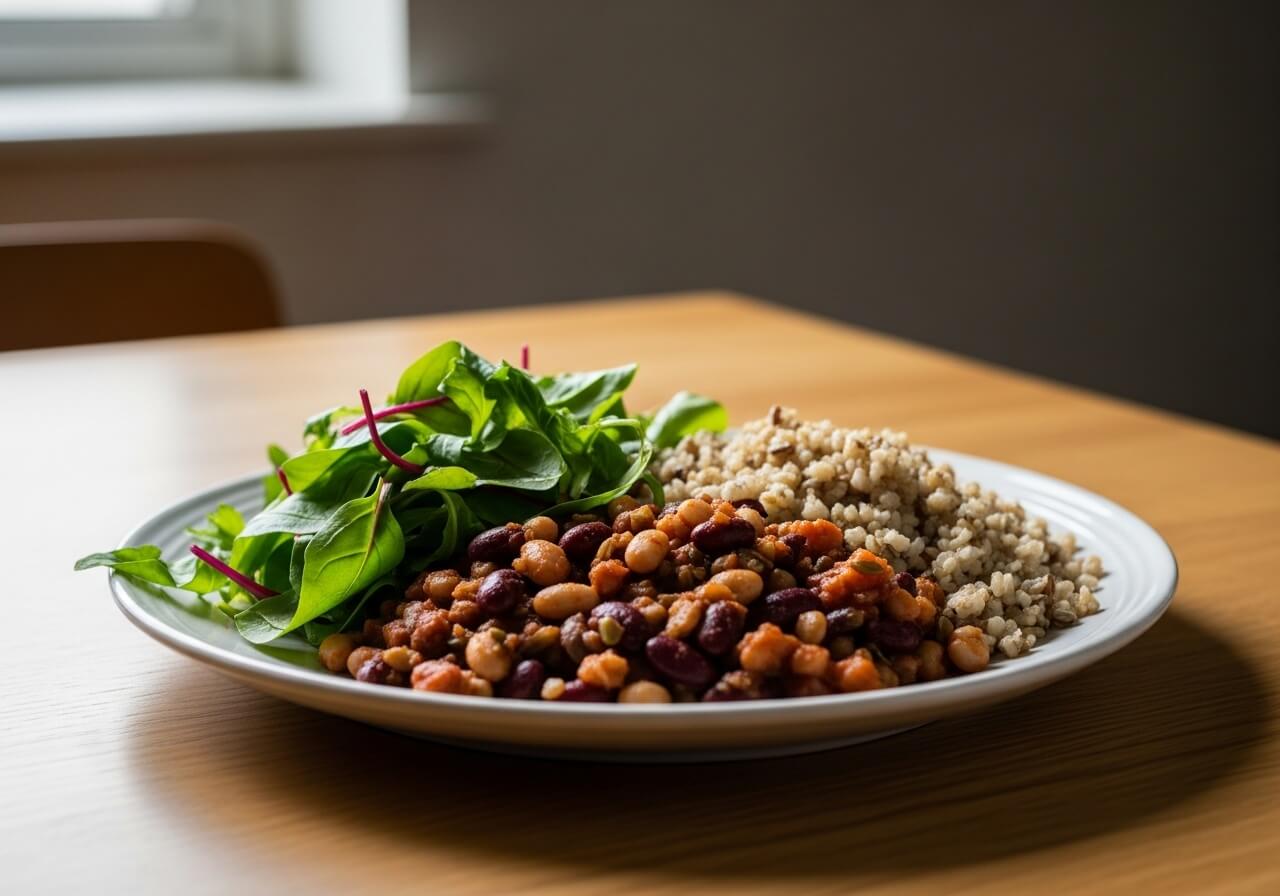
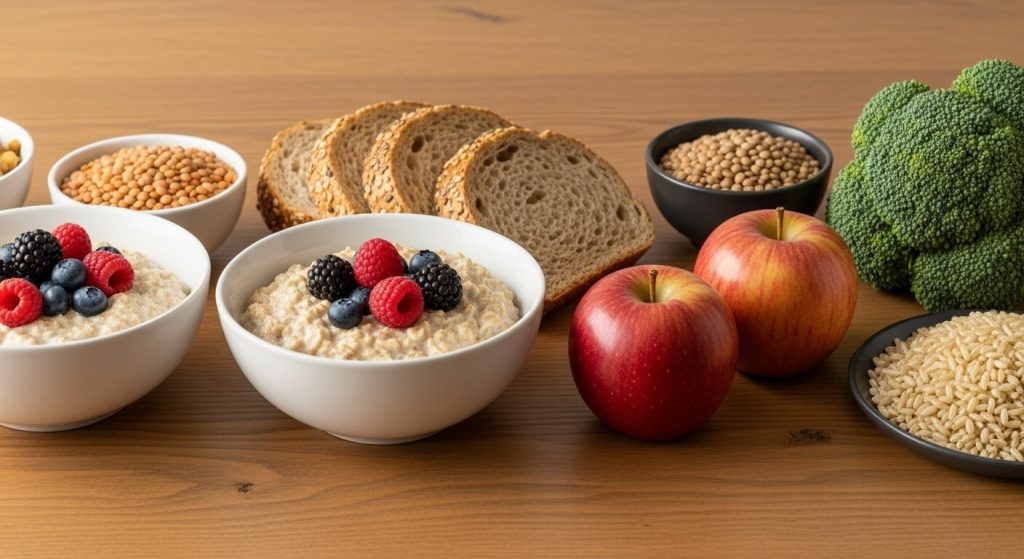
Fiber is where the mechanism is clearest. Gut bacteria ferment it into short-chain fatty acids: “The main SCFA are acetate, butyrate and propionate” — and the same 2024 research found that different fibers stimulate different organisms, with the outcome “strongly controlled” by what was already in a person’s gut. Which is the honest answer to “what is the best fiber”: it depends on you, and nobody can currently measure that in advance.

Fiber: the part you can actually act on
The Daily Value for dietary fiber is 28 g per day. The FDA calls it “a dietary component of public health concern” precisely because most Americans do not reach it, and states that “diets higher in dietary fiber can increase the frequency of bowel movements and can reduce the risk of developing cardiovascular disease.”
Because 28 g is the Daily Value, the FDA’s own 5/20 shortcut converts it into numbers you can read off a package without doing percentages:
| On the label | Fiber per serving | What it means |
|---|---|---|
| 5% DV or less | 1.4 g or less | Low |
| 10–19% DV | 2.8–5.3 g | Enough to be called a “good source” |
| 20% DV or more | 5.6 g or more | High — “excellent source” territory |
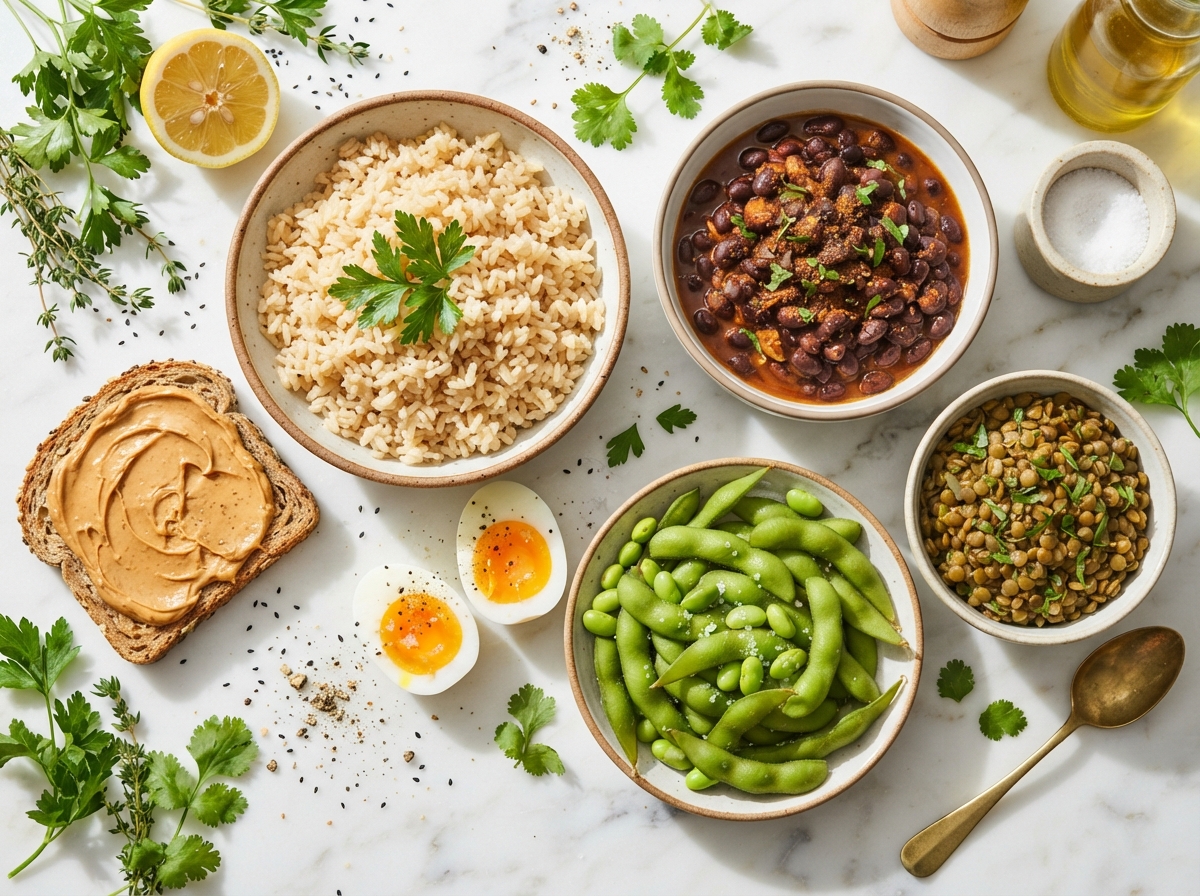
One label subtlety worth knowing: fiber on the panel is not only what was in the plant. The FDA defines it as non-digestible carbohydrates that are “intrinsic and intact in plants” plus a specific list of isolated or synthetic fibers it has judged to have beneficial physiological effects — among them inulin, psyllium husk, beta-glucan, pectin, guar gum, polydextrose and resistant starch. A bar can therefore be an “excellent source of fiber” because a manufactured fiber was added to it. That is legal and honest labeling; it is simply not the same food as a bowl of lentils.
Fermented foods are not probiotics
An international consensus panel defines fermented foods as “foods made through desired microbial growth and enzymatic conversions of food components” — a definition about how the food was made, not about what survives in it.
Plenty of fermented foods contain no live organisms when you eat them. The same panel points out that leavened bread is “baked after fermentation, effectively killing the fermentation microorganisms,” and that most wine and beer goes through steps that remove live microorganisms. Sourdough is fermented. It is not a probiotic.
And on benefits, the consensus statement is blunt: “except for yoghurt and cultured dairy products, few human clinical studies have been performed to verify their benefits.” Kimchi, kefir, kombucha and sauerkraut are good food. The health case for them specifically is mostly not built on human trials yet.
Prebiotics and probiotics, defined properly
A prebiotic is “a substrate that is selectively utilized by host microorganisms conferring a health benefit” — the established ones being inulin, fructooligosaccharides and galactooligosaccharides. A probiotic is, in the NIH’s wording, “live microorganisms that, when administered in adequate amounts, confer a health benefit on the host.” A product with both is a synbiotic.
Two facts change how you should read a probiotic label. First, “health benefits of probiotics are strain- and dose-dependent” — so a bottle that names only a genus and species, without the strain and the live count, is not telling you enough to match it to any published result. Second, “many probiotics are sold as dietary supplements, which don’t require FDA approval before they are marketed.”
| Use | What the Office of Dietary Supplements says the evidence shows |
|---|---|
| Antibiotic-associated diarrhea | Certain strains reduce the risk; among the better-supported uses |
| Irritable bowel syndrome | Modest symptom reduction with some multi-strain products; effects vary by strain |
| Acute infectious diarrhea in developed countries | Inconsistent results |
| Crohn’s disease | “No evidence that probiotics help induce or maintain remission” |
| Weight loss | Effects small and of questionable clinical value |
| Blood cholesterol | Needs confirmation |
Safety is generally good — the NIH Office of Dietary Supplements says probiotics are “unlikely to cause harm in healthy people” — with a real exception: infections have occurred in people who were severely ill or immunocompromised, and the FDA has warned health care providers about serious infections in premature infants given probiotics.
What a package is legally allowed to say about your gut
This is the part almost nobody explains, and it is the most useful thing on the page.
An FDA health claim — one that links a food to reduced risk of a disease — must meet the significant scientific agreement standard, which the agency describes as “a strong standard that provides a high level of confidence in the validity of the substance/disease relationship.” Fiber has three authorised health claims, and they concern cancer and coronary heart disease. There is no authorised health claim for gut health, digestive health or the microbiome.
So everything on the front of a gut-health product is a structure/function claim instead — and those are not pre-approved by the FDA. The agency’s own examples of the genre are “calcium builds strong bones” and “fiber maintains bowel regularity.” Supplement labels carrying them must also state that the FDA has not evaluated the claim.
How to read a gut-health package in five seconds. “Supports digestive health” tells you nothing about evidence — it is an unreviewed claim the manufacturer wrote. Turn the package over instead: the fiber line, the strain and CFU count if it is a probiotic, and the added sugars. Those are the parts someone had to get right. The full set of rules is in our guide to what food label claims legally mean.

FAQ
How long does it take to improve my gut microbiome?
There is no established timeline, because there is no established definition of an improved microbiome. Diet demonstrably changes the community within a day, but change is not the same as benefit. Treat any product selling a “reset” in a set number of days as marketing.
Do I need a probiotic supplement?
For a healthy person with no specific condition, the evidence does not support routine use. Where probiotics do have support it is strain-specific and situation-specific, such as antibiotic-associated diarrhea. Match the strain on the bottle to the strain in the study, or you are guessing.
Is fermented food worth eating?
Yes, as food. Just do not confuse it with a probiotic: many fermented products contain no live microbes by the time they reach you, and outside yogurt and cultured dairy the human trial evidence is thin.
What is the single most useful change?
More fiber, from a variety of plants, towards the 28 g Daily Value. It is the only part of this topic with a Daily Value, an FDA statement of public health concern, and authorised health claims behind it.
Can I tell my microbiome is unhealthy from symptoms?
Persistent digestive symptoms are worth taking to a clinician, but they do not diagnose a microbiome. Home microbiome testing cannot tell you what a healthy result looks like, because that has not been defined.
Where this fits
Two narrower questions have their own guides: how your gut actually absorbs nutrients, which is the mechanical side, and the gut and athletic performance, which covers stomach trouble during hard training. To check the fiber in a specific food rather than a package, use the Nutrition Facts database or compare two options in Compare Foods.
Every figure here is linked to its source in the text: the U.S. Food and Drug Administration, the NIH Office of Dietary Supplements, the National Center for Complementary and Integrative Health, and peer-reviewed consensus statements and studies in Nature Reviews Gastroenterology & Hepatology, Nature, PLOS Biology and npj Biofilms and Microbiomes. Checked against those sources on 1 September 2026. Educational information, not medical advice — see our medical disclaimer.
This content is for educational purposes only and is not medical advice. Always consult a qualified healthcare professional for personalised guidance.