
Whole Milk vs Nonfat Milk
Compared on one consistent basis: per 100 g, from USDA data behind each food page.
Milk (Whole) vs Milk (Nonfat): nutrition per 100 g
| Per 100 g | Milk (Whole) | Milk (Nonfat) |
|---|---|---|
| Calories | 60 kcal | 34 kcal |
| Protein | 3.3 g | 3.4 g |
| Carbohydrate | 4.6 g | 4.9 g |
| Fat | 3.2 g | 0.1 g |
| Fibre | 0 g | 0 g |
| Allergens | Milk | Milk |
Vitamins and minerals per 100 g
| Nutrient | Milk (Whole) | Milk (Nonfat) |
|---|---|---|
| Calcium, Ca | 123 mg | 132 mg |
| Choline, free | 3 mg | 3.1 mg |
| Choline, from glycerophosphocholine | 10.3 mg | 11.5 mg |
| Choline, from phosphocholine | 1.3 mg | 0.8 mg |
| Choline, from phosphotidyl choline | 1.8 mg | 2 mg |
| Choline, from sphingomyelin | 1.4 mg | 0.9 mg |
| Choline, total | 17.8 mg | 18.2 mg |
| Copper, Cu | 0 mg | 0 mg |
| Folate, DFE | 5 ug | 5 ug |
| Folate, food | 5 ug | 5 ug |
| Folate, total | 0 ug | 2 ug |
| Magnesium, Mg | 11.9 mg | 12.5 mg |
| Manganese, Mn | 0 mg | 0 mg |
| Niacin | 0.11 mg | 0.12 mg |
| Pantothenic acid | 0.36 mg | 0.39 mg |
| Phosphorus, P | 101 mg | 107 mg |
| Potassium, K | 150 mg | 167 mg |
| Riboflavin | 0.14 mg | 0.13 mg |
| Selenium, Se | 1.9 ug | 2 ug |
| Sodium, Na | 38 mg | 41 mg |
| Thiamin | 0.06 mg | 0.06 mg |
| Vitamin A, IU | 162 iu | 204 iu |
| Vitamin A, RAE | 32 ug | 64 ug |
| Vitamin B-12 | 0.54 ug | 0.58 ug |
| Vitamin B-6 | 0.06 mg | 0.06 mg |
| Vitamin D (D2 + D3) | 0.96 ug | 1.1 ug |
| Zinc, Zn | 0.42 mg | 0.45 mg |
The 100 g comparison has meaningful differences in calories and fat. Choose Milk (Nonfat) when a lower-calorie option better fits the meal. Choose Milk (Whole) when a higher-fat option is intentional for the meal.
Full nutrition facts: Milk (Whole) · Milk (Nonfat)
Bottom line
Per 100 g, Whole Milk provides 60 kcal, 3.3 g protein, 4.6 g carbohydrate, 3.2 g fat and 0 g fiber; Nonfat Milk provides 34 kcal, 3.4 g protein, 4.9 g carbohydrate, 0.1 g fat and 0 g fiber.
Looking beyond the macronutrients, Nonfat Milk is the better source of vitamin A (see the vitamins and minerals table below).
The only meaningful difference is fat: protein, calcium and B12 are essentially identical, and nonfat milk is fortified with vitamin A to replace what is lost with the fat. Whole milk is more filling per glass; nonfat saves about 60 kcal per cup.
In short: for weight loss or a bigger portion at the same calories, Nonfat Milk. If none of those goals applies, pick by taste, price and what the recipe needs.
Want a different pair? Use the food comparison tool to compare any two foods from the same category.
Values are per 100 g from the USDA FoodData Central records behind each food page and are rounded; brands and preparation change the numbers. This comparison is educational, not medical advice.
Related comparisons
Recipes using either one
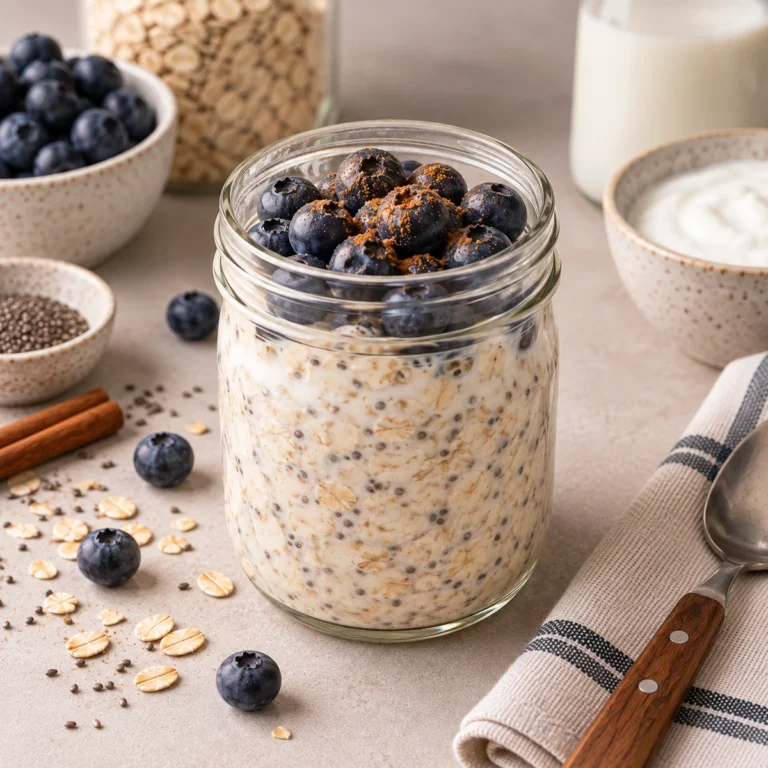 Grains & Pasta
Overnight Oats
353 kcal · P 20.6 g · C 51.8 g · F 6.9 g
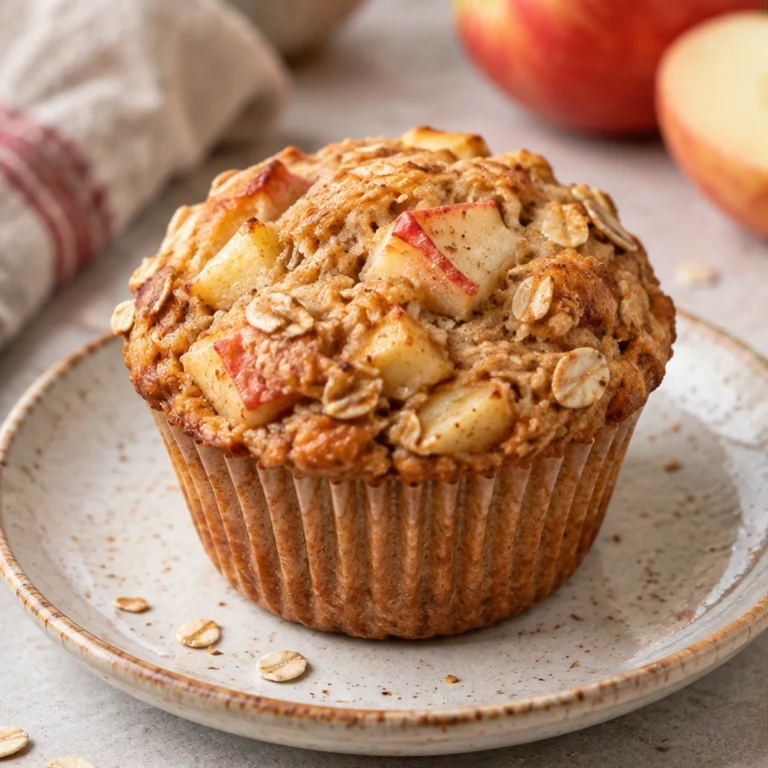 Grains & Pasta
Apple Oatmeal Muffins
222 kcal · P 2.9 g · C 52.7 g · F 0.7 g
 Eggs
EggsBroccoli Cheddar Frittata
268 kcal · P 19.7 g · C 7.5 g · F 17.8 g
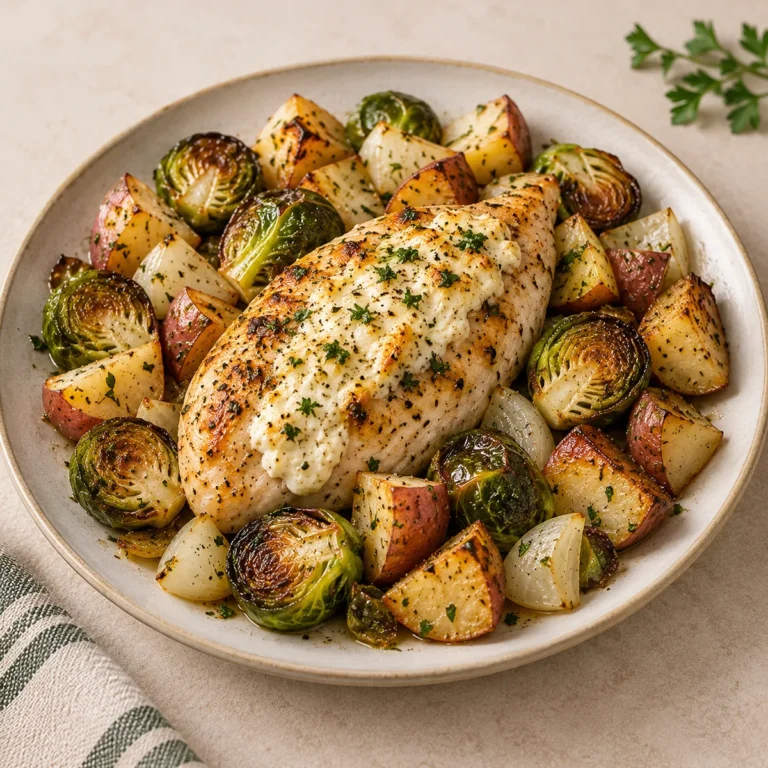 Chicken & Turkey
Roasted Brussels Sprouts, Potatoes and Chicken
393 kcal · P 37.1 g · C 32 g · F 13.1 g