
Sweet Potato vs Russet Potato
Compared on one consistent basis: per 100 g, from USDA data behind each food page.
Sweet Potatoes vs Russet Potato: nutrition per 100 g
| Per 100 g | Sweet Potatoes | Russet Potato |
|---|---|---|
| Calories | 79 kcal | 83 kcal |
| Protein | 1.6 g | 2.3 g |
| Carbohydrate | 17.3 g | 17.8 g |
| Fat | 0.4 g | 0.4 g |
| Fibre | 4.4 g | 1.3 g |
| Allergens | None listed | None listed |
Vitamins and minerals per 100 g
| Nutrient | Sweet Potatoes | Russet Potato |
|---|---|---|
| Calcium, Ca | 22.33 mg | 7.8 mg |
| Copper, Cu | 0.19 mg | 0.09 mg |
| Iron, Fe | 0.4 mg | 0.38 mg |
| Magnesium, Mg | 19.14 mg | 25.64 mg |
| Manganese, Mn | 0.42 mg | 0.15 mg |
| Niacin | 0.43 mg | 1.5 mg |
| Phosphorus, P | 36.73 mg | 55.19 mg |
| Potassium, K | 486.4 mg | 450.1 mg |
| Sodium, Na | 0 mg | 2.74 mg |
| Thiamin | 0.05 mg | 0.07 mg |
| Vitamin B-6 | 0.12 mg | 0.16 mg |
| Vitamin C, total ascorbic acid | 14.84 mg | 10.9 mg |
| Zinc, Zn | 0.34 mg | 0.38 mg |
Sweet Potatoes is higher in fibre. Reach for Sweet Potatoes when you want more fibre for fullness and digestion.
Full nutrition facts: Sweet Potatoes · Russet Potato
Bottom line
Per 100 g, Sweet Potatoes provides 79 kcal, 1.6 g protein and 17.3 g carbohydrate; Russet Potato provides 83 kcal, 2.3 g protein and 17.8 g carbohydrate.
That is a difference of 4 kcal per 100 g — small next to what the cooking method adds.
Calorie-wise these two are close enough that the swap is rarely about numbers. Sweet potato brings beta-carotene and a natural sweetness that stands up to roasting; russet is starchy and floury, which is exactly why it bakes and mashes the way it does. They behave differently in the oven, so recipes are not interchangeable without adjusting time.
In short: sweet potato is the lighter option per 100 g, but with vegetables the choice is usually about texture and how they cook, not calories.
Want a different pair? Use the food comparison tool to compare any two foods from the same category.
Values are per 100 g from the USDA FoodData Central records behind each food page and are rounded; brands and preparation change the numbers. This comparison is educational, not medical advice.
Related comparisons
Recipes using either one
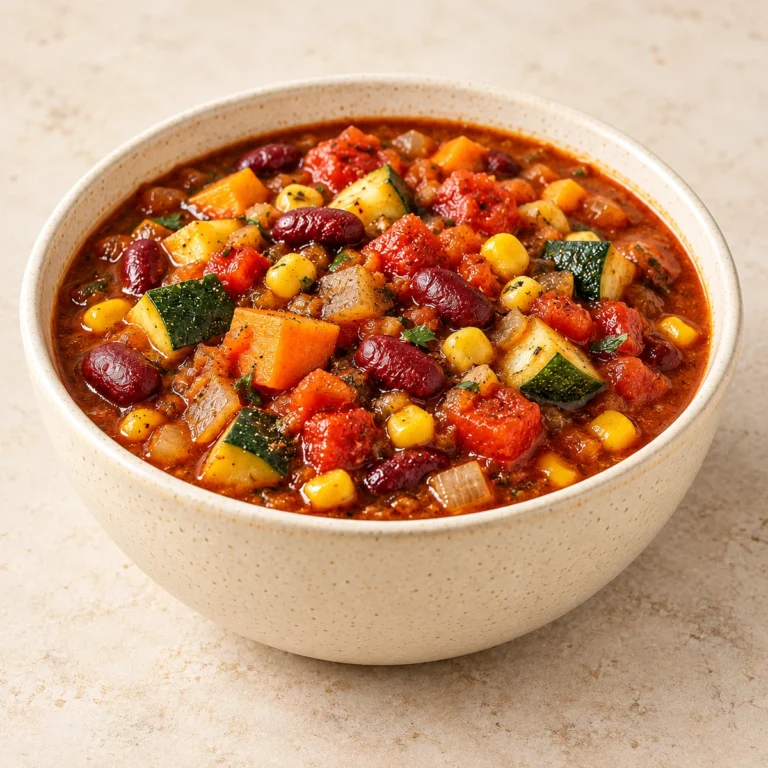 Beans & Lentils
Vegetable Chili
402 kcal · P 17.9 g · C 62.4 g · F 9.4 g
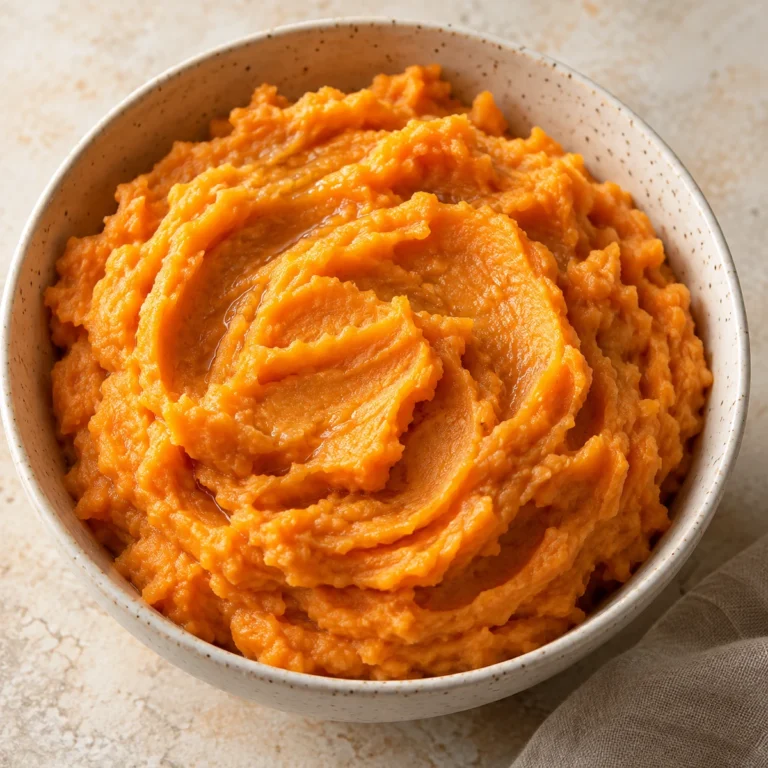 Potatoes
Maple Sweet Potatoes
179 kcal · P 3.5 g · C 39.9 g · F 0.7 g
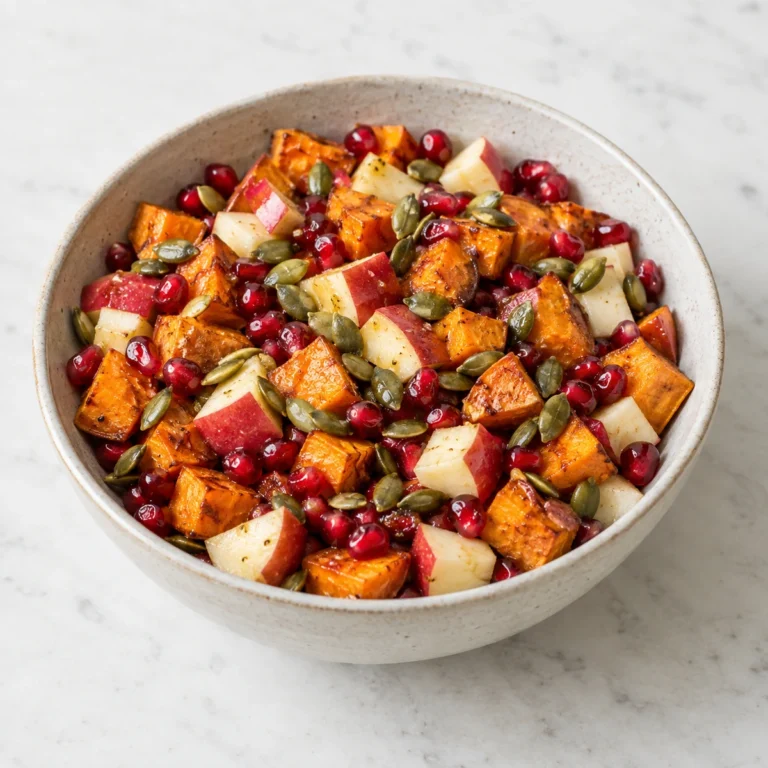 Potatoes
Sweet Potato Harvest Salad
204 kcal · P 4.7 g · C 31.2 g · F 6.7 g
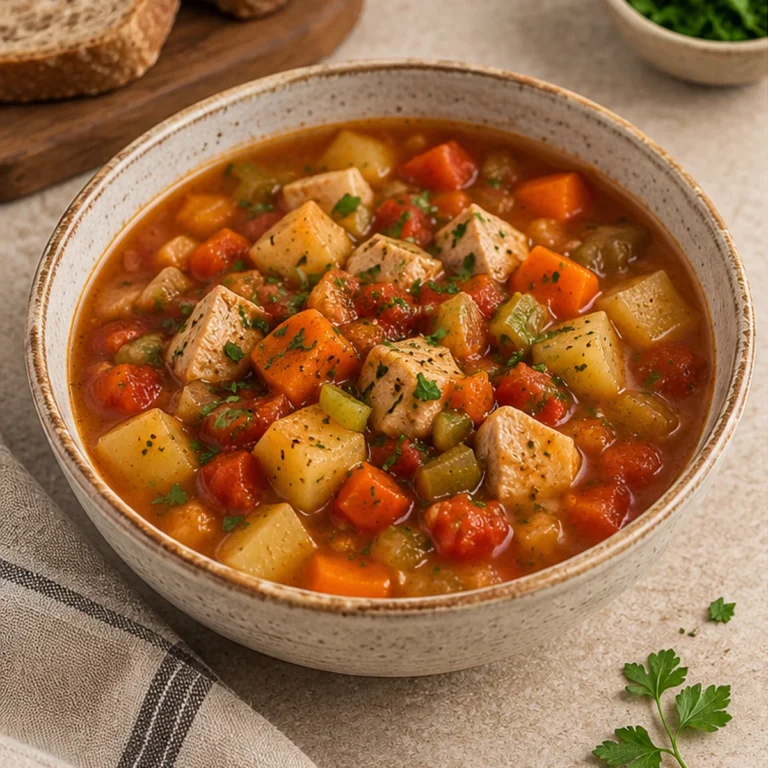 Chicken & Turkey
Turkey Stew
283 kcal · P 26.7 g · C 31.4 g · F 5.3 g
 Eggs
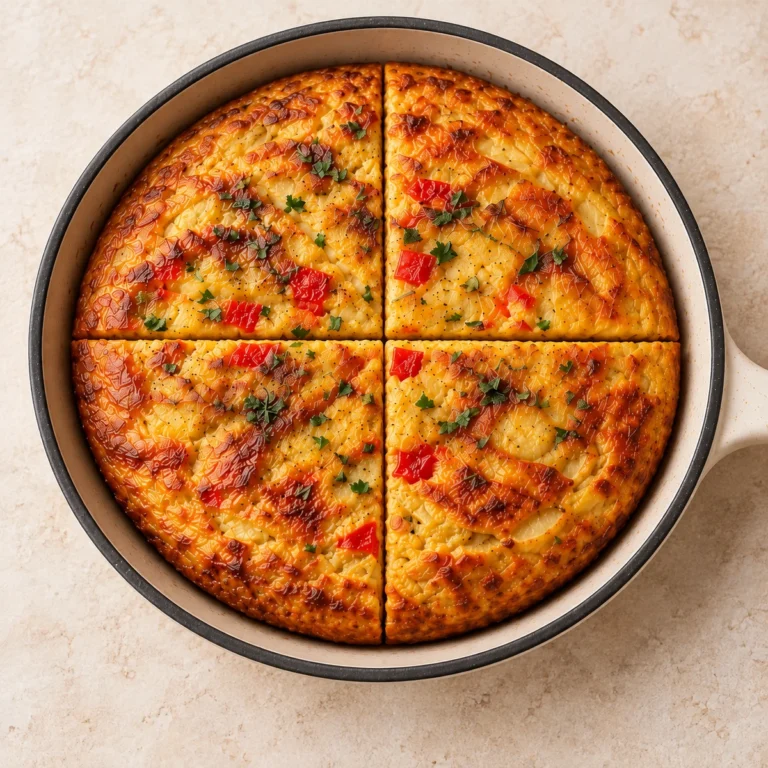
EggsSpanish Frittata
215 kcal · P 11.4 g · C 18.4 g · F 10.2 g
 Beef & Pork
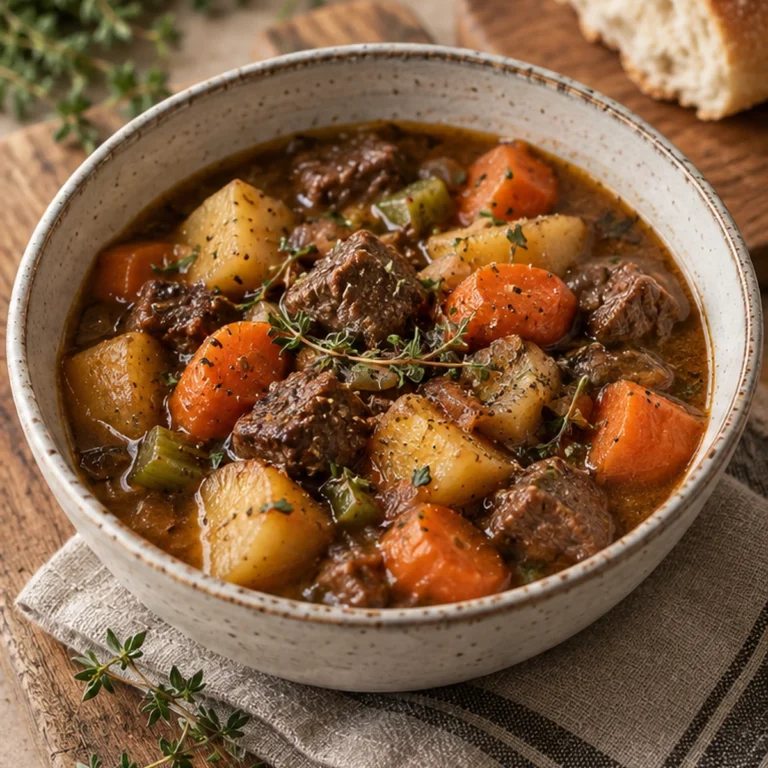
Slow Cooker Beef Stew
487 kcal · P 32.2 g · C 28 g · F 27.6 g