
Chickpeas vs Black Beans
Compared on one consistent basis: per 100 g, from USDA data behind each food page.
Canned Chickpeas vs Beans (Black, Canned): nutrition per 100 g
| Per 100 g | Canned Chickpeas | Beans (Black, Canned) |
|---|---|---|
| Calories | 137 kcal | 118 kcal |
| Protein | 7 g | 6.9 g |
| Carbohydrate | 20.3 g | 19.8 g |
| Fat | 3.1 g | 1.3 g |
| Fibre | 5.9 g | 6.7 g |
| Allergens | None listed | None listed |
Vitamins and minerals per 100 g
| Nutrient | Canned Chickpeas | Beans (Black, Canned) |
|---|---|---|
| Calcium, Ca | 40.48 mg | 43.31 mg |
| Copper, Cu | 0.27 mg | 0.34 mg |
| Iron, Fe | 1.04 mg | 1.69 mg |
| Magnesium, Mg | 28.41 mg | 32.54 mg |
| Manganese, Mn | 0.74 mg | 0.33 mg |
| Phosphorus, P | 86.48 mg | 90.95 mg |
| Potassium, K | 136.8 mg | 253.1 mg |
| Sodium, Na | 201.7 mg | 217.9 mg |
| Zinc, Zn | 0.72 mg | 0.74 mg |
Canned Chickpeas is higher in fat. Beans (Black, Canned) is the leaner, lower-calorie choice. That makes Canned Chickpeas more relevant when you want a richer, higher-fat option, and Beans (Black, Canned) when you want a lighter, lower-calorie option.
Full nutrition facts: Canned Chickpeas · Beans (Black, Canned)
Bottom line
Per 100 g, Canned Chickpeas provides 137 kcal, 7 g protein, 20.3 g carbohydrate and 3.1 g fat; Beans (Black, Canned) provides 118 kcal, 6.9 g protein, 19.8 g carbohydrate and 1.3 g fat.
That is a difference of 19 kcal per 100 g, before anything is added in the pan.
Both come out of a tin ready to eat, and both want rinsing — that alone takes a large share of the added salt with it. Chickpeas hold their shape and their bite, which is why they survive roasting and salads; black beans break down into something creamy and belong in the dishes built on that.
In short: for protein per calorie, black beans. If that is not the deciding factor, pick by the dish, the price and how you plan to cook it.
Want a different pair? Use the food comparison tool to compare any two foods from the same category.
Values are per 100 g from the USDA FoodData Central records behind each food page and are rounded; brands and preparation change the numbers. This comparison is educational, not medical advice.
Related comparisons
Recipes using either one
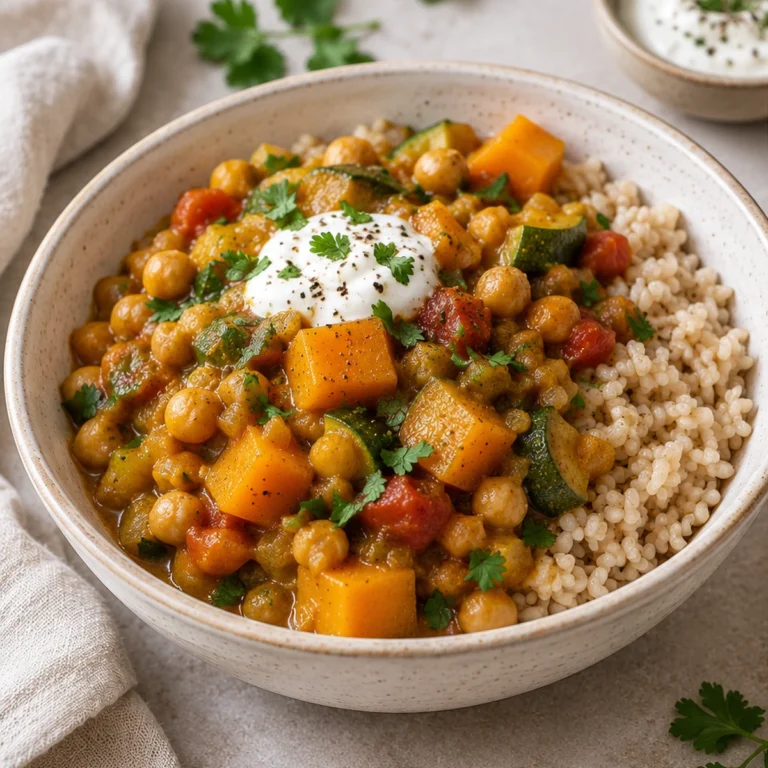 Beans & Lentils
Curried Squash Stew
215 kcal · P 7.9 g · C 34.8 g · F 6.3 g
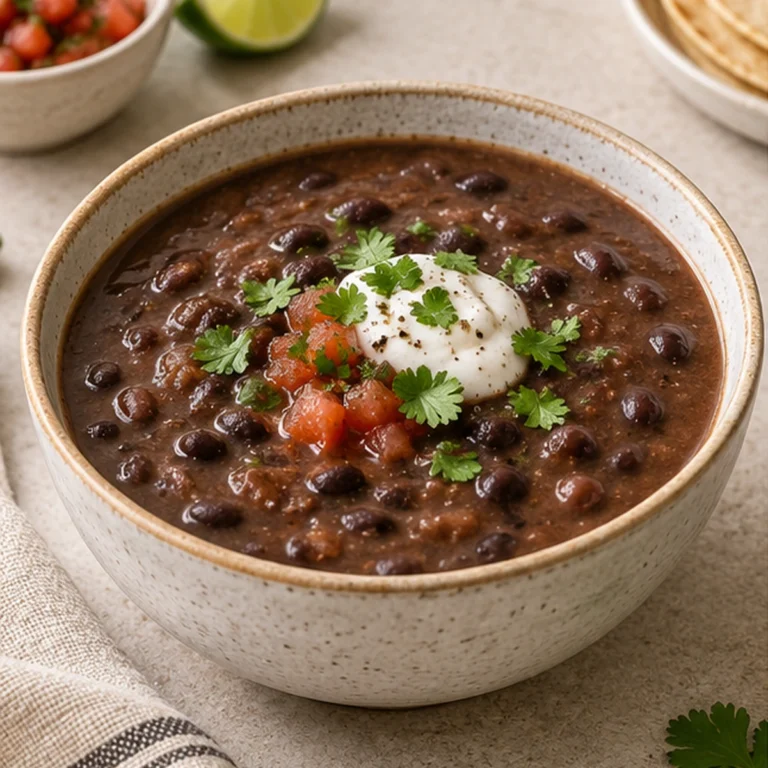 Beans & Lentils
Black Bean Soup with Salsa
203 kcal · P 12.8 g · C 34 g · F 2.5 g
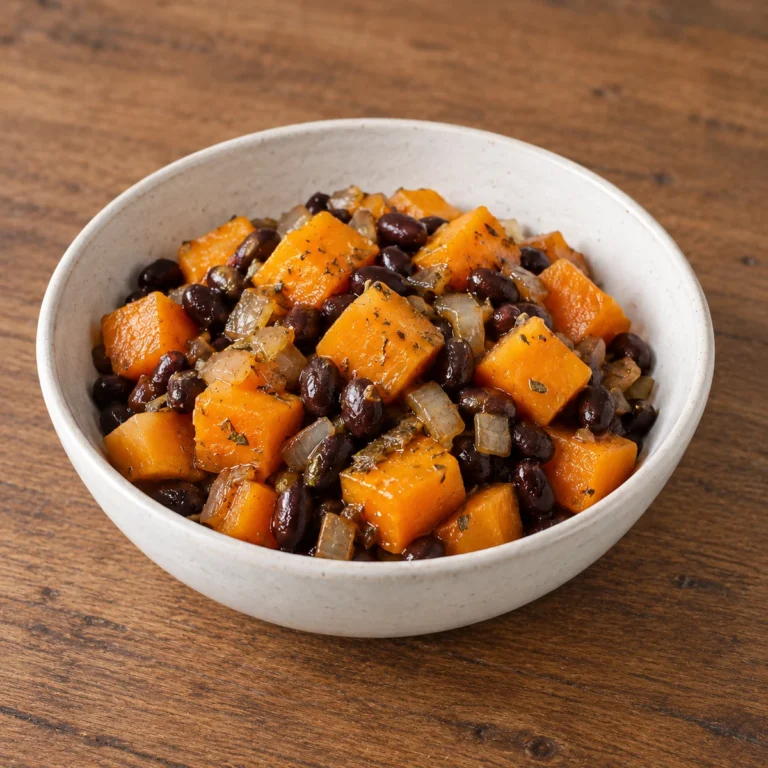 Beans & Lentils
Butternut Squash with Black Beans
152 kcal · P 6.9 g · C 27.2 g · F 2.1 g
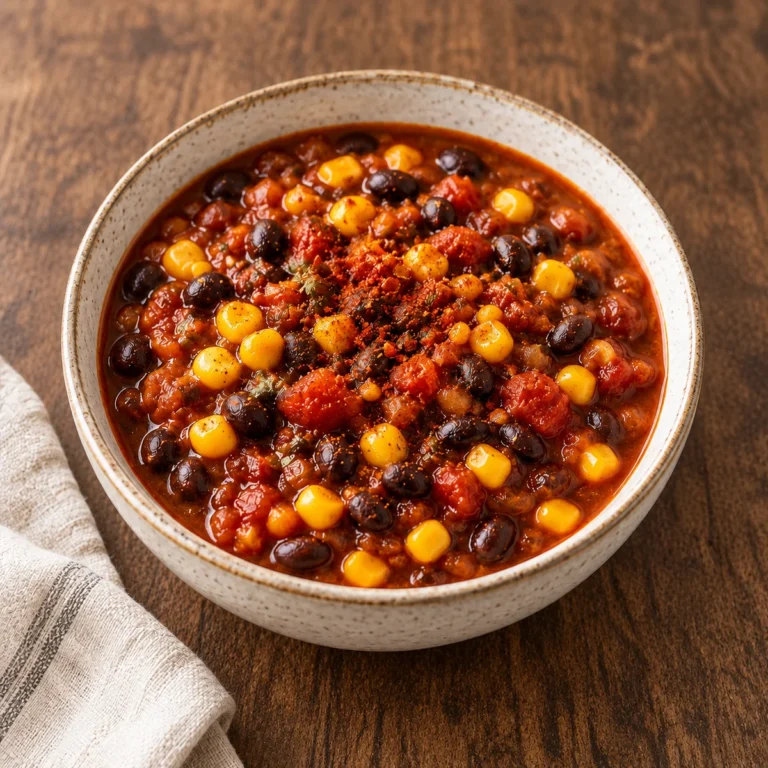 Beans & Lentils
3-Can Chili
127 kcal · P 6.6 g · C 22.8 g · F 1.8 g
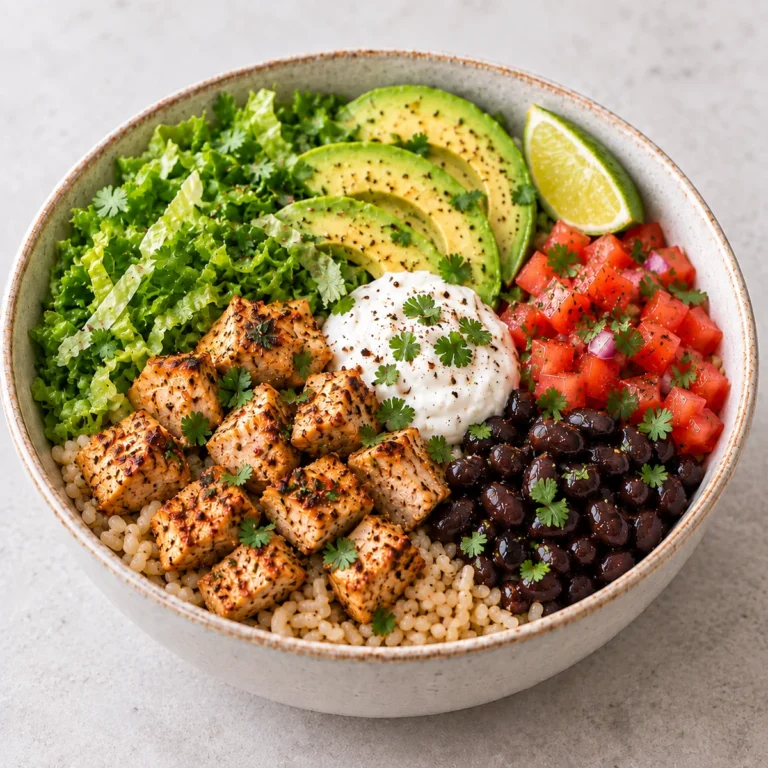 Chicken & Turkey
Chicken Burrito Bowl
612 kcal · P 42.8 g · C 54.3 g · F 25.5 g