
Cannellini vs Great Northern Beans
Compared on one consistent basis: per 100 g, from USDA data behind each food page.
Beans (Cannellini, Canned) vs Beans (Great Northern, Canned): nutrition per 100 g
| Per 100 g | Beans (Cannellini, Canned) | Beans (Great Northern, Canned) |
|---|---|---|
| Calories | 115 kcal | 117 kcal |
| Protein | 7.4 g | 7 g |
| Carbohydrate | 18.8 g | 19.3 g |
| Fat | 1.2 g | 1.3 g |
| Fibre | 6.8 g | 6.9 g |
| Allergens | None listed | None listed |
Vitamins and minerals per 100 g
| Nutrient | Beans (Cannellini, Canned) | Beans (Great Northern, Canned) |
|---|---|---|
| Calcium, Ca | 69.19 mg | 67.16 mg |
| Copper, Cu | 0.22 mg | 0.26 mg |
| Iron, Fe | 1.41 mg | 1.38 mg |
| Magnesium, Mg | 29.29 mg | 29.3 mg |
| Manganese, Mn | 0.37 mg | 0.46 mg |
| Phosphorus, P | 94.74 mg | 88.61 mg |
| Potassium, K | 202.6 mg | 213.1 mg |
| Sodium, Na | 164 mg | 223.1 mg |
| Zinc, Zn | 0.52 mg | 0.63 mg |
These foods are nutritionally similar per 100 g — the practical difference is more about form, taste and how they fit your day than the macros.
Full nutrition facts: Beans (Cannellini, Canned) · Beans (Great Northern, Canned)
Bottom line
Per 100 g, Beans (Cannellini, Canned) provides 115 kcal, 7.4 g protein, 18.8 g carbohydrate and 1.2 g fat; Beans (Great Northern, Canned) provides 117 kcal, 7 g protein, 19.3 g carbohydrate and 1.3 g fat.
That is a difference of 2 kcal per 100 g, before anything is added in the pan.
Two white beans that get swapped freely, and mostly that is fine. Cannellini are larger with a firmer skin, so they stay whole in a soup; great northern are smaller and softer and thicken the pot as they go. If a recipe says one and you have the other, adjust the simmer, not the seasoning.
In short: for protein per calorie, cannellini beans. If that is not the deciding factor, pick by the dish, the price and how you plan to cook it.
Want a different pair? Use the food comparison tool to compare any two foods from the same category.
Values are per 100 g from the USDA FoodData Central records behind each food page and are rounded; brands and preparation change the numbers. This comparison is educational, not medical advice.
Related comparisons
Recipes using either one
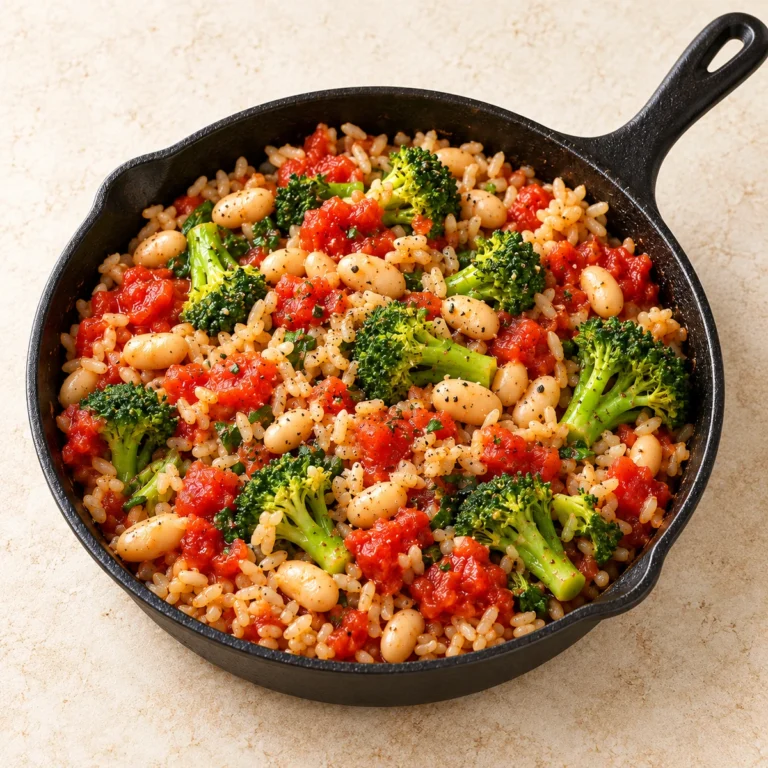 Grains & Pasta
Skillet Meal with Greens and Beans
310 kcal · P 11.8 g · C 60.3 g · F 3.6 g
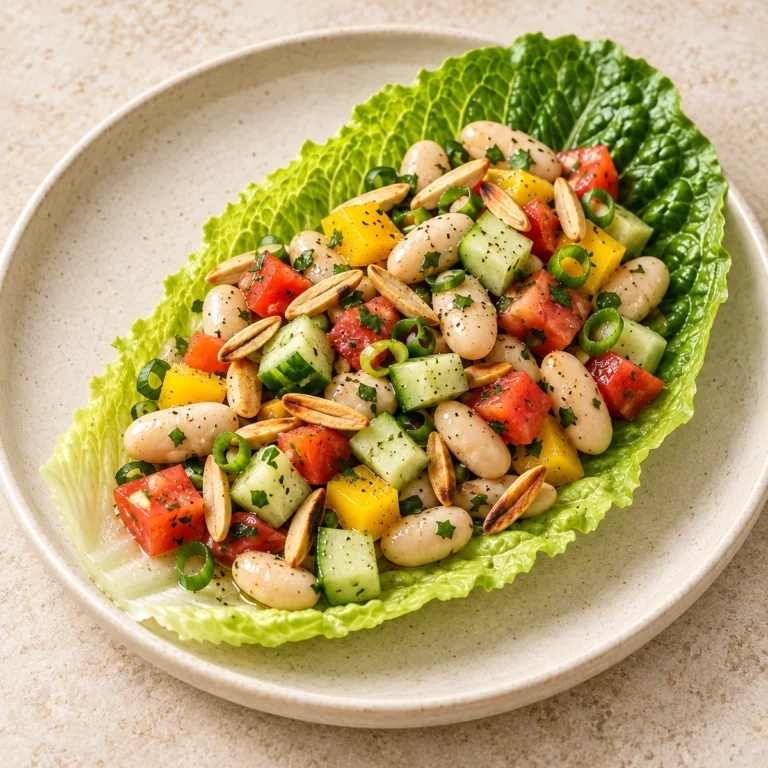 Beans & Lentils
Garden Cannellini Bean Salad
314 kcal · P 13.8 g · C 37.1 g · F 12.3 g
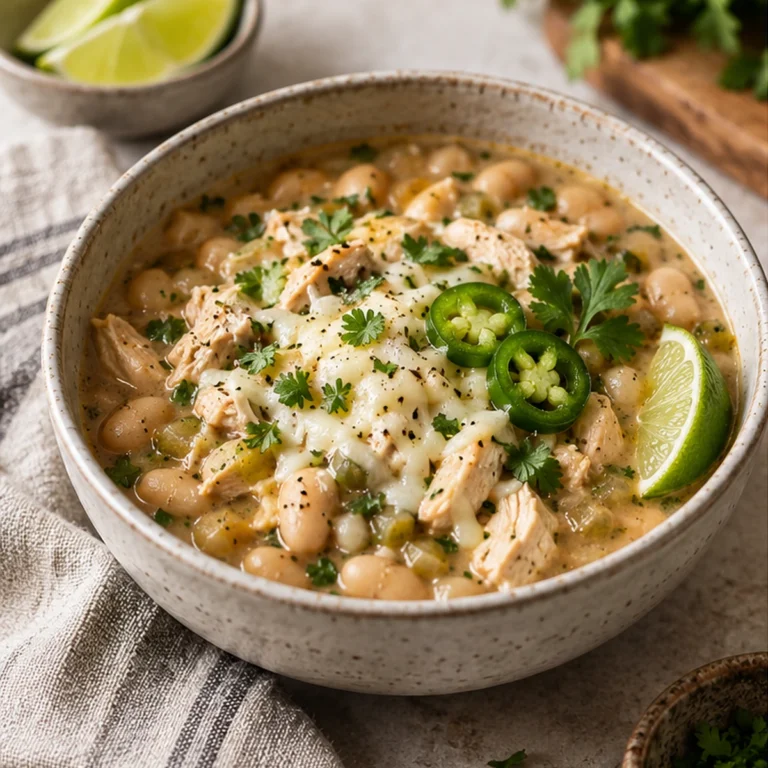 Chicken & Turkey
White Chicken Chili
251 kcal · P 21.5 g · C 21.2 g · F 8.9 g
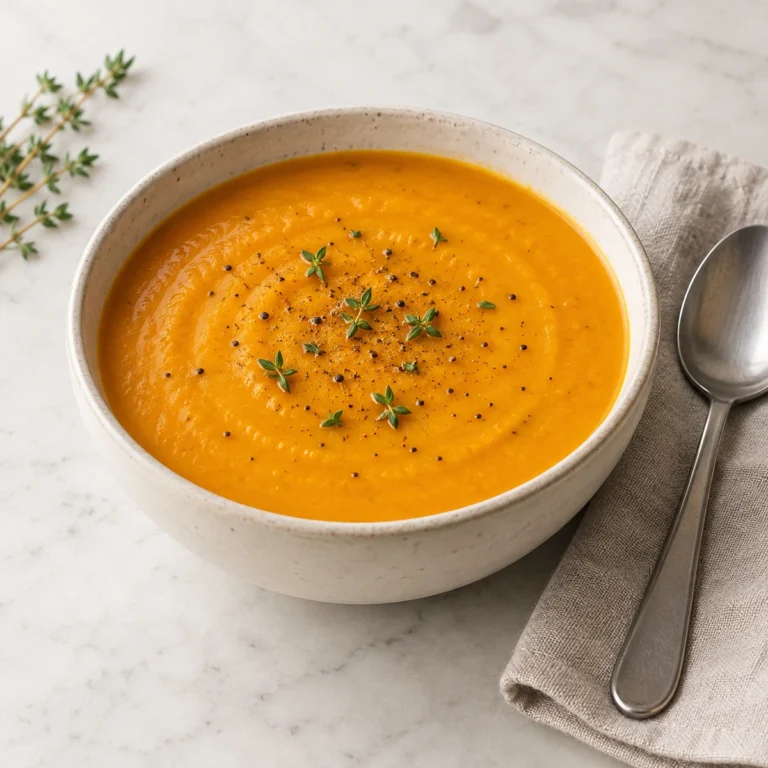 Beans & Lentils
Pumpkin and White Bean Soup
134 kcal · P 7.9 g · C 23.7 g · F 1.7 g