
Cabbage (Green) Nutrition Facts
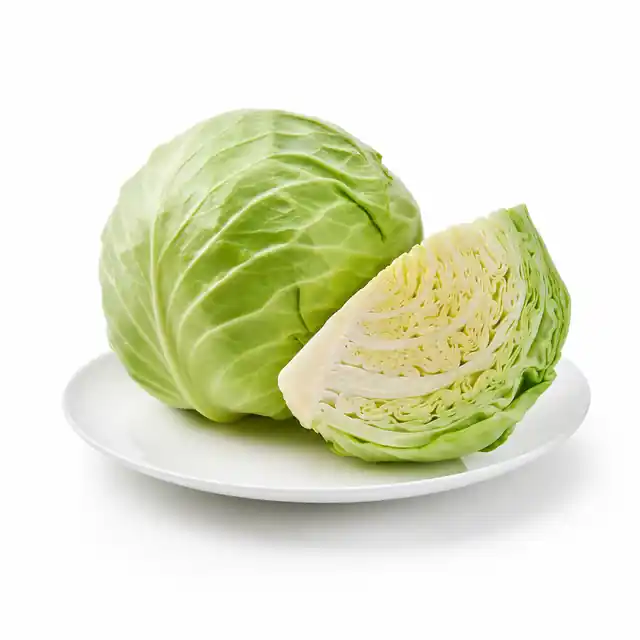
Cabbage (Green) is a vegetable whose variety, edible portion, and raw or cooked state affect its composition. It provides dietary fiber, potassium, and vitamin C.
Calories31
Protein1 g
Carbs6.4 g
Fat0.2 g
ProteinCarbsFat
Nutrition for 100 g
Calories31 kcal
Protein1 g
Total Fat0.2 g
Carbohydrates6.4 g
Fiber2.5 g
Sodium16 mg
Total Sugars3.2 g
Full nutrient profile
Proximates
Water91.87 g
Nitrogen0.1538 g
Protein0.96125 g
Total lipid (fat)0.2275 g
Ash0.5575 g
Carbohydrates
Carbohydrate, by difference6.38375 g
Sucrose0.08 g
Glucose1.67 g
Maltose0.01 g
Sugars, Total3.2 g
Starch0 g
Fructose1.45 g
Lactose0 g
Fiber, total dietary2.5 g
Galactose0 g
Minerals
Calcium, Ca41.84 mg
Iron, Fe0.06625 mg
Magnesium, Mg13.86 mg
Phosphorus, P26.93 mg
Potassium, K207.1 mg
Sodium, Na16.1 mg
Zinc, Zn0.2112 mg
Copper, Cu0 mg
Manganese, Mn0.2479 mg
Molybdenum, Mo6.943 ug
Fluoride, F1 ug
Selenium, Se0.3 ug
Vitamins and other components
Vitamin C, total ascorbic acid40.34 mg
Vitamin B-60.1384 mg
Vitamin K (phylloquinone)59.4 ug
Vitamin K (Dihydrophylloquinone)0 ug
Vitamin K (Menaquinone-4)0 ug
Folic acid0 ug
Vitamin D (D2 + D3), International Units0 iu
Lutein + zeaxanthin30 ug
Tocopherol, beta0 mg
Tocopherol, gamma0 mg
Tocotrienol, alpha0.04 mg
Tocotrienol, beta0 mg
Niacin0.234 mg
Pantothenic acid0.212 mg
Choline, total10.7 mg
Vitamin E (alpha-tocopherol)0.15 mg
Folate, DFE43 ug
Betaine0.4 mg
Tocopherol, delta0 mg
Tocotrienol, gamma0 mg
Thiamin0.061 mg
Riboflavin0.04 mg
Vitamin A, RAE5 ug
Carotene, beta42 ug
Carotene, alpha33 ug
Cryptoxanthin, beta0 ug
Vitamin A, IU98 iu
Folate, food43 ug
Folate, total43 ug
Retinol0 ug
Vitamin B-120 ug
Lycopene0 ug
Vitamin B-12, added0 ug
Vitamin E, added0 mg
Vitamin D (D2 + D3)0 ug
Lipids
SFA 4:00 g
SFA 6:00 g
SFA 10:00 g
SFA 16:00.034 g
SFA 18:00 g
SFA 20:00 g
MUFA 18:10.017 g
PUFA 18:20.017 g
PUFA 18:30 g
PUFA 20:40 g
PUFA 18:40 g
MUFA 20:10 g
MUFA 22:10 g
Fatty acids, total monounsaturated0.017 g
Fatty acids, total polyunsaturated0.017 g
SFA 15:00 g
PUFA 20:2 n-6 c,c0 g
PUFA 20:30 g
Fatty acids, total saturated0.034 g
SFA 8:00 g
SFA 12:00 g
SFA 14:00 g
PUFA 22:6 n-3 (DHA)0 g
SFA 22:00 g
MUFA 14:10 g
MUFA 16:10 g
PUFA 20:5 n-3 (EPA)0 g
PUFA 22:5 n-3 (DPA)0 g
Phytosterols11 mg
SFA 17:00 g
SFA 24:00 g
MUFA 17:10 g
MUFA 15:10 g
Fatty acids, total trans0 g
Cholesterol0 mg
Amino acids
Isoleucine0.03 g
Leucine0.041 g
Lysine0.044 g
Cystine0.011 g
Valine0.042 g
Arginine0.075 g
Histidine0.022 g
Aspartic acid0.122 g
Serine0.053 g
Tryptophan0.011 g
Threonine0.035 g
Methionine0.012 g
Phenylalanine0.032 g
Tyrosine0.019 g
Alanine0.042 g
Glutamic acid0.294 g
Glycine0.03 g
Proline0.048 g
Other bioactive components
Alcohol, ethyl0 g
Caffeine0 mg
Theobromine0 mg
Most Of A Day's Vitamin C
A twelfth of a medium head of raw green cabbage supplies 70% of the Daily Value for vitamin C. That vitamin is water soluble, so boiled cabbage loses part of it to the pot.
Source: FDA
How to choose and store Cabbage (Green)
How to choose
Choose firm, unbruised produce with no soft spots or damage. If buying pre-cut or bagged, pick only packs kept refrigerated or on ice.
Storage
Refrigerate perishable produce at 40°F (4°C) or below, and refrigerate anything pre-cut or packaged. Wash under running water just before eating.
Related foods
View all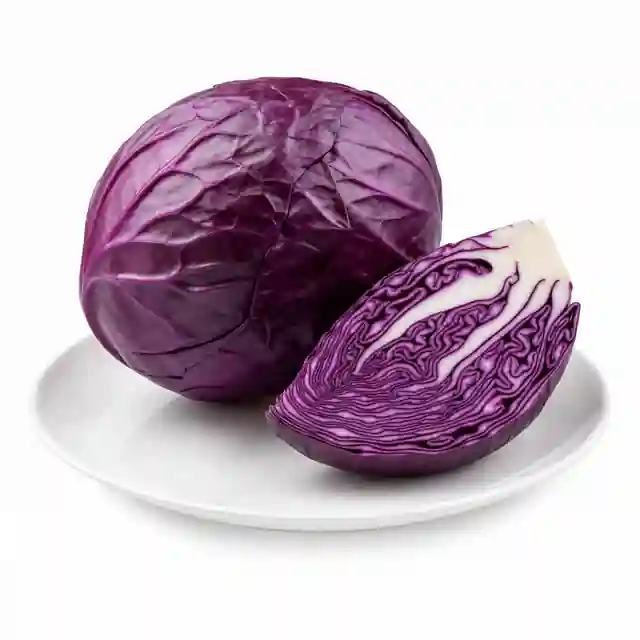
Vegetables
34 kcalCabbage (Red)
100 g
P 1.2gC 6.8gF 0.2g
Vegetables
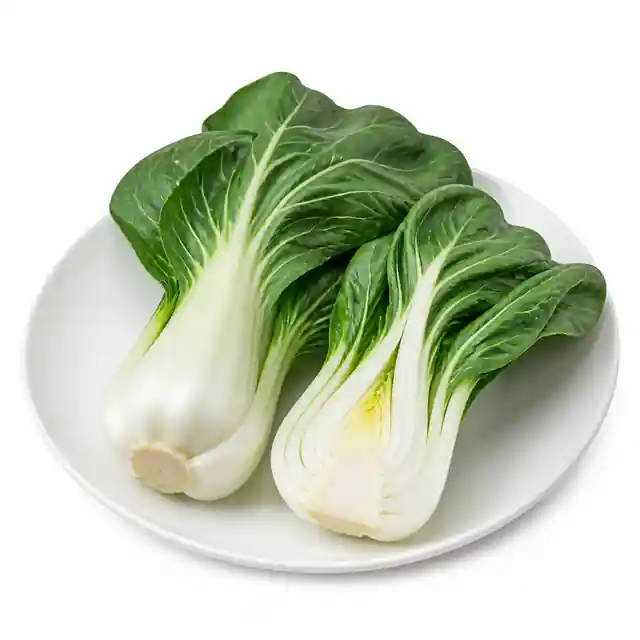
20 kcalCabbage (Bok Choy)
100 g
P 1gC 3.5gF 0.2g
Vegetables
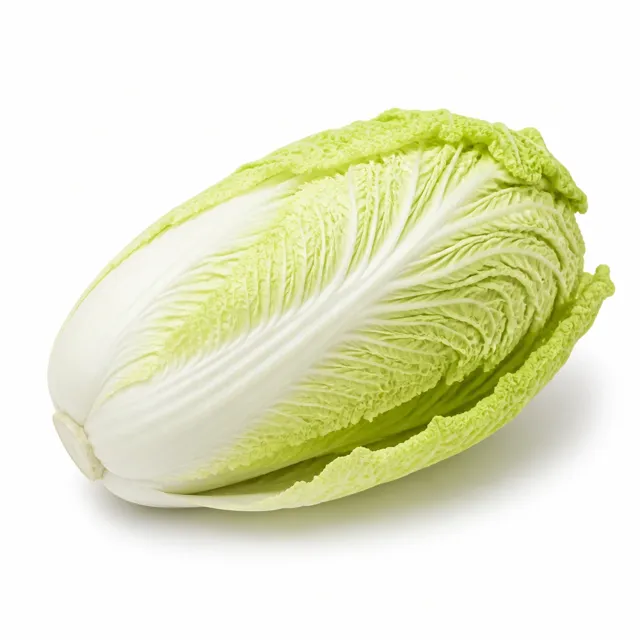
16 kcalCabbage (Napa)
100 g
P 1.1gC 3.2gF 0.2g
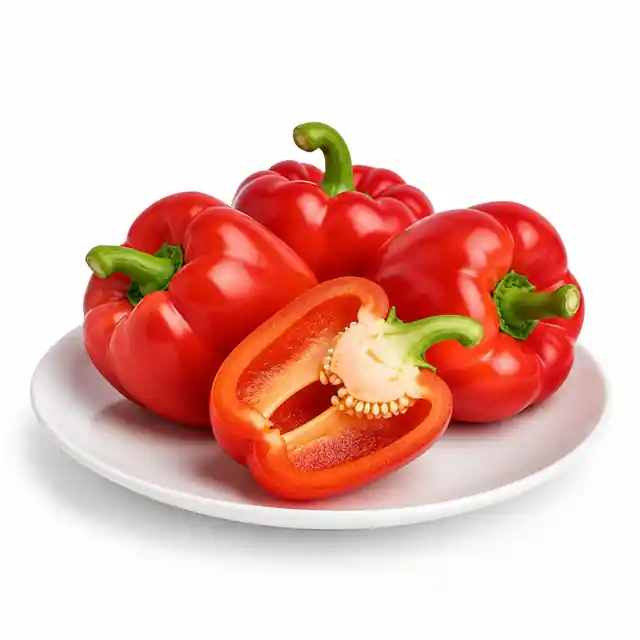
Vegetables
31 kcalPeppers (Bell, Red)
100 g
P 0.9gC 6.7gF 0.1g
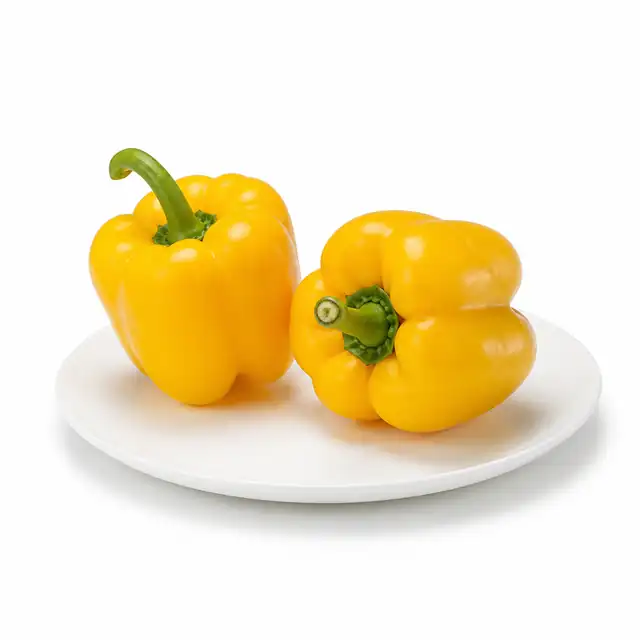
Vegetables
31 kcalPeppers (Bell, Yellow)
100 g
P 0.8gC 6.6gF 0.1g
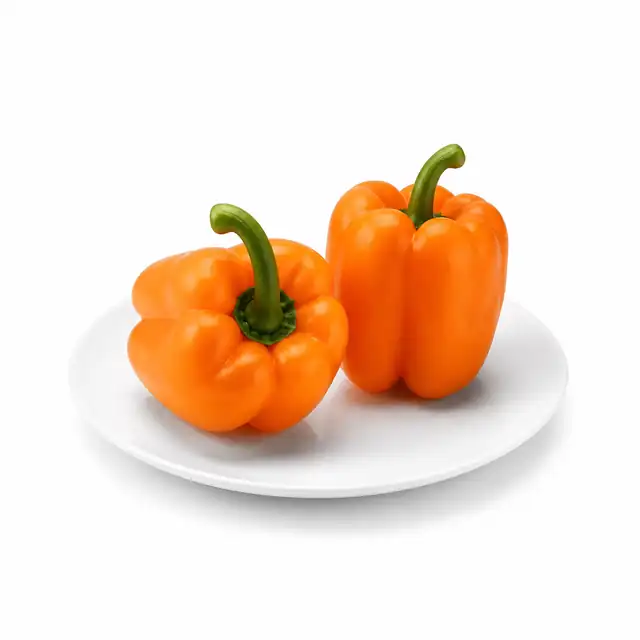
Vegetables
32 kcalPeppers (Bell, Orange)
100 g
P 0.9gC 6.7gF 0.2g
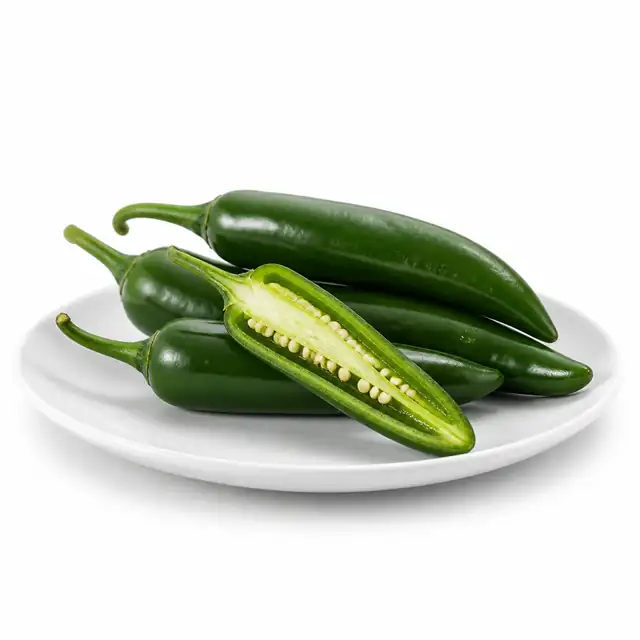
Vegetables
29 kcalPeppers (Serrano)
100 g
P 0.9gC 6.1gF 0.1g
Vegetables
34 kcalTomato (Sauce, Canned, Salted)
100 g
P 1.4gC 6.3gF 0.4g
Put the numbers to work
View all