
Tomato (Sauce, Canned, Salted) Nutrition Facts
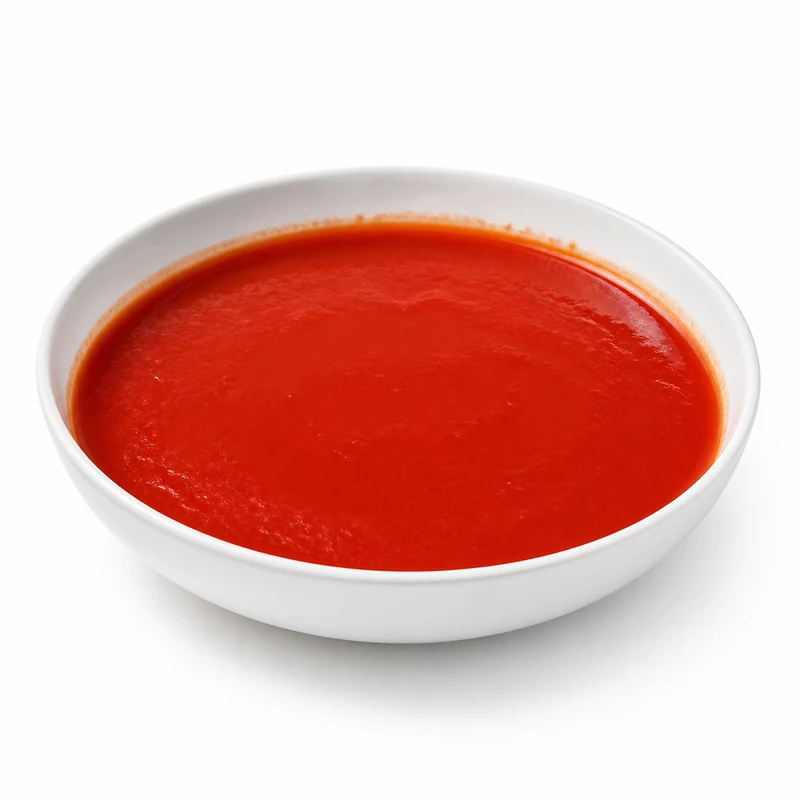
Tomato (Sauce) is a canned food whose sodium, added sugar, and drained state depend on the recipe and packing liquid. It provides potassium and vitamin C.
Nutrition for 100 g
Full nutrient profile
Proximates
Carbohydrates
Minerals
Vitamins and other components
Thickness Has A Number
Tomato sauce is defined as a concentrated product built from tomato liquid, canning residue or reconstituted paste, with salt and spices added. Good consistency is measured, not guessed: the sauce must flow between 4.0 and 12.0 cm in 30 seconds at 20 degrees C in a Bostwick consistometer.
How to choose and store Tomato (Sauce, Canned, Salted)
How to choose
Choose firm, unbruised produce with no soft spots or damage. If buying pre-cut or bagged, pick only packs kept refrigerated or on ice.
Storage
Refrigerate perishable produce at 40°F (4°C) or below, and refrigerate anything pre-cut or packaged. Wash under running water just before eating.
Related foods
View all
Tomato (Puree, Canned)
100 g
Tomato Juice
100 g
Tomato (Roma)
100 g
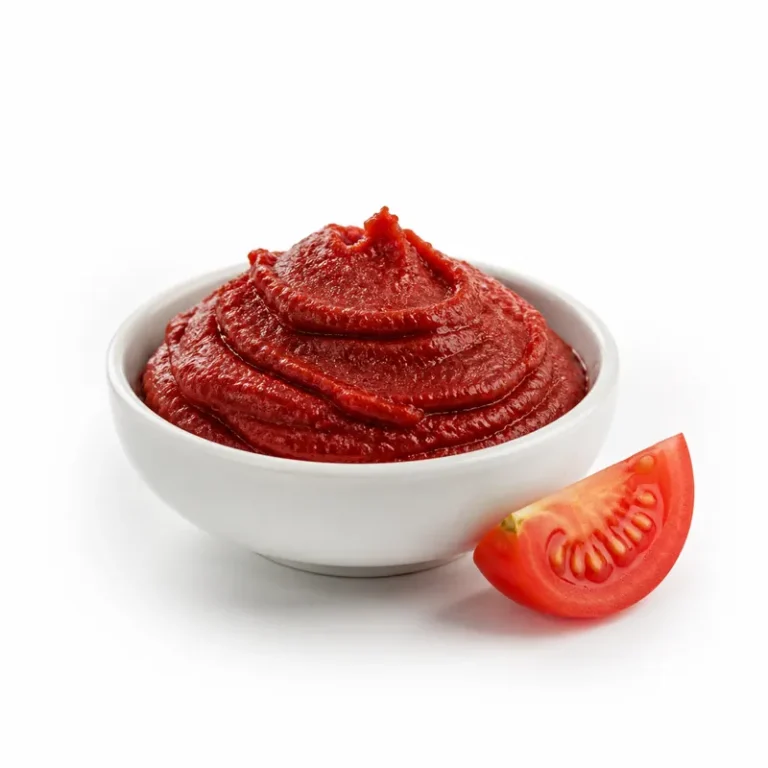
Tomato (Paste, Canned, Unsalted)
100 g
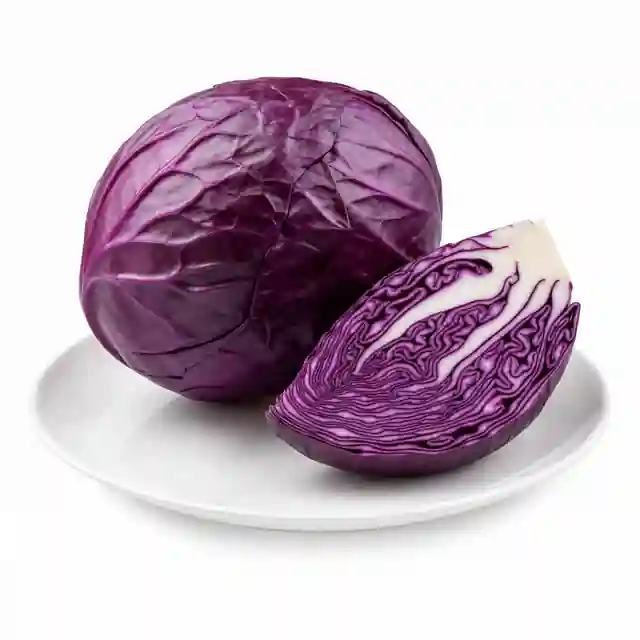
Cabbage (Red)
100 g
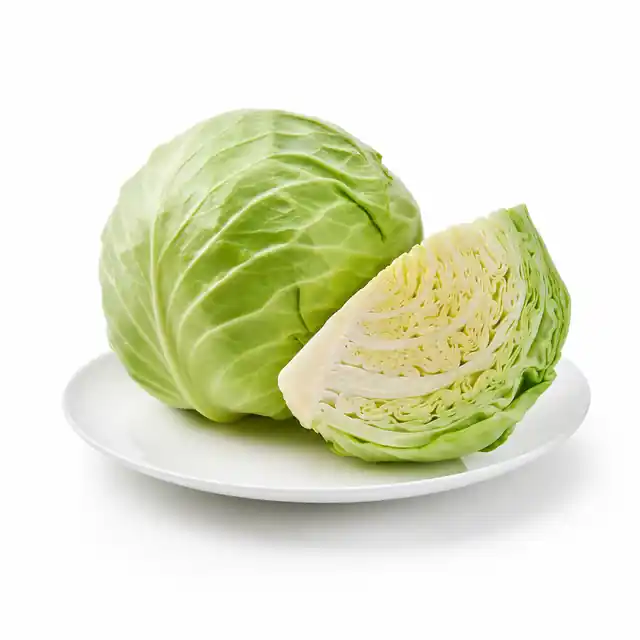
Cabbage (Green)
100 g
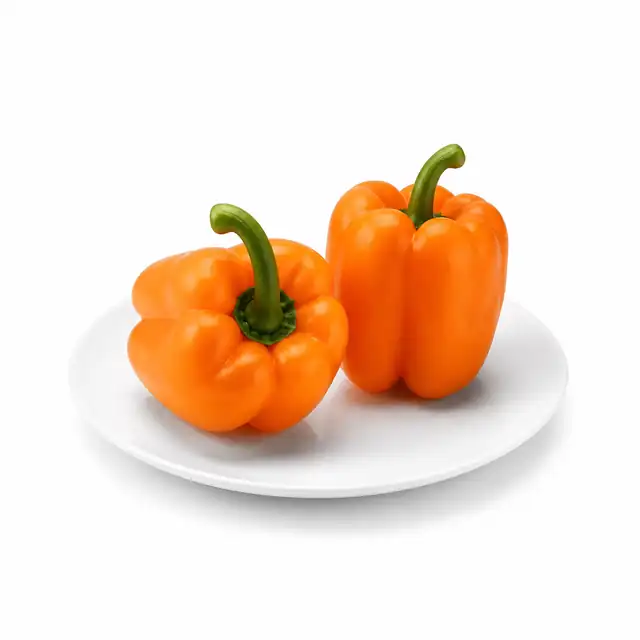
Peppers (Bell, Orange)
100 g
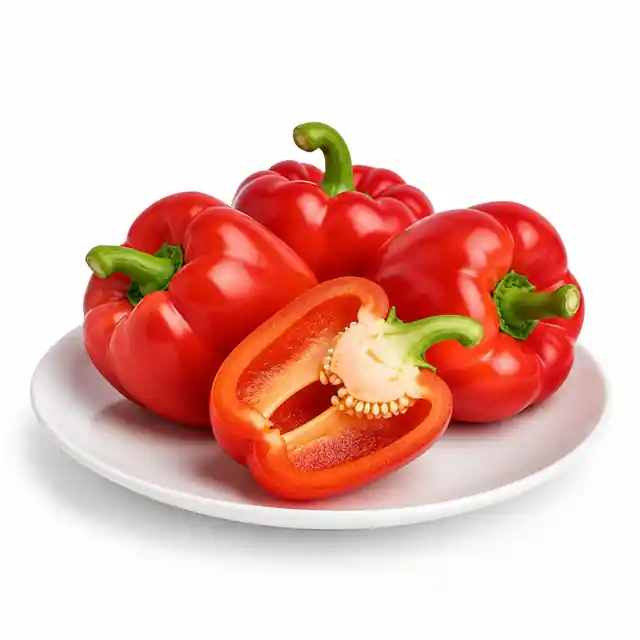
Peppers (Bell, Red)
100 g