Spaghetti Squash vs Acorn Squash
Compared on one consistent basis: per 100 g, from USDA data behind each food page.
Squash (Spaghetti) vs Squash (Winter, Acorn): nutrition per 100 g
| Per 100 g | Squash (Spaghetti) | Squash (Winter, Acorn) |
|---|---|---|
| Calories | 31 kcal | 49 kcal |
| Protein | 0.8 g | 1.3 g |
| Carbohydrate | 6.9 g | 10.5 g |
| Fat | 0.6 g | 0.2 g |
| Fibre | 1.4 g | 2.6 g |
| Allergens | None listed | None listed |
Vitamins and minerals per 100 g
| Nutrient | Squash (Spaghetti) | Squash (Winter, Acorn) |
|---|---|---|
| Calcium, Ca | 16.55 mg | 24.82 mg |
| Copper, Cu | 0.06 mg | 0.09 mg |
| Folate, total | 12.7 ug | 50 ug |
| Iron, Fe | 0.03 mg | 0.31 mg |
| Magnesium, Mg | 13.34 mg | 23.75 mg |
| Manganese, Mn | 0.09 mg | 0.19 mg |
| Phosphorus, P | 16.97 mg | 42.04 mg |
| Potassium, K | 266.9 mg | 332.1 mg |
| Sodium, Na | 0.31 mg | 0 mg |
| Vitamin B-6 | 0.1 mg | 0.15 mg |
| Vitamin C, total ascorbic acid | 5.55 mg | 7 mg |
| Zinc, Zn | 0.1 mg | 0.29 mg |
The meaningful 100 g difference is fiber. Choose Squash (Winter, Acorn) when you want more fiber per 100 g. It also provides more carbohydrates per 100 g. It also provides more folate per 100 g.
Full nutrition facts: Squash (Spaghetti) · Squash (Winter, Acorn)
Bottom line
Per 100 g, Squash (Spaghetti) provides 31 kcal, 0.8 g protein and 6.9 g carbohydrate; Squash (Winter, Acorn) provides 49 kcal, 1.3 g protein and 10.5 g carbohydrate.
That is a difference of 18 kcal per 100 g — small next to what the cooking method adds.
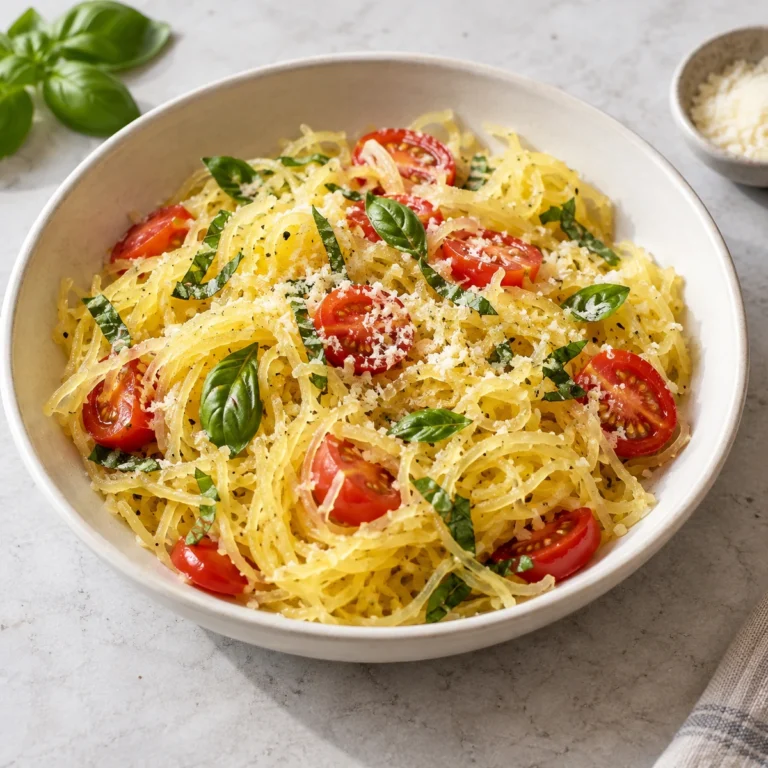
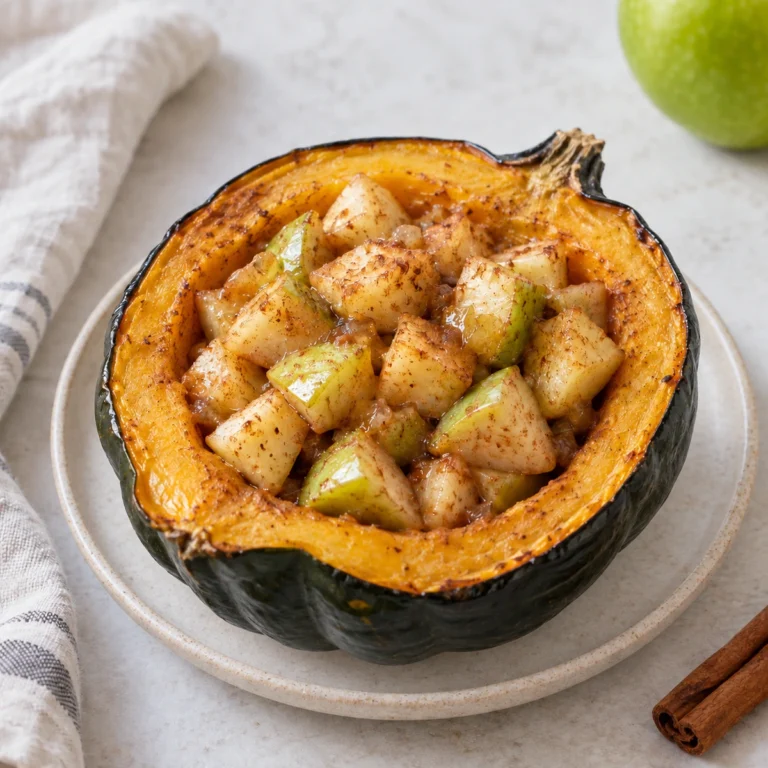
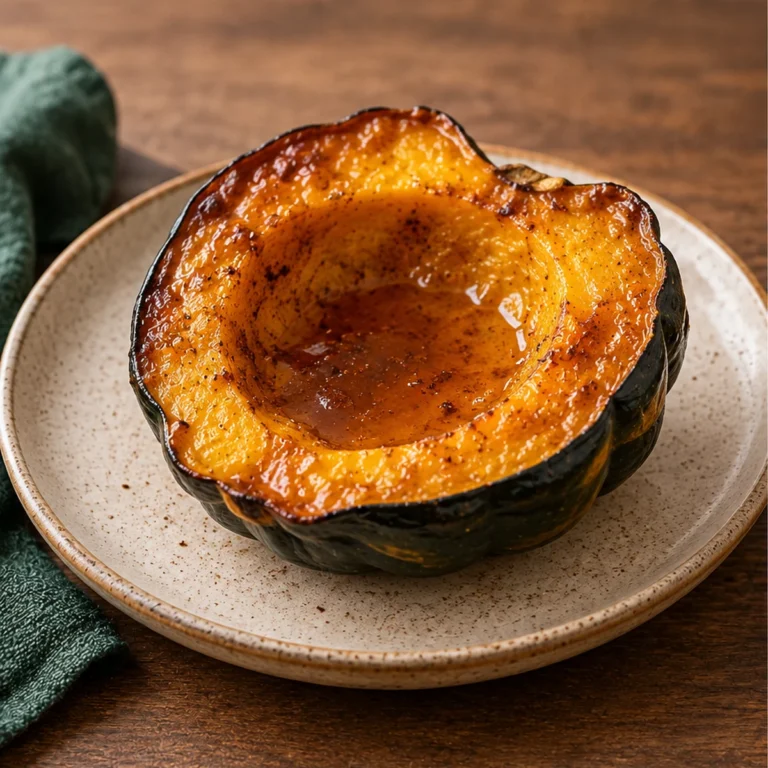
Spaghetti squash is the lighter of the two and shreds into strands, which is the entire point of cooking it. Acorn squash stays in wedges, is sweeter and denser, and roasts rather than shreds. They are not substitutes for each other in any recipe.
In short: spaghetti squash is the lighter option per 100 g, but with vegetables the choice is usually about texture and how they cook, not calories.
Want a different pair? Use the food comparison tool to compare any two foods from the same category.
Values are per 100 g from the USDA FoodData Central records behind each food page and are rounded; brands and preparation change the numbers. This comparison is educational, not medical advice.