

If you’ve ever wondered how your daily step count translates into energy burned, a pedometer steps to calories converter helps you estimate the energy cost of walking. It won’t give a perfect measurement, but it can show whether your activity level aligns with your nutrition and weight management goals.
Why converting pedometer steps to calories matters for weight management
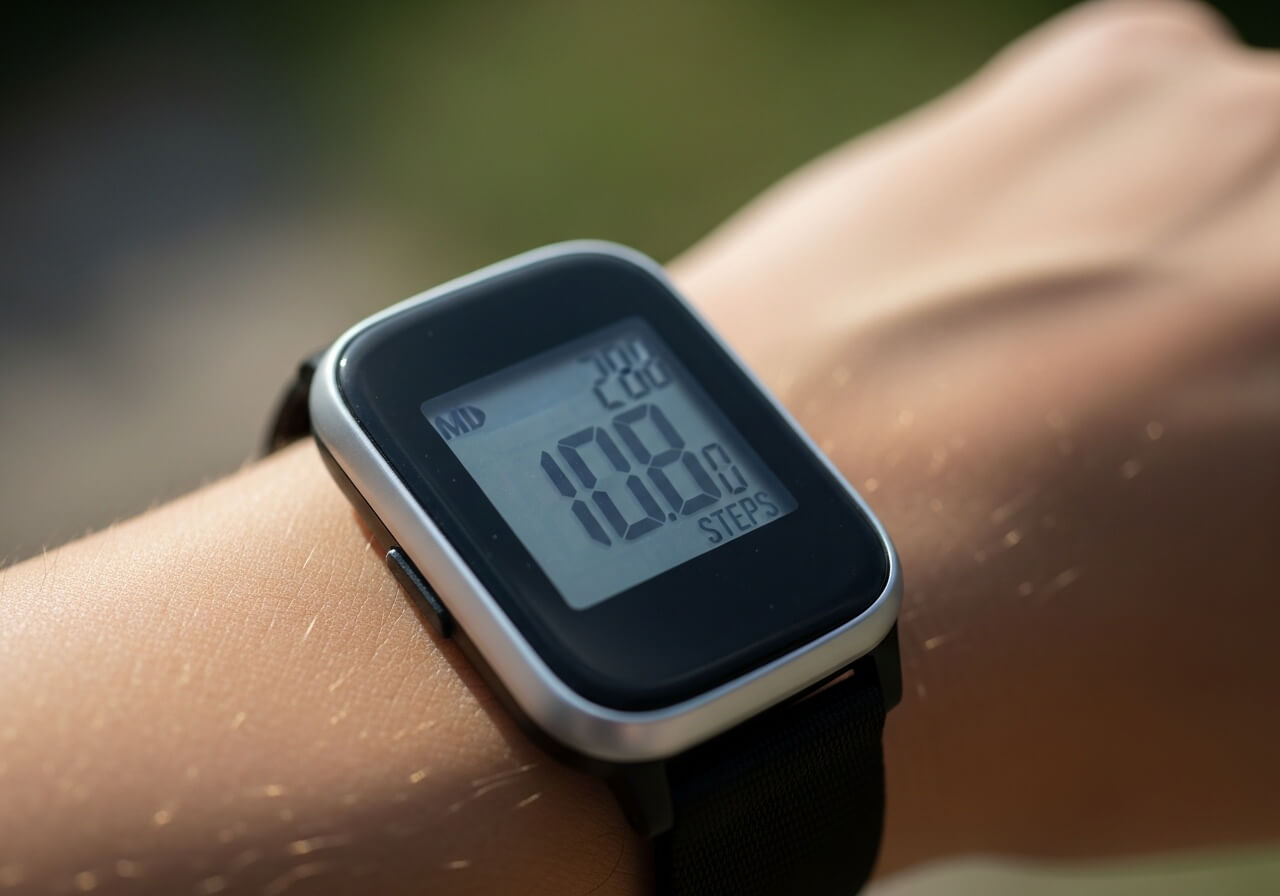
A step count calorie calculator translates movement data into something more concrete for meal planning. Your step count reflects distance covered, and when you factor in your weight and walking speed, you get a rough picture of energy expenditure. A heavier person burns more calories moving the same distance because more mass requires more work. Walking pace also matters—brisk walking at 6 km/h demands more effort per step than a leisurely 3 km/h stroll.
However, a basic converter that uses only steps, weight, and stride length misses important variables. Walking uphill or on uneven terrain increases energy demand even when step count stays constant. Carrying a backpack, pushing a stroller, or wearing heavy shoes changes the load. Individual walking efficiency varies too—some people naturally waste less energy with each stride, while others have a less economical gait that costs more calories.
Using the pedometer steps to calories converter correctly
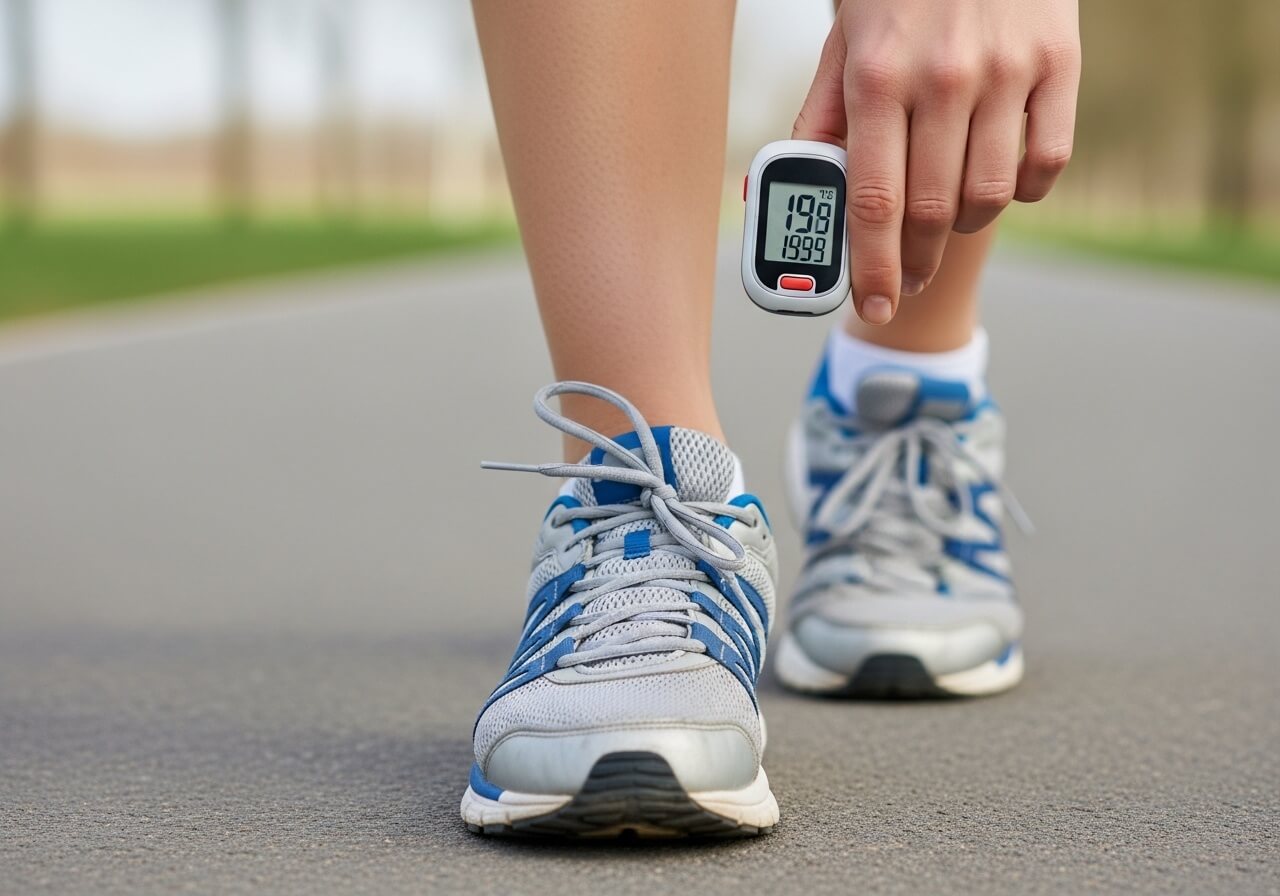
Step-by-step guide to your step count calorie calculator inputs
To get a sensible estimate when you convert steps to calories, gather three inputs:
- Body weight in kilograms. Use a scale rather than guessing.
- Average stride length. Measure the distance of ten normal steps, divide by ten, and record the result in meters. If measuring isn’t practical, a rule of thumb is 0.415 × your height in meters (roughly 0.6 m for a 1.55 m person, 0.78 m for someone 1.80 m tall).
- Walking speed or pace. Time yourself over a known distance, such as 1 km, or use the speed display on your tracker.
Most step-to-calorie estimates use a MET-based formula, where a MET is the unit CDC defines as the energy used sitting quietly: calories burned = MET × weight (kg) × time (hours). The MET value for walking depends on pace—around 3.5 METs for moderate walking at 5 km/h. Enter your weight, stride length or height, steps, and pace, and the calculator does the rest.
Worked example: converting 8,000 steps for real-world context
Consider Alex, who weighs 78 kg, is 1.72 m tall, and walks at 5 km/h. Estimated stride length: 0.415 × 1.72 ≈ 0.71 m. Distance: 8,000 steps × 0.71 m ≈ 5.68 km. At 5 km/h, that takes about 0.71 hours (42 minutes). Using a MET value of 3.8 for brisk walking: 3.8 × 78 × 0.71 ≈ 210 kcal.
If Alex slows down to 3.5 km/h (MET ≈ 2.8), the same 8,000 steps yield roughly 155 kcal. This shows how pace can shift the estimate by tens of calories for identical step counts.
Accuracy limits of any step count calorie calculator
Your activity tracker calorie estimate provides a ballpark figure, typically within ±20% of true energy cost for steady walking on flat ground. Accuracy drops when conditions change.
Trackers usually assume a flat surface and steady pace. Hills require more vertical work per step, but the device may undercount calories. Frequent pauses—tying shoes, stopping to chat—can confuse the algorithm, inflating time spent “active” even when you’re standing still. Short, irregular walks around the house also challenge the algorithm because stride length varies when you’re turning or navigating furniture.
Personal factors add uncertainty. Walking calorie burn changes with fatigue; as you tire, your stride may shorten and energy cost per step may rise. Carrying extra weight—a backpack, a child, shopping bags—adds load that step-based formulas don’t capture unless you manually adjust your weight input. Device placement matters too: a tracker worn loosely on the wrist may miscount steps during activities where arm movement doesn’t match leg motion, such as pushing a wheelchair or using trekking poles.
For activities beyond steady walking—running, hiking with elevation gain, or stair climbing—step-based converters become less reliable. Running changes stride length dramatically with speed, and a heart-rate-based estimate or pace-and-distance calculator may work better.
FAQ
How accurate is the pedometer steps to calories conversion?
It offers a useful approximation, generally within ±20% of actual energy cost for steady walking on level ground. Accuracy decreases when you vary speed, carry loads, or walk on slopes.
What’s the best method to convert steps to calories?
Use a calculator that asks for weight, stride length (or height), and walking pace, then applies a MET-based equation. This captures the main factors affecting energy use better than a simple “steps × constant” rule.
Why does my activity tracker calorie estimate vary day to day?
Daily variation comes from changes in walking speed, terrain, pause frequency, and device fit. Two days with the same step count can differ in intensity, producing different calorie outputs.
Can I use this for running or other activities beyond walking?
The same principle applies, but you need the correct MET value for the activity. For running, stride length varies more with speed, so a pace-and-weight calculator or heart-rate estimate is often more reliable.
Conclusion
A pedometer steps to calories converter helps translate daily steps into an energy-burn estimate for meal planning and weight management. Treat the number as an approximation best used for spotting trends rather than exact accounting. Use it as a guide, adjust portions based on how you feel, and keep walking at a pace that feels both challenging and sustainable.
This content is for educational purposes only and is not medical advice. Always consult a qualified healthcare professional for personalised guidance.