What Gives Avocados Their Unique Calorie Profile
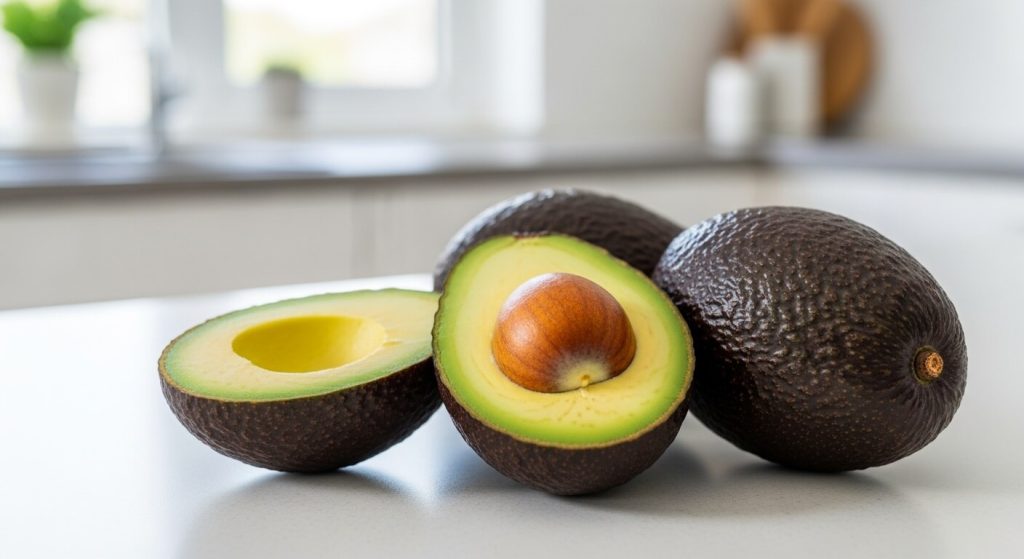
Avocados stand out among fruits because they’re rich in fat rather than sugar. While most fruits get their calories from carbohydrates, avocados are loaded with monounsaturated and polyunsaturated fats, which pack more than twice the calories per gram compared to carbs or protein. That’s why a medium avocado has similar calorie content to a full meal component, not just a side fruit.The Role of Healthy Fats in Avocado Calorie Density
Fat provides 9 calories per gram, while carbohydrates and protein offer 4 calories per gram. Since avocados contain about 15 grams of fat per 100 grams of fruit, their calorie density is notably higher than most produce. These are primarily unsaturated fats, which support heart health, but they still contribute meaningfully to your daily calorie total. “Healthy” doesn’t mean low-calorie—it means the fat type may offer benefits when part of a balanced diet.Comparing Avocado Calorie Count to Other Fruit Servings
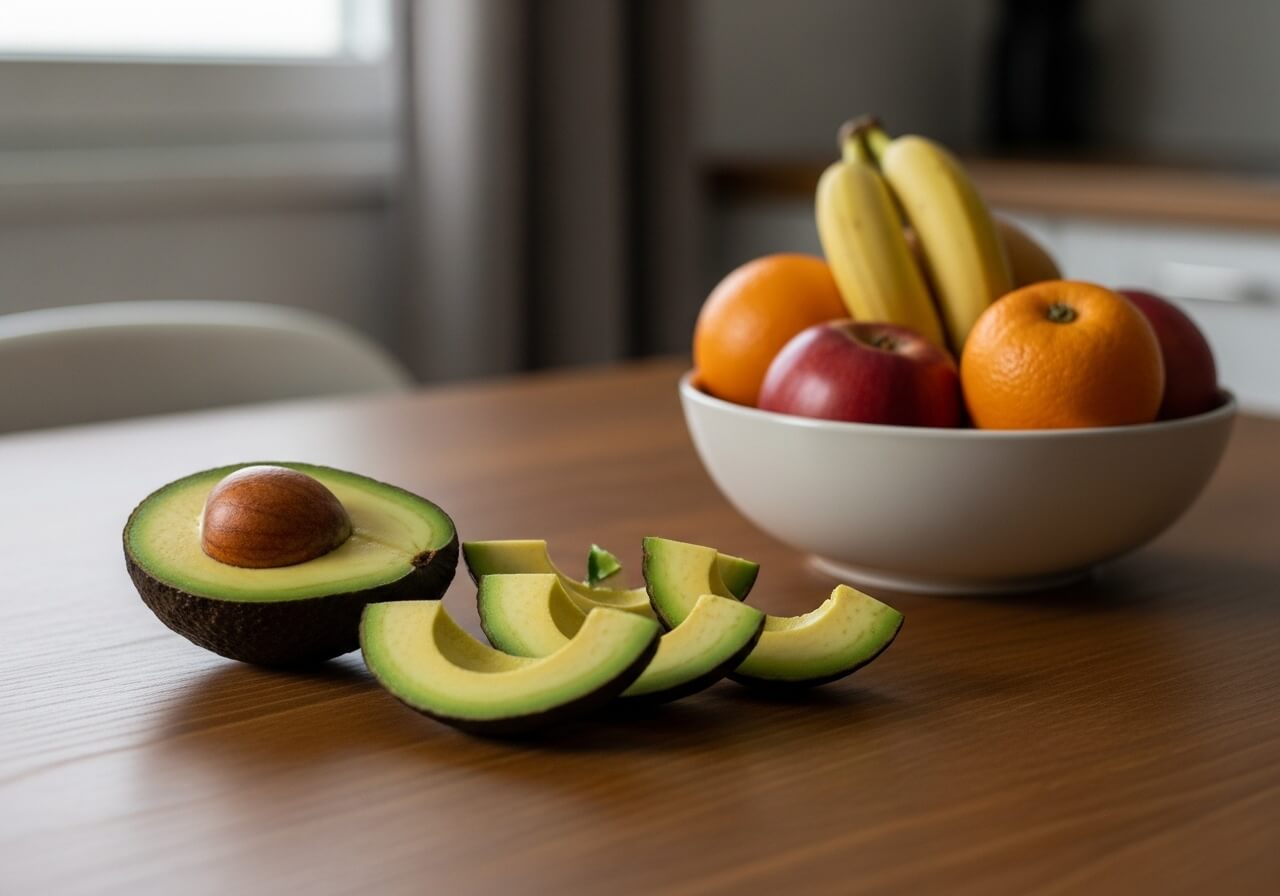
Consider that a medium apple has about 95 calories, a banana around 105, and a cup of strawberries roughly 50. A whole medium avocado, at 240–250 calories, delivers more than double what you’d get from most other whole fruits. That comparison matters when you’re building meals or snacks around specific calorie targets. Avocados fit better alongside protein or greens than as a casual fruit snack if you’re watching intake closely.How to Measure and Use Avocado Serving Size Calories
Estimating Avocado Nutrition Facts Without Weighing Each Time
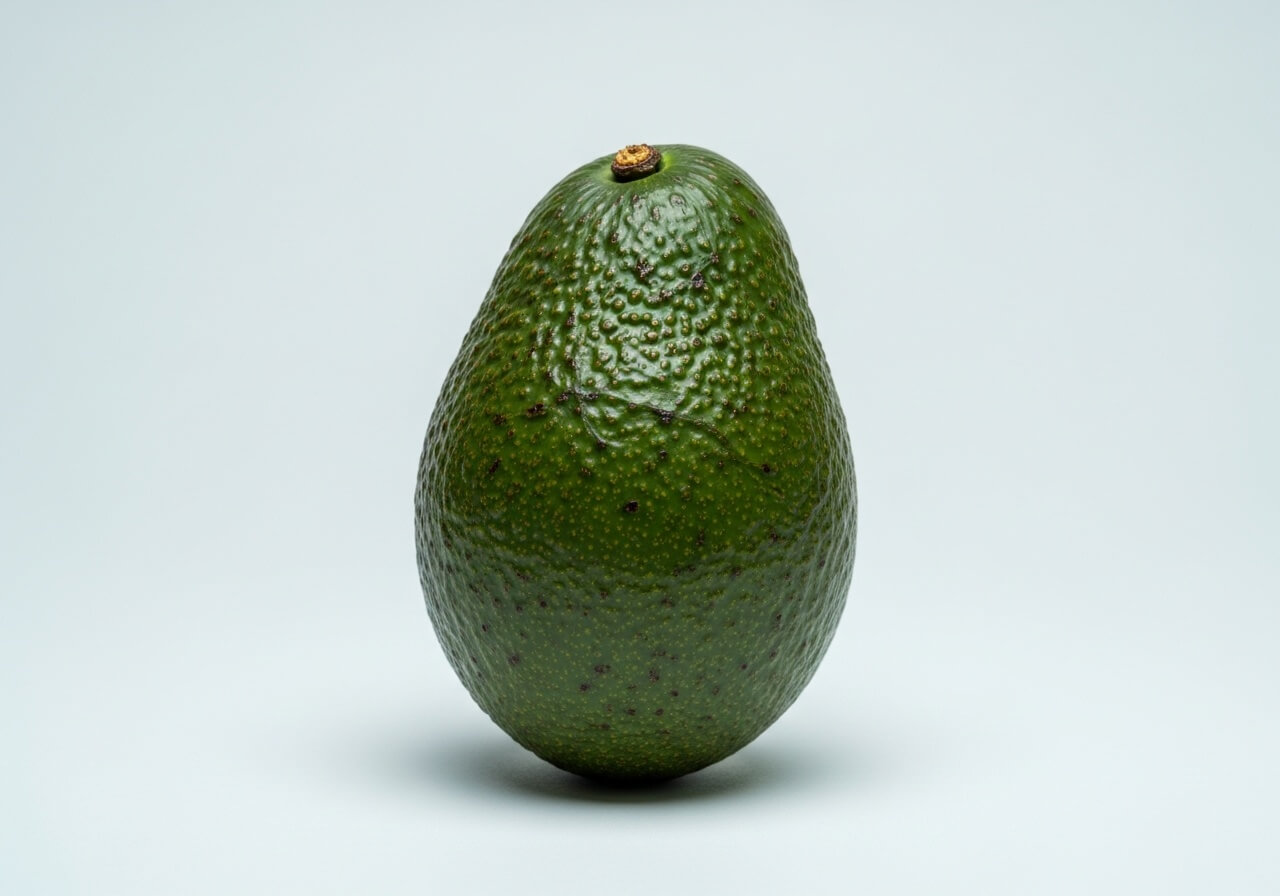
Not everyone wants to pull out a food scale for every meal. You can estimate reasonably well using visual cues: a quarter of a medium avocado is about two tablespoons when mashed, which equals roughly 60 calories. Half an avocado sliced onto toast or into a salad gives you a moderate portion that fits into many meal plans without crowding out other foods. If you’re eating avocado daily, getting familiar with these visual portions can make tracking simpler and more sustainable over time.Using Avocado Calories to Balance Meals and Snacks
Avocado works well as a fat source that replaces other calorie-dense ingredients rather than sitting on top of them. If you add half an avocado to a salad, you might skip the cheese or use less dressing. On toast, avocado can stand in for butter or mayo. This swap approach keeps the meal satisfying while managing total calories. When you’re building a bowl or wrap, treat avocado as the primary fat rather than an accessory to prevent calorie creep.When Avocado Portions Quietly Increase Your Total Calories
Portion Distortion With Medium vs Large Avocados
Size variation matters more than you might think. A small avocado might weigh 130 grams and contain around 200 calories, while a large one can reach 220 grams and nearly 350 calories. If you’re used to eating “one avocado” without considering size, you could be getting 75% more calories than you realize. Hass avocados tend to be smaller and more consistent, while other varieties can be significantly larger. When tracking intake, weight or visual portion size gives you more accuracy than counting whole fruits.Added Ingredients That Multiply Avocado Calorie Content
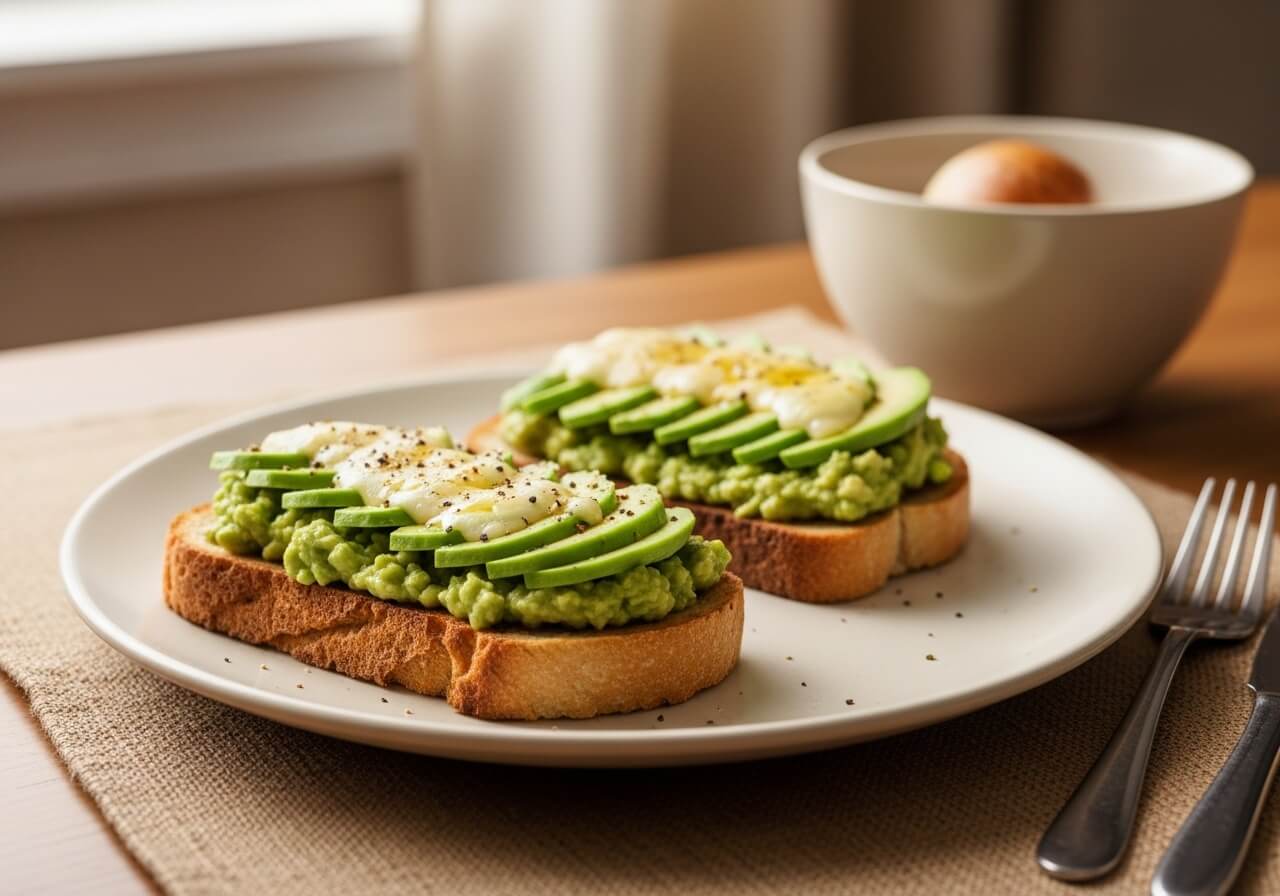
Avocado rarely shows up alone. Guacamole might include sour cream, lime juice, and salt, but the calorie impact comes from what you dip into it—chips, crackers, or bread can double or triple the total. Avocado toast often gets topped with olive oil, cheese, or eggs, turning a 250-calorie base into a 500-calorie meal. These additions aren’t inherently problematic, but they do shift the calorie equation significantly. If you’re surprised by slow progress toward weight goals despite “just eating healthy foods,” these extras may be the missing piece.FAQ
How Many Calories Are in Half an Avocado?
Half of a medium avocado contains approximately 120–125 calories. This portion provides about 7.5 grams of fat, 6 grams of carbohydrates, and 2 grams of protein, along with nearly 5 grams of fiber. It’s a common serving size that fits comfortably into most meals without overwhelming your calorie budget.Does Cooking Avocados Change Their Calorie Count?
Cooking avocados doesn’t change their calorie content, but it can alter texture and nutrient availability. Heat may reduce some heat-sensitive vitamins slightly, though the fat and calorie content remain the same. Grilling, baking, or warming avocado in a dish won’t add calories unless you introduce oil, butter, or other ingredients during the cooking process.Can I Eat Avocado Daily Without Gaining Weight?
Daily avocado consumption can fit into a weight-neutral or even weight-loss plan if it replaces other calorie sources rather than adding to them. If your overall calorie intake stays within your energy needs, eating avocado regularly won’t cause weight gain on its own. However, if you add avocado on top of an already calorie-sufficient diet without adjusting other portions, the extra 250 calories per day could lead to gradual weight increase over time. Context and total intake matter more than any single food.Conclusion
Small adjustments to portion size give you flexibility without sacrificing the flavor and nutrition that make avocados worth including regularly.This content is for educational purposes only and is not medical advice. Always consult a qualified healthcare professional for personalised guidance.