
Rhubarb Nutrition Facts
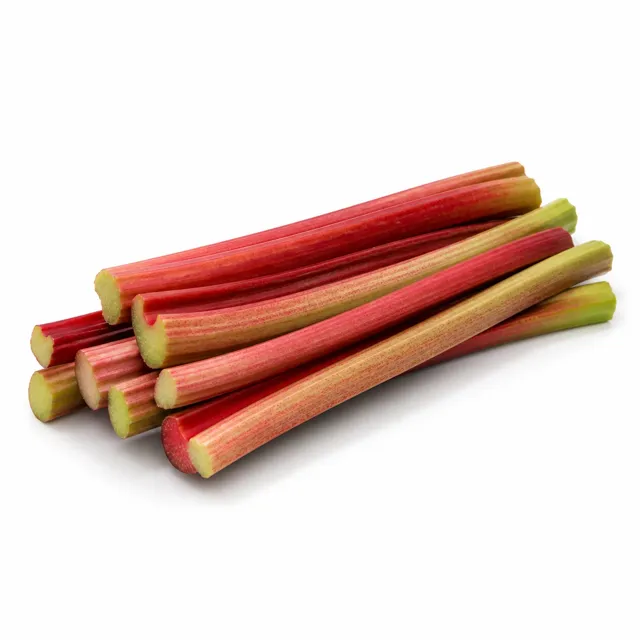
Rhubarb is a fruit whose variety, ripeness, edible portion, and preparation state affect its composition. It provides potassium.
Calories21
Protein0.9 g
Carbs4.5 g
Fat0.2 g
ProteinCarbsFat
Nutrition for 100 g
Calories21 kcal
Protein0.9 g
Total Fat0.2 g
Carbohydrates4.5 g
Fiber1.4 g
Sodium0 mg
Total Sugars0.6351 g
Full nutrient profile
Proximates
Water94.58 g
Ash0.5 g
Carbohydrates
Fiber, total dietary1.428 g
Sugars, Total0.6351 g
Sucrose0 g
Glucose0.3263 g
Fructose0.3088 g
Lactose0 g
Maltose0 g
Minerals
Calcium, Ca32.93 mg
Iron, Fe0 mg
Magnesium, Mg12.7 mg
Phosphorus, P24.93 mg
Potassium, K265.3 mg
Sodium, Na0 mg
Zinc, Zn0.1767 mg
Copper, Cu0.02733 mg
Manganese, Mn0.102 mg
Vitamins and other components
Vitamin C, total ascorbic acid6.931 mg
Thiamin0.02463 mg
Riboflavin0.1425 mg
Niacin0.2256 mg
Vitamin B-60.04488 mg
The Acid That Binds Calcium
Rhubarb is one of the foods NIH lists as high in oxalic acid. Oxalic acid forms indigestible salts with calcium, so calcium in a high-oxalate food is less available to the body than the number on a table suggests.
How to choose and store Rhubarb
How to choose
Choose firm, unbruised produce with no soft spots or damage. If buying pre-cut or bagged, pick only packs kept refrigerated or on ice.
Storage
Refrigerate perishable produce at 40°F (4°C) or below, and refrigerate anything pre-cut or packaged. Wash under running water just before eating.
Related foods
View all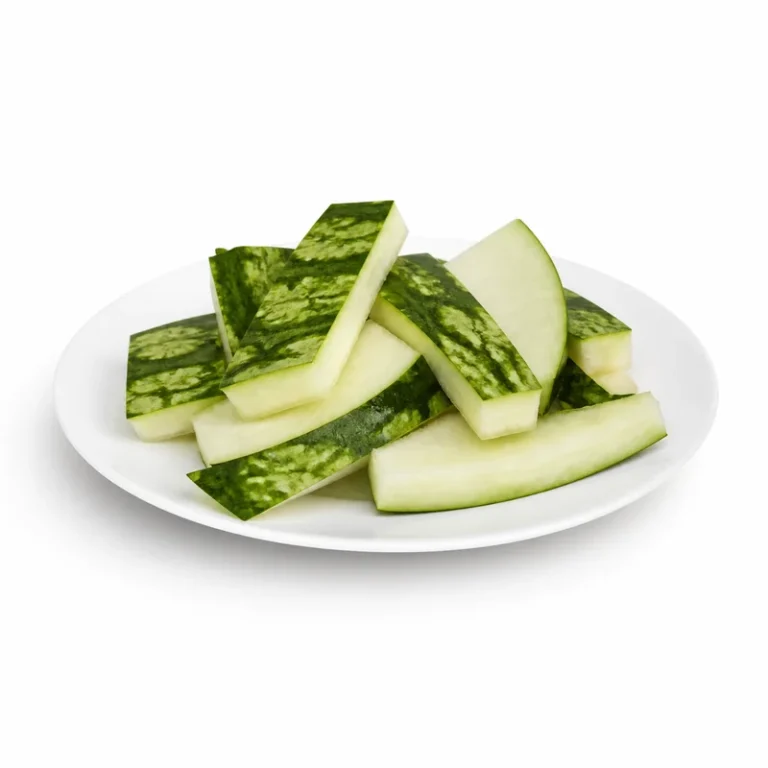
Fruits
19 kcalWatermelon (Seedless, Rind Only)
100 g
P 0.5gC 4.2gF 0.1g
Fruits
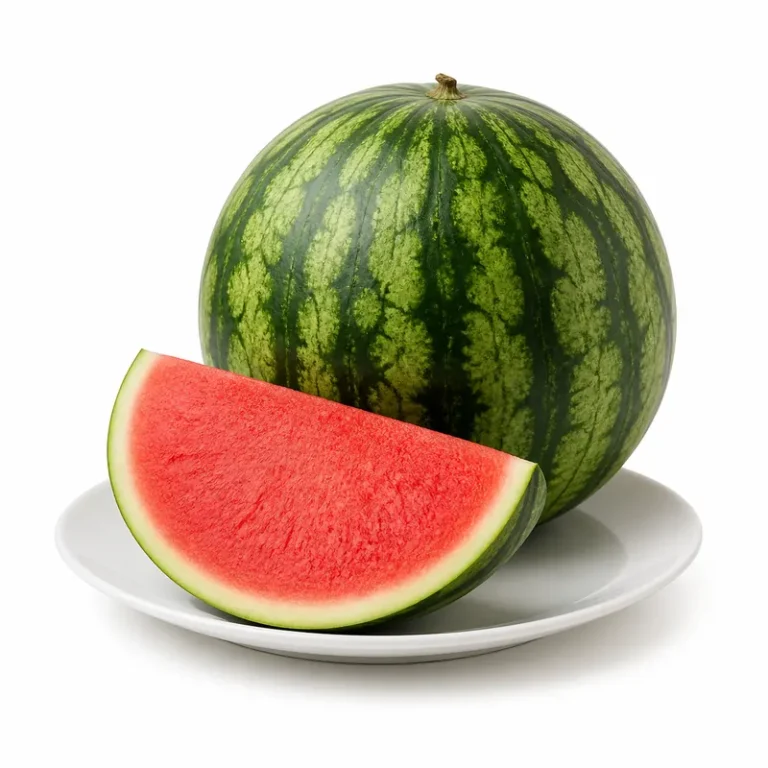
30 kcalWatermelon (Seedless)
100 g
P 0.9gC 7.6gF 0.2g
Fruits
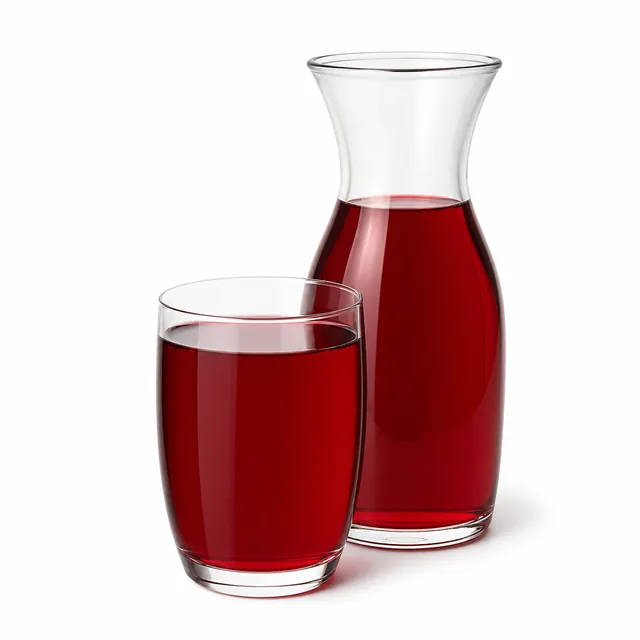
32 kcalCranberry Juice
100 g
P 0gC 7.3gF 0.3g
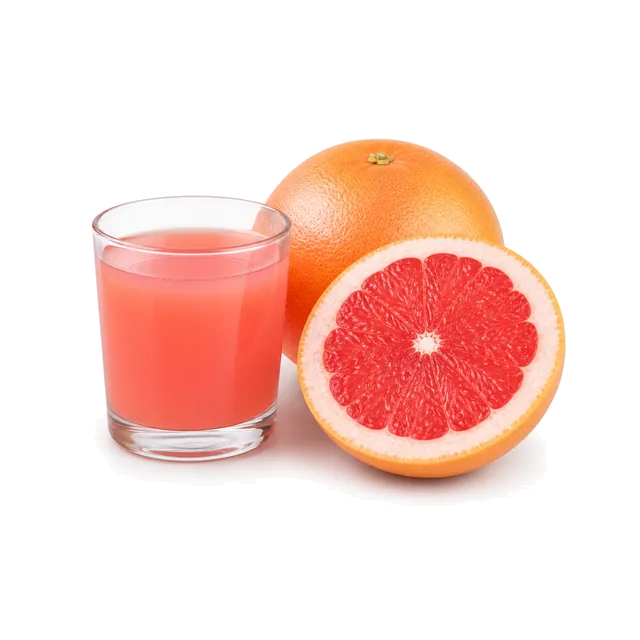
Fruits
37 kcalGrapefruit Juice (White, Canned, Unsweetened)
100 g
P 0.6gC 7.6gF 0.7g
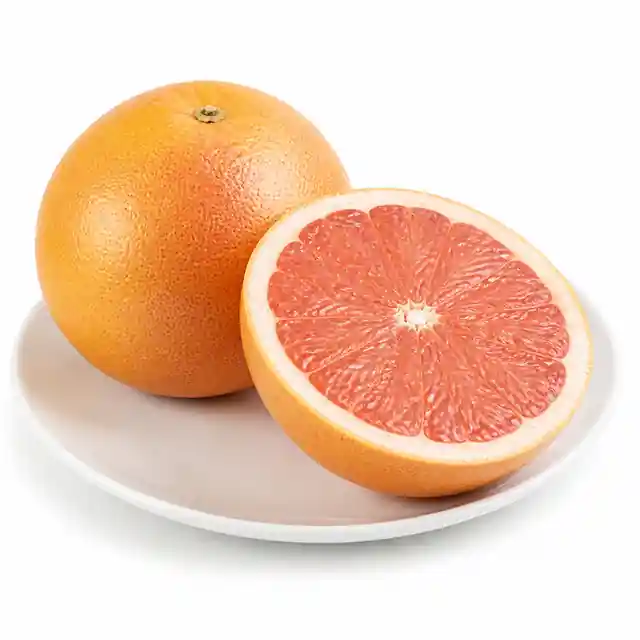
Fruits
32 kcalGrapefruit
100 g
P 0.6gC 8.1gF 0.1g
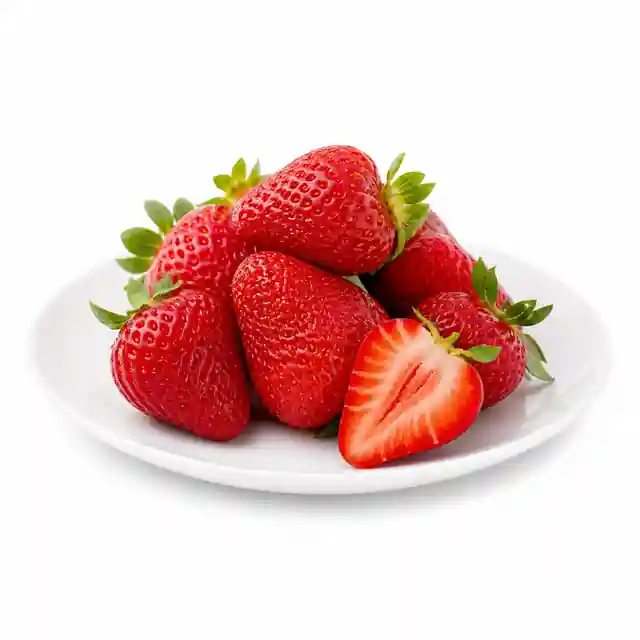
Fruits
36 kcalStrawberries
100 g
P 0.6gC 8gF 0.2g
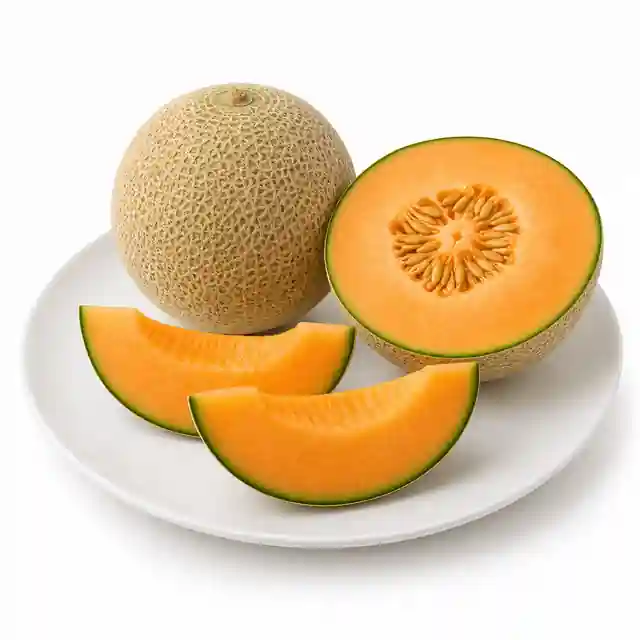
Fruits
34 kcalCantaloupe (Raw)
100 g
P 0.8gC 8.2gF 0.2g
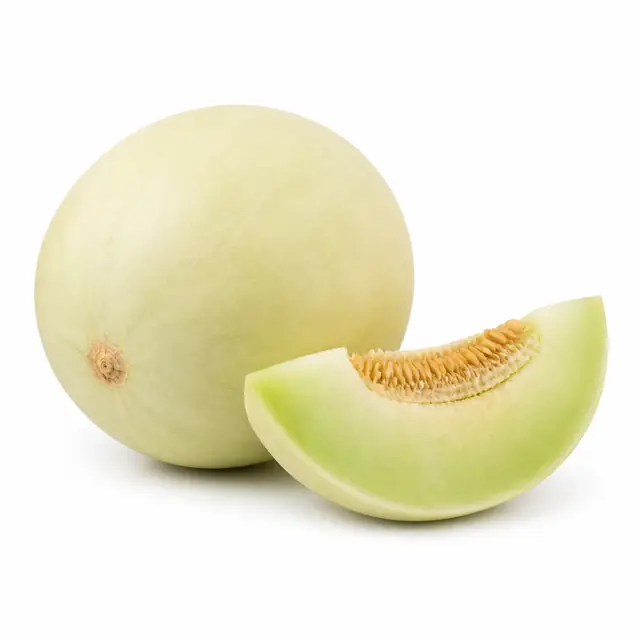
Fruits
37 kcalMelons (Honeydew)
100 g
P 0.5gC 8.1gF 0.2g
Put the numbers to work
View all