
Flaxseed Nutrition Facts
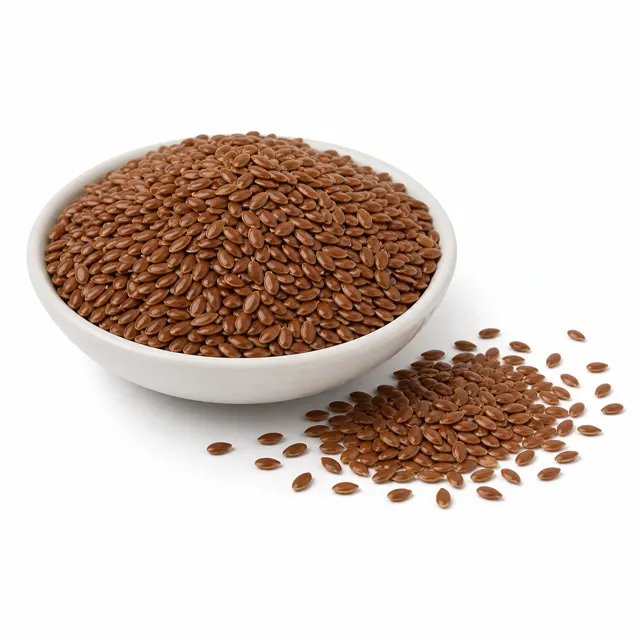
Flaxseed is a nut or seed food whose intact, roasted, ground, or butter form changes texture and nutrient accessibility. It provides protein, dietary fiber, monounsaturated fat, and polyunsaturated fat.
Nutrition for 100 g
Full nutrient profile
Proximates
Carbohydrates
Minerals
Vitamins and other components
Lipids
Amino acids
Other bioactive components
Grind It or Lose It
The hard outer coat of a flaxseed largely survives the digestive tract, so whole seeds can pass through with their nutrients still inside. That is why flax is commonly crushed, dehulled or ground before use.
Source: NIH PubMed Central
How to choose and store Flaxseed
How to choose
Choose nuts and seeds that look and smell fresh, in well-sealed packaging, with no rancid or off smell.
Storage
Store in a cool, dry place in a sealed container; follow the date on the package. After opening, reseal tightly; refrigerating or freezing can extend freshness. Follow the package date.
Related foods
View all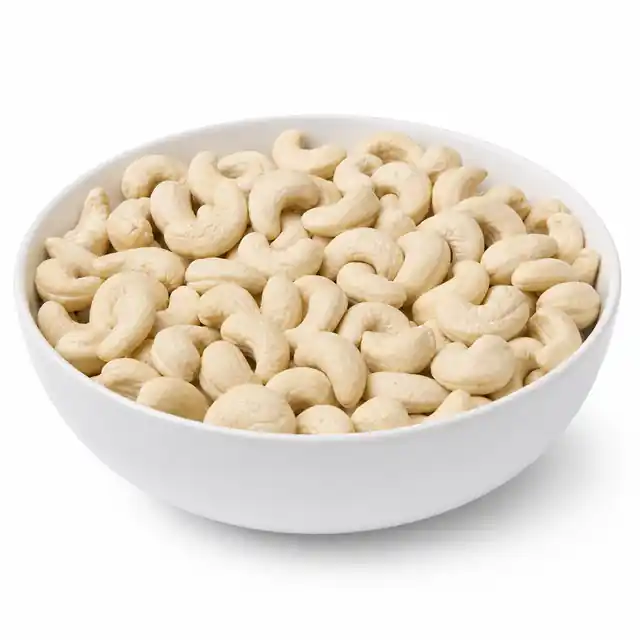
Cashew Nuts
100 g
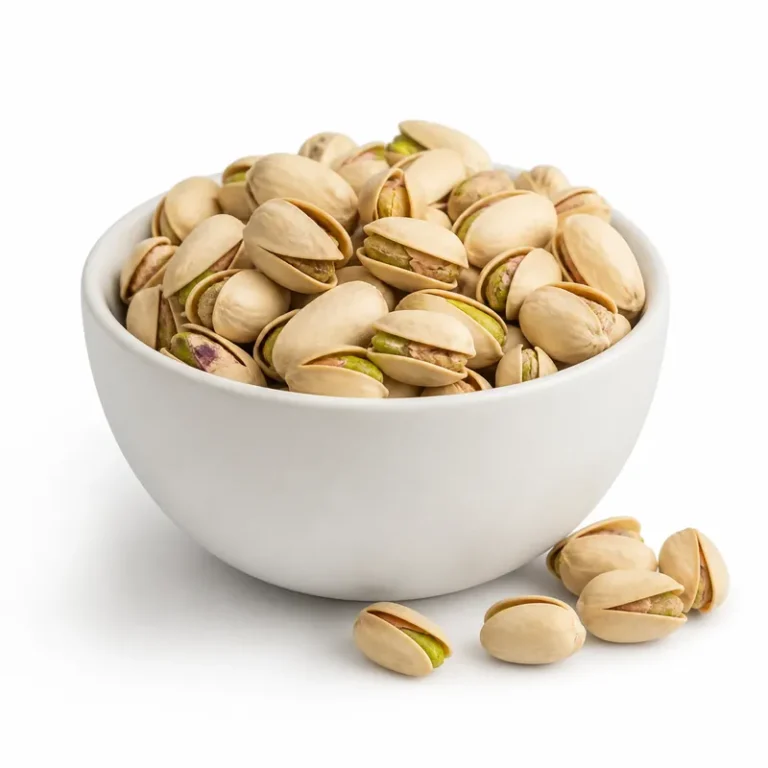
Pistachio Nuts
100 g
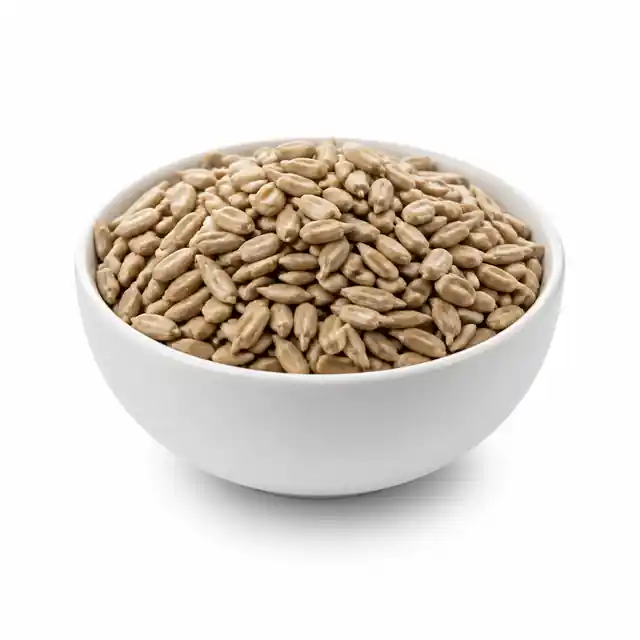
Sunflower Seed
100 g
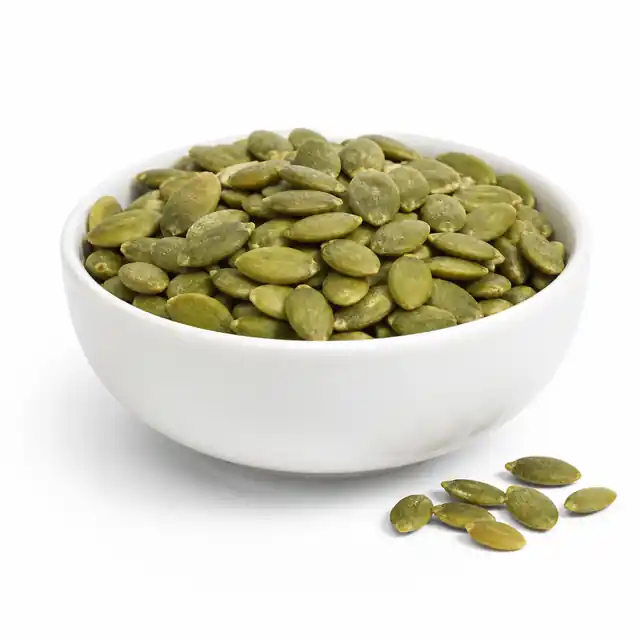
Pumpkin Seeds (Pepitas)
100 g
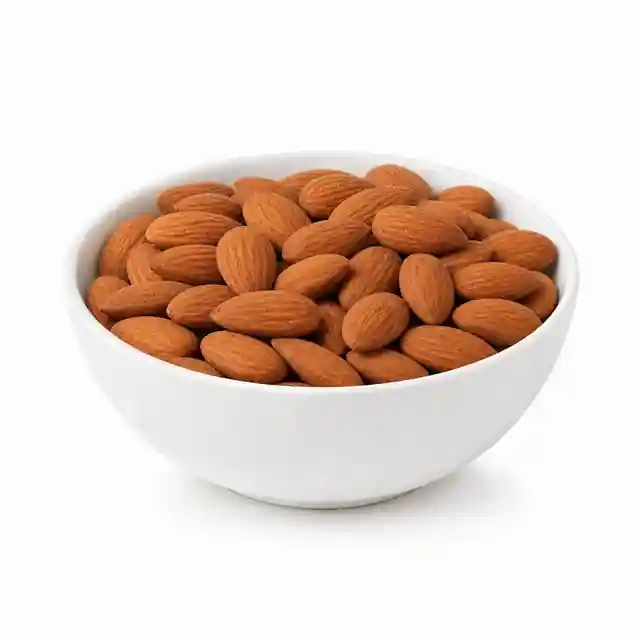
Almonds (Dry Roasted, Unsalted)
100 g
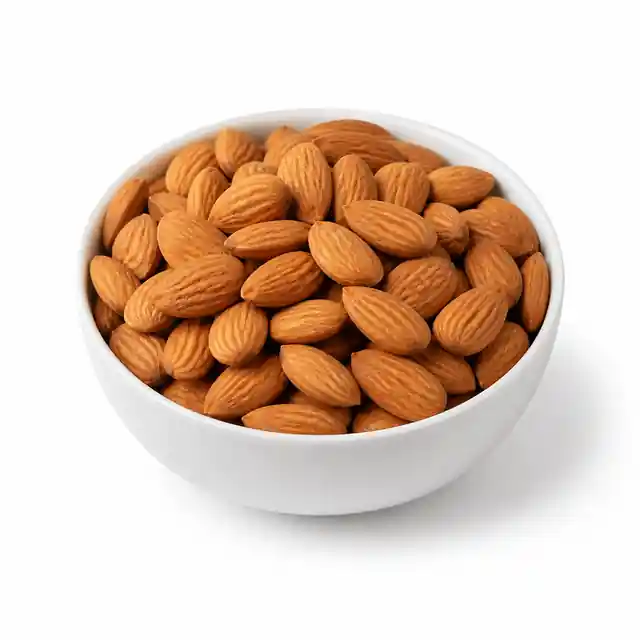
Almonds (Raw, Unsalted)
100 g
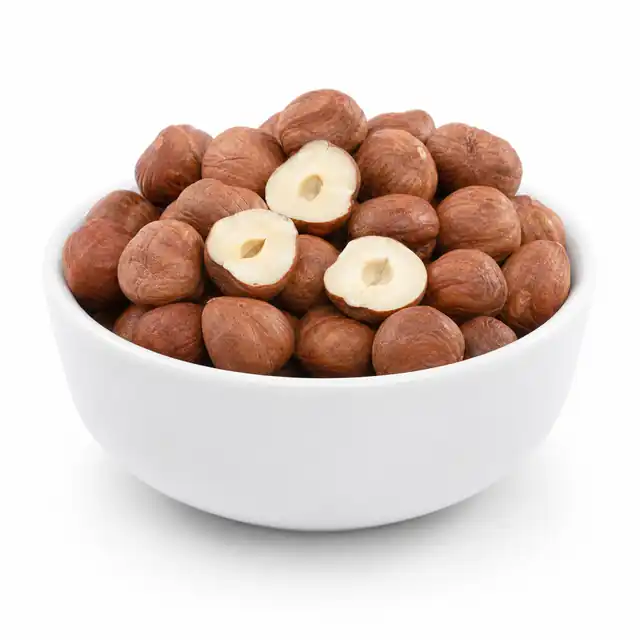
Hazelnuts Or Filberts
100 g
Almond Butter
100 g