
Egg (Whole, Dried) Nutrition Facts
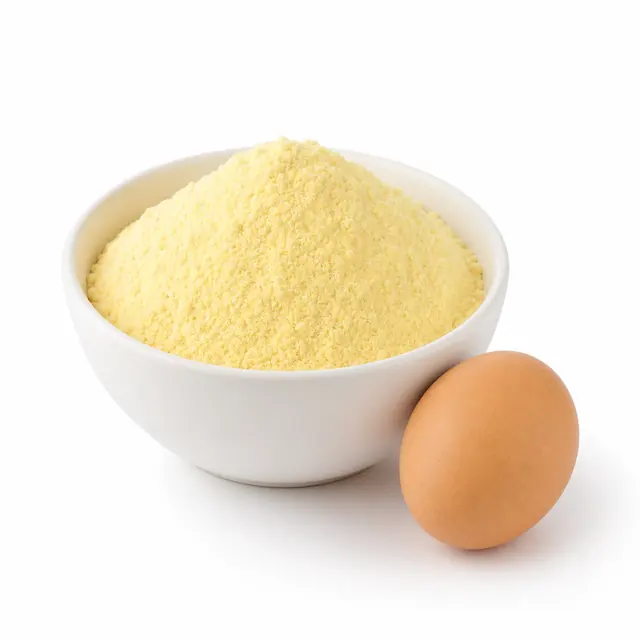
Egg (Whole, Dried) is a dried food with much of its original water removed, which concentrates its flavor and nutrients. It provides protein, monounsaturated fat, polyunsaturated fat, and potassium.
Nutrition for 100 g
Full nutrient profile
Proximates
Carbohydrates
Minerals
Vitamins and other components
Lipids
Amino acids
Other bioactive components
Ninety-Five Percent Solids
Drying strips a whole egg from roughly two-thirds water down to almost none: the federal standard for dried whole eggs requires not less than 95 percent total egg solids by weight, so every nutrient in the fresh egg is concentrated into what is left.
More about allergens
Contains Egg as an intrinsic ingredient. Cross-contact is still possible in packaged products made on shared equipment. Check the actual package and manufacturer warning.
How to choose and store Egg (Whole, Dried)
How to choose
Choose sealed, dry egg powder within the date on the label, with no clumping or moisture.
Storage
Store unopened in a cool, dry place; follow the date on the label. After opening, reseal and keep dry; refrigerate for longer quality and follow the package date.
Related foods
View all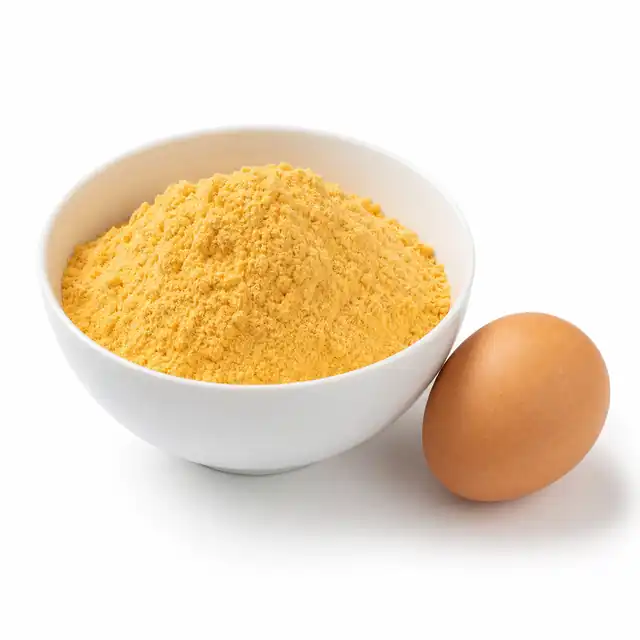
Egg (Yolk, Dried)
100 g
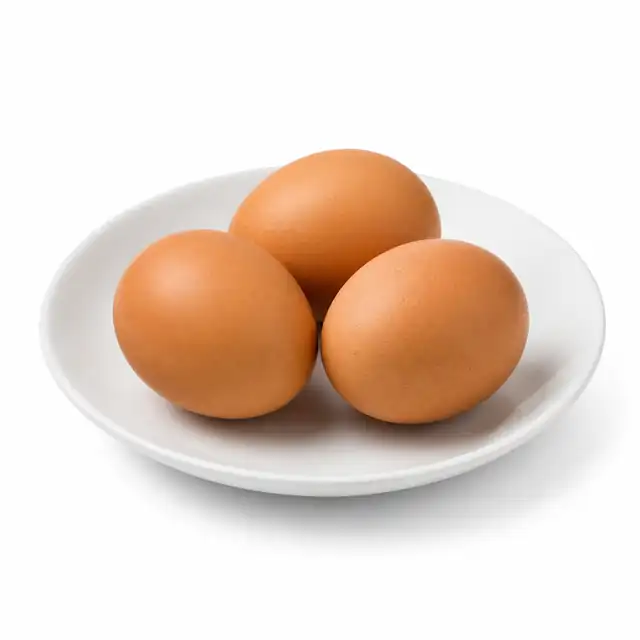
Egg (Grade A, Large)
100 g
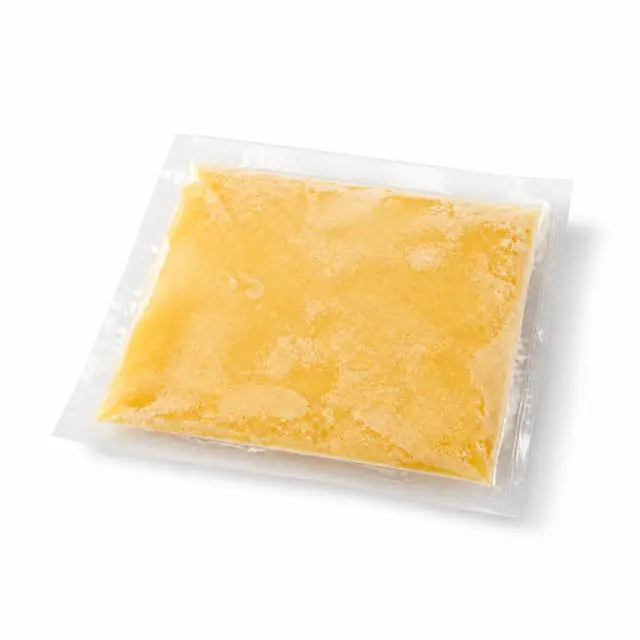
Egg (Yolk, Raw)
100 g
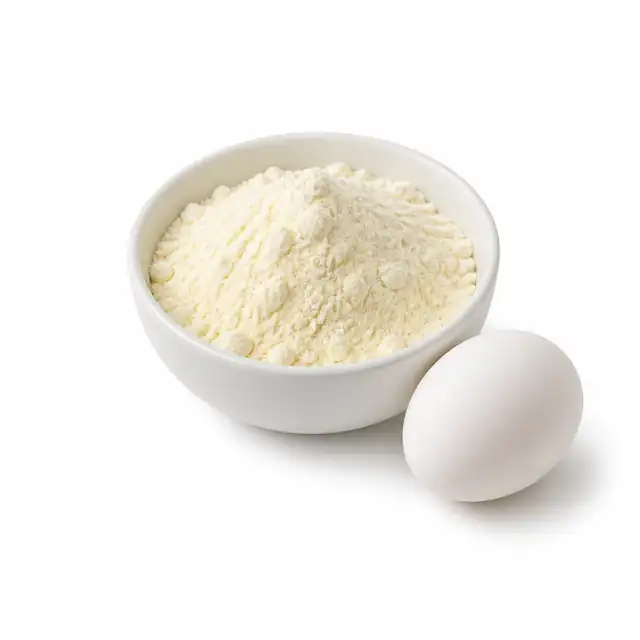
Egg (White, Dried)
100 g
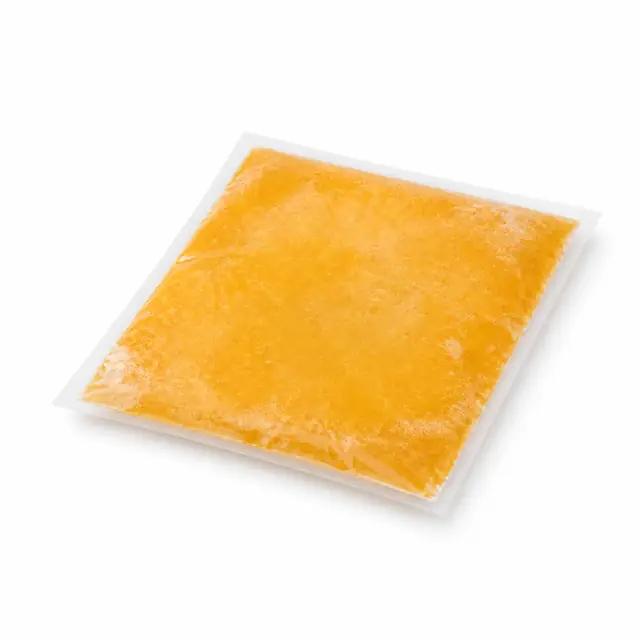
Egg (Whole, Raw)
100 g
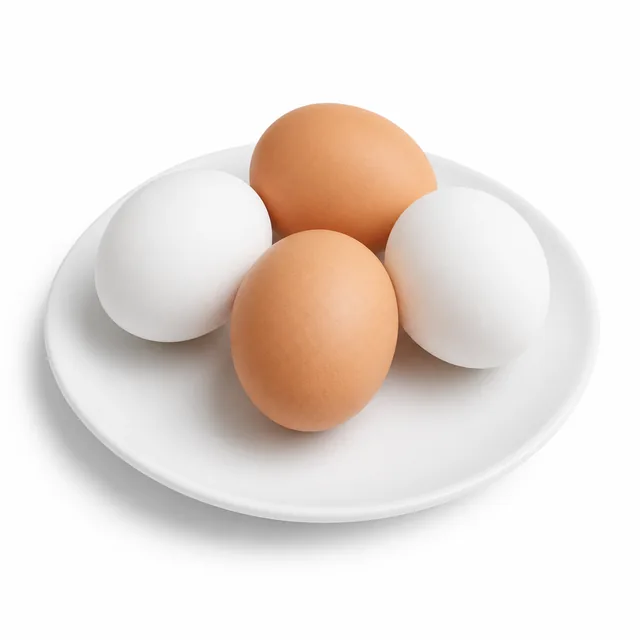
Egg
100 g
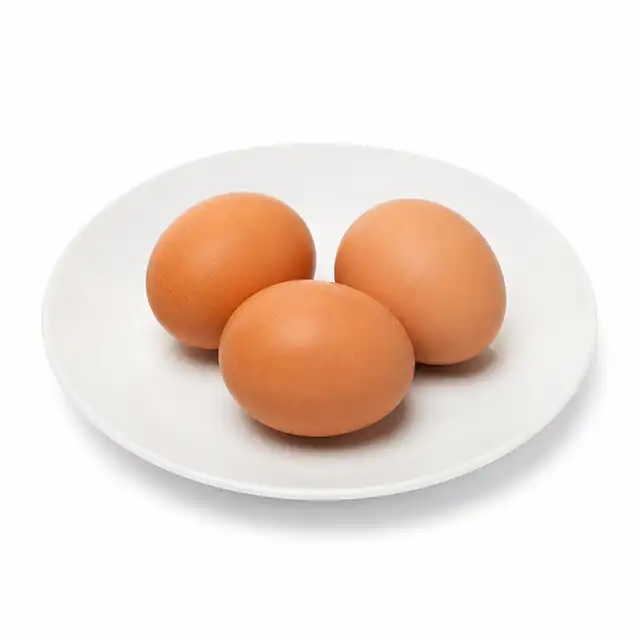
Egg (Grade A)
100 g
Egg (White, Raw)
100 g