Nutrition Guides
Clear, practical nutrition guides that turn everyday food questions into simple decisions — how much protein you actually need, what to eat before a workout, how to read a label, and which choices are worth your attention. Every guide is written in plain language and backed by trusted sources, so you can act on it the same day.
All guides
 Mindful Eating
Intermittent Fasting: What It Is and What the Evidence Shows
Intermittent fasting compared with plain calorie restriction across 99 trials: what each protocol means, realistic weight loss, adherence, side effects and who should not fast.
 Meal Planning
Does Meal Timing Matter? What the Evidence Shows
Meal timing changes less than it is credited with. What evidence shows on eating windows, meal frequency, breakfast and protein spacing — and what holds up.
 Foods & Nutrients
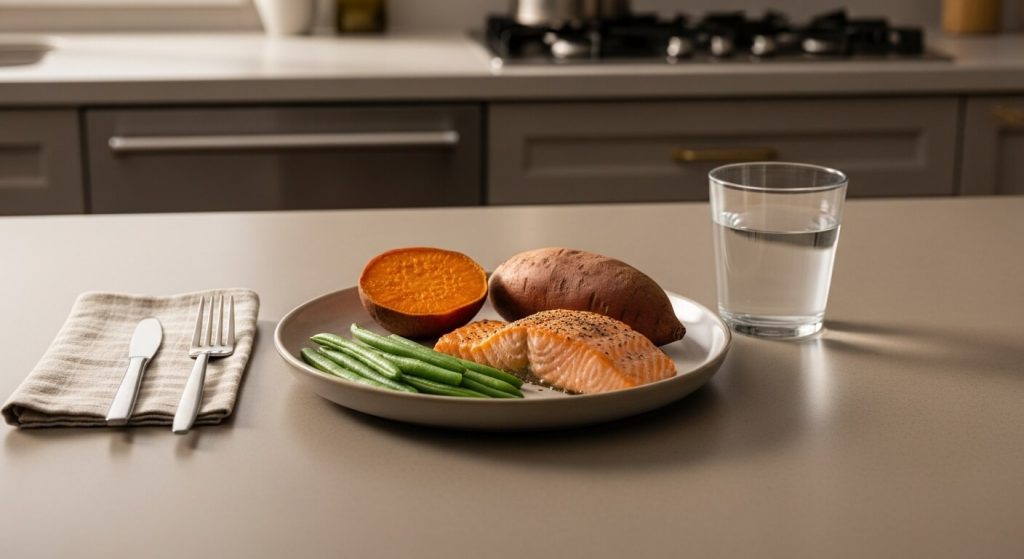
Nutrition and Sleep: What the Evidence Actually Supports
Which foods and drinks really affect sleep quality, checked against CDC, NIH and FDA sources — including the six-hour caffeine rule and the claims that do not hold up.
 Pre & Post-Workout
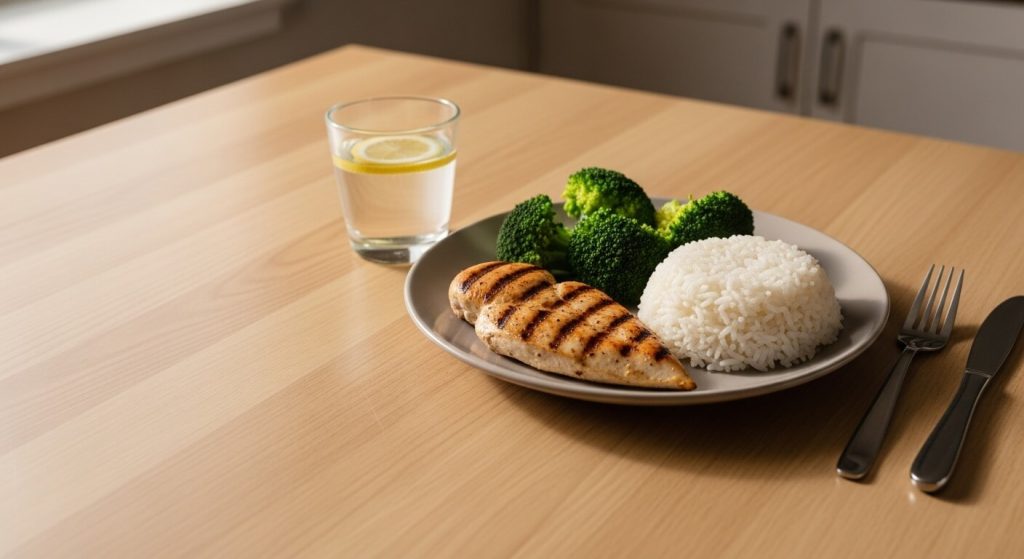
Post-Workout Meal Guide: What to Eat After a Workout, With Examples
Post workout meal components explained: protein amounts, carb timing, hydration, and micronutrients for faster recovery. Learn what to eat.
 Mindful Eating
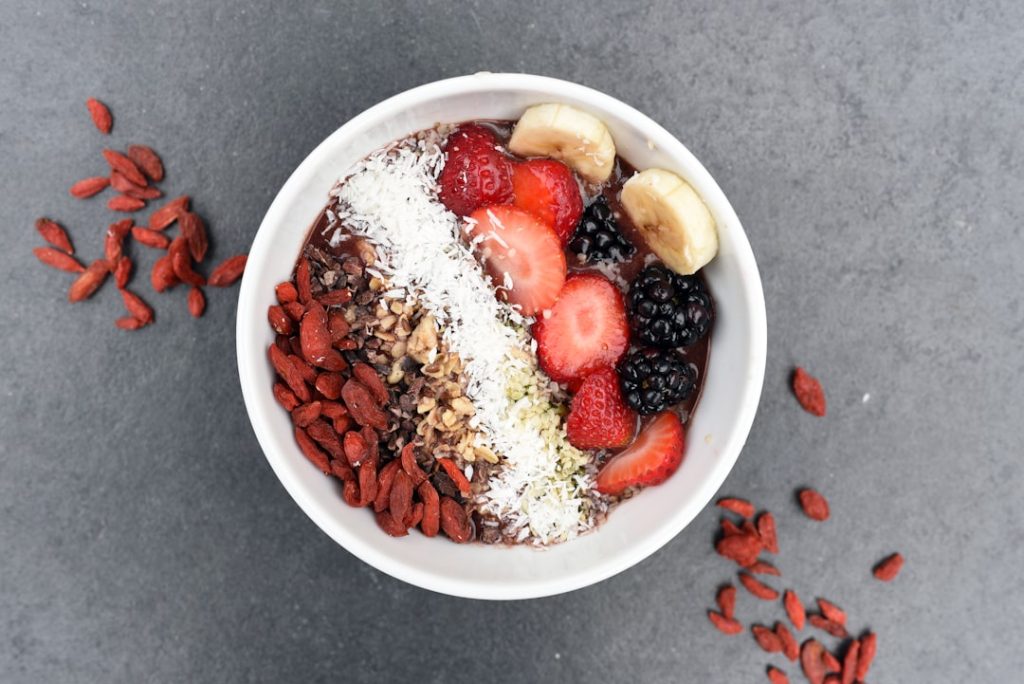
: How to Practice It and Why It Works
What mindful eating is, how to practise it at an ordinary meal, what gets in the way, and where it helps with weight and everyday habits.
 Muscle & Performance
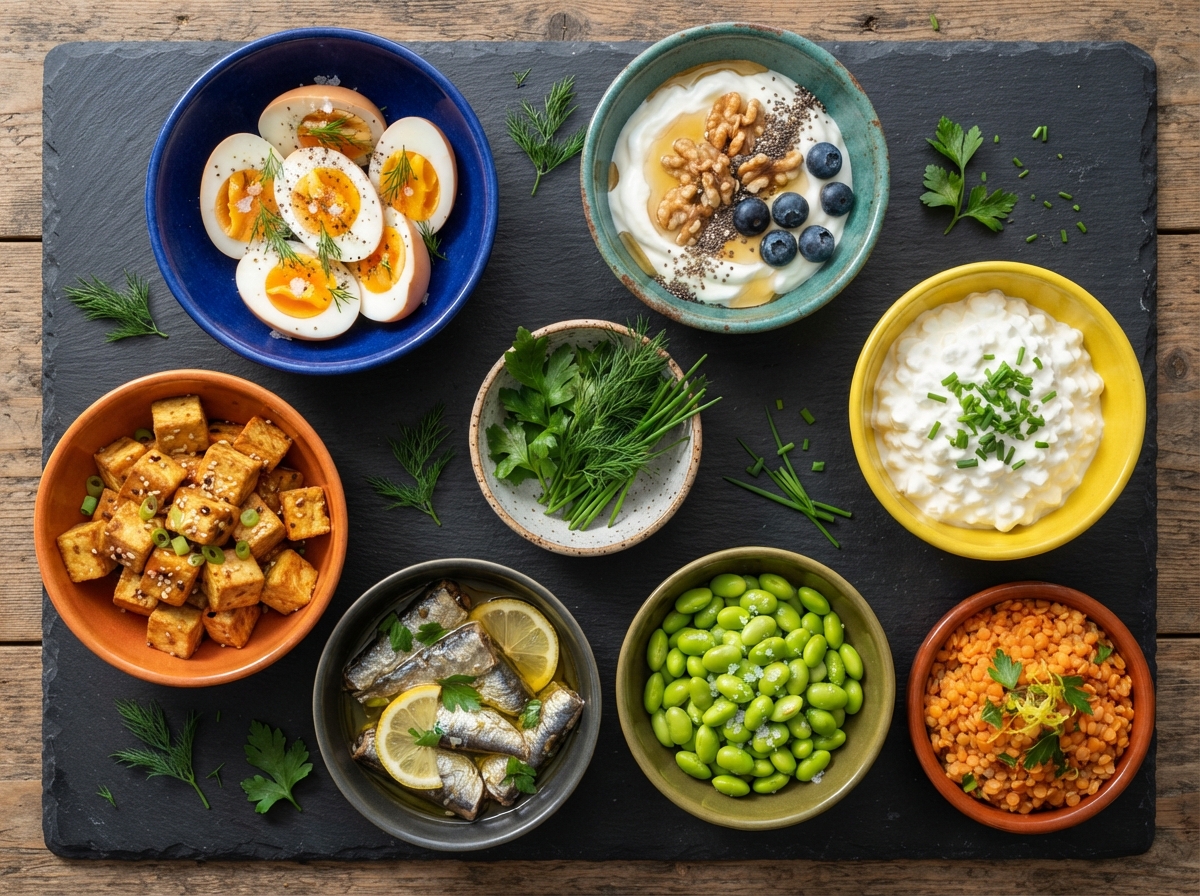
Protein Per Calorie: The Best Foods for Muscle Growth
In the pursuit of muscle growth, the importance of nutrient-dense foods cannot be overstated. These foods are packed with essential nutrients that..
 Meal Planning
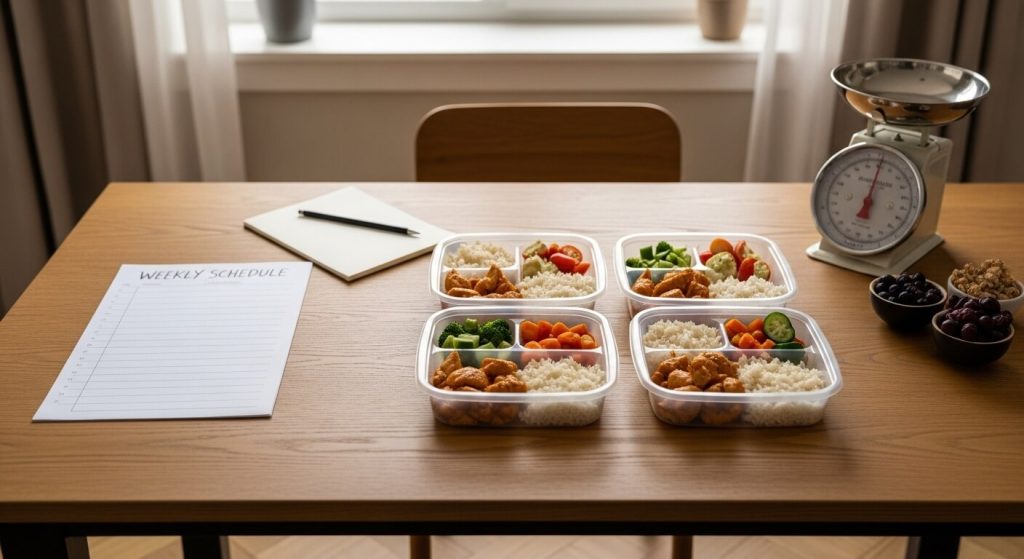
How to Build a Meal Plan: The Four Numbers That Define One
Protein per kilogram, where to get a real calorie target, the rate guidance from CDC and NIDDK, and DASH serving sizes — plus the six places meal plans actually break.
 Nutrition Basics
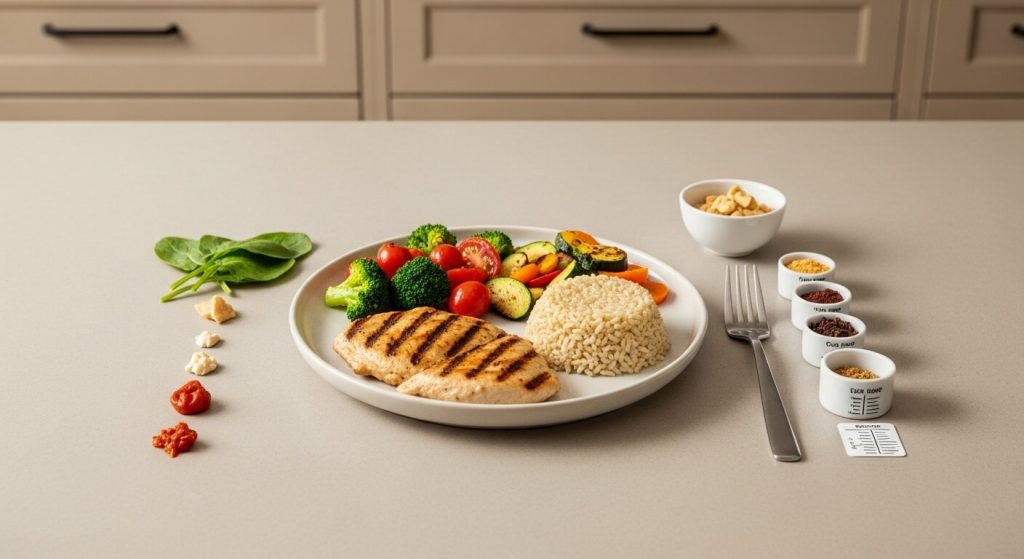
Why Your Diet Stopped Working: The Arithmetic Behind a Plateau
Metabolic adaptation takes about 375 calories a day after a 10% loss, and the 3,500-calorie rule overpredicts by 100% over a year. What to do instead, with NIH and CDC sources.
 Foods & Nutrients
How Much Water Should You Drink? What the Official Numbers Actually Say
The real reference intakes and what they include, why thirst is a better guide than most people think, and six claims about water we are not making.
 Metabolism & Fat Loss
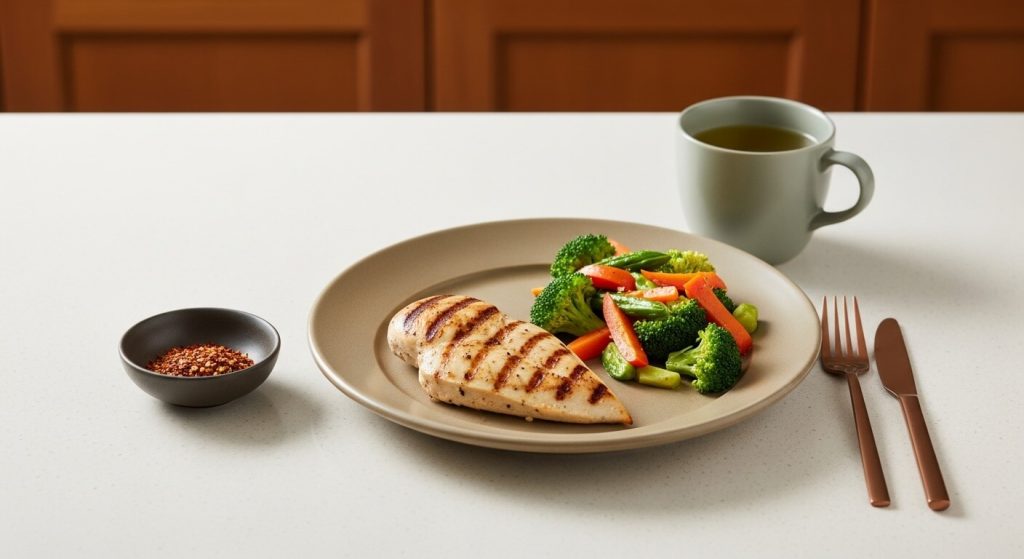
Foods That Boost Metabolism: What Actually Works, and by How Much
The thermic effect of food is only 8-10% of daily energy use. Protein costs 20-30% to process; green tea, chilli and caffeine barely register. With NIH and FTC sources.
 Special Diets
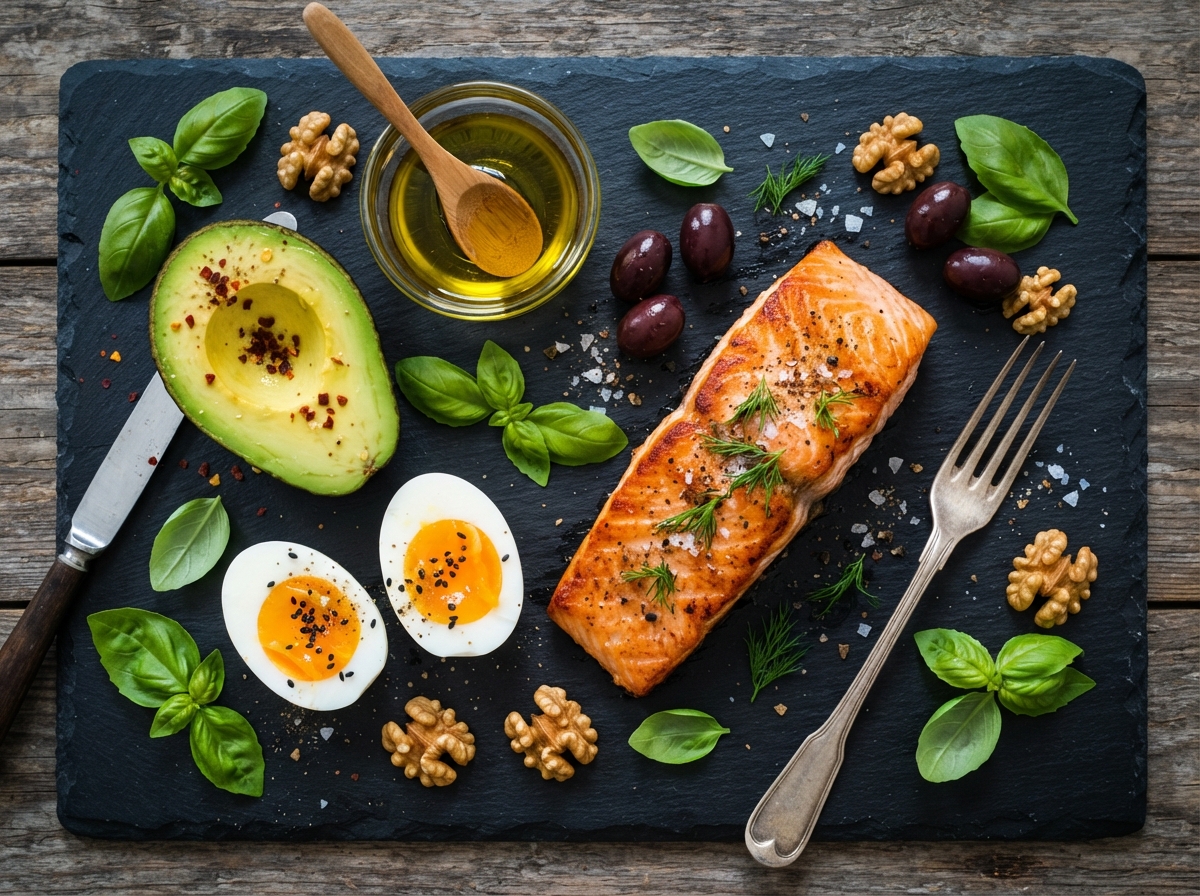
Keto Diet for Beginners: Rules, Evidence and Risks
How low carbohydrate has to go, what ketosis does and does not do, where the evidence is strongest, and who should not try it.
 Meal Planning
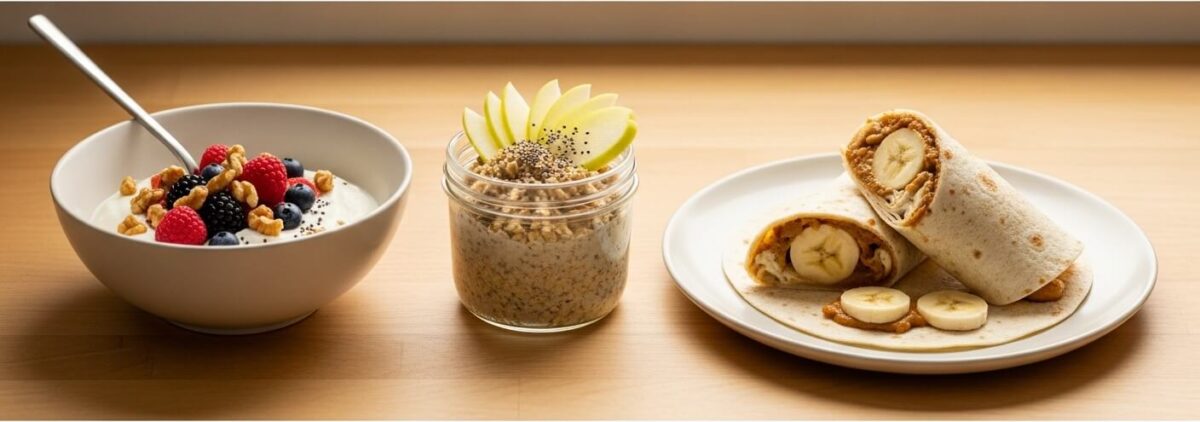
Quick and Healthy Breakfast Ideas for People Who Skip Breakfast: Nutrition and Time-Saving Tips
Six healthy breakfast ideas you can assemble in under five minutes, each built on protein, fiber and fat, plus why quick ones stop working before lunch.
 Special Diets
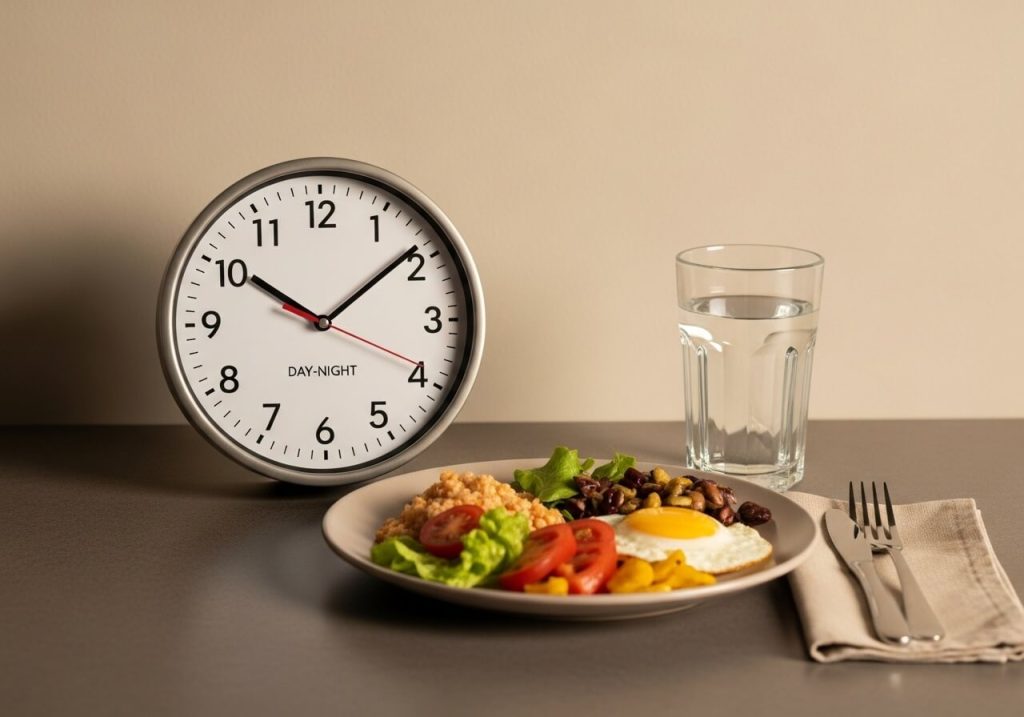
16/8 Intermittent Fasting: What an Eight-Hour Window Actually Does
What 16/8 intermittent fasting actually does: the calorie mechanism, weight results against calorie counting, glucose and insulin effects, early vs late windows, and safety.
 Popular Diets
Exercising on Keto: What You Should Know
The ketogenic diet, commonly referred to as the keto diet, is a high-fat, low-carbohydrate eating plan that has gained immense popularity in recent..
 Foods & Nutrients
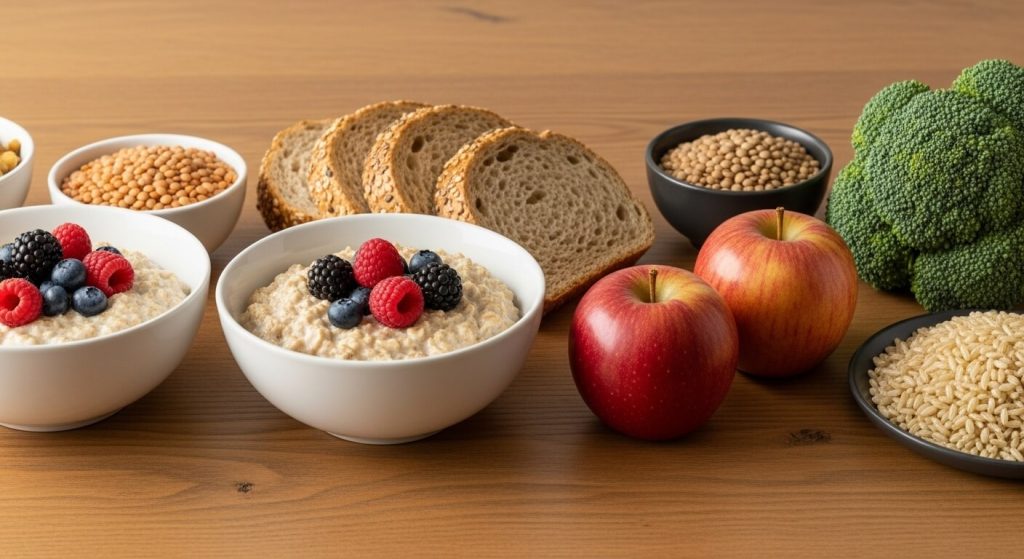
How Much Fiber Per Day, and Which Foods Actually Deliver
Fiber content in foods explained: discover best sources, soluble vs insoluble fiber types, and daily intake recommendations for digestive health. Learn more.
 Healthy Aging
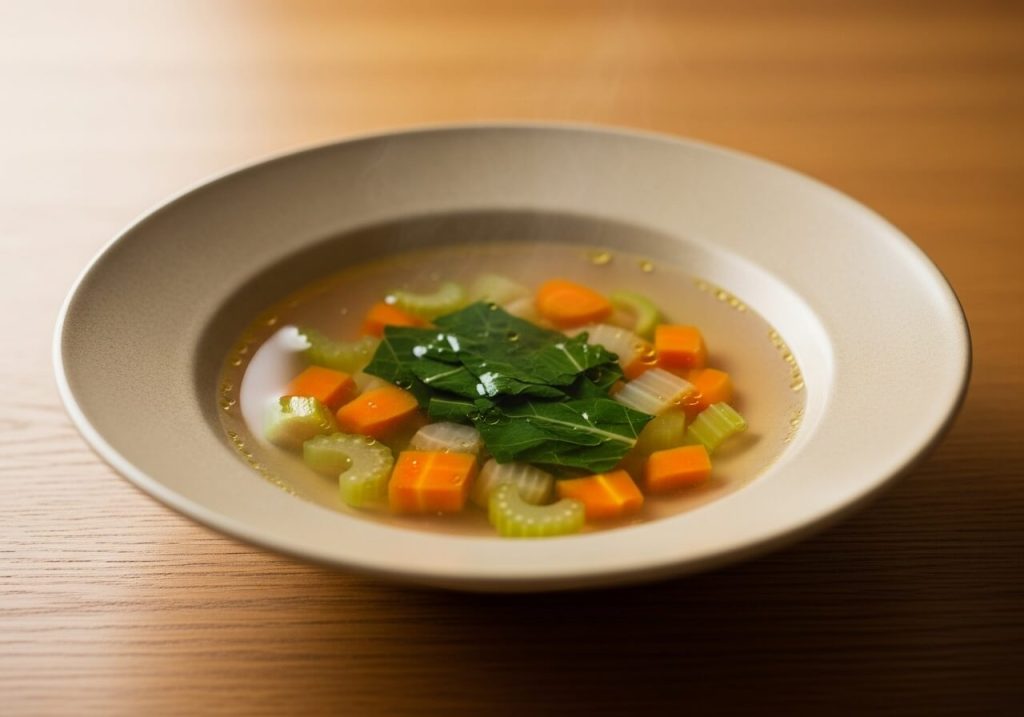
Healthy Eating After 65: What the Guidelines Actually Change
Protein, B12, vitamin D and calcium after 65 — with the NIH instruction for over-50s, the CDC food safety figure, and why "fewer calories means less protein" is wrong.
 Nutrition Basics
Fitness Nutrition Myths: Ten Things People Still Get Wrong
Fitness nutrition myths against the evidence: eating late, meal frequency, detoxes, breakfast, spot reduction, eggs, salt, gluten-free and the eight-glasses rule.
 Foods & Nutrients
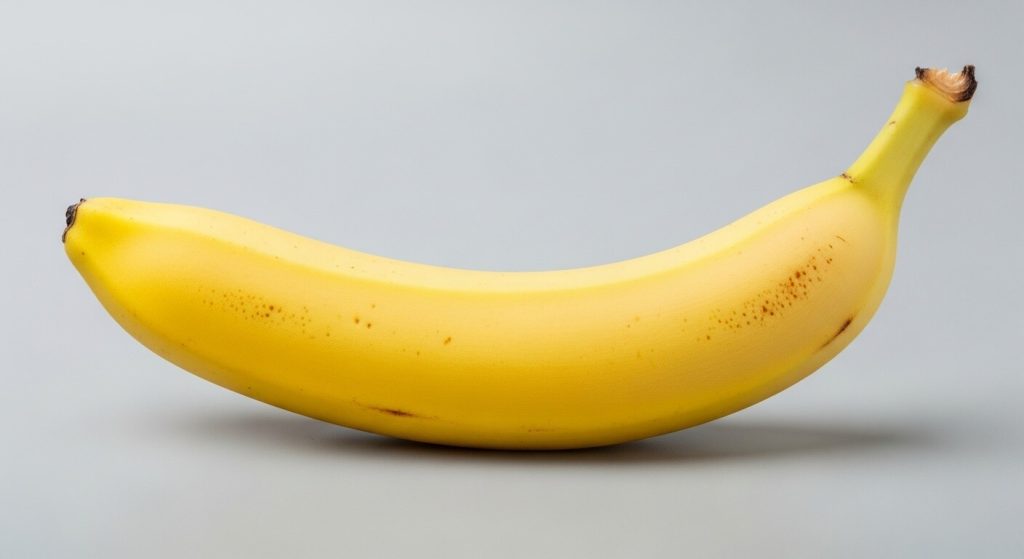
Are Bananas Bad for Weight Loss? What the Numbers Say
A banana is 97 kcal per 100 g. What USDA data shows about ripeness, sugar and resistant starch — and why one fruit never decides weight loss.