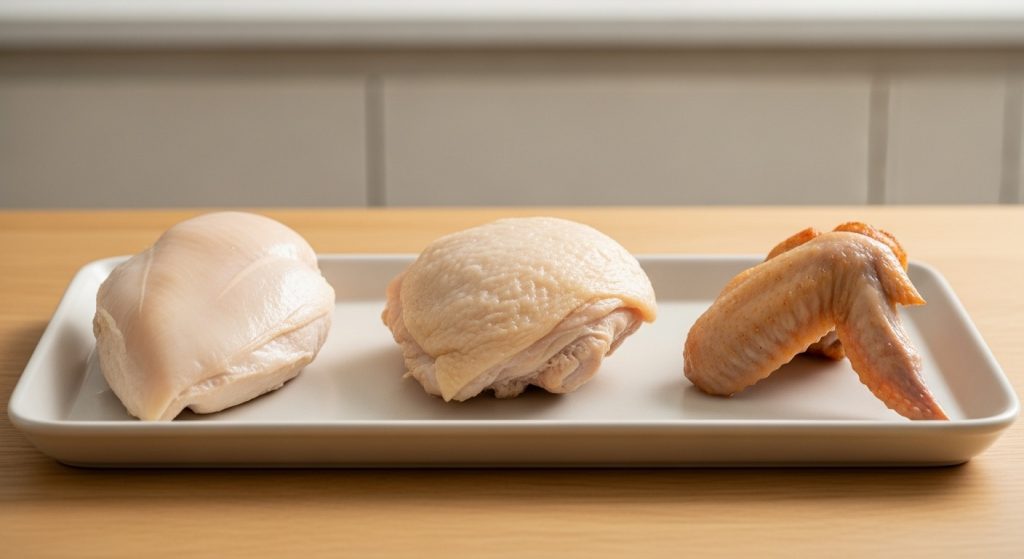
A skinless chicken breast contains about 165 calories per 3.5 oz cooked serving, while a skinless thigh has around 179 calories and wings come in at about 203 calories for the same weight. The cut you choose—and how you cook it—makes a real difference in your calorie intake. Here’s what you need to know to match chicken choices to your nutrition goals.
Exact Calorie Counts for Popular Chicken Cuts
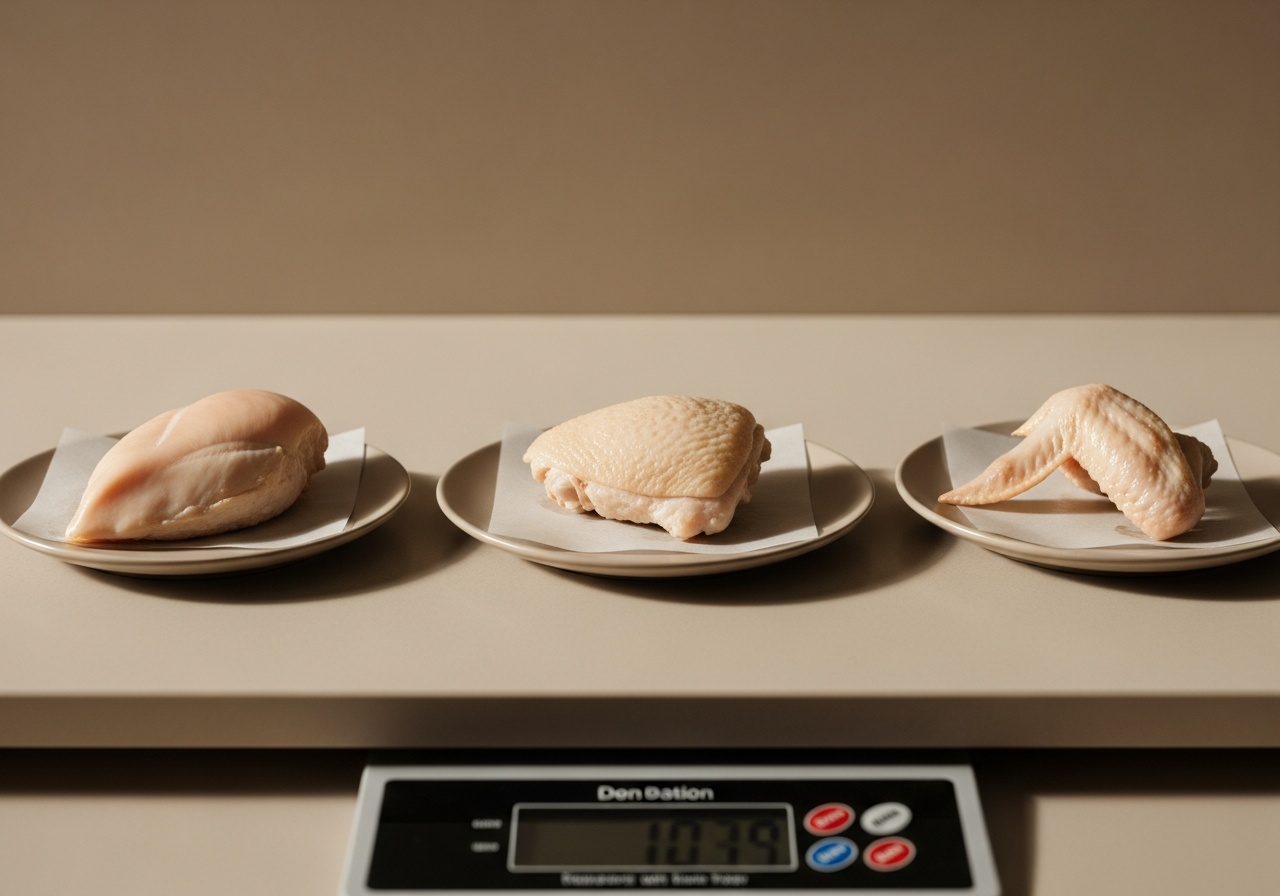
Understanding the calorie differences between chicken parts helps you plan meals that fit your targets. These numbers are based on cooked weight, which matters because chicken loses water during cooking and becomes denser.
Skinless Chicken Breast Calories per 3oz Serving
A 3 oz cooked, skinless chicken breast contains approximately 140 calories. This cut offers the lowest calorie count among common chicken parts, making it a popular choice for calorie-conscious meal planning. The mild flavor and lean texture work well with various seasonings and cooking methods.
Chicken Thigh Calories Compared to Breast Meat
Skinless chicken thighs contain about 150 calories per 3 oz cooked serving—only slightly more than breast meat. The difference comes from higher fat content, which also makes thighs more forgiving during cooking and less likely to dry out. With skin on, that same thigh serving jumps to roughly 180 calories.
Wing and Ground Chicken Calorie Differences
Chicken wings contain approximately 173 calories per 3 oz cooked serving with skin on. Ground chicken varies depending on whether it includes dark meat and skin—lean ground chicken breast has around 120 calories per 3 oz cooked, while regular ground chicken may have 170-200 calories for the same amount.
Choosing Chicken Based on Your Daily Calorie Needs
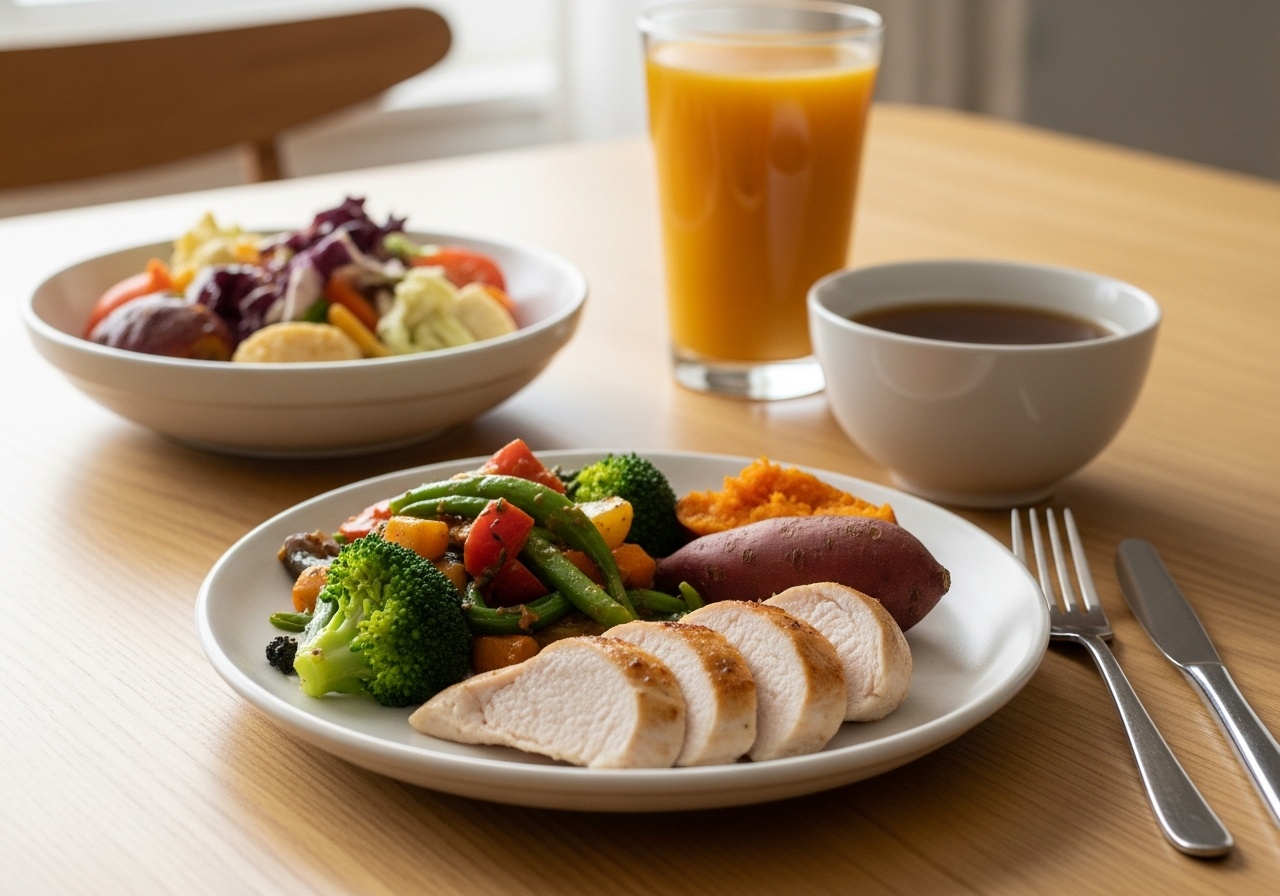
Your calorie goals and the rest of your meal should guide which chicken cut makes the most sense. Each option has practical advantages beyond just the numbers.
When to Pick Higher-Calorie Chicken Thighs
Chicken thighs work well when you’re building a balanced plate with plenty of vegetables and need something more satisfying. The extra fat helps you feel fuller and adds flavor without requiring heavy sauces. If you’re not on a strict calorie restriction, thighs offer better value for the slight calorie increase—they’re often less expensive and easier to cook well.
Best Chicken Choices for Low-Calorie Diets
Skinless chicken breast gives you the most protein per calorie, making it efficient when you’re working with a tight calorie budget. A 4 oz serving provides about 185 calories and roughly 35 grams of protein. Pair it with roasted vegetables and a small portion of rice or quinoa for a filling meal under 400 calories.
Building Balanced Plates Around Chicken Calories
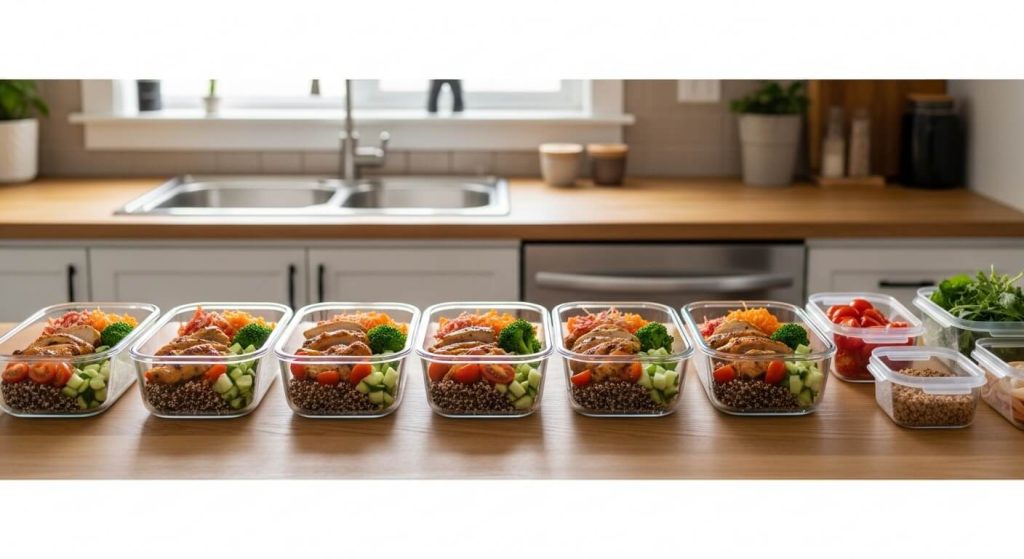
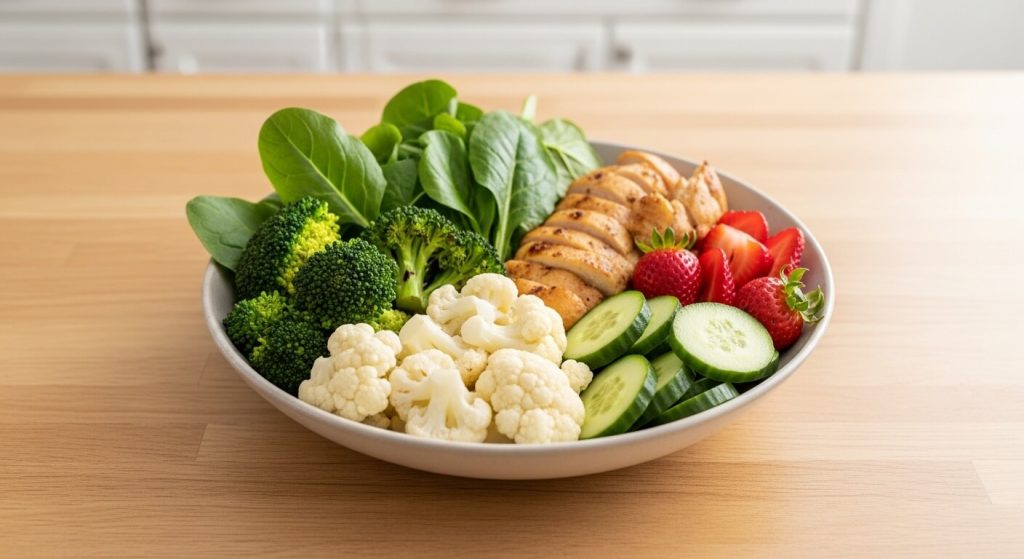
Start with your chicken portion, then fill half your plate with non-starchy vegetables. Add a fist-sized portion of starch—potato, rice, or bread—and you’ve created a meal where chicken calories fit naturally into your daily total. A 3 oz chicken breast with steamed broccoli and a medium sweet potato totals around 350 calories, leaving room for snacks or other meals.
Hidden Calorie Traps in Prepared Chicken

The preparation method can add significant calories beyond the chicken itself. Being aware of these differences helps you make informed choices when cooking at home or ordering out.
Fried Versus Grilled Chicken Calorie Differences
Breading and frying adds substantial calories to any chicken cut. A fried chicken breast can reach 300-400 calories for a similar-sized piece that would be 165 calories grilled. The breading absorbs oil during frying, and batter coatings add refined carbohydrates on top of the fat. Grilled, baked, or air-fried chicken keeps calories closer to the base values.
How Skin Adds Calories to Chicken Thighs
Chicken skin adds about 30-50 calories per serving depending on the cut size. For thighs specifically, leaving the skin on increases calories by roughly 25-30% per piece. If you enjoy the flavor and texture of skin, consider eating it occasionally rather than with every meal, or remove it before eating to save those calories while still benefiting from the moisture it provides during cooking.
Processed Chicken Products Calorie Warning
Chicken nuggets, patties, and pre-seasoned frozen products often contain added oils, fillers, and breading that significantly increase calories beyond whole chicken cuts. A serving of chicken nuggets might contain 250-300 calories for just 3-4 pieces, with much of that coming from breading and frying oil rather than chicken itself. Check nutrition labels on processed chicken products—the calorie counts can surprise you.
FAQ
Does chicken breast always have fewer calories than thigh meat?
Skinless chicken breast typically has slightly fewer calories than skinless thigh meat—about 10-15 calories less per 3 oz serving. However, once you add skin to breast meat, it can match or exceed the calories in skinless thighs. The cut matters, but preparation method and whether skin is included matters more.
How much do cooking oils change chicken’s calorie count?
One tablespoon of cooking oil adds about 120 calories. If you pan-fry chicken in two tablespoons of oil and half of it gets absorbed, that’s an extra 120 calories beyond the chicken itself. Using cooking spray, grilling, baking, or using just a teaspoon of oil for flavor significantly reduces these added calories.
What’s the difference between organic and conventional chicken calories?
Organic and conventional chicken have essentially the same calorie content for the same cut and preparation. The nutritional difference between them is minimal when it comes to calories, protein, and fat. Choose organic for other reasons if you prefer, but don’t expect meaningful calorie differences.
Conclusion
Knowing that chicken breast runs about 140 calories per 3 oz while thighs come in around 150 calories—and that preparation method matters as much as the cut—gives you practical control over your meals. Start by weighing one portion to see what 3-4 oz actually looks like on your plate, then adjust your chicken choices based on what fits your day. Small awareness around cuts and cooking methods makes chicken a flexible protein for any calorie goal.
This content is for educational purposes only and is not medical advice. Always consult a qualified healthcare professional for personalised guidance.