
Nutrition Facts Sorghum Flour (White)
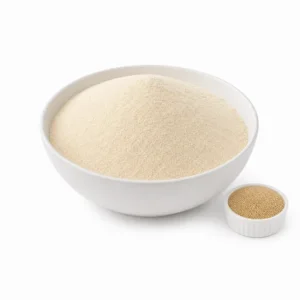
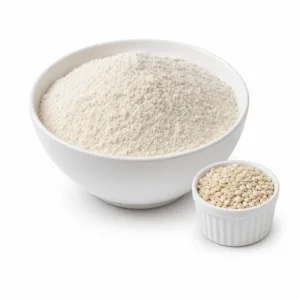
Sorghum Flour (White) is a milled grain ingredient used to build doughs and batters; whole-grain, refined, enriched, and unenriched versions differ in composition. It provides protein, dietary fiber, potassium, and magnesium. Choose a dry, intact package without insects or moisture damage and store it airtight in a cool, dark place; refrigeration extends the quality of whole-grain and high-fat products.
Nutrition for 100 g
| Calories | 364 kcal |
|---|---|
| Protein | 10.21 g |
| Total Fat | 3.24 g |
| Carbohydrates | 73.51 g |
| Fiber | 3.3 g |
| Total Sugars | Not reported |
| Sodium | 0 mg |
Nutrients
Full nutrient profile
Proximates
Carbohydrates
Minerals
Vitamins and other components
Interesting fact
Milling changes more than particle size
Whole-grain flour retains bran, germ, and endosperm, while refined flour removes much of the bran and germ. Finer particles also expose more surface area to enzymes and oxygen, affecting digestion and storage stability.
Related foods
Compare similar foods


Recipes with this food
Use sorghum flour (white) in simple recipes
These nutrition values are provided for educational purposes only and are not medical advice. Values may vary depending on brand, preparation method, and serving size.