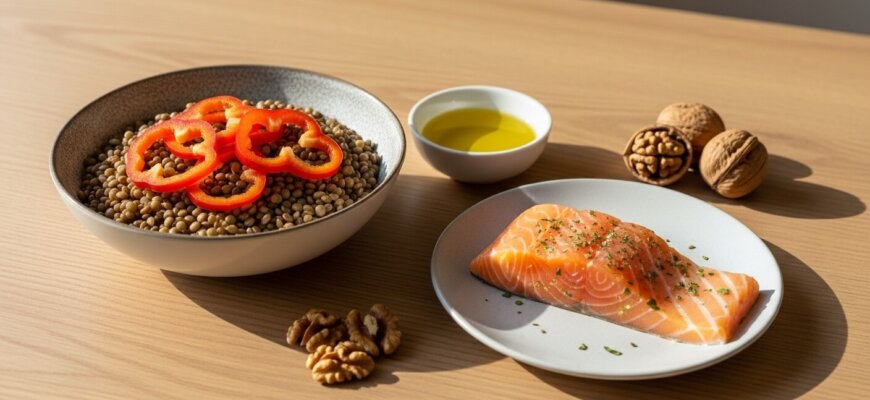
Eating nutrient-rich foods is only half the equation—your body must actually absorb those nutrients for them to benefit you. Nutrient absorption enhancers are specific foods, compounds, and preparation methods that increase how much of a vitamin or mineral your digestive system can use. This article explains practical food pairings and techniques to improve mineral absorption and vitamin bioavailability.
- Pairing Vitamins for Better Absorption
- Fat-Soluble Vitamins with Healthy Fats
- Vitamin C with Plant-Based Iron
- Minerals That Benefit from Specific Food Combinations
- Calcium and Vitamin D Synergy
- Zinc Absorption with Protein Sources
- Phytonutrients as Bioavailability Boosters
- Quercetin and Catechins
- Piperine and Curcumin
- Digestive Support for Better Nutrient Uptake
- Probiotic-Rich Foods
- Digestive Enzymes from Whole Foods
- Cooking Methods That Preserve and Boost Nutrients
- Light Cooking of Cruciferous Vegetables
- Soaking and Sprouting Legumes and Grains
- When Supplements Can Bridge Absorption Gaps
- Chelated Mineral Forms
- Liposomal Vitamin Formulations
- FAQ
- How do vitamin absorption food combinations work?
- What are some natural bioavailability boosters?
- Can supplementing always improve mineral absorption?
- Conclusion
Pairing Vitamins for Better Absorption
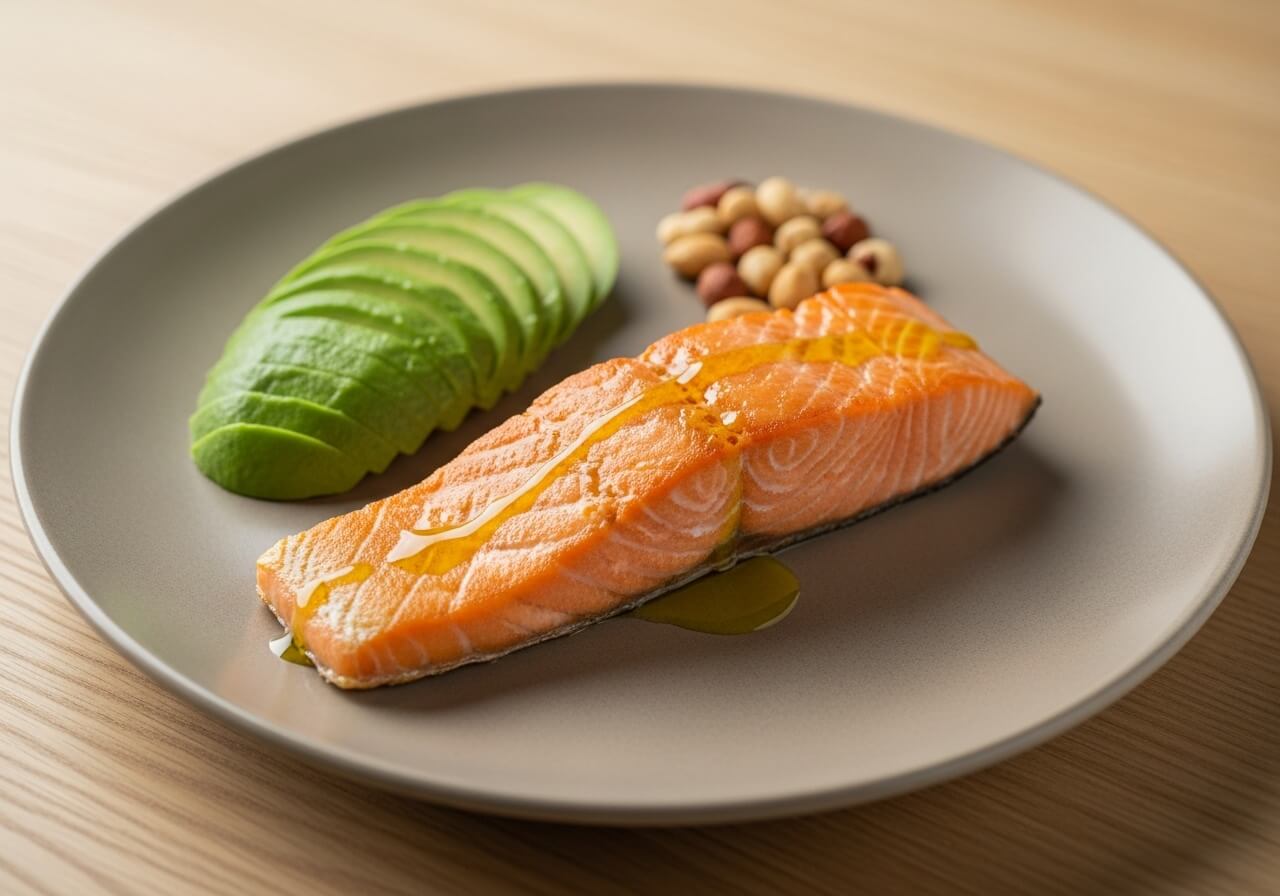
Certain vitamin combinations work synergistically—your body absorbs them better together than separately.
Fat-Soluble Vitamins with Healthy Fats
Vitamins A, D, E, and K cannot pass through your intestinal wall without dietary fat present. Without fat in the same meal, these vitamins largely pass through your system unabsorbed.
According to the NIH Office of Dietary Supplements, pairing fat-soluble vitamins with healthy fats like olive oil, avocado, nuts, or fatty fish substantially increases their bioavailability. A salmon fillet prepared with olive oil delivers more vitamin D than the same salmon cooked without fat. If you juice leafy greens for vitamin K, drink it with a handful of nuts or during a meal containing fat.
This applies to supplements too. Taking a vitamin D capsule with water alone is less effective than taking it with a meal containing fat.
Vitamin C with Plant-Based Iron
Plant-based iron (non-heme iron) is harder to absorb than iron from meat. Vitamin C converts plant iron into a form your intestines absorb more efficiently—but only when consumed in the same meal.
Research from the American Journal of Clinical Nutrition shows that combining plant-based iron with vitamin C significantly increases absorption. Eating spinach at lunch and an orange at dinner does not provide this benefit. The vitamin C must be present in your digestive tract at the same time as the iron.
Add sliced bell peppers or cherry tomatoes to a spinach salad, squeeze fresh lemon juice over lentils, or serve chickpea curry with a side of citrus.
Minerals That Benefit from Specific Food Combinations
Calcium and Vitamin D Synergy
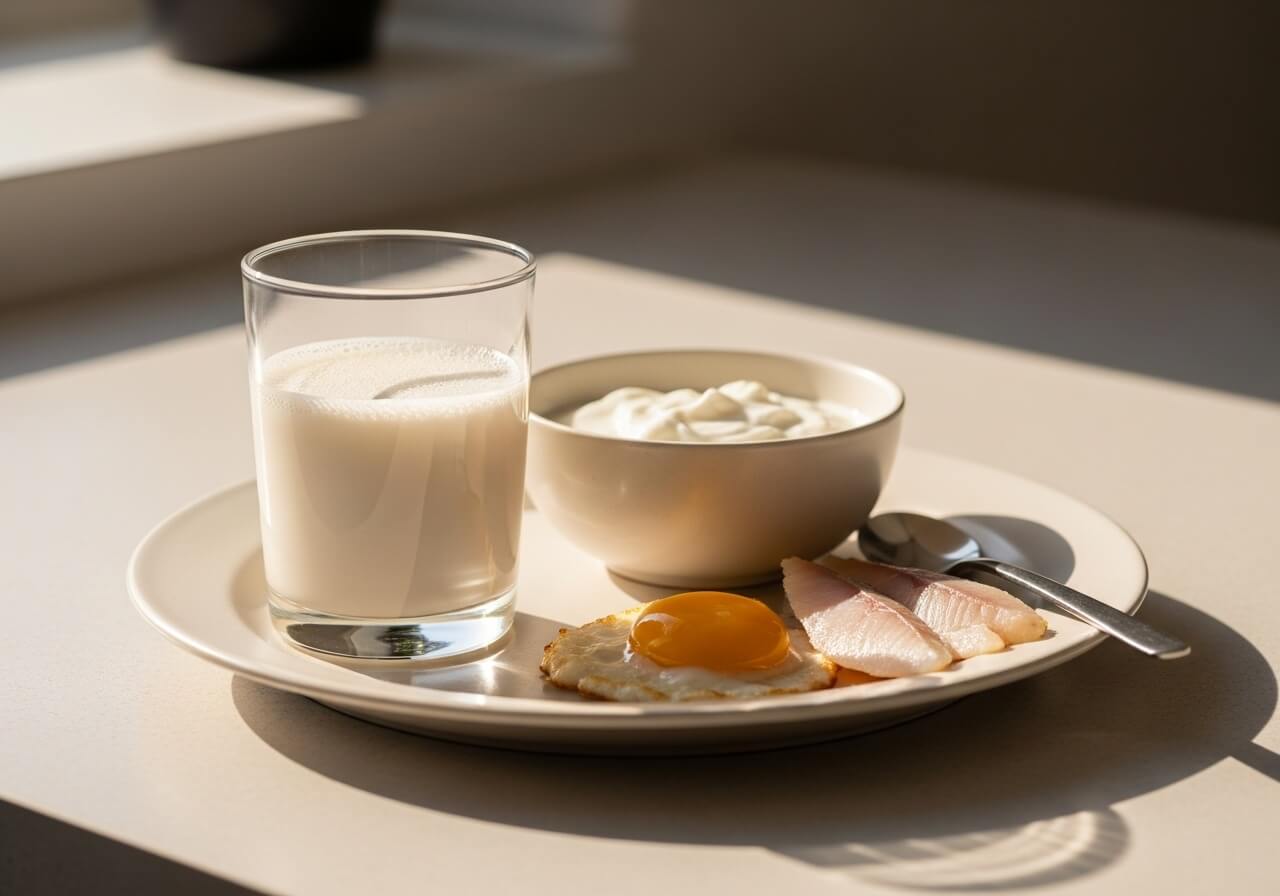
Your body cannot efficiently use calcium without adequate vitamin D, which regulates calcium transport across your intestinal lining. According to Harvard T.H. Chan School of Public Health, calcium absorption is significantly enhanced when paired with vitamin D.
This is why dairy products are often fortified with vitamin D—the combination works better than either nutrient alone. If you’re taking a calcium supplement, check whether it includes vitamin D. For non-dairy sources, choose fortified plant milks with both nutrients. Consider eating calcium-rich meals during daylight hours when possible, or ensure adequate vitamin D status through fatty fish, egg yolks, or appropriate supplementation.
Zinc Absorption with Protein Sources
Zinc absorption improves when consumed with adequate protein. Amino acids from protein help transport zinc across your intestinal lining, and protein-rich meals typically contain fewer mineral-blocking compounds than plant-only meals.
Rather than eating pumpkin seeds alone as a snack, pair them with cheese. Add chicken to lentil soup or fish to a bean-based dish. This distinction matters: zinc from legumes consumed with animal protein absorbs better than zinc from legumes alone.
Phytonutrients as Bioavailability Boosters
Certain plant compounds enhance the absorption of other nutrients, making them more biologically available to your body.
Quercetin and Catechins
Quercetin (found in apples, onions, and tea) and catechins (found in green tea and dark chocolate) enhance the absorption and antioxidant effectiveness of polyphenols and minerals. These compounds stabilize nutrient structures and support transport mechanisms in your intestines.
Drinking green tea with a meal may support better absorption of nutrients in that meal, which is why tea has traditionally been consumed alongside food in many cultures.
Piperine and Curcumin
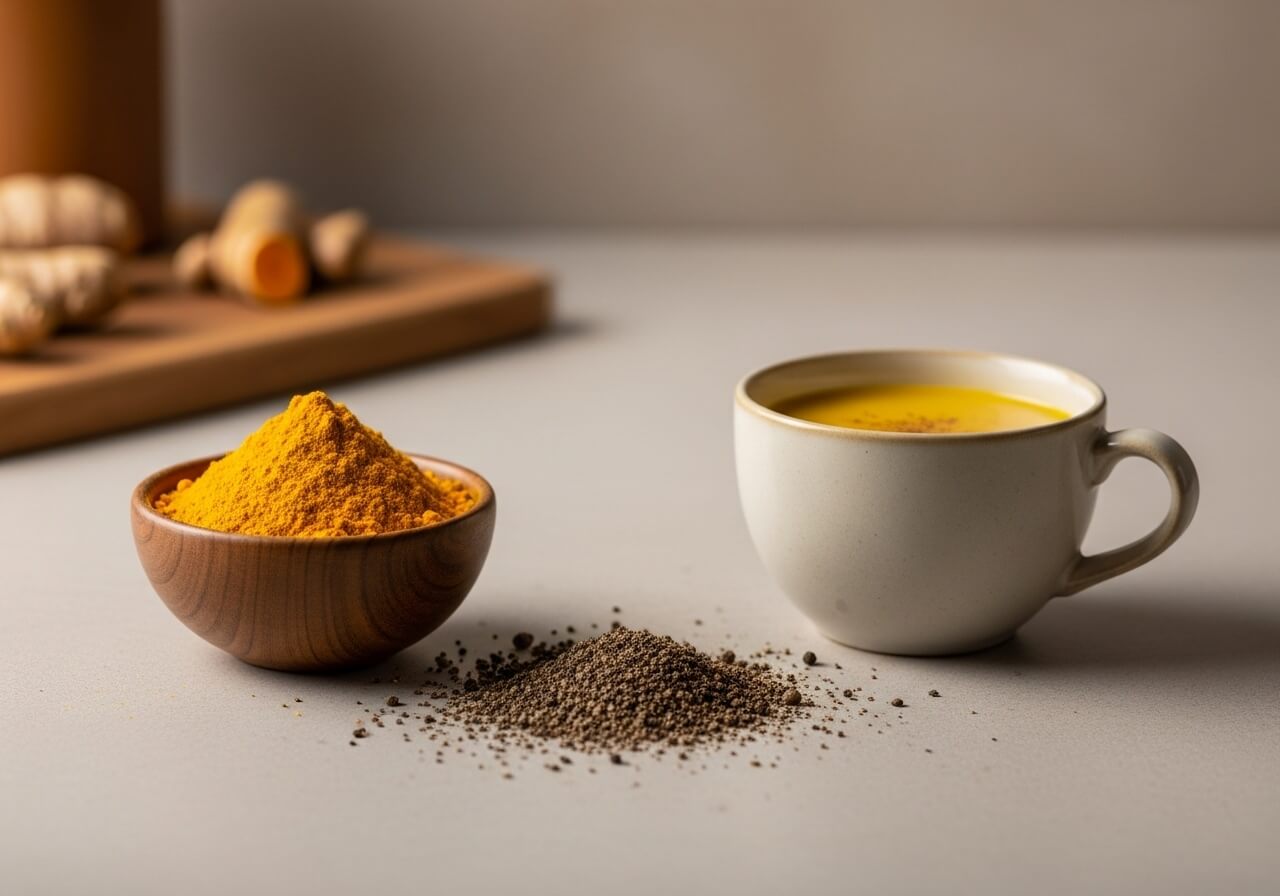
Curcumin from turmeric has poor bioavailability on its own, but piperine from black pepper dramatically improves its absorption. Research shows that adding piperine can increase curcumin absorption by up to 2000%.
When cooking with turmeric, always add freshly ground black pepper. A turmeric latte without black pepper provides minimal benefit; the same drink with black pepper becomes significantly more bioavailable. Many curcumin supplements include piperine for this reason.
Digestive Support for Better Nutrient Uptake
A healthy digestive system is fundamental to nutrient absorption. Supporting gut health and enzyme function enhances your body’s ability to extract nutrients from food.
Probiotic-Rich Foods
Beneficial gut bacteria produce short-chain fatty acids that nourish intestinal cells and improve their ability to absorb nutrients. A healthy microbiome also produces B vitamins and vitamin K, and certain bacteria enhance mineral absorption by modifying digestive pH.
Incorporate small amounts of fermented foods regularly—sauerkraut, kimchi, kefir, or tempeh. A few spoonfuls of sauerkraut with meals or a glass of kefir supports overall digestive health, creating a more nutrient-absorptive environment over time.
Digestive Enzymes from Whole Foods
Fresh pineapple contains bromelain, papaya contains papain, and ginger contains proteases—enzymes that break down protein and other nutrients into absorbable forms. Unlike enzyme supplements, whole food enzymes come packaged with fiber and other supportive compounds.
A slice of fresh pineapple with a protein-containing meal or ginger in a vegetable stir-fry provides enzymatic support for nutrient breakdown and absorption.
Cooking Methods That Preserve and Boost Nutrients
Food preparation affects both nutrient content and bioavailability. Some methods increase absorption while preserving nutrient density.
Light Cooking of Cruciferous Vegetables
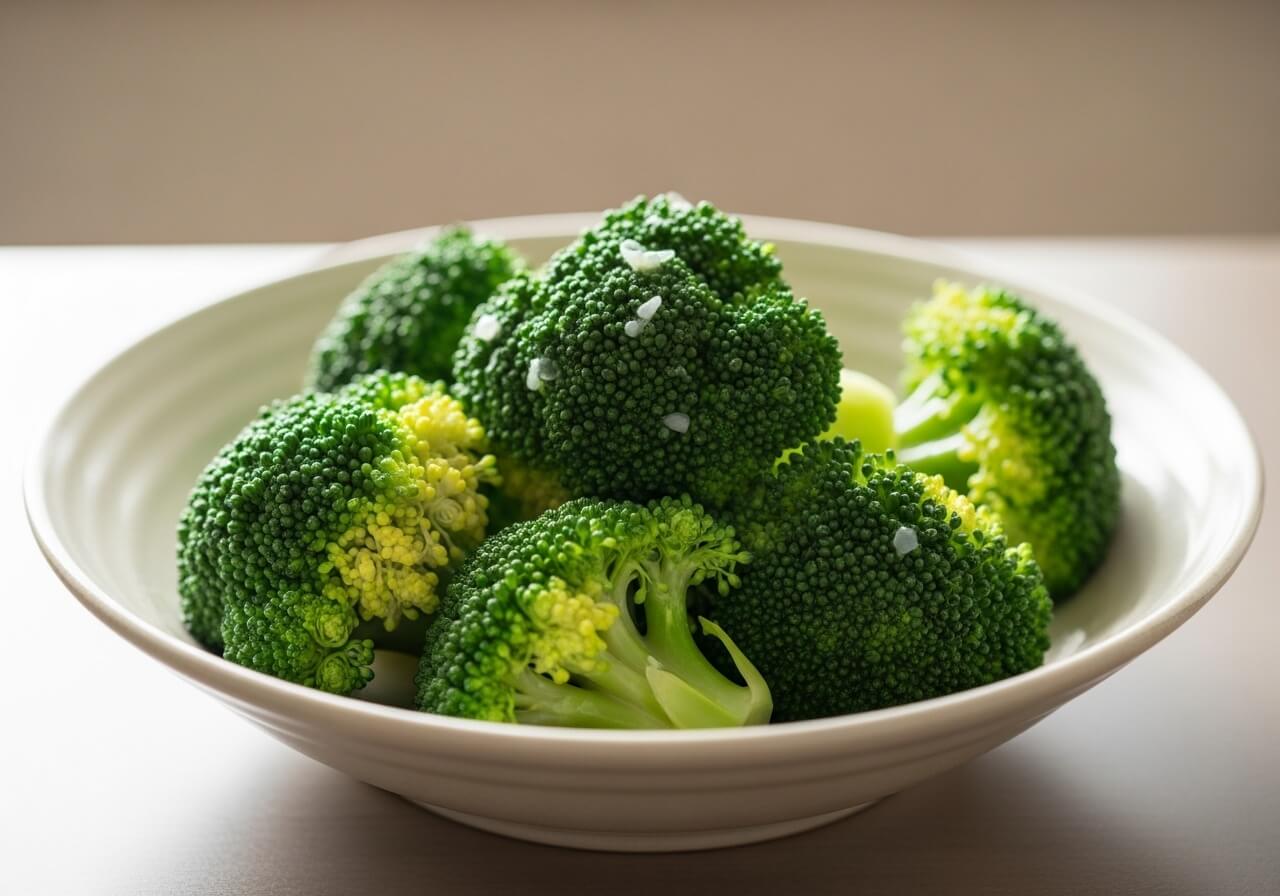
Raw cruciferous vegetables like broccoli and cabbage contain compounds that can block mineral absorption. Brief cooking—steaming for 3–5 minutes or light sautéing—inactivates these blockers while preserving heat-sensitive vitamins. Avoid overcooking, which destroys vitamin C.
Lightly steamed broccoli enhances mineral absorption compared to raw broccoli, making it a more practical choice when eating these vegetables for their mineral content.
Soaking and Sprouting Legumes and Grains
Legumes and grains contain phytates and oxalates that bind to minerals and prevent absorption. Soaking, sprouting, or boiling these foods reduces phytates and oxalates, freeing up iron and zinc for absorption.
Soak dried beans for at least 8 hours before cooking and discard the soaking water. Choose sprouted grains and legumes when available, or drain and rinse canned beans. This preparation step directly increases the minerals your body can extract from the meal.
When Supplements Can Bridge Absorption Gaps
While food-based strategies work for most people, certain situations may warrant targeted supplementation. The form of supplement matters significantly.
Chelated Mineral Forms
Chelated minerals are bound to amino acids, which your body transports more efficiently than simple mineral salts. Chelated magnesium, for example, is absorbed more completely than magnesium oxide.
If supplementing due to diagnosed deficiency or inadequate dietary intake, chelated forms provide higher absorption rates. Look for labels identifying “chelated” or listing the mineral with an amino acid, such as “magnesium glycinate.”
Liposomal Vitamin Formulations
Liposomal supplements encapsulate nutrients in lipid membranes, increasing absorption and cellular delivery. Liposomal vitamin C and curcumin formulations address bioavailability limitations of standard versions.
These are most useful when addressing documented absorption issues from digestive disorders. For general supplementation in healthy individuals, food-based approaches remain the primary strategy.
FAQ
How do vitamin absorption food combinations work?
Nutrient absorption requires specific conditions in your digestive tract. Some nutrients need fat to cross the intestinal lining, others need a partner nutrient for conversion into absorbable forms, and still others benefit from compounds that prevent degradation. Strategic combinations—like vitamin C with plant iron or fat with vitamin D—create the biochemical conditions that maximize absorption in your gut at the time of digestion.
What are some natural bioavailability boosters?
Vitamin C, piperine (black pepper), quercetin (apples and onions), catechins (green tea), healthy fats, protein, and fermented foods all support nutrient absorption through different mechanisms. These are common ingredients that become more valuable when used intentionally as part of nutrient absorption strategies.
Can supplementing always improve mineral absorption?
Supplements may improve absorption when used appropriately, but they cannot overcome problems caused by underlying conditions like inflammatory bowel disease, celiac disease, or genetic disorders affecting nutrient transport. High-dose supplementation can also cause side effects or nutrient imbalances. Food-based strategies should be the first approach. Supplements are most useful when dietary intake is genuinely insufficient or a healthcare provider identifies a specific absorption issue.
Conclusion
Strategic nutrient pairing—fat with fat-soluble vitamins, vitamin C with plant iron, calcium with vitamin D—can dramatically improve absorption without expensive supplements or drastic dietary changes. Start with one practical shift: add black pepper to turmeric, squeeze lemon over spinach, or lightly steam broccoli instead of eating it raw. These small preparation changes compound into significantly better nutrient uptake over time.