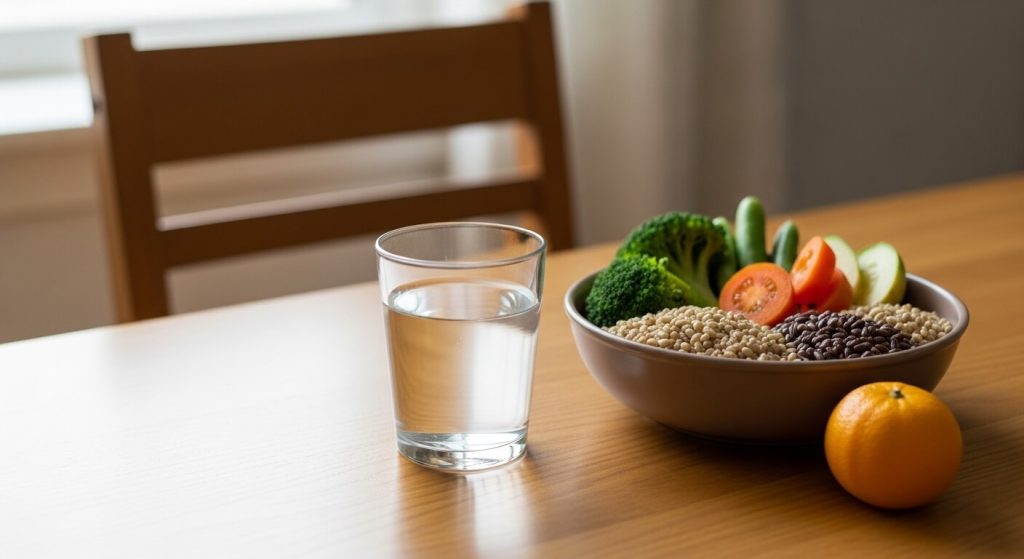
Many nutrient-dense foods contain natural compounds that can interfere with mineral absorption during digestion. Understanding these nutrient absorption blockers—and simple ways to work around them—helps you get more from the food you already eat without eliminating entire food groups.
What antinutrients actually do in your digestive system
Antinutrients are plant defense compounds that bind to minerals in your digestive tract, making them harder to absorb. The two most studied types are phytic acid (phytate) and oxalates. In controlled settings, phytates can reduce absorption of iron, zinc, magnesium, and calcium by up to 50–65%. Oxalates bind specifically to calcium, which may increase the risk of calcium oxalate kidney stones in susceptible individuals.
The important distinction: these compounds only interfere with minerals present in the same meal. Eat a phytate-rich food hours apart from an iron source, and the interaction becomes minimal.
The difference between enzyme inhibitors and mineral chelators
Mineral chelators like oxalates physically wrap around minerals, blocking absorption. Enzyme inhibitors found in seeds and legumes slow down digestive enzymes that break down proteins and other nutrients. Chelators respond well to cooking or soaking, while enzyme inhibitors break down more effectively through sprouting and fermentation, which activate enzymes that dismantle them.
Why raw foods often cause more interference than cooked ones
Heat deactivates many absorption blocking compounds. Cooking denatures phytase inhibitors and reduces phytate concentrations. Boiling vegetables leaches oxalates into the water. Raw spinach contains significantly more bioavailable oxalates than cooked spinach—which is why a large raw salad may pose more concern than the same amount lightly steamed. However, cooking also reduces some heat-sensitive nutrients like vitamin C, so aim for balance rather than eliminating raw foods entirely.
Foods hiding the highest levels of antinutrients

Antinutrient content varies widely by food type. Knowing which foods are concentrated sources helps you decide when preparation methods matter most.
Grains, legumes and seeds you should know about
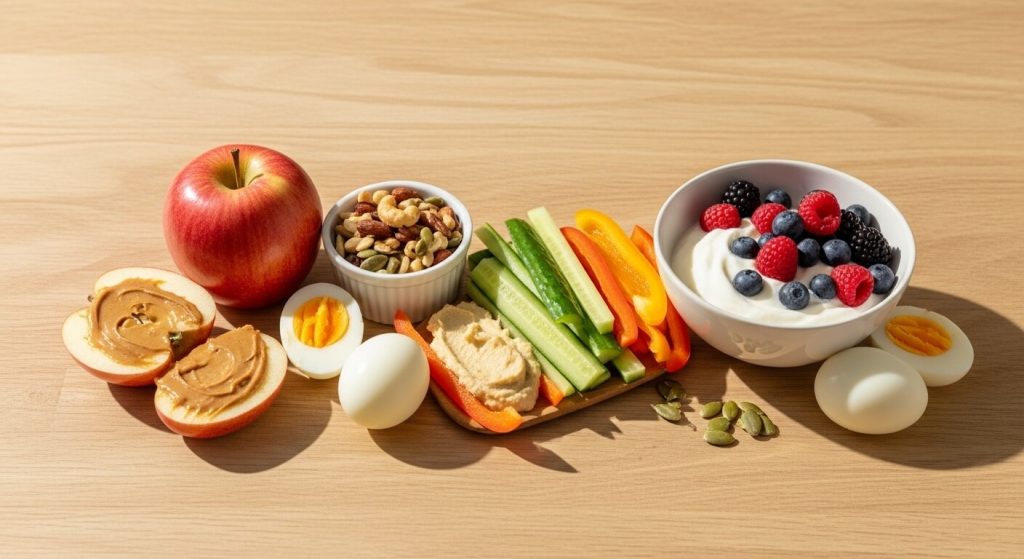
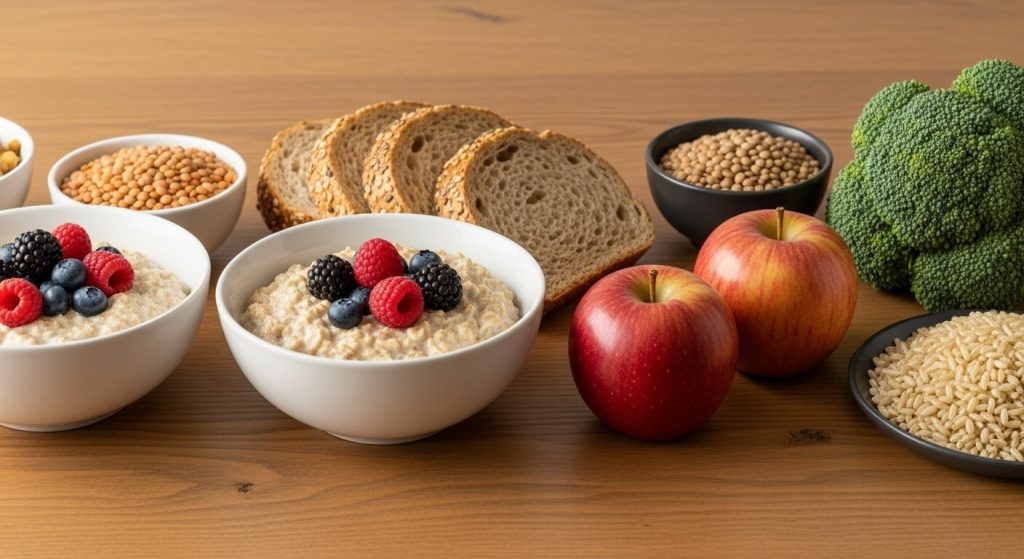
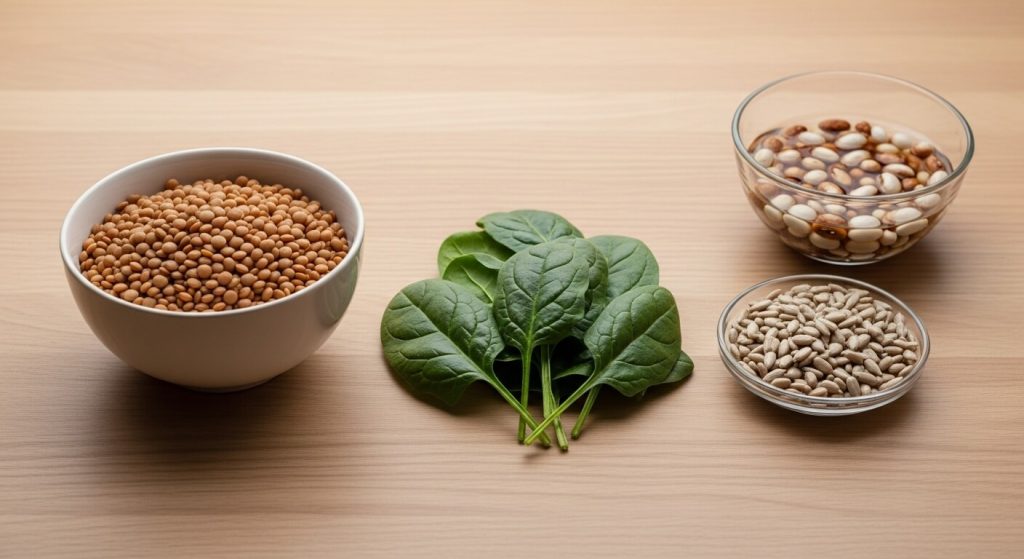
Whole grains and legumes rank among the highest phytate sources. Whole wheat flour contains roughly three times more phytate than white flour. Lentils, chickpeas, black beans, and pinto beans all contain substantial amounts. Seeds like sunflower, pumpkin, and sesame are similarly high.
This doesn’t mean avoiding these foods. If you eat a bowl of lentil soup as your primary iron source without any preparation, you’ll absorb less iron than if those lentils were soaked, sprouted, or fermented. Someone eating a varied diet with meat, poultry, or fish at other meals faces minimal practical impact.
Leafy greens, nuts and other plant foods with oxalates
Spinach, Swiss chard, beet greens, and almonds contain high oxalate levels. The concern centers on calcium absorption—if spinach is your main calcium source, oxalates significantly reduce how much you actually absorb. If you also consume dairy, fortified plant milk, or other low-oxalate calcium sources separately, the effect becomes negligible.
Simple preparation tricks to boost nutrient bioavailability
Basic preparation methods can reduce antinutrient levels measurably without requiring extra effort.
Soaking, sprouting and fermenting basics
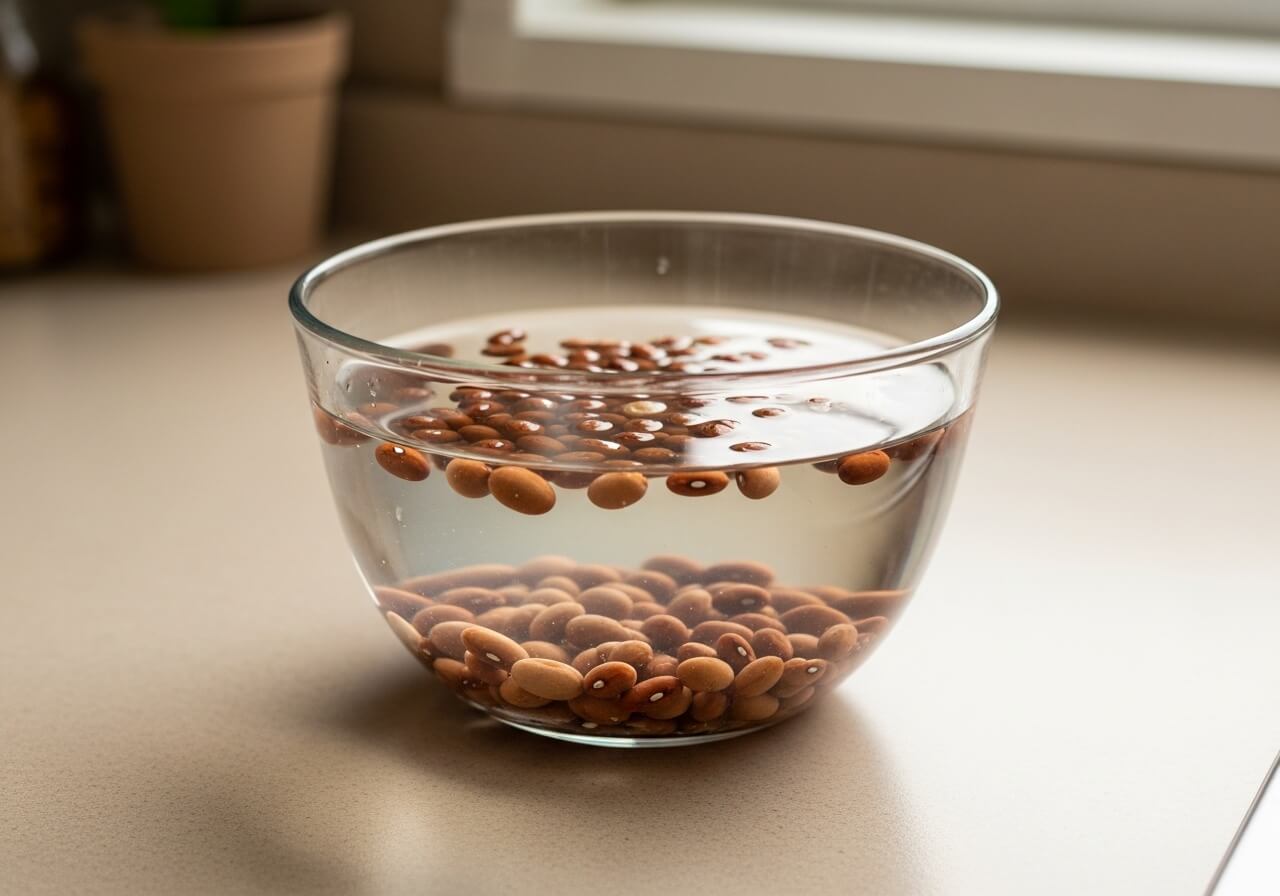
Overnight soaking of whole grains and legumes reduces phytate content by 30–50% before you even start cooking. Soak dried beans or grains in water for 8–12 hours, then drain and rinse. The water draws out phytates.
Sprouting goes further: allowing seeds, grains, or legumes to germinate activates phytase enzymes that naturally break down phytates. Fermented foods like tempeh or miso have already undergone this enzyme activation, so phytate levels are reduced when you buy them.
Practical swaps: buy sprouted bread instead of conventional whole grain bread. Choose tempeh or fermented tofu over canned beans as your legume-based protein. These require no extra preparation on your part.
Cooking techniques that deactivate blocking compounds
Standard cooking reduces antinutrients across the board. Boiling vegetables leaches oxalates into the cooking water—discard that water afterward. Steaming spinach for 5–10 minutes reduces oxalate bioavailability without destroying other nutrients. Pressure cooking legumes and grains appears particularly effective at reducing phytates, though the exact reduction varies by food and cooking time.
A practical rule: combine two methods for beans or whole grains—soak overnight, then cook normally. You don’t need to apply every technique simultaneously.
When antinutrient concerns become worth addressing
Absorption blocking compounds pose practical problems only in specific situations. Most people eating varied diets don’t need to scrutinize every meal.
Populations at higher risk for nutrient deficiencies
People eating exclusively plant-based diets may need to pay closer attention to preparation methods, particularly around iron and zinc. Plant sources of these minerals are already less bioavailable than animal sources, and antinutrients compound this challenge. Someone following a vegan diet who eats primarily unsprouted grains and legumes without varying protein sources could develop deficiencies over time. A vegan who includes fermented foods, sprouted grains, and varied legumes, nuts, and seeds faces minimal risk.
Individuals with a personal or family history of kidney stones should limit high-oxalate foods or ensure they’re eating adequate calcium and staying well-hydrated. People with diagnosed iron-deficiency anemia benefit from separating phytate-rich and iron-rich foods by several hours, or choosing preparation methods that reduce phytates.
Foods that rarely cause absorption problems
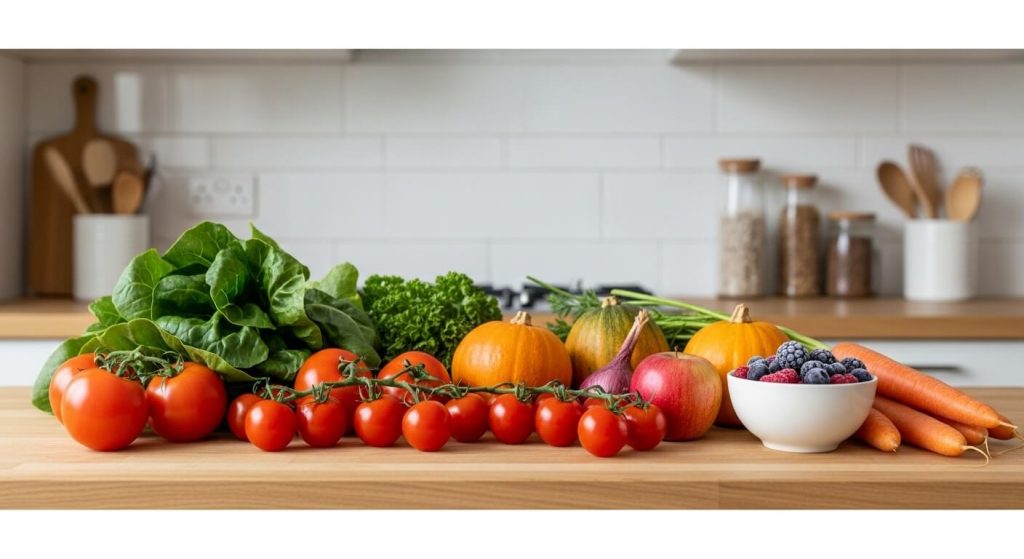
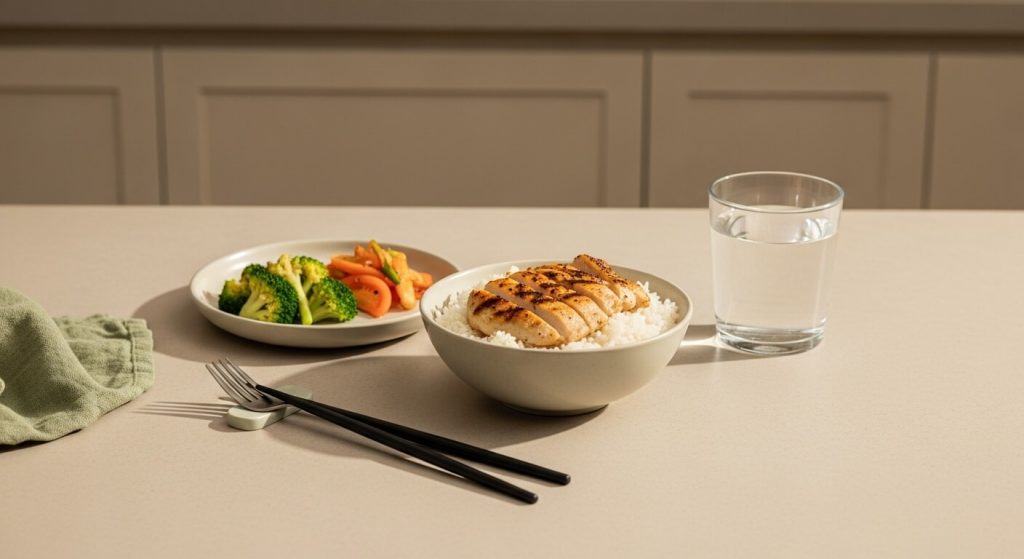
Most fruits, non-starchy vegetables, and animal proteins contain negligible antinutrient levels. Bananas, apples, carrots, broccoli, chicken, fish, and eggs present no practical concern. White rice contains minimal phytates compared to brown rice. These foods form the backbone of most diets and require no special preparation.
FAQ
Do I need to avoid all high-phytate foods to get proper nutrition?
No. Avoiding entire food groups like whole grains and legumes would eliminate nutrient-dense foods and create more nutritional problems than it solves. Antinutrients only meaningfully reduce absorption when eaten at the same meal as their target minerals, and only in isolation. Someone eating a mixed meal—grains with vegetables, legumes with a vitamin C source—sees minimal interference. The practical goal is smart preparation of high-antinutrient foods when they form the main mineral source in a meal, not elimination.
How much do antinutrients in spinach actually block iron absorption?
Spinach contains both iron and high oxalate levels, which bind that iron and reduce its bioavailability. The practical impact depends on context. If spinach is your only iron source in a meal, you absorb less iron than from red meat or poultry. If you eat spinach as part of a meal containing other iron sources, animal protein, or vitamin C—both of which enhance iron absorption—the effect becomes small. Eat spinach at one meal and iron-rich foods at another, and there’s no interference. Cooked spinach presents less concern than raw because cooking reduces oxalate bioavailability.
Can taking supplements counteract absorption blockers in meals?
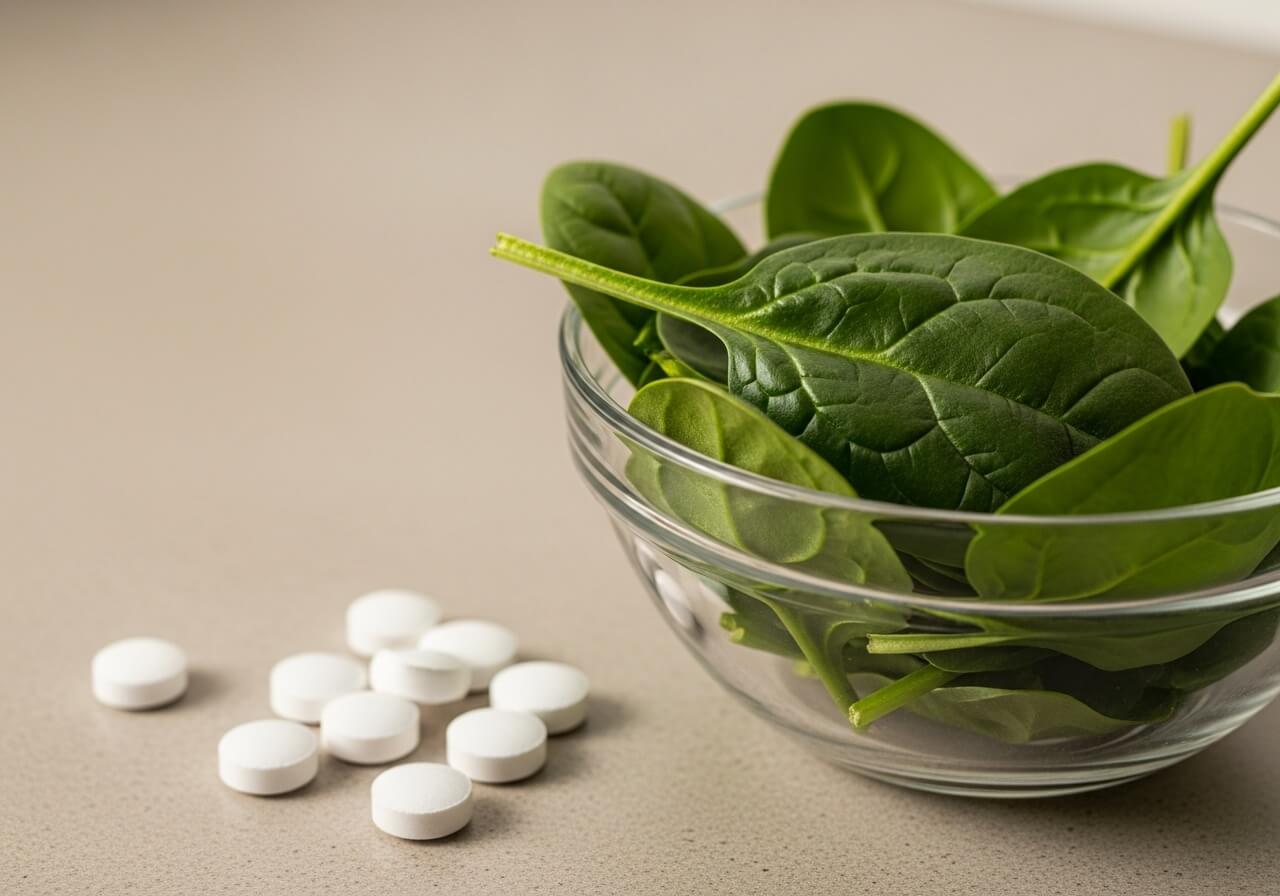
Supplements taken at a different time than a phytate-rich meal absorb independently without interference. Take them with the meal, and antinutrients in food may still reduce absorption somewhat. A more effective strategy is improving the meal itself through preparation or food pairing rather than relying on supplements to compensate. That said, supplements are appropriate for people with diagnosed deficiencies or those whose diets genuinely limit mineral intake.
Conclusion
Antinutrients pose a practical problem only when someone eats high-phytate or high-oxalate foods as their sole source of a mineral without using basic preparation methods. For most people, eating a varied diet with different protein sources and using simple techniques like soaking grains overnight or cooking vegetables addresses any legitimate concern. Start by applying preparation methods only to foods that form your primary mineral sources—don’t overcomplicate eating a normal, balanced diet.
This content is for educational purposes only and is not medical advice. Always consult a qualified healthcare professional for personalised guidance.