
The insulin index measures how much a food raises blood insulin in the two hours after eating, comparing each food to white bread or pure glucose as a 100 percent reference point. Unlike the glycemic index, which only tracks blood sugar changes, the insulin index captures the full insulin demand created by carbohydrates, protein, and fat—revealing that high-protein foods like yogurt or baked beans can trigger significant insulin responses despite their low carbohydrate content. This guide explains how your body responds to different foods, what that means for energy storage, and which practical choices help maintain steadier insulin levels.
- Decoding the Insulin Index and Its Origins
- Defining the Insulin Index vs. Glycemic Index
- The Scientific Basis: Measuring Insulin Response
- The Core Mechanism: How Specific Foods Elevate Insulin
- Nutrient Triggers: Carbohydrates, Proteins, and Fats
- The Pancreatic Response and Insulin’s Immediate Role
- Insulin’s Direct Role in Energy Storage and Fat Accumulation
- Shifting Towards Anabolism: Insulin’s Storage Command
- Preventing Fat Breakdown: How Insulin Halts Lipolysis
- Identifying High and Low Insulin Triggering Foods
- Common Foods with a High Insulin Index
- Everyday Choices for a Lower Insulin Impact
- Optimizing Your Diet for Better Insulin Sensitivity
- Strategic Food Pairing to Moderate Insulin Spikes
- Prioritizing Whole, Unprocessed Foods for Stable Levels
- Common Misconceptions About Insulin and Weight Management
- Separating Insulin’s Role from Caloric Intake Alone
- The Nuance of Protein and Dairy on Insulin Secretion
- Advanced Considerations for Individual Insulin Responses
- The Impact of Fiber, Acidity, and Food Preparation
- Genetic and Lifestyle Factors Affecting Sensitivity
- Common Questions About the Insulin Index
- What exactly is the insulin index of foods?
- Do all carbohydrates cause a high insulin response?
- How does the insulin index relate to fat storage insulin?
- Can an insulin response diet improve insulin sensitivity nutrition?
- Are fruits considered insulin triggering foods?
- Conclusion
Decoding the Insulin Index and Its Origins

Defining the Insulin Index vs. Glycemic Index
The glycemic index ranks foods only by how quickly they raise blood glucose. The insulin index measures the actual insulin demand a food creates—a crucial difference because some foods trigger substantial insulin secretion without raising blood sugar dramatically. Yogurt, baked beans, and ground beef all produce significant insulin responses that the glycemic index alone would not predict. A food can have a low glycemic index but a high insulin index, meaning it raises blood glucose slowly but still requires substantial insulin from your pancreas.
The Scientific Basis: Measuring Insulin Response
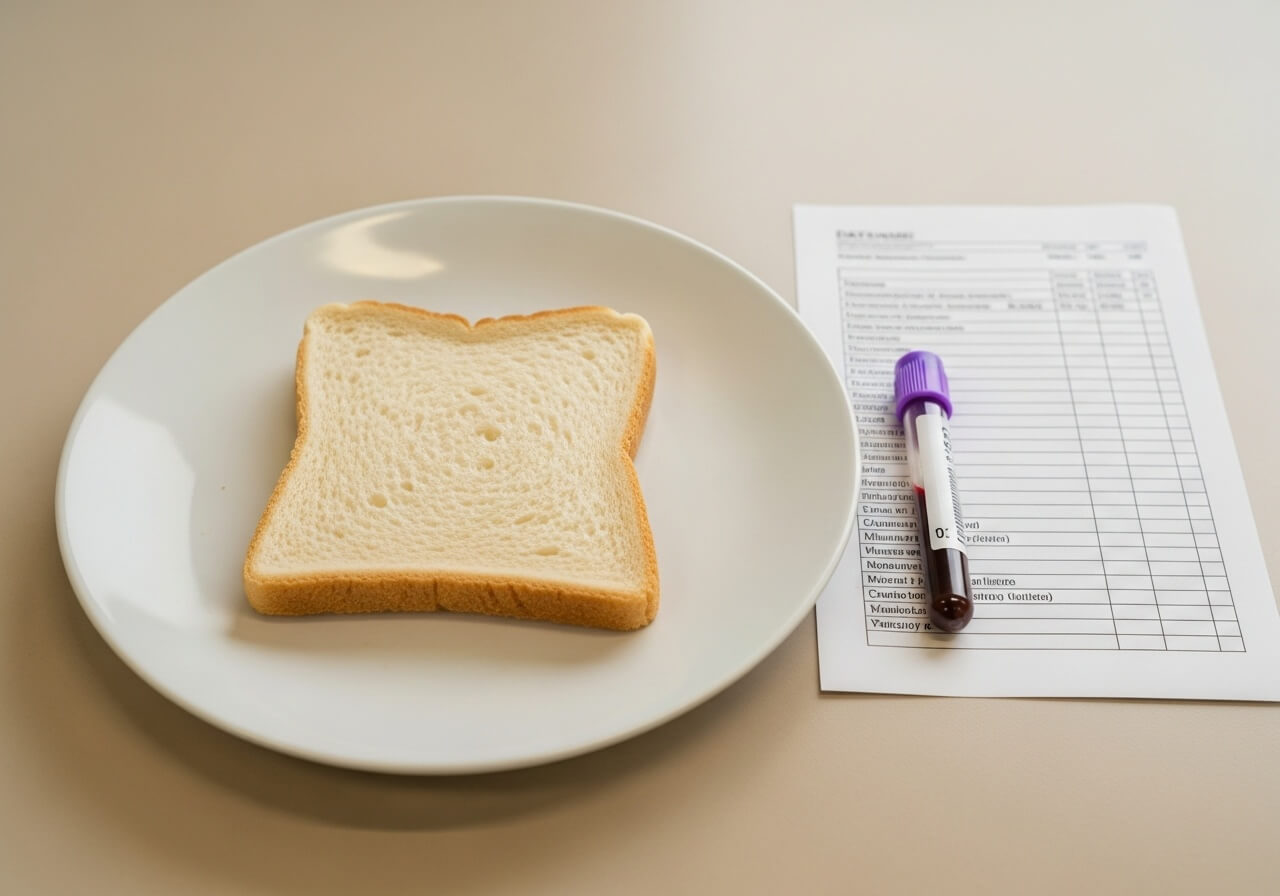
The insulin index was developed at the University of Sydney, School of Life and Environmental Sciences, where researchers fed people standardized portions of foods and measured blood insulin levels over two hours. They compared each food’s insulin effect to white bread or glucose as the 100 percent reference standard, allowing them to rank hundreds of everyday foods by their actual insulin-triggering capacity. This provides a more complete picture than glycemic index alone, especially for high-protein and high-fat foods.
The Core Mechanism: How Specific Foods Elevate Insulin
Nutrient Triggers: Carbohydrates, Proteins, and Fats
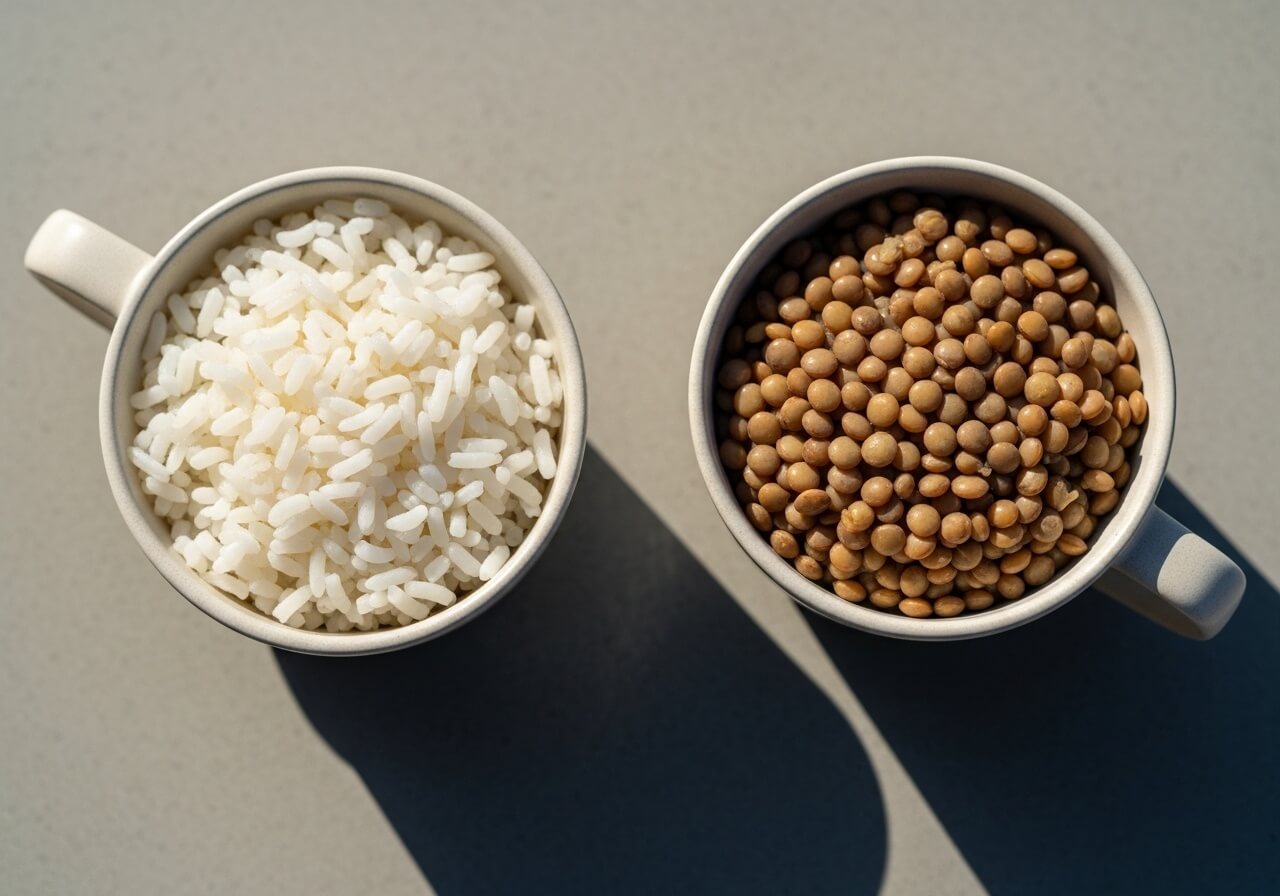
Carbohydrates trigger the strongest insulin response. Protein raises insulin approximately 46 percent as much as carbohydrates do for the same caloric amount. Fat raises insulin only about 15 percent as much. Fiber reduces the insulin impact of carbohydrates by roughly 78 percent—a powerful modifying effect. Eating a cup of white rice produces a much larger insulin spike than eating a cup of lentils at similar calories, partly because lentils contain substantial fiber.
The Pancreatic Response and Insulin’s Immediate Role
After you eat, glucose, amino acids, and fatty acids enter your bloodstream. Your pancreas senses this nutrient influx and releases insulin within minutes. Insulin signals cells to accept incoming glucose for energy or storage, tells muscles to take up amino acids for repair, and directs fat tissue to accept triglycerides. This is a necessary process—the question is how often and how intensely your insulin levels spike, because chronically elevated insulin is associated with metabolic challenges over time.
Insulin’s Direct Role in Energy Storage and Fat Accumulation
Shifting Towards Anabolism: Insulin’s Storage Command
When insulin levels are high, your body enters a storage state. Insulin tells cells to import glucose and store it as glycogen in muscles and liver. It signals fat cells to take up circulating fatty acids and pack them into fat stores. This is appropriate after a meal when you have just absorbed calories. The challenge arises when you spend most of the day with elevated insulin—your body remains in storage mode, making it harder for stored fat to be accessed between meals.
Preventing Fat Breakdown: How Insulin Halts Lipolysis
Lipolysis is the process of breaking down stored body fat into usable fuel. Insulin suppresses this process directly. When insulin is elevated, your body does not release fatty acids from fat tissue into the bloodstream, even if you need energy. Conversely, when insulin drops during fasting or between meals, lipolysis can proceed. People who eat frequent high-insulin-index meals—white bread with jam, sugary drinks, processed snacks—may find it harder to tap into fat stores for energy because insulin never drops enough to enable fat breakdown.
Identifying High and Low Insulin Triggering Foods

Common Foods with a High Insulin Index
High-insulin foods include white bread, refined breakfast cereals, processed cookies, doughnuts, and sugary drinks—carbohydrate-rich processed foods with little fiber. Less obviously, high-protein and high-fat foods like yogurt, baked beans, and walnuts also trigger substantial insulin responses despite modest carbohydrate content. A bowl of Greek yogurt with honey may raise insulin as much as a slice of whole wheat bread, even though the yogurt appears more nutritious and lower in carbs.
Everyday Choices for a Lower Insulin Impact
Lower-insulin foods include whole-grain bread (higher fiber than white bread), oats with skin intact, legumes like lentils and chickpeas, non-starchy vegetables, most fruits, nuts in moderation, and fatty fish. Eggs produce a surprisingly low insulin response despite containing protein, partly because the fat content moderates the response. Steel-cut oats rank lower than instant oats because they contain more intact fiber. Whole apples rank lower than apple juice because intact fiber blunts the insulin spike. The pattern: whole, intact foods with fiber present, or foods where fat content slows digestion, generally produce lower insulin responses than processed or refined counterparts.
Optimizing Your Diet for Better Insulin Sensitivity
Strategic Food Pairing to Moderate Insulin Spikes
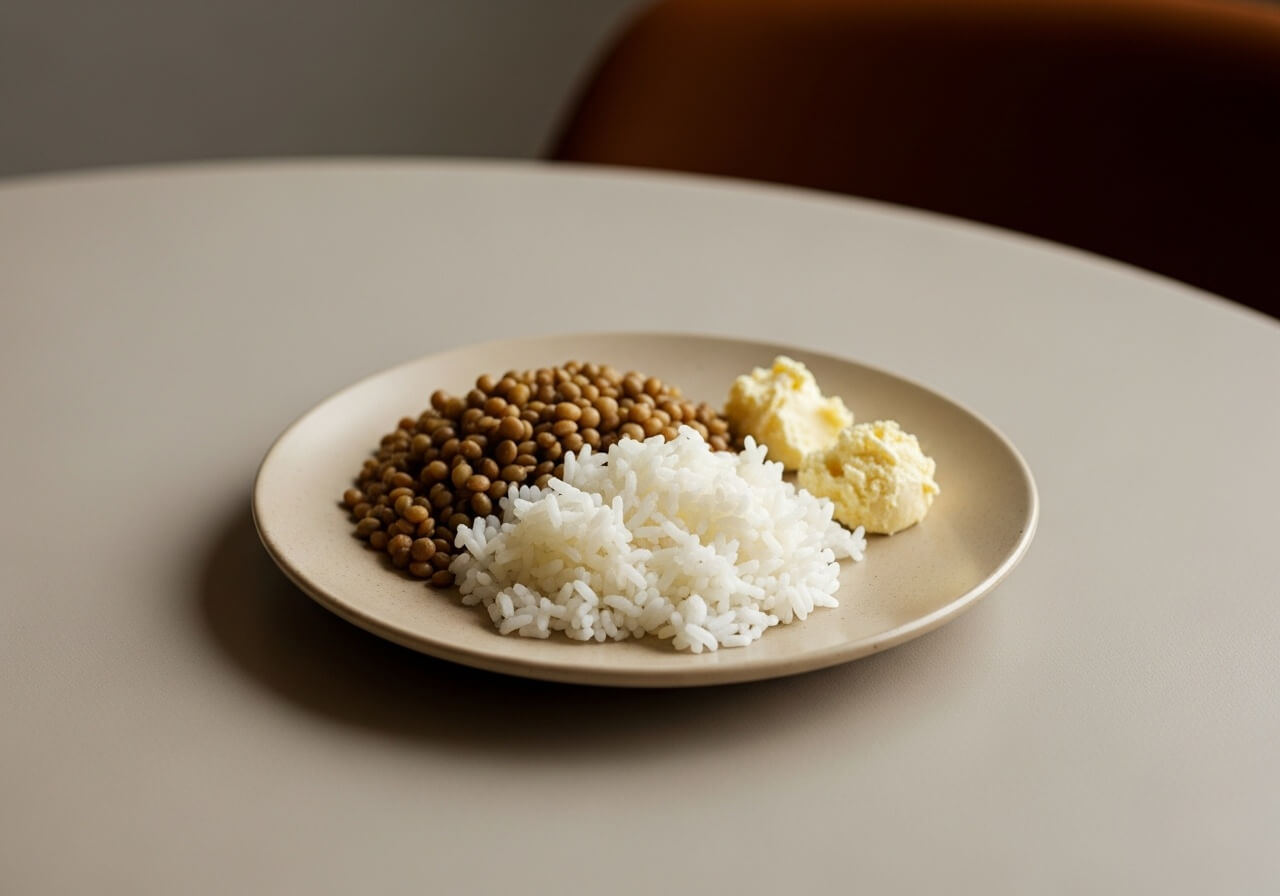
You can blunt insulin spikes through strategic pairing. Eating carbohydrates with protein and fat present slows digestion and reduces the insulin peak. White bread with butter and cheese produces a lower insulin spike than white bread alone. White rice with legumes creates a lower insulin response than white rice by itself. A banana with almond butter moderates the insulin response compared to the banana alone. Fiber, protein, and fat act as biological brakes on how fast glucose enters your bloodstream and how high insulin must rise to clear that glucose.
Prioritizing Whole, Unprocessed Foods for Stable Levels
Build meals primarily from whole foods: vegetables, legumes, whole grains still in their original form (steel-cut oats, brown rice, barley), fruits with skin intact, eggs, fatty fish, nuts, and seeds. These foods naturally contain fiber, resistant starch, or fat that slows nutrient absorption. They also tend to be more filling. Processing removes fiber—a primary moderator of insulin response—and often adds fast-absorbing carbohydrates, so processed foods consistently rank higher on the insulin index than their whole-food equivalents. A practical starting point is replacing refined bread, cereals, and snacks with whole-grain or legume-based counterparts.
Common Misconceptions About Insulin and Weight Management
Separating Insulin’s Role from Caloric Intake Alone
A widespread misunderstanding is that insulin alone determines body weight. Losing fat still requires a caloric deficit—consuming fewer calories than you expend. However, insulin management can make achieving that deficit easier. High-insulin foods tend to be less satiating per calorie, so you eat more before feeling full. They may also trigger faster hunger rebounds. Lower-insulin foods—especially those high in fiber and protein—promote satiety, making a caloric deficit easier to maintain without constant hunger. Insulin management is not a replacement for understanding calories; it is a way to make caloric balance more achievable through better food choices.
The Nuance of Protein and Dairy on Insulin Secretion
Protein raises insulin roughly 46 percent as much as carbohydrates. This does not mean protein is problematic—it promotes satiety, preserves muscle, and takes more energy to digest. But it does raise insulin. A large bowl of Greek yogurt will trigger significant insulin secretion, even though it is high-protein and low-sugar. Similarly, cheese, milk, and whey protein powder all raise insulin more than people typically expect. This matters for someone with type 1 diabetes dosing insulin for meals, or for anyone tracking their insulin response closely. Include protein and dairy freely, but balance them with fiber and fat to optimize the overall insulin response.
Advanced Considerations for Individual Insulin Responses
The Impact of Fiber, Acidity, and Food Preparation
Your personal response can vary from average insulin index values. The amount of fiber present, its type (soluble vs. insoluble), and how finely the food is ground all matter. Steel-cut oats produce a lower insulin spike than rolled oats partly because they retain more intact fiber structure. Vinegar and lemon juice slow stomach emptying and reduce glucose absorption, blunting insulin response. Cooking method also plays a role: undercooked pasta (al dente) produces a lower insulin response than overcooked pasta because the starch structure remains less gelatinous. Cold potatoes trigger less insulin than hot potatoes because cooling partially converts digestible starch into resistant starch. Identical foods can produce different insulin responses based on preparation.
Genetic and Lifestyle Factors Affecting Sensitivity
Your genetic background, fitness level, sleep quality, stress levels, and gut microbiome all influence how high your insulin rises in response to food. People with a family history of type 2 diabetes may have lower baseline insulin sensitivity, meaning their pancreas must work harder to clear the same glucose load. Regular physical activity, especially strength training and interval exercise, may improve insulin sensitivity—your cells become more responsive to insulin, so less is needed. Poor sleep can worsen insulin sensitivity temporarily. Chronic stress elevates cortisol, which may reduce insulin sensitivity. Two people eating identical meals can have different insulin responses. General insulin index recommendations give you a useful starting point, but how your body responds to specific foods may require individual experimentation, especially if you have metabolic concerns.
Common Questions About the Insulin Index
What exactly is the insulin index of foods?
The insulin index is a numerical ranking of how much a food raises blood insulin levels in the two hours after eating, standardized against white bread or glucose as a 100 percent reference. A food with an insulin index of 50 raises insulin half as much as white bread; a food with an index of 150 raises it 50 percent more. It differs from the glycemic index by measuring actual insulin demand rather than just blood glucose response.
Do all carbohydrates cause a high insulin response?
No. Carbohydrates vary widely depending on fiber content, processing, and form. Whole oats with intact fiber produce a much lower insulin response than instant oatmeal or refined white bread. A whole apple with skin produces a lower response than apple juice from the same apple. Legumes like lentils produce lower insulin responses than white rice despite having similar total carbohydrate content. The type, amount of fiber, and degree of processing matter more than carbohydrate quantity alone.
How does the insulin index relate to fat storage insulin?
Insulin facilitates storage when nutrients are present after eating. High circulating insulin tells fat cells to take up fatty acids and glucose and store them. Spending most of the day with elevated insulin keeps fat tissue in storage mode and prevents the fat breakdown needed to access stored energy between meals. Managing your insulin index through food choice helps keep insulin elevated only when needed and allows it to drop between meals, enabling fat mobilization.
Can an insulin response diet improve insulin sensitivity nutrition?
Eating lower-insulin-index foods consistently, combined with physical activity and adequate sleep, may improve your cells’ responsiveness to insulin over time—a process called improving insulin sensitivity. Better insulin sensitivity means your pancreas does not need to release as much insulin to clear the same meal. However, insulin sensitivity also depends on body composition, fitness level, genetics, and overall metabolic health. Someone with type 2 diabetes or severe insulin resistance should work with a healthcare provider or registered dietitian, as dietary change alone may be insufficient.
Are fruits considered insulin triggering foods?
Most whole fruits produce moderate insulin responses because they contain fiber that blunts absorption. A whole apple, orange, or banana ranks lower on the insulin index than the same fruit as juice, because juice lacks fiber. Dried fruits like raisins or dates have concentrated sugars and less water, so they rank higher on the insulin index than fresh equivalents. Berries, which are high in fiber and lower in sugar density, produce particularly low insulin responses. Eat fruit whole, with skin intact when possible, and in its natural form rather than as juice.
Conclusion
Understanding the insulin index gives you a practical framework for making food choices that support stable energy and metabolic health. Start by replacing refined grains and processed snacks with whole-grain and legume-based alternatives, and by adding fiber and fat to meals containing carbohydrates. These changes require no complex calculations—just awareness and practical swaps that work with your metabolism rather than against it.