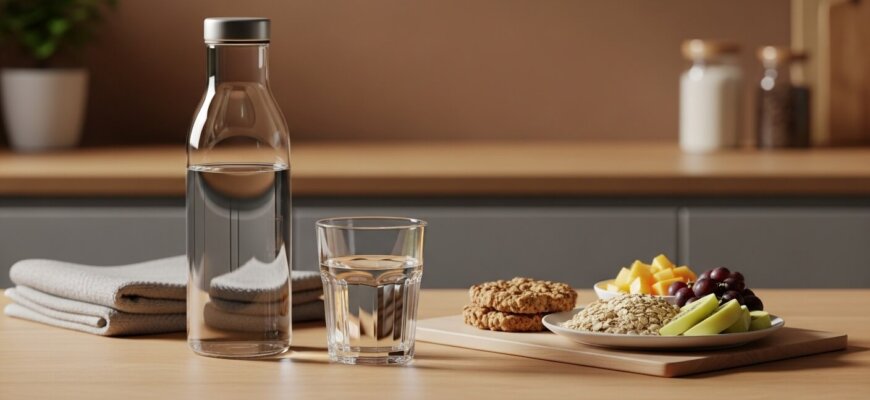
Water supports weight loss and fitness, but not because it directly burns fat. Instead, proper hydration enables your metabolism to work efficiently, helps you perform better during workouts, and can influence how much you eat. Understanding when and how much to drink—without falling for myths about water weight or extreme intake strategies—lets you use hydration as a practical tool rather than a magic solution.
- How Your Body Uses Water for Weight Loss and Fitness
- Water’s Role in Metabolic Reactions That Burn Calories
- Dehydration’s Impact on Fat Oxidation During Exercise
- When and How Much to Drink for Fitness Results
- Pre-Meal Water Timing to Support Satiety and Digestion
- Hydration Windows That Maximize Athletic Performance
- Why Extra Water Doesn’t Always Equal More Weight Loss
- The Difference Between Water Weight and Actual Fat Loss
- Signs You’re Drinking Too Much or Too Little for Your Activity Level
- FAQ
- How much water should I drink daily for weight loss?
- Does drinking water before workouts actually improve performance?
- Can chronic dehydration sabotage weight loss efforts?
- Will cutting water intake reduce water retention?
- What’s the best time to drink water for metabolism?
- Conclusion
How Your Body Uses Water for Weight Loss and Fitness
Water’s Role in Metabolic Reactions That Burn Calories
Every chemical reaction in your body—including those that break down stored fat for energy—requires water. When you’re dehydrated, these reactions slow down. But drinking water doesn’t directly burn fat. It simply allows your metabolic processes to function normally.
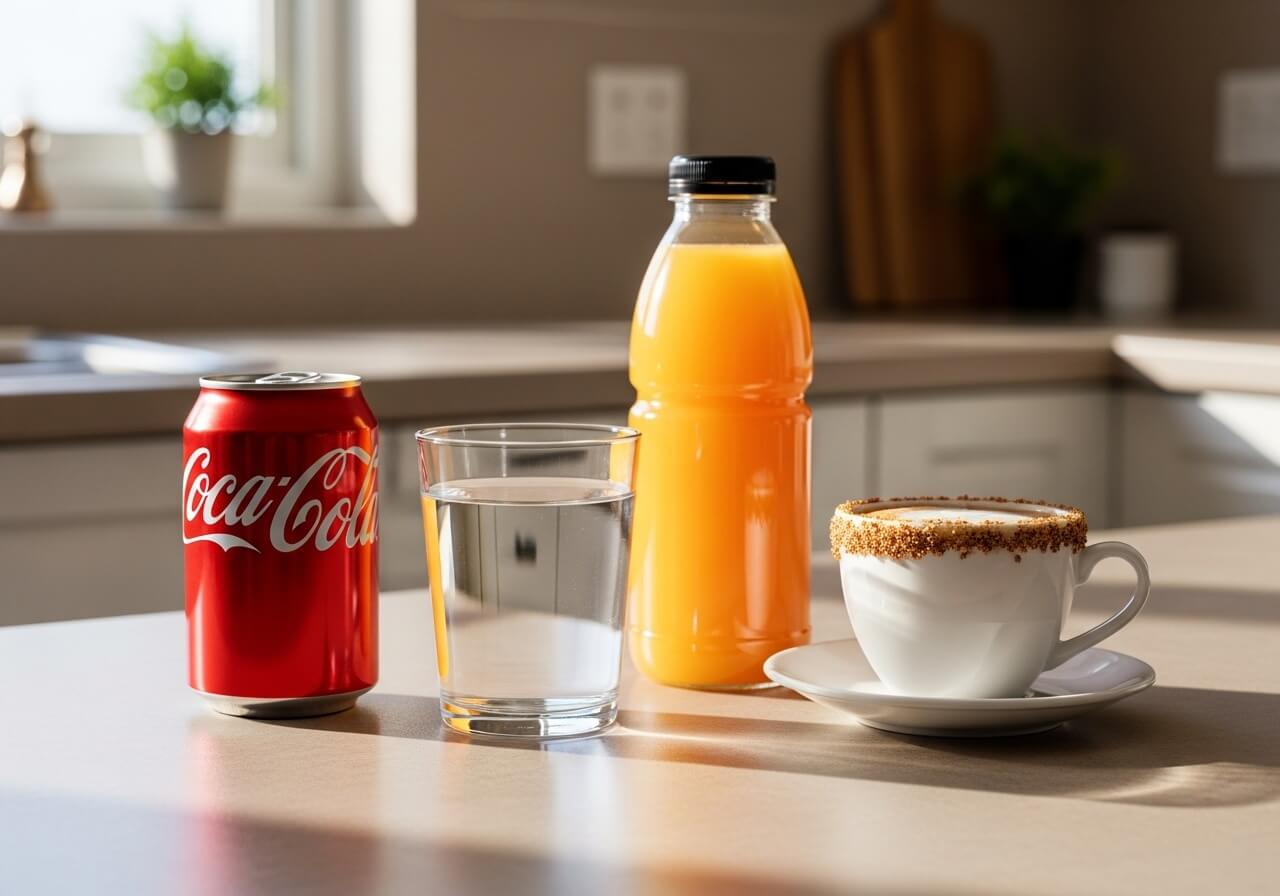
The most practical weight loss benefit comes from replacing calorie-dense drinks. When you swap soda, juice, or sweetened coffee for water, you reduce total calorie intake without changing your eating habits. This is where many people see straightforward results from better hydration.
Dehydration’s Impact on Fat Oxidation During Exercise
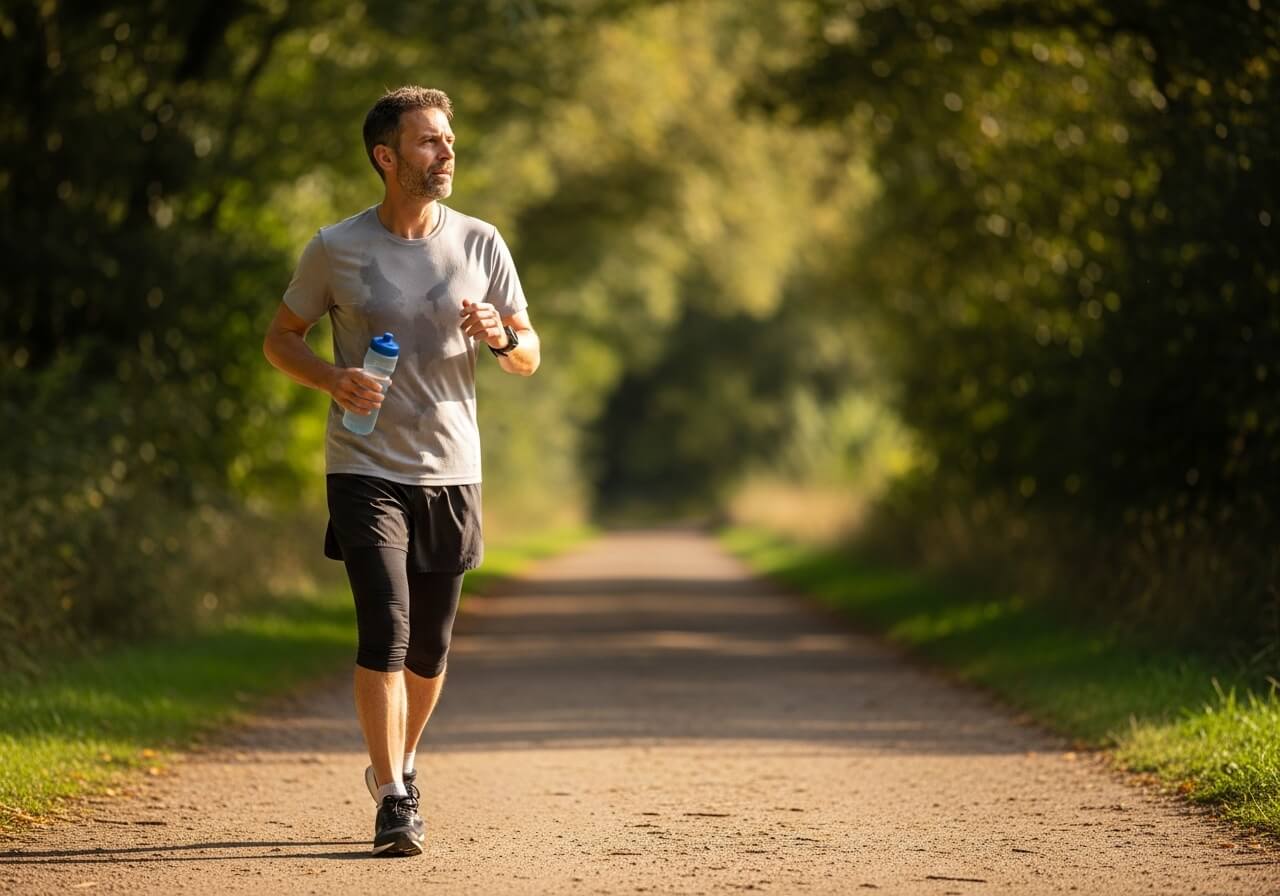
Your workout performance depends on stable hydration. When you exercise with insufficient fluids, your body struggles to deliver oxygen and nutrients to working muscles. Heat dissipation becomes harder. Your intensity drops—you move slower, tire faster, and burn fewer calories than you would when properly hydrated.
During longer or more intense activity, dehydration also makes it harder for your body to mobilize and use stored fat as fuel. Hydration plans should be adjusted to match your sweat losses before, during, and after exercise, especially if you’re working out for more than an hour or in hot conditions.
When and How Much to Drink for Fitness Results
Pre-Meal Water Timing to Support Satiety and Digestion
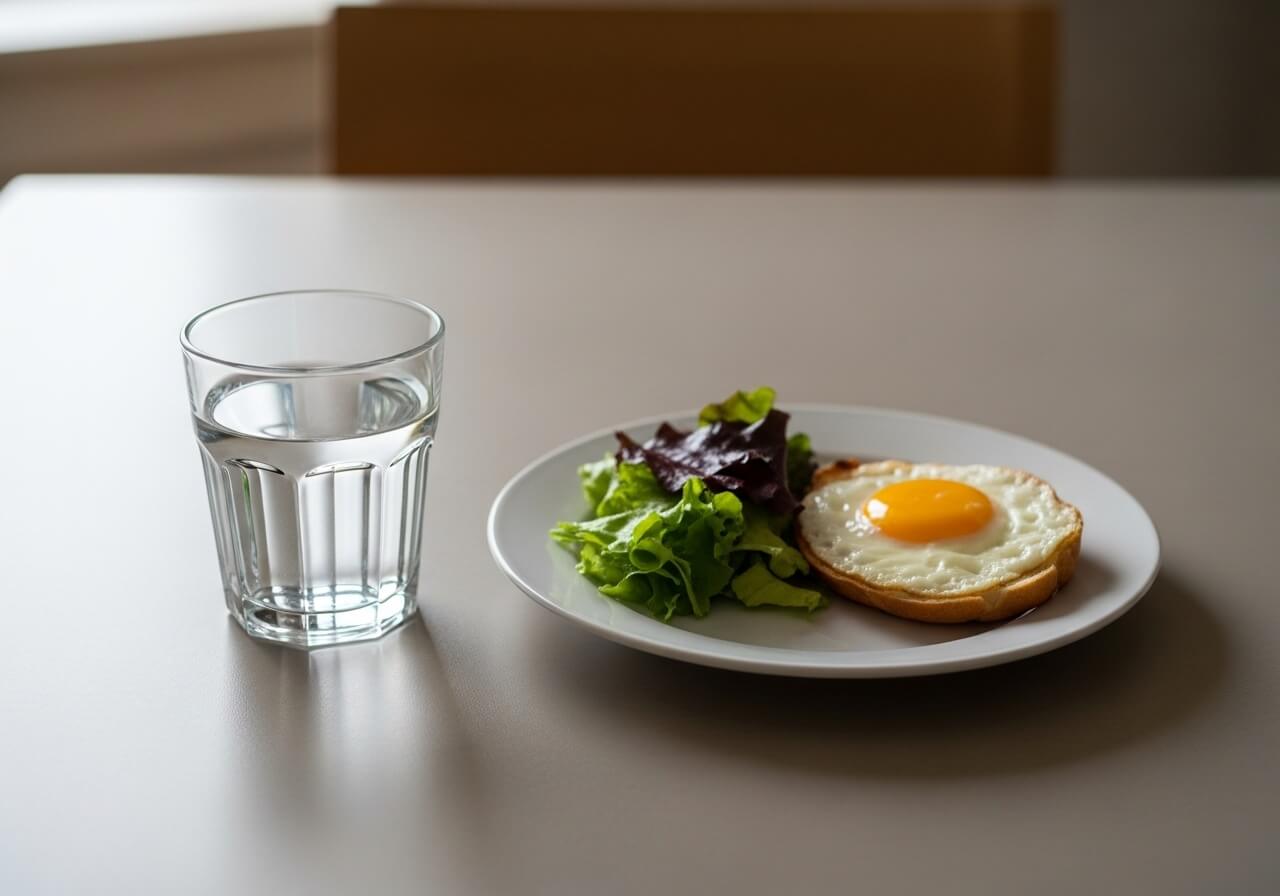
Drinking water 15 to 30 minutes before eating may help you consume less at that meal. Try having a glass while you’re preparing food or sitting down to eat. This works best when you’re genuinely hungry—water won’t override appetite if you’re eating out of habit or boredom.
The effect is modest and temporary. Someone might drink water before lunch and eat less, then make up those calories with snacks later. For this strategy to support weight loss, the reduced meal intake needs to result in lower daily calorie consumption overall.
Hydration Windows That Maximize Athletic Performance
Rather than focusing only on a daily hydration target, think about timing around your workouts.
Before exercise: Drink 400 to 600 milliliters (roughly 14 to 20 ounces) of water two to three hours beforehand. This gives your body time to absorb and distribute the fluid. Another 200 to 300 milliliters about 20 minutes before you start provides a final boost without making you feel bloated.
During exercise: For workouts shorter than an hour at moderate intensity, plain water is sufficient. If you’re exercising hard for longer than an hour, or in very hot weather, sip fluids regularly—about 150 to 250 milliliters every 15 to 20 minutes.
After exercise: Drink approximately 150% of the fluid weight you lost during the workout over the next four to six hours. If you lost one pound during exercise (roughly 500 milliliters of sweat), aim for about 750 milliliters of fluid after.
Proper hydration before and during exercise allows you to maintain intensity, which means you burn more calories during the workout and create a stronger stimulus for fitness adaptation.
Why Extra Water Doesn’t Always Equal More Weight Loss
The Difference Between Water Weight and Actual Fat Loss
Your body holds water based on sodium intake, hormones, carbohydrate stores, and other factors. When you drastically cut water intake, the scale often drops quickly—but this is water weight, not fat loss. The moment you resume normal hydration, that weight returns. Meanwhile, restricting water can impair your workouts and leave you feeling fatigued.
People sometimes mistake water weight changes for progress. You might weigh less on the scale after drinking less, but your actual body composition—the ratio of fat to muscle—hasn’t changed. Real weight loss requires a calorie deficit over time. Water restriction creates an illusion of progress without addressing the fundamentals.
Signs You’re Drinking Too Much or Too Little for Your Activity Level
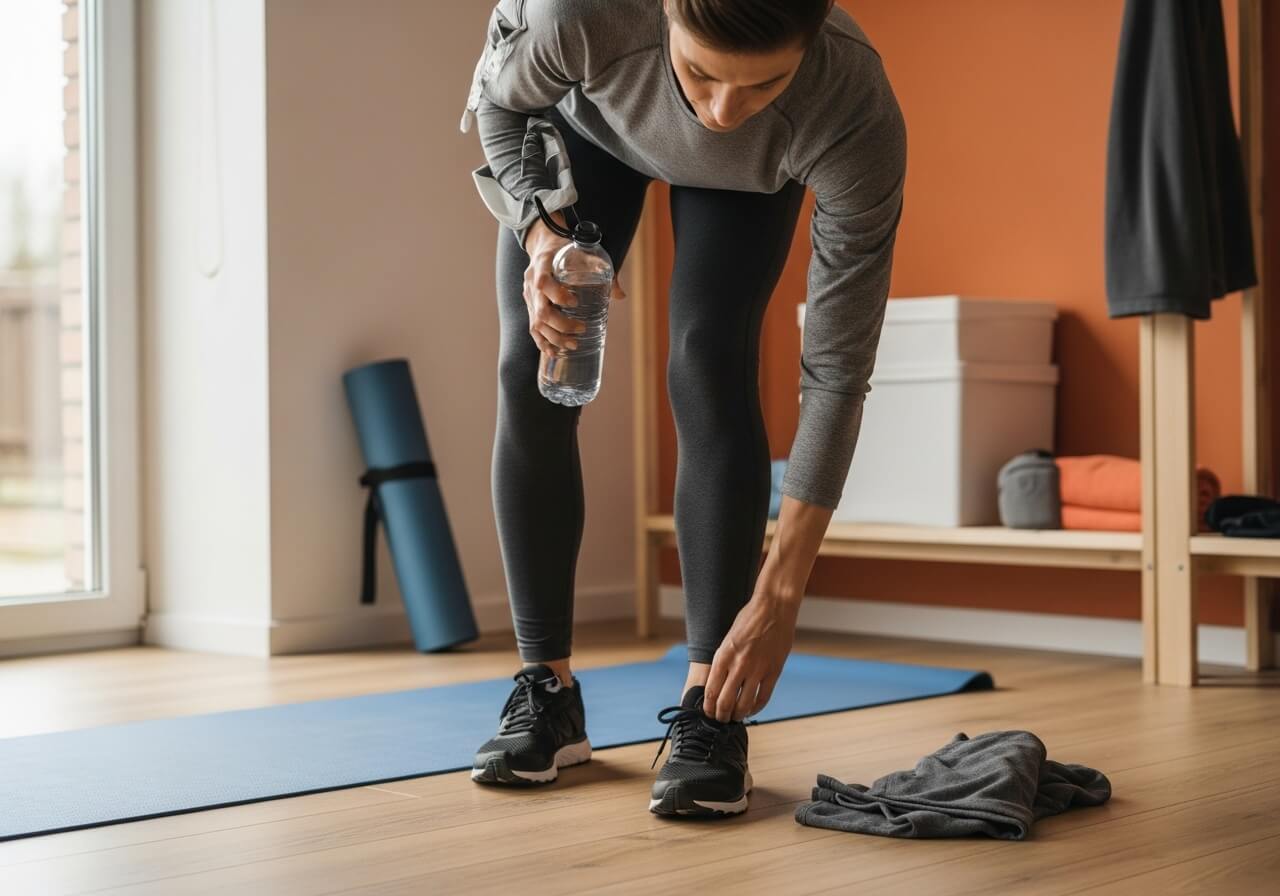
Fluid needs vary with body size, climate, diet, and workout intensity, so “more” is not automatically better. Drinking too little shows up as dark urine, early fatigue during exercise, reduced workout performance, and difficulty concentrating.
Drinking too much is less common but possible. Overhydration, especially during or after long endurance exercise, can dilute your blood sodium and cause a condition called hyponatremia. Symptoms include nausea, headache, confusion, and in severe cases, swelling of the brain. This is rare in typical gym-based fitness but can occur during marathons or long-distance cycling if someone drinks excessive plain water without electrolytes.
A practical guideline: your urine should be pale yellow to clear during the day. If it’s very dark, drink more. If you’re urinating constantly or feel bloated, you may be overdoing it. After exercise, drink enough to replace your sweat losses without forcing down excessive fluid in one sitting.
FAQ
How much water should I drink daily for weight loss?
There’s no single number that works for everyone. A common baseline is about half your body weight in ounces—so a 150-pound person might aim for 75 ounces daily—but this changes with activity level, climate, diet, and individual sweat rate. Use urine color and thirst as guides. Weight loss depends primarily on total calorie intake, not water intake alone.
Does drinking water before workouts actually improve performance?
Yes, especially for workouts lasting longer than an hour or during hot weather. Drinking water two to three hours before exercise and again 20 minutes before starting helps maintain performance by supporting oxygen delivery and temperature regulation. For a 30-minute moderate session at room temperature, the difference is smaller.
Can chronic dehydration sabotage weight loss efforts?
Yes. When you’re consistently under-hydrated, your workout performance suffers—you move slower, tire faster, and burn fewer calories. You may also feel more fatigued between workouts, reducing your overall activity level. Additionally, mild dehydration can be mistaken for hunger, leading to unnecessary eating. Consistent exercise and deliberate food choices both become harder when you’re chronically dehydrated.
Will cutting water intake reduce water retention?
Cutting water intake causes temporary water weight loss, but this is a surface change. When you restrict water, you become dehydrated, which can actually signal your body to retain more water as a protective mechanism. Once you drink normally again, the water returns. If you have genuine water retention issues, focus on sodium balance, adequate protein intake, regular movement, and consistent hydration—not restriction.
What’s the best time to drink water for metabolism?
Water intake itself doesn’t significantly boost metabolism. The timing that matters is around meals and exercise. Drinking water before meals may reduce intake at that meal. Proper hydration during and after workouts supports performance and recovery. Morning hydration after waking helps rehydrate after sleep. Match your water intake to your daily routine rather than chasing a “best time” for metabolic benefits.
Conclusion
Start by matching your water intake to your activity level and using pre-meal water if it helps you eat less. Check your urine color and how you feel during workouts, then adjust from there. Small, consistent habits with hydration will support your weight loss and fitness goals far more than chasing extreme strategies or fixating on the scale.