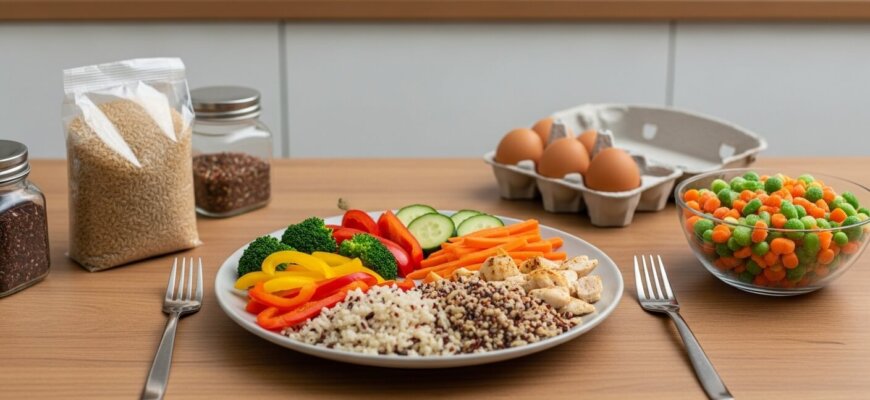
Looking to improve your diet but feel overwhelmed? Healthy eating doesn’t require complicated rules or restrictive patterns. This guide breaks down how to eat healthy into simple, actionable steps built around practical changes that fit real life. You’ll learn to use a balanced plate approach, stock your kitchen effectively, and build sustainable habits that support your well-being.
- Preparing Your Kitchen for Healthy Eating
- Clearing Out Unhelpful Foods
- Stocking Up on Nutritious Staples
- Building Your Balanced Plate
- Prioritizing Protein, Fiber, and Healthy Fats
- Incorporating a Variety of Fruits and Vegetables
- Practical Steps for Healthy Eating Habits
- Planning Your Meals and Snacks
- Mindful Eating and Portion Control
- Common Challenges and How to Overcome Them
- Navigating Cravings and Emotional Eating
- Eating Healthy on a Budget
- When to Adjust Your Healthy Eating Plan
- Recognizing Signs Your Diet Needs Tweaking
- Consulting a Professional for Personalized Advice
- FAQ
- What are the healthy eating basics I should focus on first?
- How can I make healthy meals without spending hours cooking?
- Are there specific balanced diet tips for busy individuals?
- Conclusion
Preparing Your Kitchen for Healthy Eating
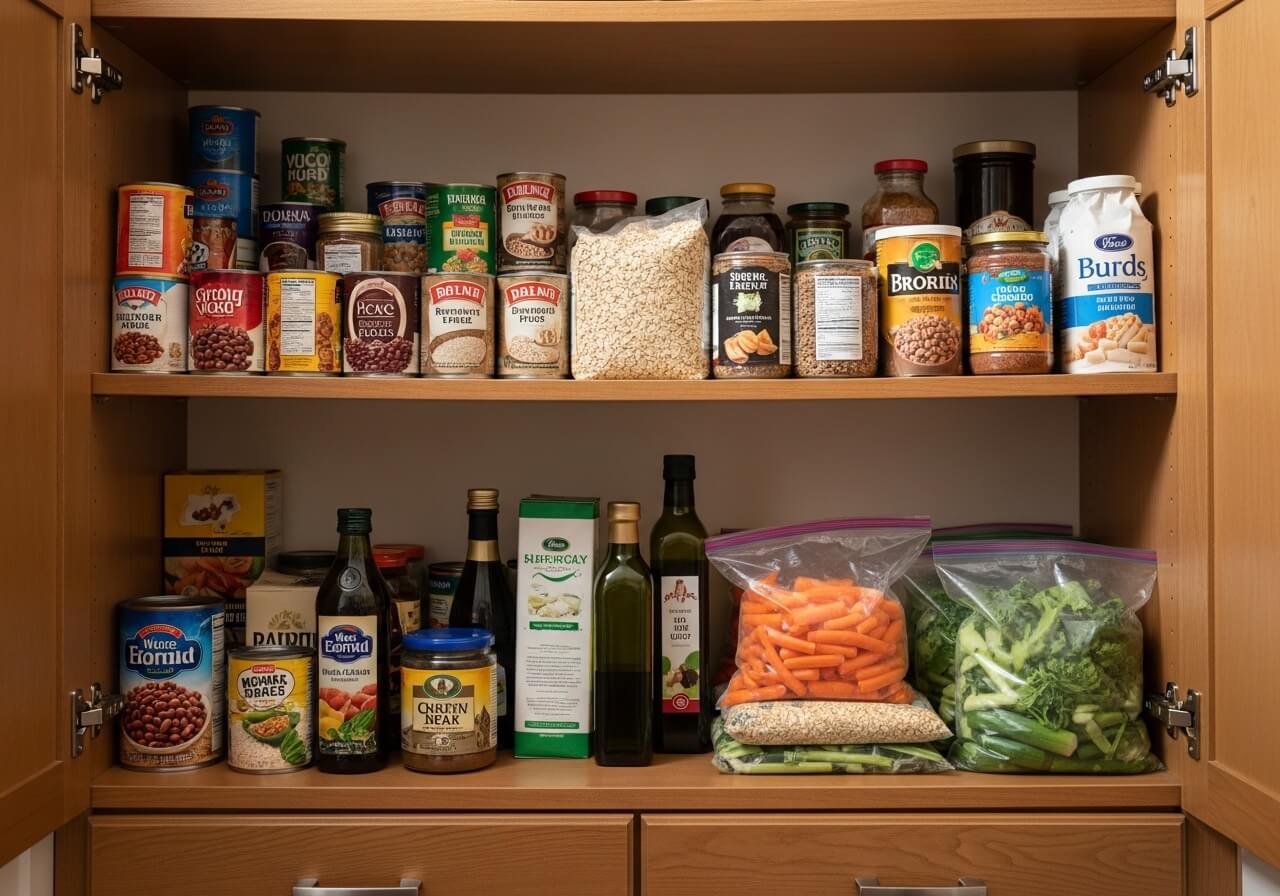
Your environment shapes your choices more than willpower does. When your kitchen is stocked with processed snacks and lacks fresh ingredients, healthy eating becomes a constant battle. Setting up your space removes friction from good decisions.
Clearing Out Unhelpful Foods
Start by removing foods you find difficult to eat in moderation. This isn’t about guilt—it’s practical psychology. If cookies trigger mindless eating, donate them or finish the package consciously rather than letting them create daily temptation.
Focus on items you reach for when stressed or bored. For some people, that’s sugary cereals; for others, chips or pastries. The goal isn’t banishing these forever, but making them conscious choices you purchase intentionally rather than default options when browsing the kitchen.
Stocking Up on Nutritious Staples
Build a foundation of ingredients that make healthy eating convenient. Frozen vegetables are picked at peak ripeness and frozen immediately, preserving nutrients just as well as fresh. Canned beans (rinsed, low-sodium) provide affordable protein and fiber. Brown rice, whole grain pasta, eggs, and Greek yogurt create versatile meal bases.
Include ingredients you actually enjoy. If you dislike broccoli, buying it repeatedly wastes money and creates unnecessary failure. Choose vegetables you’ll genuinely eat—carrots, bell peppers, spinach, or zucchini. The best diet is built on foods you like, not foods you think you should eat.
Stock healthy fats like olive oil, nuts, and seeds. Polyunsaturated fats found in fish, nuts, and seeds help reduce bad cholesterol and support brain function. The outdated idea that all fats are unhealthy has created unnecessary confusion about these essential nutrients.
Building Your Balanced Plate
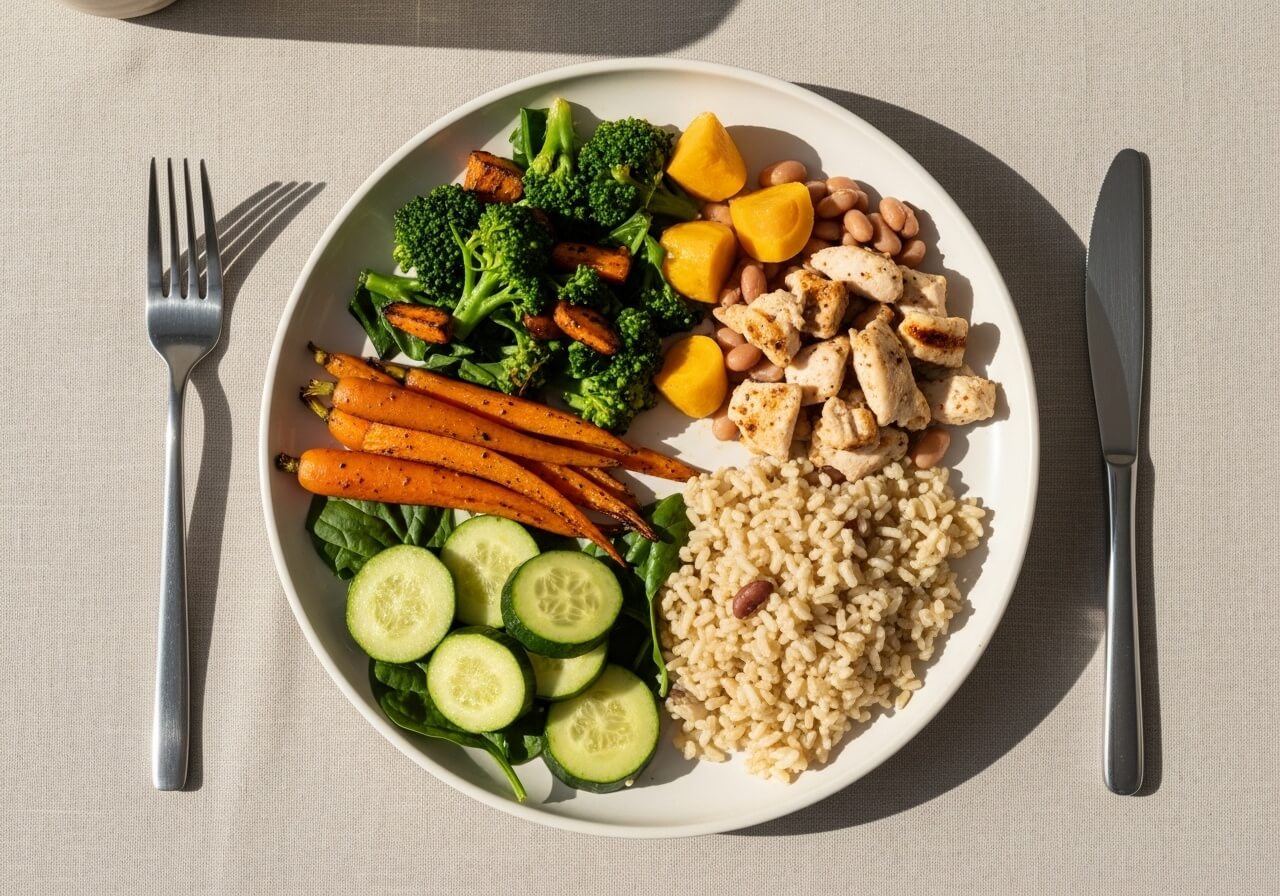
The simplest way to eat healthy without calorie counting is using a visual plate guide: fill half your plate with vegetables and fruit, one quarter with protein, and one quarter with whole grains. This approach handles portion control automatically and ensures a mix of nutrients at every meal.
Prioritizing Protein, Fiber, and Healthy Fats
Fill about a quarter of your plate with quality protein sources: beans, nuts, fish, poultry, eggs, or yogurt. Limiting red meat and avoiding processed meats reduces saturated fat and sodium intake while still allowing these foods occasionally.
Fish deserves specific attention. Aim for at least two servings per week, including one portion of oily fish like salmon, mackerel, or sardines. Oily fish contains omega-3 fatty acids that support heart and brain function. If you don’t eat fish, ground flaxseed, chia seeds, or walnuts provide some omega-3s, though in smaller amounts. People with seafood allergies or concerns about mercury from large predatory fish may need alternative approaches.
Fiber stabilizes blood sugar, supports digestion, and keeps you full longer. Eating vegetables with most meals and choosing whole grains over refined ones typically provides adequate intake without obsessing over specific numbers.
Incorporating a Variety of Fruits and Vegetables
Aim for at least five portions (around 400g) of fruits and vegetables daily, filling half your plate with them. This change can improve heart health and may help reduce risks associated with obesity and metabolic disorders. Different colors provide different nutrients: orange vegetables contain beta-carotene, leafy greens offer minerals, and berries provide antioxidants.
Practically, this means at least one serving of vegetables at lunch and two at dinner, plus fruit or vegetables at breakfast or as snacks. A serving is roughly the size of your fist. If fresh produce spoils before you use it, buy frozen. If budget is tight, frozen and canned vegetables offer the same fiber and nutrients, often at lower cost.
Don’t overthink variety. Rotating through carrots, broccoli, spinach, apples, and bananas covers nutritional bases. This is simpler and more sustainable than forcing yourself to constantly try new vegetables.
Practical Steps for Healthy Eating Habits
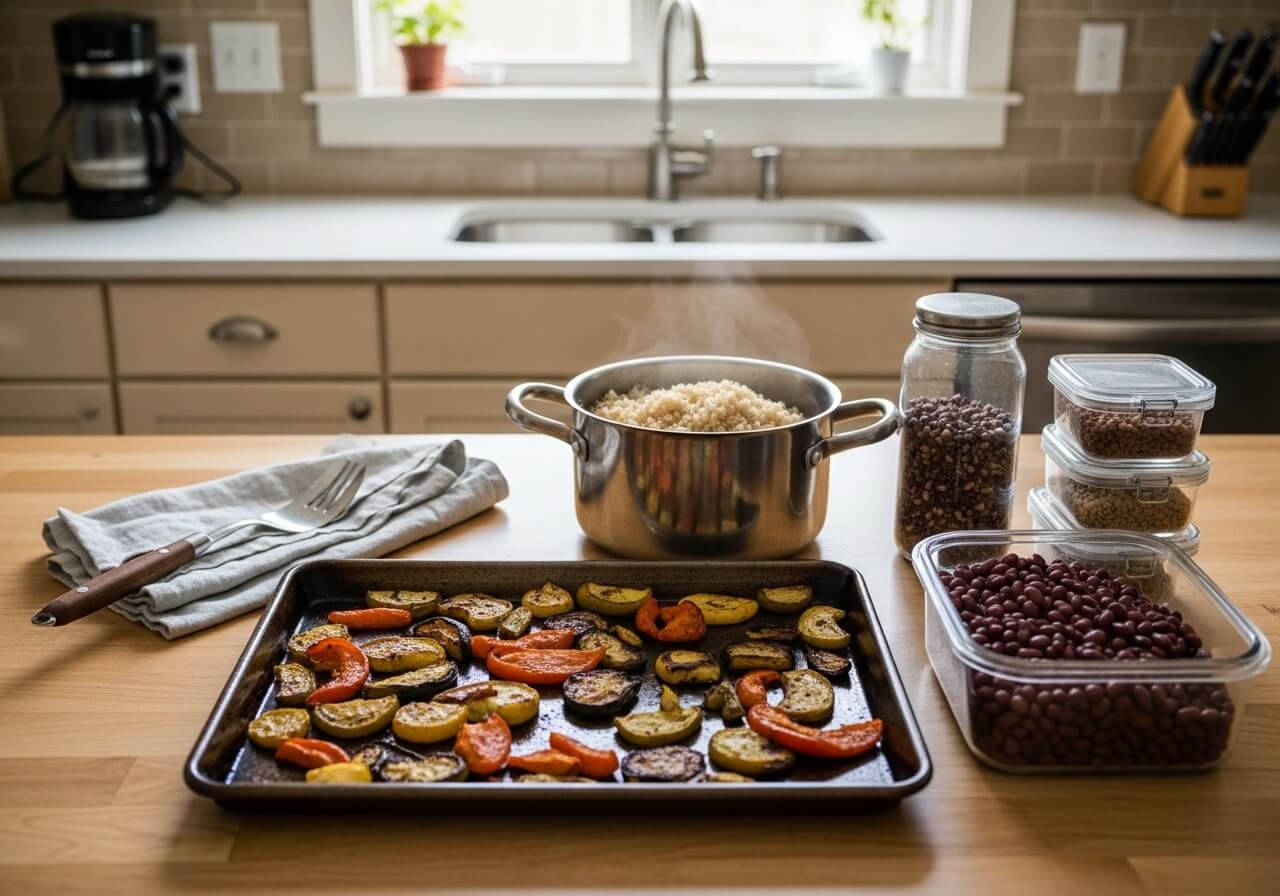
Most people struggle not with nutrition knowledge but with making good choices when life is busy. Small systems remove the daily decision burden.
Planning Your Meals and Snacks
Pick three breakfast ideas, three lunches, and three dinners you can rotate. This removes the “what should I eat?” paralysis that often leads to takeout. Write them down, keep the list visible, and cycle through them.
When you have a rough plan, grocery shopping becomes straightforward. You know what you need, which saves money and reduces impulse purchases. Roasting a sheet pan of vegetables and cooking a batch of rice or beans takes 45 minutes and provides components for multiple meals throughout the week.
For snacks, prep simple options: cut vegetables with hummus, hard-boiled eggs, cheese, nuts, or fruit. Ready-to-eat snacks are easier to grab than less nutritious alternatives.
Mindful Eating and Portion Control
The balanced plate method handles portion control visually—no weighing required. Beyond that, eat at a table when possible rather than while working or watching screens. You’ll notice fullness cues better and feel more satisfied.
Eat slowly enough to recognize when you’re full. Fullness signals often arrive about 15 minutes after you start eating, so rushing through meals can mean overeating before realizing it. Put your fork down between bites and notice the taste.
Hunger isn’t consistent. Some days you’ll need more food; other days less. Use the plate method as your baseline, then eat more if you’re hungry an hour later and less if you’re not very hungry at mealtime. This flexibility makes healthy eating sustainable long-term.
Common Challenges and How to Overcome Them
Real life often intervenes after a few days of healthy eating. Addressing predictable obstacles before they derail you increases your chances of sticking with changes.
Navigating Cravings and Emotional Eating
Cravings are normal. They often mean you’re restricting a food you actually enjoy. Rather than labeling foods as forbidden, give yourself permission to eat them sometimes. This removes the psychological tension that can lead to binge eating.
If you eat when stressed or bored rather than physically hungry, pause and ask what you need: a break, a conversation, fresh air, or rest. Sometimes the answer is still to eat something enjoyable—and that’s fine. But often you’ll realize you wanted something else.
If certain situations consistently trigger unhelpful eating—stress snacking at work, grazing while cooking—change the situation when possible. Work from a different location, pre-portion snacks before cooking, or suggest different routines with family members. Small environmental tweaks work better than relying on willpower.
Eating Healthy on a Budget
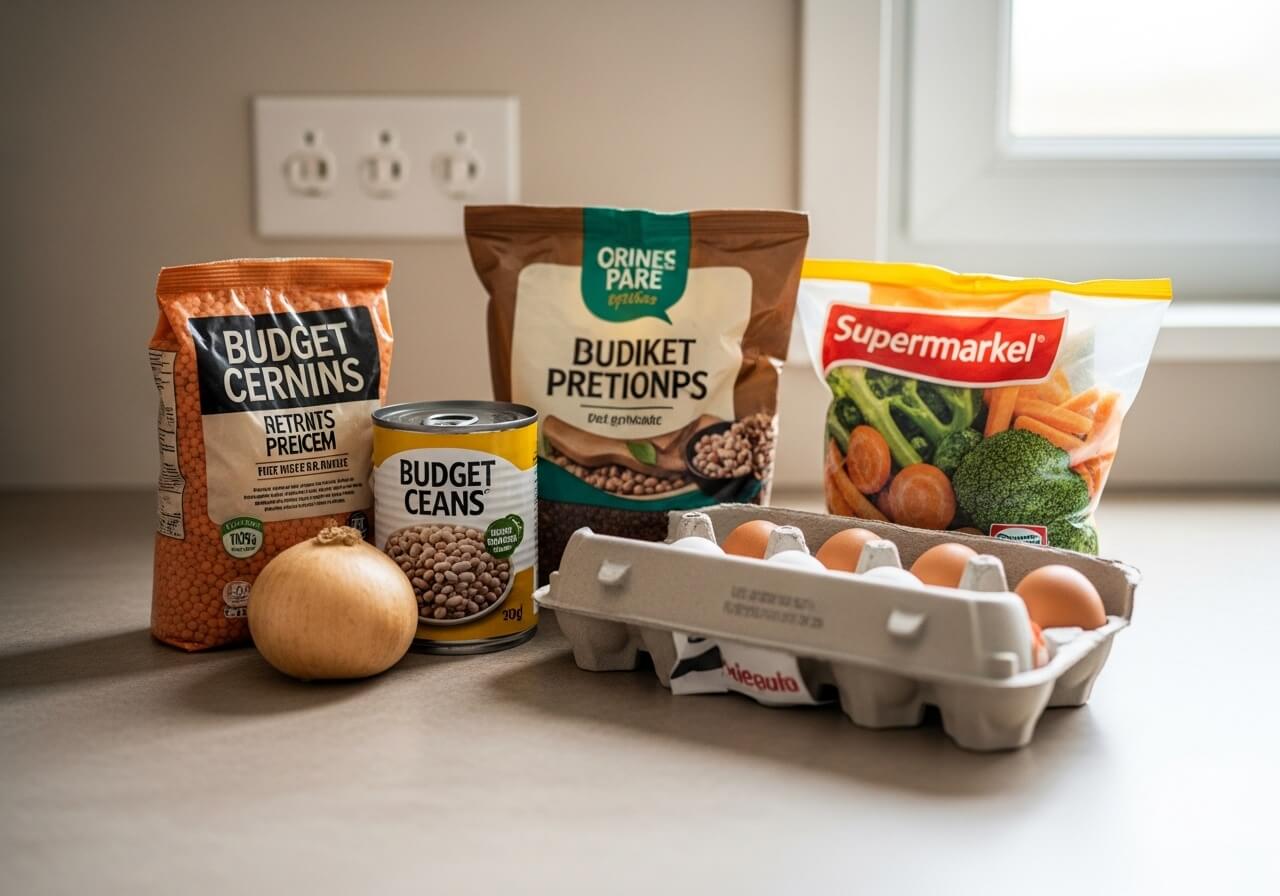
Healthy eating doesn’t require expensive superfoods. Affordable staples deliver solid nutrition: lentils and canned beans provide protein and fiber. Eggs are one of the cheapest proteins. Frozen vegetables cost less than fresh and last longer. Whole grains like brown rice and oats are inexpensive per serving.
Buy store brands, which are often identical to name brands at lower cost. Purchase vegetables in season. Buy larger quantities of shelf-stable items when on sale. Compare price per serving rather than total package price—bulk buying usually saves money even if upfront cost is higher.
Frozen vegetables provide the same fiber and nutrients as fresh at lower cost. Canned fruit in juice (not syrup) also works. A tight budget doesn’t prevent healthy eating—it just requires different choices about which healthy foods to prioritize.
When to Adjust Your Healthy Eating Plan
Your nutritional needs and circumstances change. The eating pattern that works at one life stage might not serve you later.
Recognizing Signs Your Diet Needs Tweaking
If you consistently feel hungry after meals, your plate proportions might need adjustment—perhaps you need more protein or healthy fats, which tend to be more satiating than carbohydrates alone. If you’re frequently tired, you might not be eating enough overall.
If a particular change isn’t working—you can’t stick to it, it makes you feel worse, or circumstances have shifted—modify the approach. If frozen vegetables fit your budget better than fresh, that’s the right choice. If you dislike fish, eat other omega-3 sources instead.
Notice how specific changes affect you individually. Some people feel better eating more carbohydrates; others feel more stable with more protein. Listen to your energy levels, digestion, and how satisfied you feel after meals, then adjust accordingly.
Consulting a Professional for Personalized Advice
The balanced plate method works well for most people, but certain medical conditions require adjusted ratios. If you have diabetes, kidney disease, or other chronic conditions, your carbohydrate or protein needs might differ from general guidelines. A registered dietitian can help you adapt these recommendations.
If you have food allergies, experience digestive issues, take medications that affect nutrient absorption, or have a history of disordered eating, professional guidance ensures your diet meets your specific needs.
FAQ
What are the healthy eating basics I should focus on first?
Start with the one change most likely to stick: typically adding vegetables to meals or swapping refined grains for whole grains. Once that feels automatic, add another change. Tackling everything simultaneously usually fails. Begin with whichever change addresses your biggest gap—if you eat no vegetables, prioritize that. If vegetables are fine but protein is inconsistent, focus there.
How can I make healthy meals without spending hours cooking?
Use ready-made components: rotisserie chicken, bagged salad, frozen vegetables, canned beans, pre-cooked rice packets. A complete meal of protein, vegetables, and grain can come together in 15 minutes. Most healthy meals don’t require recipes or elaborate technique, just assembly of nutritious components.
Are there specific balanced diet tips for busy individuals?
Use the same three-meal rotation to eliminate daily decisions. Stock your freezer with vegetables and your pantry with shelf-stable proteins so you always have meal components available. Keep breakfasts simple: eggs, yogurt with fruit, or oatmeal work every time. This removes the “I’m too busy” barrier that often leads to less nutritious choices.
Conclusion
Starting to eat healthy doesn’t require perfection or drastic overhauls. Set up your kitchen to make good choices easy, use the balanced plate method to guide your meals, and build small systems that fit your actual life. Begin with one change, let it become routine, then add another. Your health improves not from one perfect week, but from consistently nourishing choices made over time.