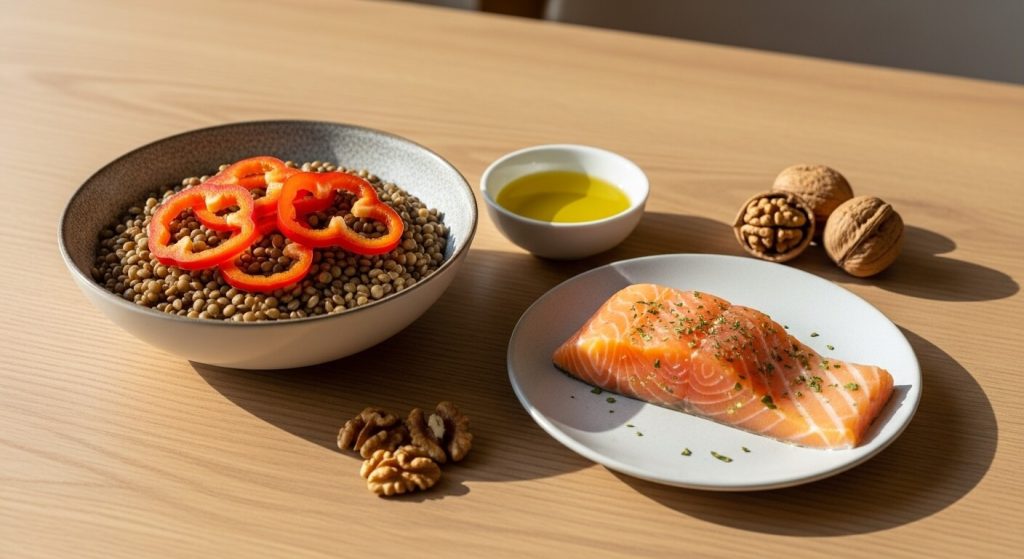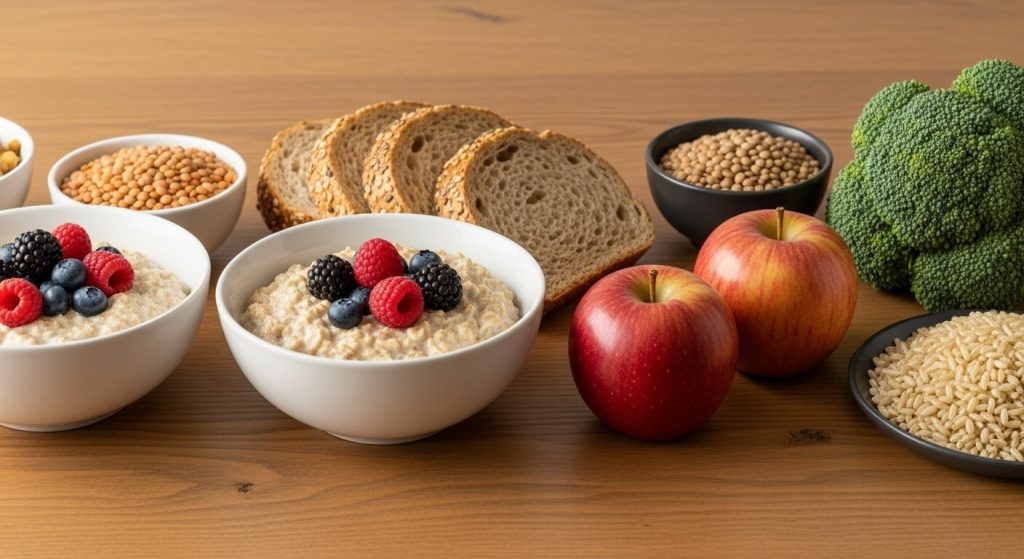

Your digestive system does more than process food—it influences nutrient absorption, energy stability, and how your body responds to training stress. When digestion is efficient, you recover faster, maintain steadier energy, and avoid the cramping or bloating that derails workouts. This guide explains the practical links between gut function and physical performance, plus specific steps to improve both.
What healthy digestion looks like during training cycles

When your digestive system is adapting well to regular exercise, you’ll notice predictable bowel movements—not rigid, but consistent in timing and form. Energy levels remain stable between meals without afternoon crashes. You finish workouts without stomach cramping or urgent bathroom trips.
Daily digestive indicators that show your gut is adapting well
Look for stool consistency between soft and formed—Bristol Scale types 3 and 4. Your digestion should complete a full cycle (eating to elimination) within 24 to 72 hours. Minimal bloating after meals, no excessive gas during exercise, and the absence of urgent bathroom needs within two hours of training all signal a microbiome tolerating your training load.
Energy stability is an underrated gut health marker. If you’re eating adequate carbohydrates but feel depleted two hours after breakfast, malabsorption may be the issue—your gut bacteria aren’t efficiently breaking down fiber, or your intestinal lining isn’t absorbing nutrients well.
Warning signs when your microbiome struggles with your workout intensity
Bloating that worsens after meals, especially high-fiber ones, indicates your gut bacteria are producing excess gas. Sudden constipation or diarrhea during increased training volume suggests your microbiome hasn’t adapted to the stress load. Cleveland Clinic research confirms that irregular bowel patterns and excessive gas are practical warning signals rather than normal training effects.
Cramping that appears mid-workout or in the hours afterward, alongside changes in bowel habits, points to inflammation in your digestive tract. This often correlates with inadequate recovery between sessions or insufficient hydration when fiber intake increases.
How gut bacteria communicate with your muscles and metabolism
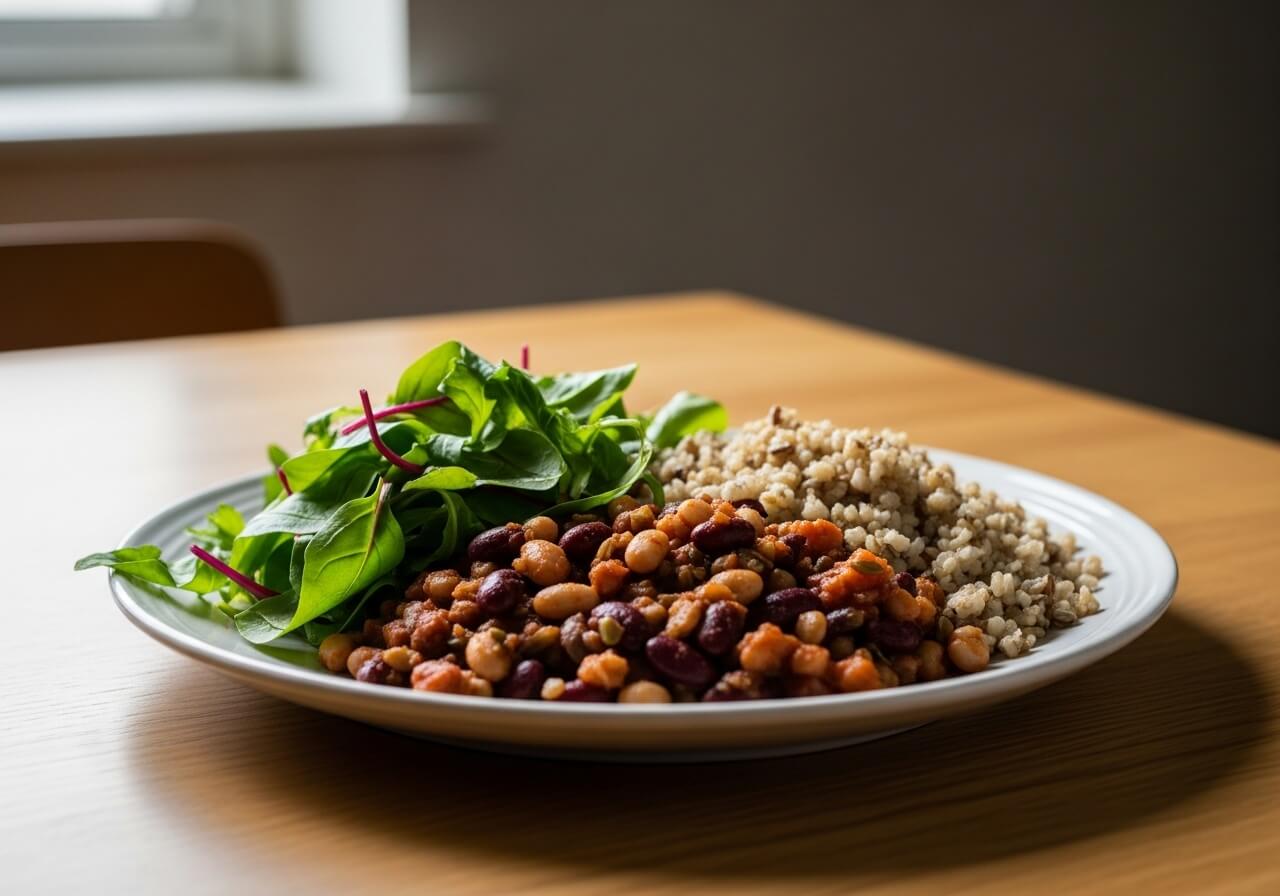
Bacteria in your intestines produce metabolites—chemical byproducts—that influence muscle recovery, energy storage efficiency, and immune response to training stress.
Short-chain fatty acid production and its role in endurance
When beneficial bacteria ferment soluble fiber, they produce short-chain fatty acids (SCFAs), particularly butyrate. These compounds fuel cells lining your intestinal wall and strengthen the barrier preventing harmful bacteria from entering your bloodstream. For athletes, SCFAs may influence how your body mobilizes fat for energy during aerobic exercise and help maintain stable blood sugar during longer efforts.
This mechanism appears most relevant during endurance training. A microbiome that produces butyrate efficiently may help your body draw on fat stores more readily, sparing glycogen. This doesn’t replace carbohydrate intake for high-intensity efforts, but it may improve metabolic flexibility—your ability to switch between fuel sources.
Inflammation modulation through specific bacterial metabolites
Certain bacterial strains produce compounds that may reduce inflammatory markers in your gut and throughout your body. During heavy training phases when exercise-induced inflammation is already elevated, an imbalanced microbiome can add to your total inflammatory load—potentially slowing recovery and increasing infection risk.
Chronic gut inflammation paired with intense workouts can accelerate the transition from productive training stress to overtraining. Your immune system becomes overtaxed, leaving fewer resources for muscle repair and adaptation.
When to adjust your nutrition based on training load and gut signals

The timing and composition of your meals should shift with your training phase. A nutrition plan that works during a light recovery week often causes problems during a peak intensity block.
Pre-exercise meals that support microbial balance
Two to three hours before hard workouts, favor easily digestible carbohydrates paired with minimal fiber and fat. A plain bagel with honey, white rice with a small amount of lean protein, or a sports drink with a banana leaves your gut comfortable. This isn’t the time to load up on whole grains or large vegetable portions—those ferment in your digestive tract during exercise, creating gas and cramping.
On recovery days or low-intensity training days, your pre-meal approach can include higher-fiber whole foods. Your digestive system has time to process them without the added stress of exercise.
Recovery nutrition that feeds beneficial bacteria after stress
In the 30 to 90 minutes after training ends, prioritize readily available carbohydrates to replenish glycogen, paired with protein for muscle repair. White rice with chicken, a sports drink with a protein shake, or pasta with ground turkey all work well.
Between two and six hours post-workout, as your digestion stabilizes, add prebiotic foods: cooked vegetables, legumes, oats, or fruits. This is when your microbiota can efficiently ferment these foods into beneficial metabolites without competing with the active recovery process. Athletes who eat a large salad immediately after training often report bloating; the same salad eaten four hours later causes no issues.
Proven supplement strategies that actually improve both systems

Probiotic and prebiotic supplements are often marketed with exaggerated claims. The American College of Sports Medicine notes that benefits are strain-, dose-, and context-dependent, so results aren’t guaranteed for every athlete.
Strain-specific probiotics that enhance nutrient absorption
If you choose a probiotic, look for labeled strains rather than generic “probiotic blend.” Lactobacillus and Bifidobacterium species have the strongest research support for improving digestion and nutrient absorption. A dose of 10 to 100 billion CFU (colony-forming units) per day appears in most studies showing modest benefit.
Try a specific strain-labeled probiotic for four weeks while keeping your fiber and hydration stable. Track your energy, bloating, and bowel consistency. If you notice meaningful improvement, continue. If nothing changes, your existing microbiota may already be adequate. Most athletes see the biggest gains from fixing food timing and fiber consistency first—not from supplements.
Prebiotic timing that pairs with your carbohydrate intake
Inulin, FOS (fructooligosaccharides), and other prebiotic fibers feed your beneficial bacteria. Rather than buying a supplement, you’ll often get better results from whole food sources: cooked onions, garlic, asparagus, bananas, and oats. You get prebiotic effect plus additional nutrients and satiety.
If you use a prebiotic supplement, consume it during meals with adequate carbohydrate and water. A common mistake: taking a prebiotic powder before a workout or with insufficient fluid, then wondering why you’re bloated. Mixing them into a recovery smoothie with fruit and yogurt (four hours post-workout) works far better than stirring them into water pre-training.
Why conventional fiber advice often backfires for athletes

Standard nutrition guidance recommends 25 to 38 grams of daily fiber without considering training schedule. For a sedentary person eating three calm meals daily, this works. For an athlete training hard some days and lightly on others, applying the same rule creates digestive chaos.
High-fiber timing mistakes that cause mid-workout discomfort
Eating high-fiber meals within four hours of intense exercise pushes undigested material through your system while your blood is redirected to working muscles. Your gut doesn’t have adequate blood flow to ferment fiber smoothly, so it produces gas rapidly. This explains why healthy oatmeal-and-berries breakfast works fine on rest days but causes cramping if you eat it two hours before a hard run.
The fix isn’t eliminating fiber—it’s separating fiber-rich meals from training. Eat high-fiber foods at least four to six hours before intense workouts, or delay them until after your session. On high-volume training days when you can’t spread meals that far apart, reduce fiber temporarily by choosing white rice, refined pasta, or peeled fruit.
Alternative carbohydrate sources that fuel performance without gut issues
When training volume climbs, white rice, white potatoes, refined pasta, and white bread become legitimate choices. These foods provide the carbohydrates your muscles need without the fermentation that creates bloating. Whole grains offer more micronutrients, but not during the meal immediately preceding a workout.
Rice cakes with jam, white bread with honey, plain pasta with olive oil, or boiled potatoes with salt all deliver fuel efficiently. Pair them with small amounts of protein to slow gastric emptying slightly and provide amino acids. Your microbiota still get fiber from other meals; you’re simply not forcing them to ferment it while under exercise stress.
When digestive symptoms signal overtraining or inadequate recovery
Your gut is sensitive to systemic stress. When your nervous system stays in high alert—due to intense training, poor sleep, or chronic stress—your digestive function suffers.
Specific pain and bloating patterns that indicate needing rest
Cramping that appears consistently after your hardest sessions but resolves by the next day reflects normal training stress. Cramping that lingers for multiple days, worsens despite adequate rest, or occurs even on easy days suggests your gut is inflamed from accumulated stress. Bloating that comes and goes with training intensity is normal adaptation; constant bloating regardless of training suggests your microbiota are struggling.
The practical decision rule: if your digestion worsens for three consecutive days despite lighter training or rest days, add an extra recovery day. Your gut is signaling that your nervous system hasn’t downshifted yet.
Gut permeability markers affected by chronic exercise stress
Heavy training can damage the intestinal lining slightly—this is normal and repairs during rest. If you train hard every day without recovery, this damage accumulates, potentially resulting in increased intestinal permeability. Symptoms may include bloating that doesn’t resolve with rest, food sensitivities that appear suddenly, and joint aches that correlate with training.
While you can’t easily test intestinal permeability at home, you can observe patterns: if your bloating, brain fog, or joint pain improves dramatically after a full recovery day, your gut may have been overtaxed. If symptoms persist despite rest, consult a healthcare provider to rule out other causes.
How to track genuine progress in both gut and fitness markers
Your digestive system offers data that often predicts performance gains before they show up in training metrics.
Stool consistency and energy correlation tracking methods
Once weekly, note your stool consistency (using the Bristol Scale: types 3–4 are optimal), your energy level at 3 PM, and whether you experienced bloating that day. Over four weeks, patterns emerge. If your energy improves alongside more consistent bowel habits, your digestion is improving functionally.
Use a simple note or spreadsheet: one column for date, one for stool consistency, one for energy (1–10 scale), one for bloating (yes/no). After a month, look for trends rather than day-to-day variation. If you see consistent improvement in energy and stool consistency after implementing dietary changes, you have evidence your changes are working.
Performance metrics that reflect digestive system adaptation
As your digestive system adapts, your training metrics often improve before you feel dramatically different. Athletes with improved gut function typically report easier recovery between sets, less mid-workout fatigue, and earlier morning hunger (indicating better overnight digestion). Track your average heart rate recovery in the first five minutes after a hard effort, your ability to complete planned training without early fatigue, and how quickly your hunger returns post-workout.
If these metrics improve alongside your digestion markers, your gut adaptation is translating to real performance gains. The lag between better digestion and measurable performance improvement is typically two to four weeks, so track these metrics monthly rather than weekly.
FAQ
Can taking probiotics actually improve my workout recovery time?
Some research suggests probiotics may improve nutrient absorption slightly, which supports recovery—but don’t expect dramatic speed-ups. Evidence shows modest, strain-specific benefits that apply to some athletes, not all. Better recovery comes first from adequate sleep, proper carbohydrate intake post-workout, and managing training volume.
How does poor digestive health specifically limit muscle building progress?
Poor digestion can reduce your ability to absorb protein, minerals (especially iron and zinc), and B vitamins—all important for muscle protein synthesis and energy metabolism. You could eat adequate protein but absorb only a fraction if your gut is inflamed or your microbiota are imbalanced. Additionally, poor digestion often correlates with chronic systemic inflammation, which may compete with muscle-building signals.
What foods commonly damage gut bacteria in people who exercise regularly?
No single food damages your microbiota if eaten occasionally. The problem is pattern: excessive added sugars and foods eaten directly before intense training can disrupt bacterial balance over time. Multiple servings daily of added-sugar beverages alongside intense training may accelerate dysbiosis. Similarly, eating large amounts of high-fiber foods without gradually increasing fiber and hydration can cause bacterial overgrowth and fermentation problems. The issue is dose, timing, and consistency—not the foods themselves.
Should I eat prebiotic foods before or after my training sessions?
Eat prebiotic foods (legumes, cooked vegetables, oats, bananas) at least four hours before intense workouts or two to six hours after training. During the workout and immediately after, your digestive system has limited capacity. Eating high-fiber prebiotic foods during these windows causes bloating and discomfort. On easy training days or rest days, timing is more flexible.
How long does it typically take to see fitness improvements from gut healing?
Changes in digestion efficiency (less bloating, more stable energy) often appear within two to four weeks of consistent dietary adjustments. Performance improvements tied to better nutrient absorption may take longer—usually four to eight weeks. Expect more consistent training and fewer missed sessions due to digestive issues rather than dramatic strength gains or endurance breakthroughs.
Conclusion
Your gut is a central component of how your body recovers, adapts, and stays healthy during consistent training. Start with one change: shift your high-fiber meals away from pre-workout hours, or drink an extra liter of water daily for one week. Track how your digestion and energy shift, then build from there.
This content is for educational purposes only and is not medical advice. Always consult a qualified healthcare professional for personalised guidance.