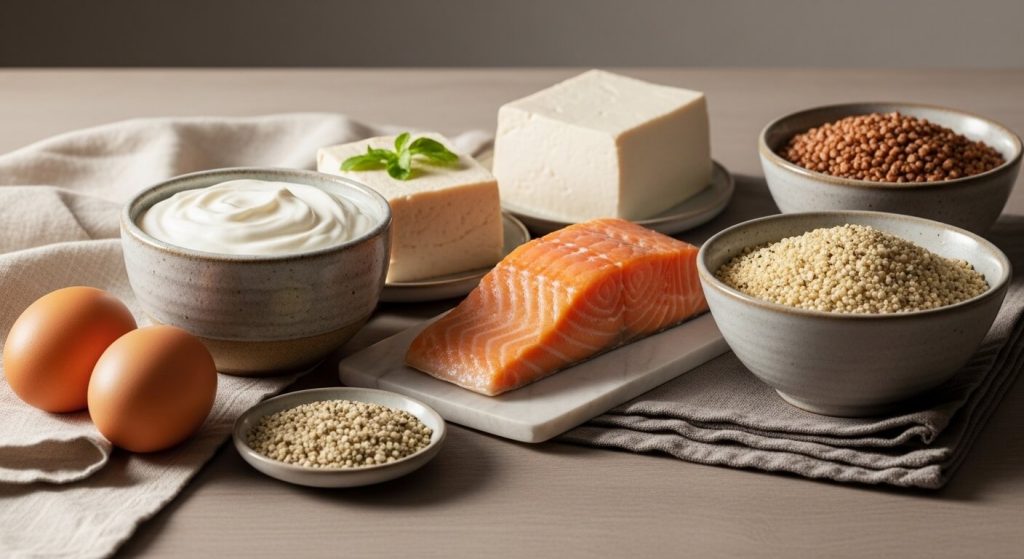
Getting enough complete amino acid foods means consuming all nine essential amino acids your body cannot produce on its own. Animal proteins like eggs, dairy, and meat naturally provide all nine. Among plants, only soy, quinoa, hemp seeds, and buckwheat qualify as complete proteins. This guide identifies which foods deliver a full amino acid profile and shows practical strategies to meet your needs without overcomplicating your meals.
What Makes a Protein Complete
A complete protein contains all nine essential amino acids in measurable amounts. Your body synthesizes 11 amino acids internally, but these nine must come from food: histidine, isoleucine, leucine, lysine, methionine, phenylalanine, threonine, tryptophan, and valine. Each serves specific functions—leucine, isoleucine, and valine support muscle recovery, lysine aids immune function, methionine assists detoxification, and tryptophan influences mood and sleep.
An incomplete protein lacks adequate amounts of one or more essentials, forcing your body to either wait for additional sources or use amino acids less efficiently. Most plant foods contain amino acids but fall short in at least one essential, making them incomplete on their own.
Animal-Based Complete Protein Sources
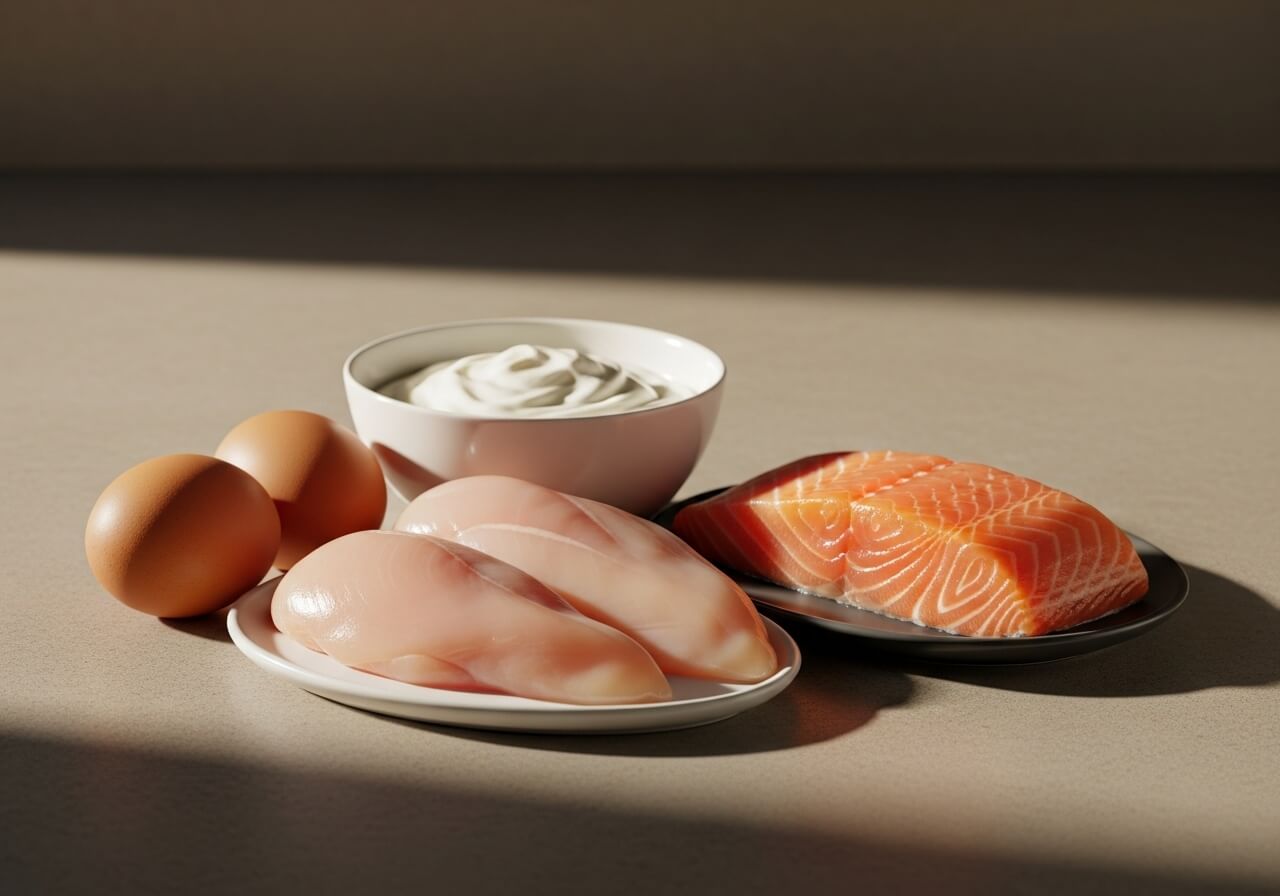
All animal proteins—meat, fish, poultry, eggs, and dairy—naturally contain all nine essential amino acids. This makes them straightforward sources for meeting amino acid requirements without combining multiple foods.
Eggs and dairy – complete proteins with high biological value
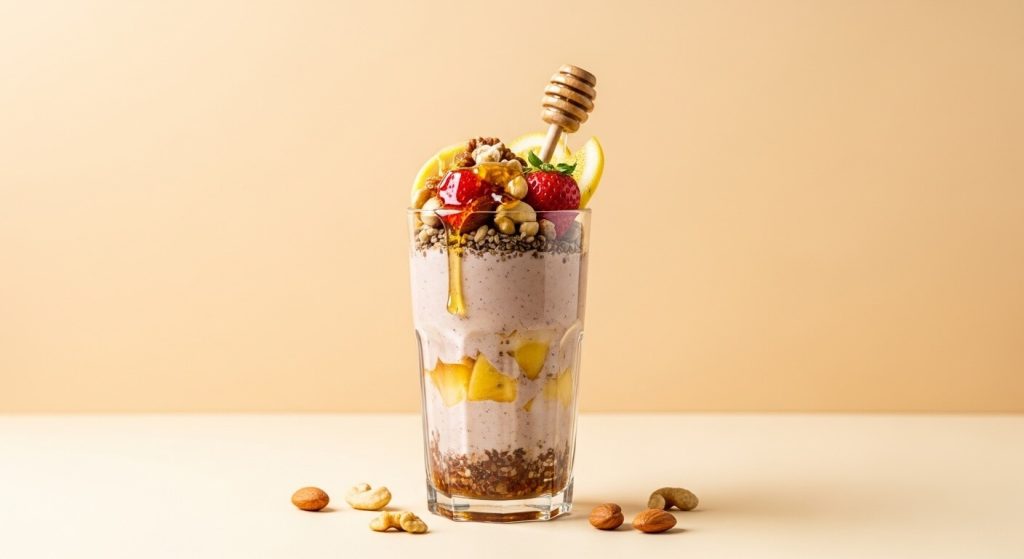
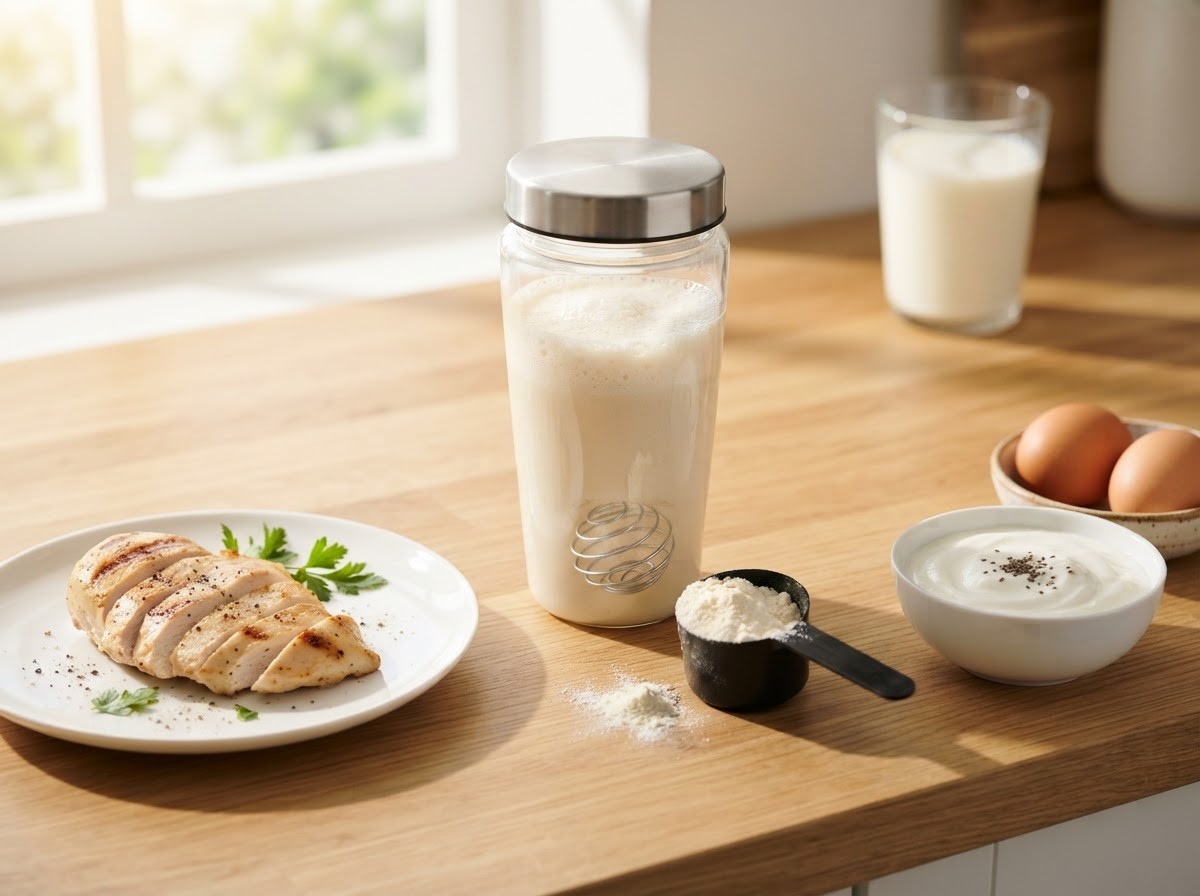
Eggs have the highest biological value for protein quality, meaning your body absorbs and uses their amino acids more efficiently than other foods. One large egg provides about 6 grams of complete protein. Greek yogurt contains roughly twice the protein of regular yogurt per serving—about 15-20 grams per cup—making it efficient for concentrated amino acid intake. Milk and cheese similarly deliver complete proteins in practical portions.
Meat, fish, and poultry – high-quality complete proteins
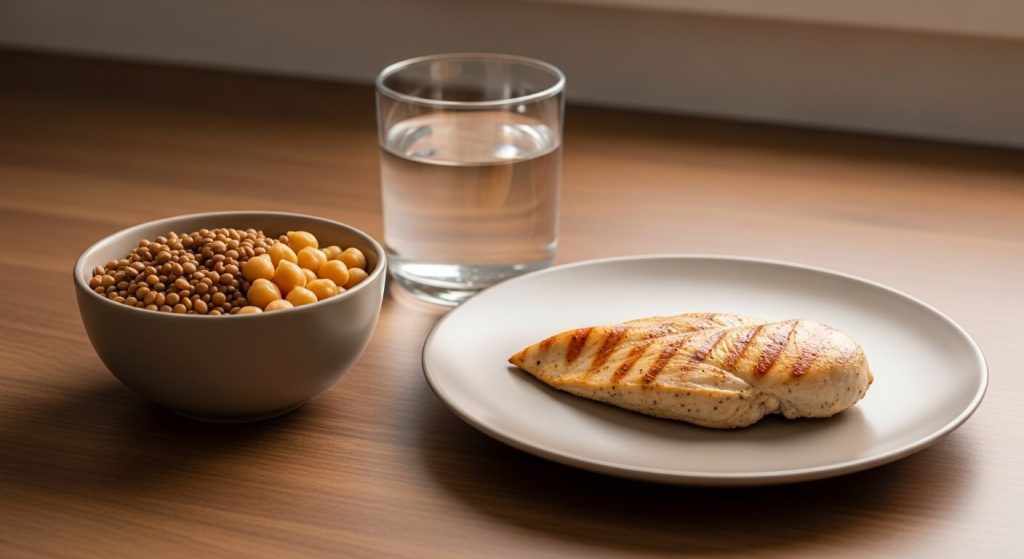
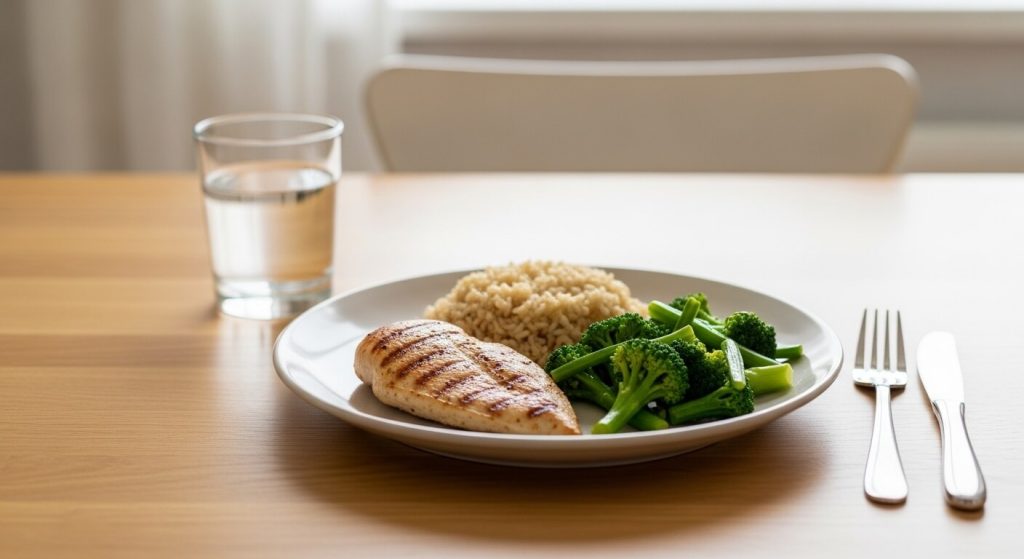
Beef, chicken, turkey, pork, and fish all provide complete proteins. A 3-ounce serving of cooked chicken breast delivers about 26 grams, while the same portion of salmon provides around 22 grams along with omega-3 fatty acids. These sources have higher protein density than most plant options, requiring smaller portion sizes to achieve the same amino acid intake.
Plant-Based Complete Proteins
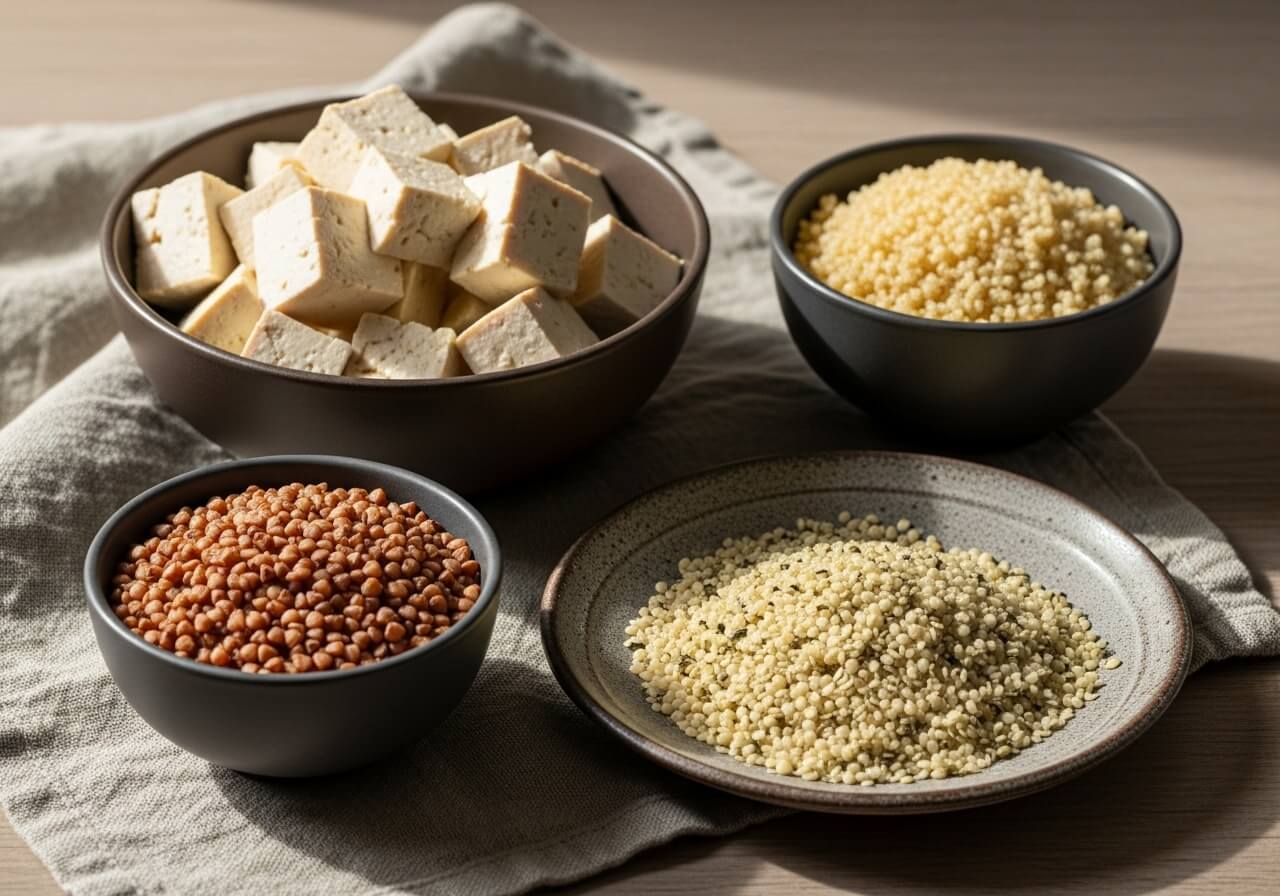
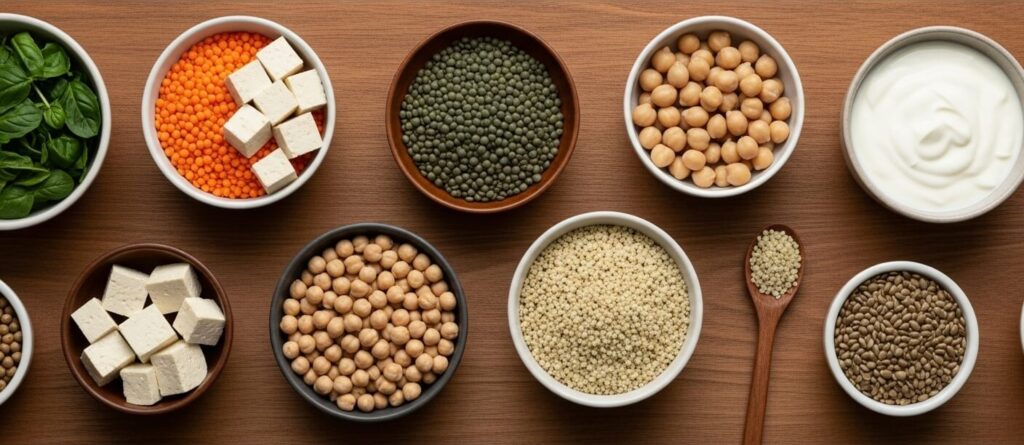
Few plant foods qualify as complete proteins on their own. Quinoa, soy (tofu, tempeh, edamame), buckwheat, and hemp seeds are the primary plant-based sources that provide all nine essential amino acids. Understanding which plants are complete prevents the misconception that all plant-based eating requires constant food combining.
Quinoa and soy – rare plant complete proteins
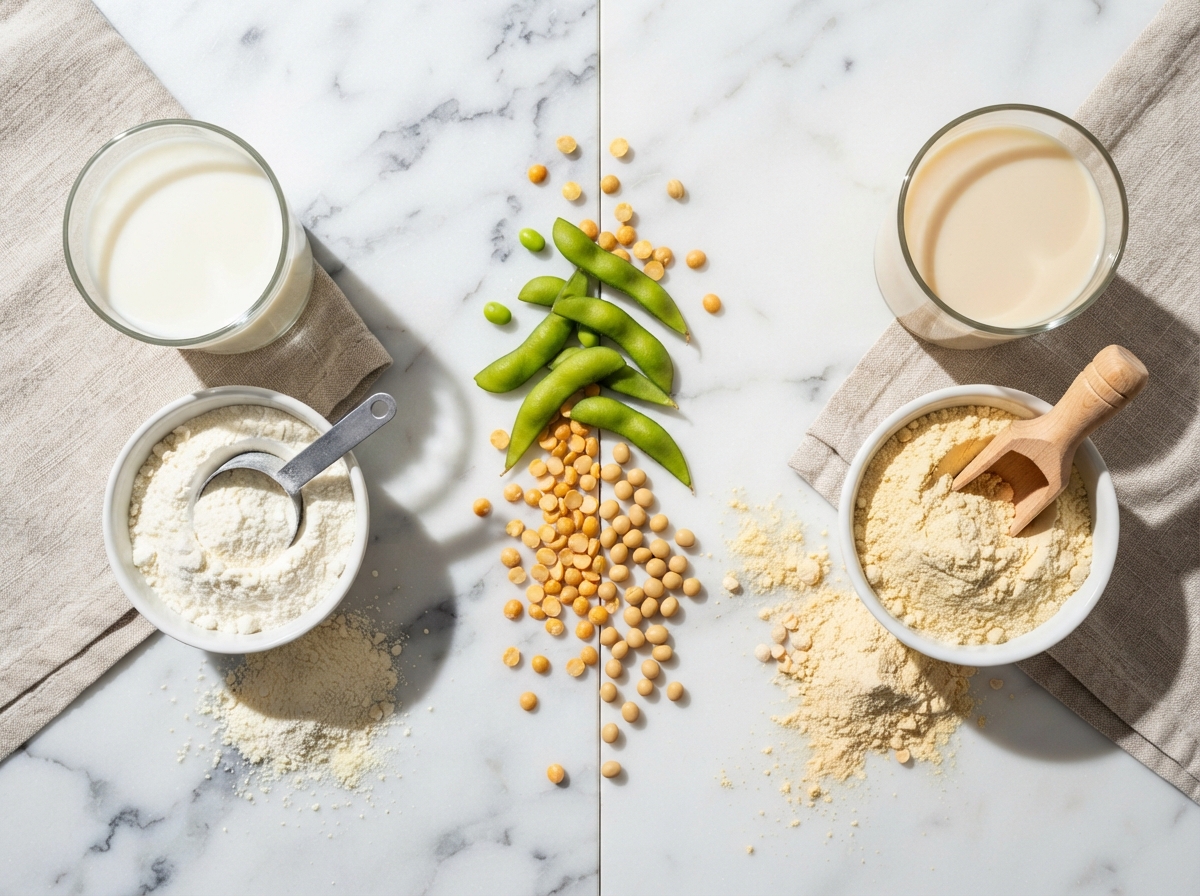
Soy products are the most protein-dense plant complete proteins. One cup of cooked edamame contains approximately 18 grams, while a half-cup of firm tofu provides about 20 grams. Tempeh delivers 15-16 grams per half-cup serving. A vegan athlete can eat tempeh stir-fry as a standalone meal and receive all nine essential amino acids without adding grains or legumes to complete the profile.
One cup of cooked quinoa contains approximately 8 grams of complete protein. While lower in density than soy, quinoa works well as a grain replacement that simultaneously covers your amino acid needs.
Hemp, buckwheat, and algae – emerging plant options
Hemp seeds provide about 10 grams of protein per 3-tablespoon serving with all nine essentials present. Buckwheat groats deliver complete protein, though in lower concentration than soy or quinoa—about 6 grams per cup cooked. Spirulina and chlorella contain all nine essential amino acids but require larger servings to match other sources, and their taste takes adjustment for many people.
While these are complete, their protein density is lower than soy or quinoa, so you may need larger portions to match the amino acid intake from a comparable serving of tofu.
How to Combine Proteins for Completeness
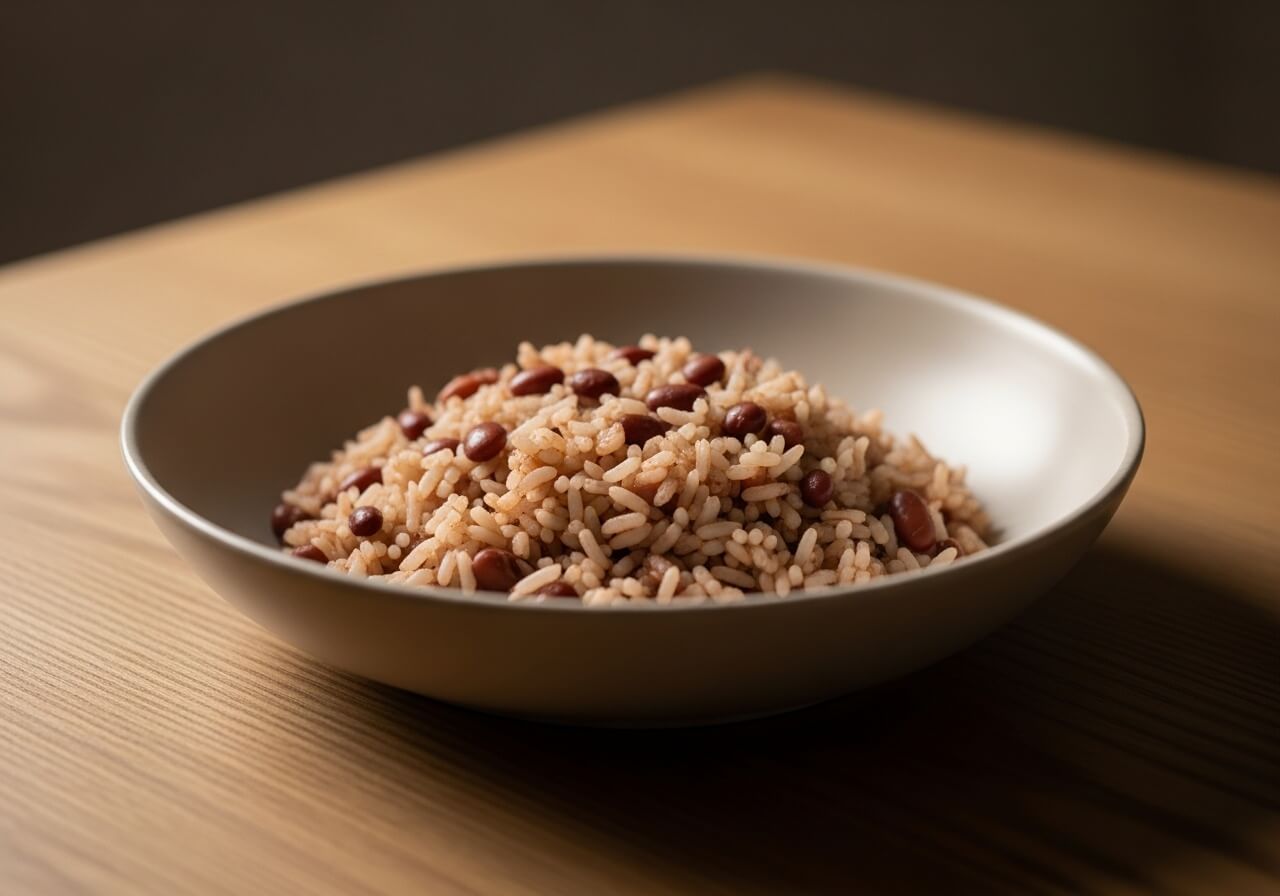
If your diet doesn’t include complete protein sources regularly, combining incomplete plant foods creates a full amino acid profile. This matters primarily for plant-based eaters who haven’t made soy, quinoa, or hemp dietary staples.
Legume and grain pairing rules
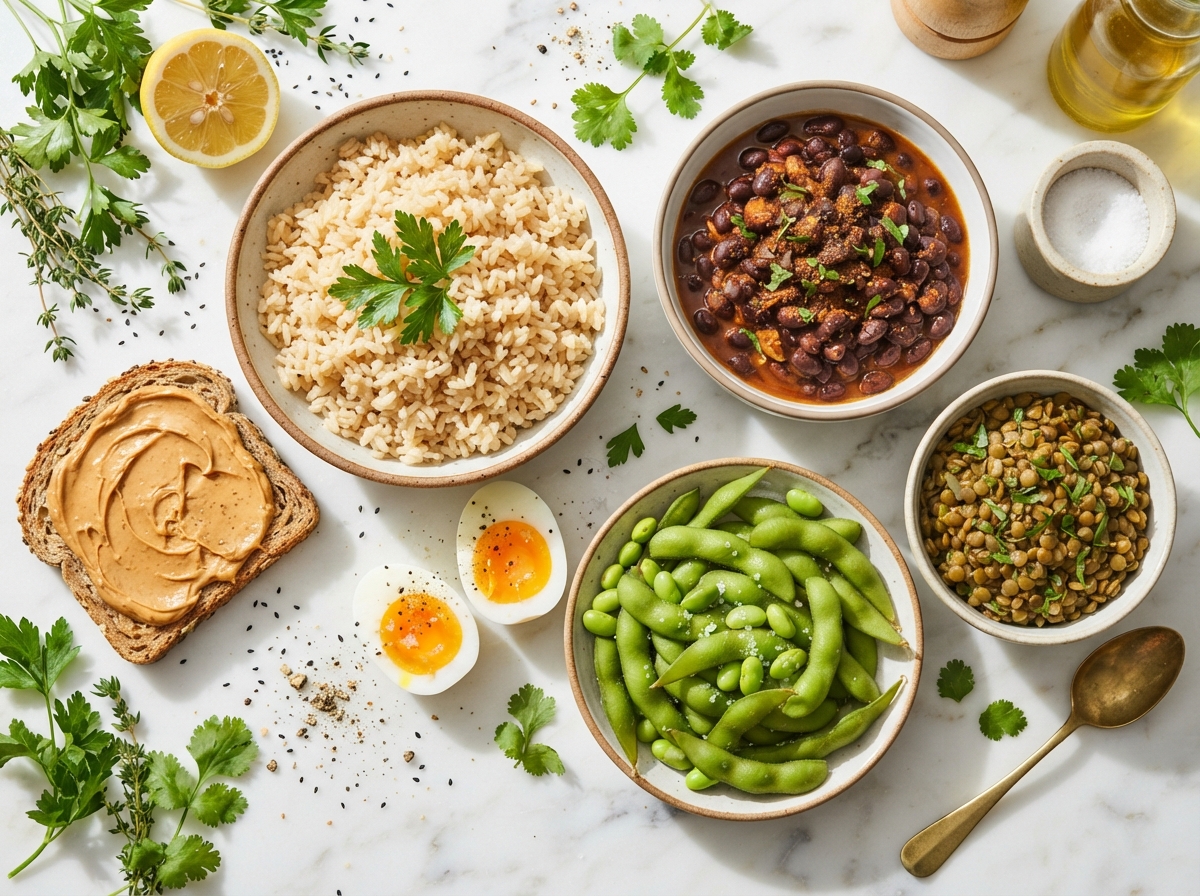
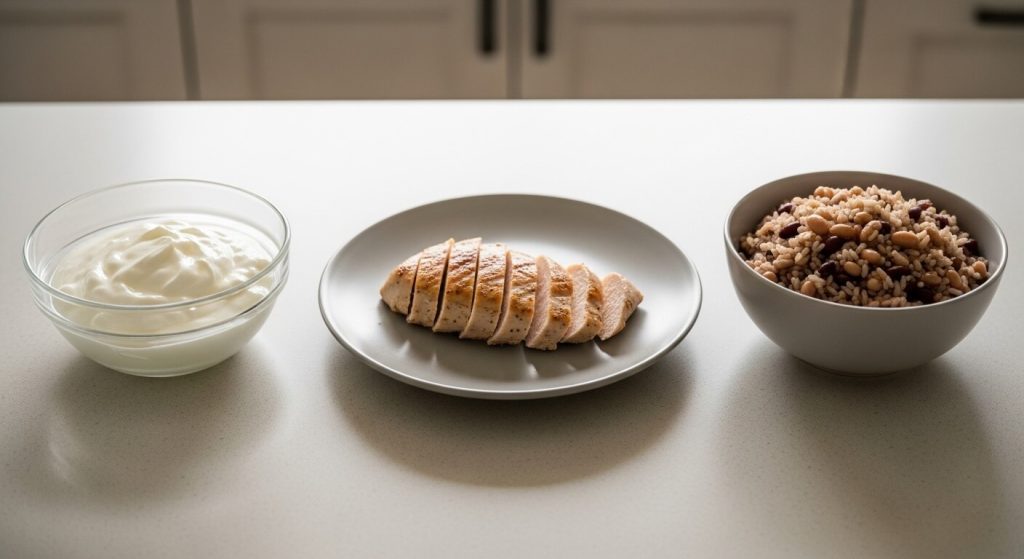
Legumes (beans, lentils, peas) are low in methionine but high in lysine. Grains (rice, wheat, oats) are high in methionine but low in lysine. Eating them together—rice and beans, hummus on whole wheat bread, or lentil soup with barley—combines their amino acid profiles to create completeness. One cup of cooked lentils (18 grams protein) combined with one cup of brown rice (5 grams protein) creates approximately 23 grams of complete protein.
This pairing strategy is only necessary if your diet doesn’t already include complete plant proteins. If you eat tofu or quinoa regularly, you don’t need to strategize grain-legume combinations.
Timing combinations throughout the day
You don’t need to combine incomplete proteins in the same meal. If you eat beans at lunch and grains at dinner, your body still receives the full spectrum of essential amino acids within a 24-hour window. However, combining them in one meal—such as a burrito bowl with beans and rice—simplifies tracking and requires no planning across multiple meals.
Protein Quality and Amino Acid Profile Differences
The presence of all nine amino acids doesn’t mean they’re present in proportions optimal for human use. This distinction helps you prioritize among complete protein sources.
Biological value ratings for common proteins
Eggs score 100 on the biological value scale—the reference standard. Milk scores 91, beef scores 80, and soy scores 74. Quinoa scores approximately 63. Higher biological value means a larger percentage of consumed amino acids is absorbed and utilized rather than excreted.
If you’re active with high protein demands, animal sources or soy may provide more usable amino acids per serving than other plant options. If you’re sedentary, lower biological value sources still provide all nine essentials—you may simply need a slightly larger serving.
How complementary proteins work
When you combine incomplete proteins to form a complete amino acid profile, the limiting amino acid—the one present in the lowest amount relative to your body’s needs—determines overall efficiency. If beans are your limiting source, eating more beans without adding grains won’t improve your profile. Adding grains addresses that limitation, allowing your body to use the combined amino acids more effectively.
Daily Complete Protein Requirements by Goal
How much complete protein you need depends on your activity level and age. A sedentary adult typically needs about 0.8 grams of protein per kilogram of body weight daily. For a 150-pound person (68 kilograms), this equals roughly 54 grams daily. One egg at breakfast (6 grams), Greek yogurt as a snack (15 grams), and a chicken breast at dinner (26 grams) covers this easily.
Active individuals and those doing resistance training may benefit from higher intake: 1.6 to 2.2 grams per kilogram of body weight. That same 150-pound person would aim for 109-150 grams daily. Distributing this across multiple meals—tofu scramble at breakfast (15 grams), tempeh stir-fry at lunch (20 grams), and lentil-rice dinner (23 grams) plus snacks—makes meeting these targets realistic.
Age-related considerations
Older adults (65+) may benefit from consuming complete proteins at each meal rather than concentrating protein into one or two meals. This distributed approach might support muscle maintenance better than equivalent total protein consumed unevenly. An older adult might prioritize eggs at breakfast, fish at lunch, and dairy-based dinner rather than eating minimal protein early and compensating later.
FAQ
What are the best plant-based complete protein sources?
Soy products (tofu, tempeh, edamame), quinoa, hemp seeds, and buckwheat are the primary plant-based complete proteins. Soy products are most practical for versatility, protein density, and availability. If you prioritize one of these as a regular dietary staple, you can meet all nine essential amino acid needs without constantly combining incomplete proteins.
How many amino acids should I consume daily?
You don’t track individual amino acids—you track total protein intake. Your body automatically breaks down complete proteins into constituent amino acids. Aim for 0.8 grams of complete protein per kilogram of body weight if sedentary, or 1.6-2.2 grams per kilogram if active. This approach ensures adequate amounts of all nine essentials without detailed amino acid accounting.
Can I get enough complete proteins on a vegetarian diet?
Yes. Vegetarians who eat eggs and dairy have access to complete proteins matching or exceeding meat quality. Vegans can meet amino acid needs by prioritizing soy, quinoa, hemp, or buckwheat as meal foundations. Relying solely on incomplete proteins—such as eating only lentils and rice without complete sources—requires consistent combining but remains achievable with planning.
Conclusion
The most practical approach: identify one or two complete protein sources you enjoy and eat them regularly. If you’re starting out, a single egg at breakfast or a serving of Greek yogurt covers your morning amino acid needs. Plant-based eaters can simplify meals by making tofu or quinoa regular staples rather than occasional additions. Small, consistent choices make meeting your amino acid needs straightforward without overthinking every meal.
This content is for educational purposes only and is not medical advice. Always consult a qualified healthcare professional for personalised guidance.