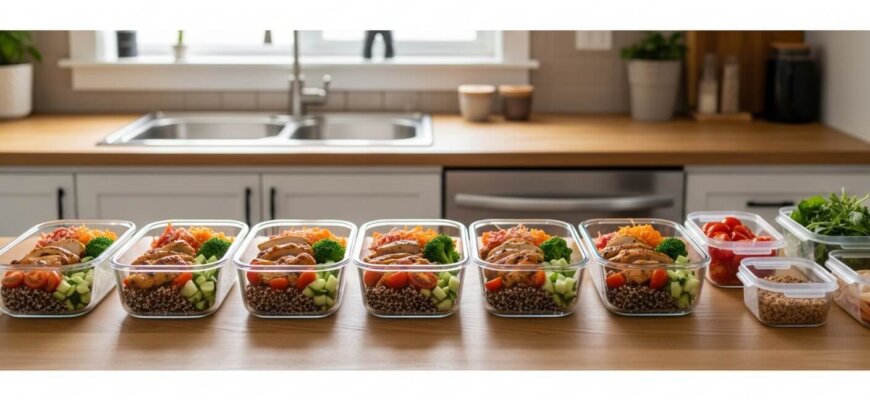
If you’re a busy professional struggling to stick to weight loss meal plans that don’t fit your hectic schedule, you’re not alone. This 7-day blueprint focuses on low-calorie, high-satiety foods and smart prep to help you maintain a calorie deficit without requiring hours in the kitchen. The goal is consistency, not perfection—flexible, repeatable meals that work around your day, not against it.
- How low-calorie meal plans work for weight loss
- Daily calorie targets that match busy lifestyles
- Protein and fiber strategies for staying full longer
- Building your 7-day meal plan schedule
- Sunday prep routine for grab-and-go meals
- Daily meal assembly using prepped ingredients
- When work schedules disrupt your meal plan
- Late meeting workarounds for calorie control
- Travel-friendly modifications to your routine
- FAQ
- How do I create a diet plan for weight loss that actually works?
- What makes an effective calorie deficit meal plan?
- How can I prepare quick weight loss meals on busy workdays?
How low-calorie meal plans work for weight loss
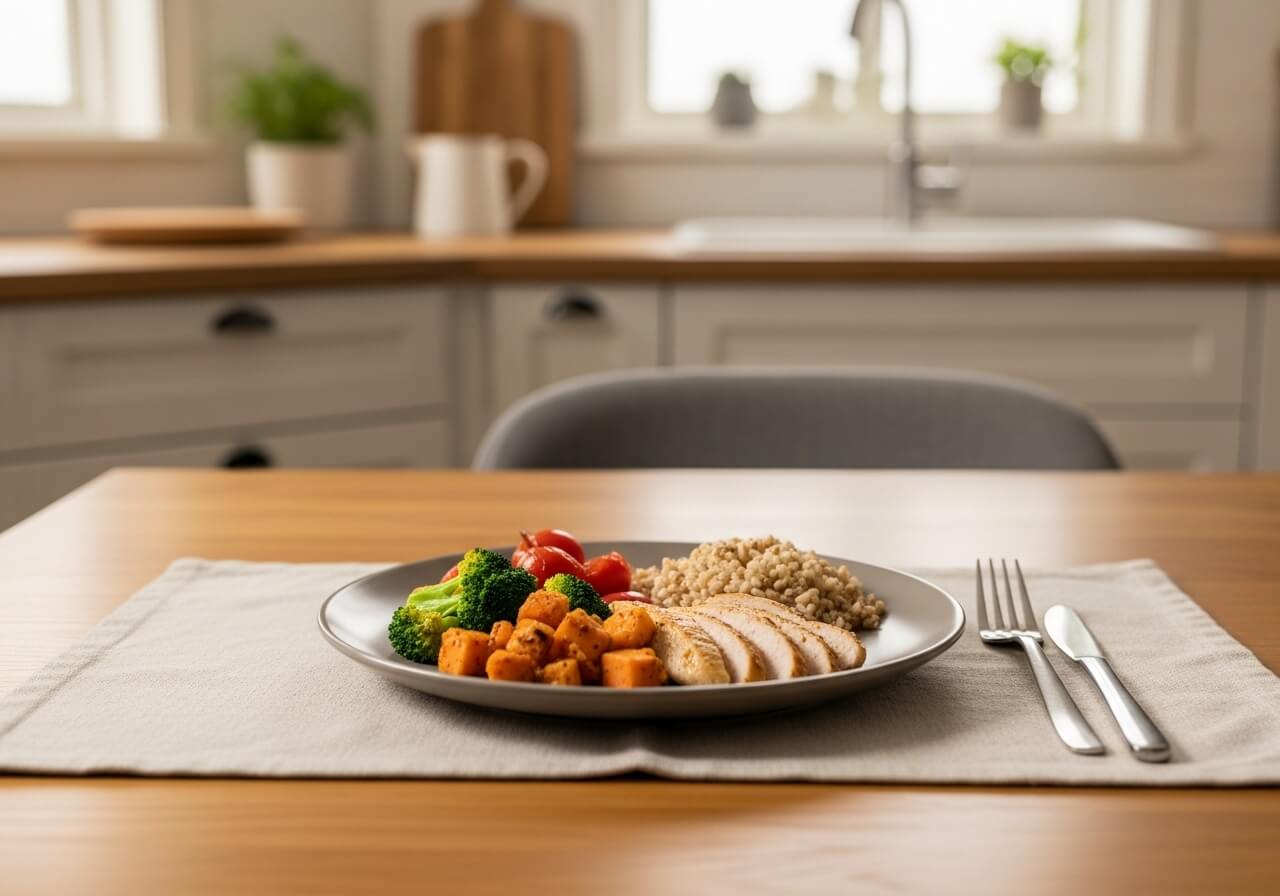
Weight loss requires a calorie deficit—eating fewer calories than your body uses. A structured meal plan makes this easier to sustain in real life by reducing daily food decisions and keeping portions consistent.
Daily calorie targets that match busy lifestyles
Aim for a deficit of 300–500 calories below your maintenance needs, but avoid rigid numbers. Calorie targets should reflect your body size, activity level, and medical context rather than a one-size-fits-all approach. If your job includes late meetings or extra movement, adjust your intake accordingly. Overly restrictive targets can increase hunger and irritability, making adherence harder. Focus on eating slightly less than usual while prioritizing nutrient-dense foods.
Protein and fiber strategies for staying full longer
Including protein and fiber in every meal can improve satiety and help you feel fuller longer. Protein-rich options like eggs, Greek yogurt, or lean fish paired with vegetables or whole grains may reduce hunger compared to low-protein meals. Fiber from foods like beans, oats, or leafy greens slows digestion. For quick prep, roast a batch of vegetables on Sunday or cook a large pot of lentils to add to salads, bowls, or stir-fries during the week.
Building your 7-day meal plan schedule
Sunday prep routine for grab-and-go meals
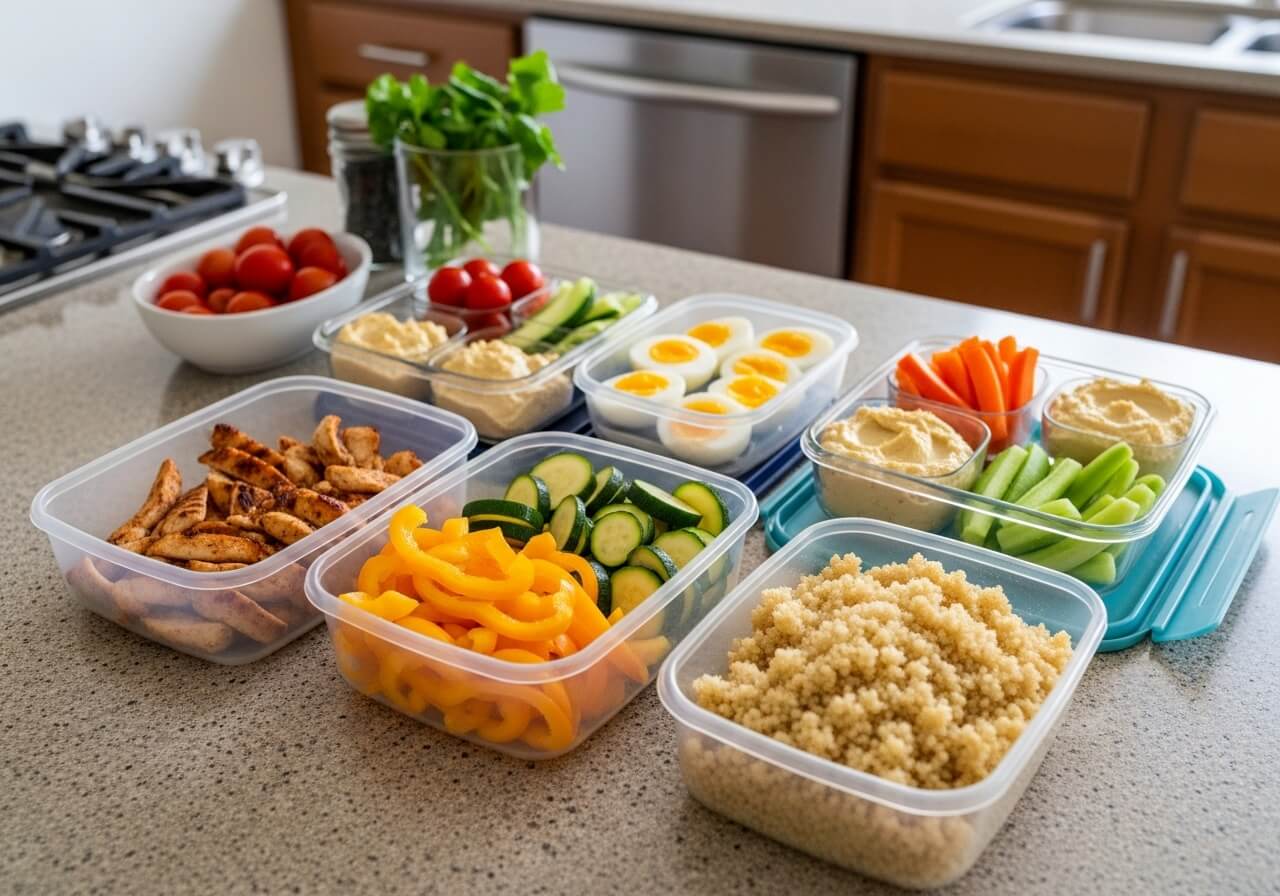
Set aside 60 minutes on Sunday to prepare ingredients for the week. Cook proteins like grilled chicken, tofu, or shrimp and store them in containers. Chop vegetables such as bell peppers, zucchini, or spinach and portion them out. Cook grains like quinoa or brown rice in bulk. These components can be combined into meals in five minutes or less.
Pre-portion snacks like hard-boiled eggs, nuts, or cut vegetables with hummus to avoid impulse eating during busy afternoons. This Sunday routine reduces decision fatigue and makes balanced meals accessible even when pressed for time.
Daily meal assembly using prepped ingredients
On workdays, skip the recipe book. Use your prepped items to build quick meals. For lunch, combine protein, vegetables, and a small amount of dressing in a container. For dinner, stir-fry pre-cooked chicken with broccoli and quinoa. One practical approach is a “build-your-own” bowl with three pre-packed components: protein, vegetables, and grain. This ensures balanced meals without complex preparation.
When work schedules disrupt your meal plan
Late meeting workarounds for calorie control
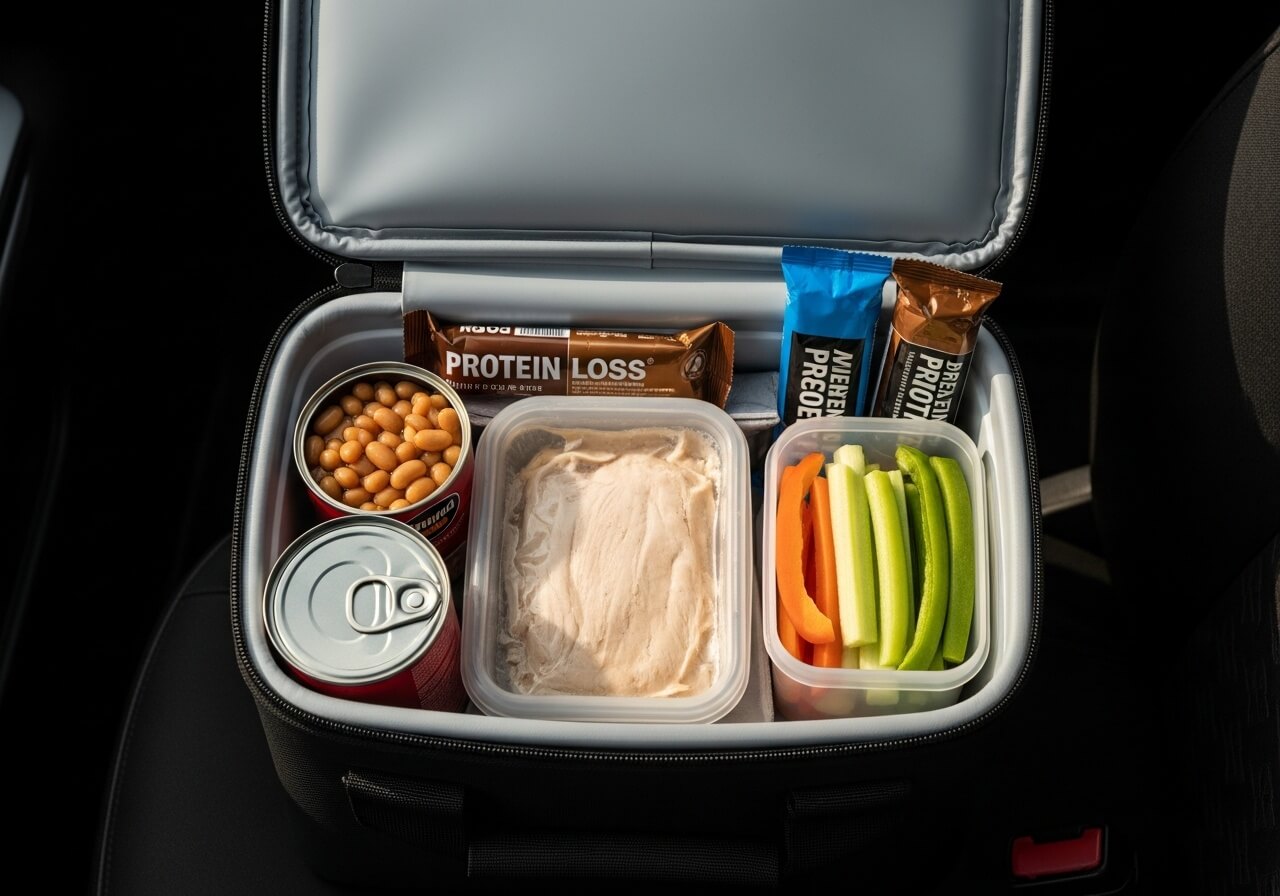
When a meeting runs late, avoid skipping meals entirely. Instead, keep a high-protein snack ready, like a protein bar with 20+ grams of protein or a piece of fruit with nuts. These options may help stabilize blood sugar and prevent overeating later. If dinner is delayed, choose something light but satisfying, such as a hard-boiled egg or a pre-portioned cup of Greek yogurt.
Travel-friendly modifications to your routine
When traveling, focus on portable, non-perishable foods. Pack protein bars, trail mix, or cut vegetables. If dining out, choose grilled proteins over fried options and add a side salad or steamed vegetables. For car trips, bring a cooler with canned beans, pre-cooked chicken, or single-serve meals. These adjustments help you maintain a calorie deficit without relying on convenience foods high in added sugar or saturated fat.
FAQ
How do I create a diet plan for weight loss that actually works?
Focus on consistency over complexity. Choose three to four meals you can repeat weekly and prep them ahead. Prioritize foods you enjoy and that keep you full, making adherence easier over time.
What makes an effective calorie deficit meal plan?
An effective plan balances protein, fiber, and healthy fats while fitting your lifestyle and preferences. Avoid plans requiring rare or time-consuming ingredients. Repeating a few simple meals across the week can reduce decision fatigue and improve consistency.
How can I prepare quick weight loss meals on busy workdays?
Use pre-cooked proteins and grains prepared on Sunday. Assemble meals in five to ten minutes using these components. Keep assembly simple—protein plus vegetables plus grain—to make weekday eating fast and consistent.
This blueprint’s strength lies in its simplicity and flexibility. You don’t need to track every calorie or eliminate entire food groups. By planning around your schedule with repeatable, practical meals, you can maintain progress without added stress. Start with one or two prep techniques this Sunday, then build from there as the routine becomes easier.