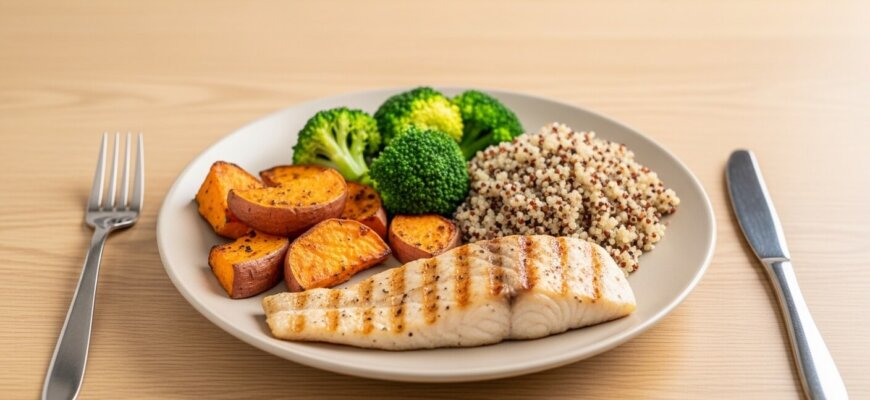
Many people wonder whether deliberately pairing certain foods while avoiding others—known as food combining digestion—can genuinely improve how their body processes meals. The short answer: your digestive system is designed to handle all types of food together. While food combining theory suggests separating proteins, carbohydrates, and fats improves digestion, research shows this lacks scientific support. Your body produces enzymes capable of digesting mixed meals simultaneously. This guide offers practical, evidence-based strategies to support comfortable digestion without restrictive food rules.
- Understanding Food Combining Principles
- The Concept of Digestive Compatibility
- Why Different Foods Digest Differently
- Building Digestion-Friendly Meals Without Restrictive Rules
- Focus on Balance Rather Than Separation
- What Makes Certain Pairings Effective
- Practical Steps to Improve Your Digestion
- Identify What Actually Causes Discomfort
- Make Targeted Adjustments Based on Your Response
- Common Mistakes That Actually Affect Digestion
- Overlooking Preparation Methods
- Ignoring Individual Digestive Needs
- Supporting Digestion Through Lifestyle Habits
- Foods That Naturally Support Digestive Processes
- The Impact of Eating Habits and Hydration
- Frequently Asked Questions
- Does food combining help with bloating?
- What are compatible food groups?
- Can food combining improve nutrient absorption?
Understanding Food Combining Principles
The Concept of Digestive Compatibility
Food combining theory proposes that different macronutrients—proteins, carbohydrates, and fats—require different digestive conditions and work against each other if consumed in the same meal. Advocates suggest that separating these foods prevents digestive stress and improves nutrient absorption.
However, the human gastrointestinal tract is physiologically designed to digest all macronutrients simultaneously. Your digestive system produces a variety of enzymes capable of working in different food environments, meaning your body processes multiple food types in a single meal without conflict. The stomach naturally adjusts its pH and enzyme secretion based on what you eat. Research from the International Food Information Council confirms there is limited to no scientific evidence supporting health benefits from strict food combining diets, and their rules are often unsustainable for most lifestyles.
Why Different Foods Digest Differently
Different foods do take varying amounts of time to digest. Fiber-rich vegetables digest slowly, while simple sugars move through quickly. Proteins and fats require more gastric acid and take longer to break down than refined carbohydrates. This variation is simply how digestion works—not evidence for avoiding certain combinations.
A meal containing protein, fat, and fiber will naturally take longer to digest than a plate of white rice alone. That’s beneficial—slower digestion allows your body more time to absorb nutrients and helps you feel satisfied longer. The pace of digestion reflects meal composition, not incompatibility between food groups.
Building Digestion-Friendly Meals Without Restrictive Rules
Focus on Balance Rather Than Separation
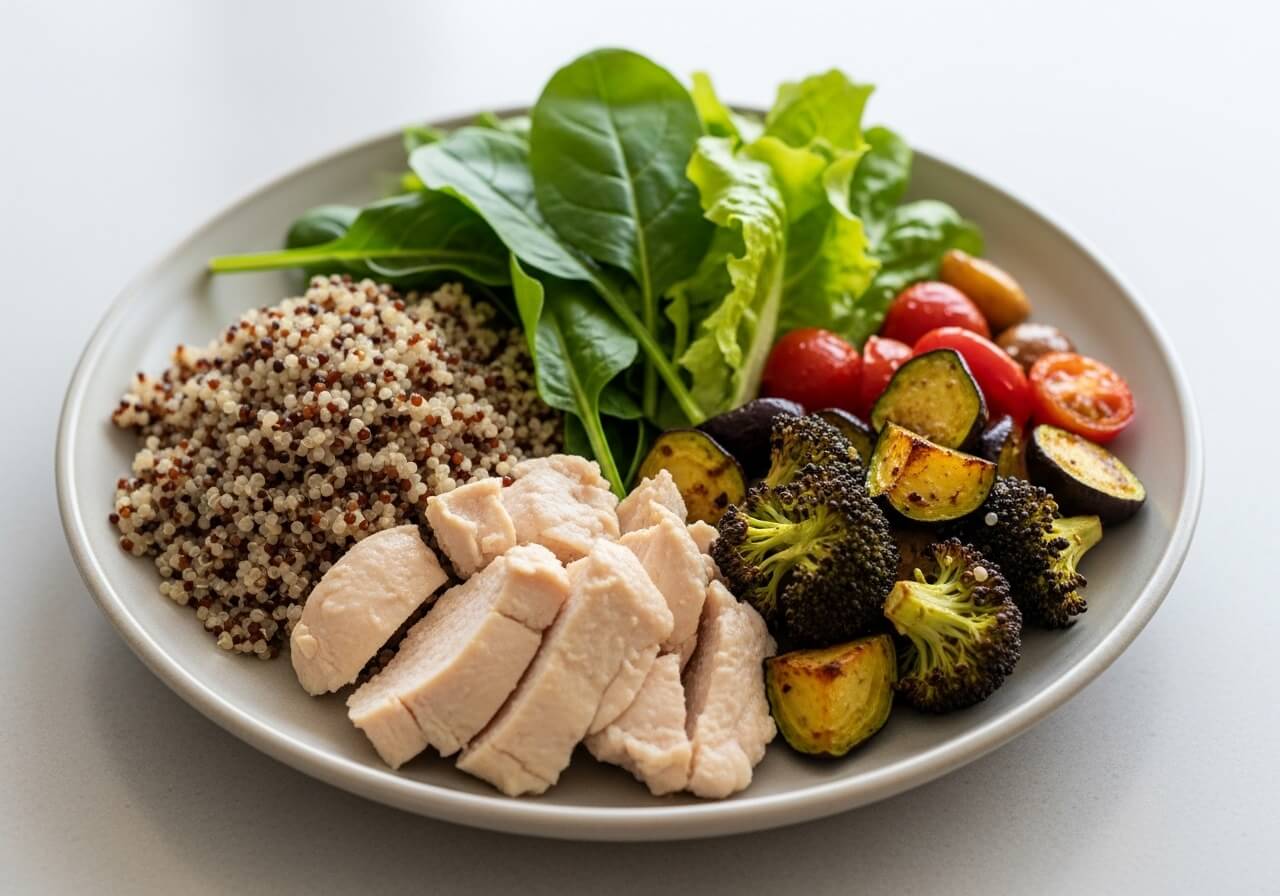
Instead of following rigid food combining rules, build balanced meals that naturally support digestion. Include protein, healthy fat, fiber, and carbohydrates in roughly proportional amounts. This combination slows stomach emptying, stabilizes blood sugar, and provides satiety—all factors that may reduce bloating and discomfort.
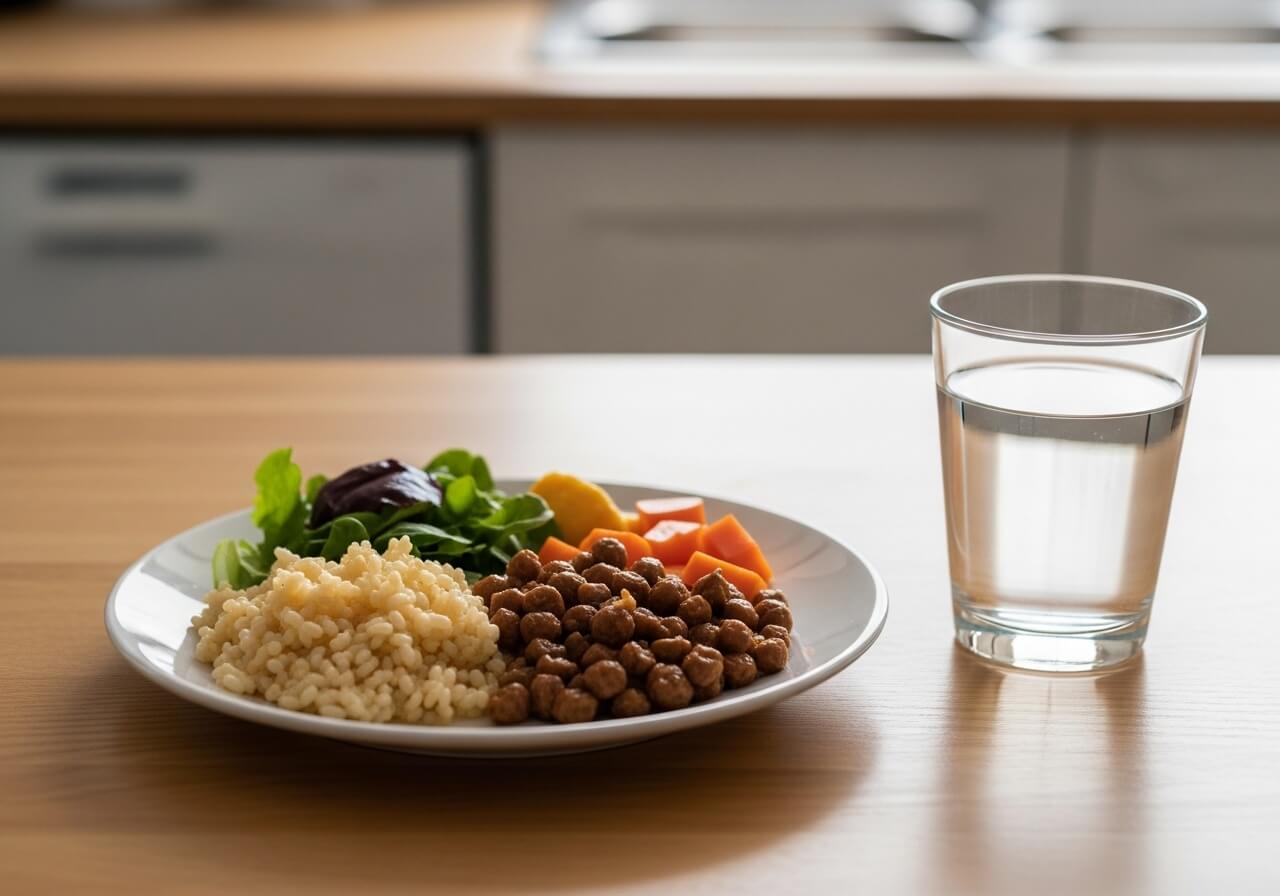
Practical examples: fish with sweet potato and broccoli, chicken with quinoa and leafy greens, or beans with brown rice and roasted vegetables. These pairings work because the fiber aids movement through the digestive tract, the protein provides amino acids for enzyme production, and the whole grains offer sustained energy without blood sugar spikes.
What Makes Certain Pairings Effective
Some food pairings do have evidence-based benefits—but not for the reasons food combining theory suggests. Eating fat-soluble vitamins (A, D, E, K) with dietary fat genuinely improves their absorption. Eating iron-rich foods with vitamin C enhances iron absorption. These specific pairings address actual nutritional needs.
The key to comfortable digestion isn’t avoiding certain foods together; it’s avoiding excessive amounts of any single component. A meal that’s mostly refined carbohydrates with little protein or fiber digests too quickly, causing energy crashes. A meal that’s mostly fat without fiber can feel heavy. Balance prevents these problems more reliably than any food combining system.
Practical Steps to Improve Your Digestion
Identify What Actually Causes Discomfort
Start by assessing your current eating patterns. Do you feel bloated after certain meals? Does your energy crash an hour after lunch? Do specific foods trigger gas or cramping? Track how you feel after meals for one to two weeks without changing anything. Note the time, what you ate, and any symptoms—bloating, cramping, energy changes, or digestive urgency.
Then implement one change at a time. If you notice bloating after rushed meals, slow down and chew thoroughly—this reduces swallowed air and gives digestive enzymes more time to work. If you feel sluggish after very carbohydrate-heavy meals, add protein or fat to stabilize digestion. If you experience gas after high-fiber foods, ensure you’re drinking enough water throughout the day, as fiber needs adequate hydration to move smoothly through the digestive tract.
Make Targeted Adjustments Based on Your Response
Most digestive improvements come from practical factors: eating at a reasonable pace, including fiber consistently, staying hydrated, and balancing macronutrients. By changing one variable at a time, you can identify what actually matters for your digestion rather than following a generic system.
For example, if you suspect fast eating causes bloating, set a timer for 20 minutes at your next meal and eat slowly. Notice if symptoms improve. If you suspect inadequate fiber causes sluggish digestion, add one extra serving of vegetables to one meal daily and observe effects over three days. This targeted approach addresses real causes of discomfort.
Common Mistakes That Actually Affect Digestion
Overlooking Preparation Methods
Preparation significantly affects digestibility—often more than which foods you pair together. Cooking breaks down cell walls, making nutrients more accessible and reducing digestive work. Raw vegetables contain more insoluble fiber than cooked ones, which can cause bloating if you’re not accustomed to high fiber intake.
Soaking or sprouting legumes reduces compounds that interfere with digestion. Grinding or blending foods increases surface area, potentially speeding digestion. Someone struggling with bloating might find relief by lightly cooking vegetables instead of eating them raw, or by pureeing beans into a soup instead of eating whole beans—not by separating proteins from carbohydrates.
Ignoring Individual Digestive Needs
While food combining lacks support for the general population, specific medical conditions do require dietary adjustments. Someone with lactose intolerance genuinely needs to limit dairy products—not because of food combining theory, but because they lack sufficient lactase enzyme. A person with celiac disease must avoid gluten regardless of surrounding foods.
Healthy individuals with no enzyme deficiencies or digestive disorders benefit from balanced mixed meals. Those with gastroparesis, irritable bowel syndrome, or other conditions should work with healthcare providers on a tailored approach rather than following generic food combining rules. Your body’s actual needs matter more than any dietary theory.
Supporting Digestion Through Lifestyle Habits

Foods That Naturally Support Digestive Processes
Certain foods contain natural compounds that may support digestion. Ginger contains compounds that may enhance gastric juice secretion. Fermented foods like sauerkraut, kimchi, and plain yogurt contain beneficial bacteria that support gut health and may improve digestion over time through improved microbiome function.
These foods work not because they’re “compatible” with other foods, but because they directly support digestive processes. Drinking ginger tea before a meal may ease digestion. Including fermented foods regularly may improve overall gut health. These are practical strategies that don’t require avoiding any particular food combination.
The Impact of Eating Habits and Hydration
Digestion begins before food reaches your stomach. Eating in a relaxed state activates your parasympathetic nervous system, which triggers digestive enzyme secretion and stomach acid production. Rushing through meals or eating while stressed may reduce digestive efficiency regardless of which foods you’ve paired.
Hydration directly affects digestion. Water is necessary for saliva production, stomach acid secretion, and movement of food through your intestines. Fiber requires adequate water to move smoothly; without it, even modest amounts of fiber can cause constipation or bloating. Most people benefit from drinking water consistently throughout the day rather than following timing rules around meals.
Frequently Asked Questions
Does food combining help with bloating?
Bloating stems from multiple causes: swallowed air during fast eating, insufficient hydration, sudden increases in fiber intake, food sensitivities, or eating excessively at one meal. Food combining theory addresses none of these actual causes. If you eat slowly, stay hydrated, gradually increase fiber intake, and eat reasonable portion sizes, bloating often improves—without any need for separation rules. Focus on identifying and addressing the real cause rather than restricting food combinations.
What are compatible food groups?
From a physiological standpoint, all food groups are compatible. Your body simultaneously digests protein, carbohydrates, and fat when eaten together. Traditional food combining categorizes foods into groups like fruits, vegetables, proteins, starches, and fats, then suggests eating only compatible groups together. However, this categorization lacks scientific basis. A more useful framework focuses on macronutrient balance—ensuring meals contain adequate protein, fiber, and healthy fat—rather than rigid group separation.
Can food combining improve nutrient absorption?
Nutrient absorption depends on several factors: the presence of cofactors needed for absorption, adequate stomach acid and digestive enzymes, healthy intestinal lining, and overall meal composition. Specific pairings have evidence—eating fat with fat-soluble vitamins improves their absorption, and vitamin C enhances iron absorption from plant sources. However, separating proteins from carbohydrates doesn’t improve nutrient absorption. Your body absorbs nutrients from mixed meals effectively. Focus on specific, evidence-based pairings rather than broad food combining systems.
Building balanced meals, eating at a relaxed pace, staying hydrated, and paying attention to what actually causes discomfort in your body can support comfortable digestion. You don’t need complex food combining rules to achieve this. Start by making one practical change—eating more slowly, drinking more water, or including more vegetables—and observe how your body responds.