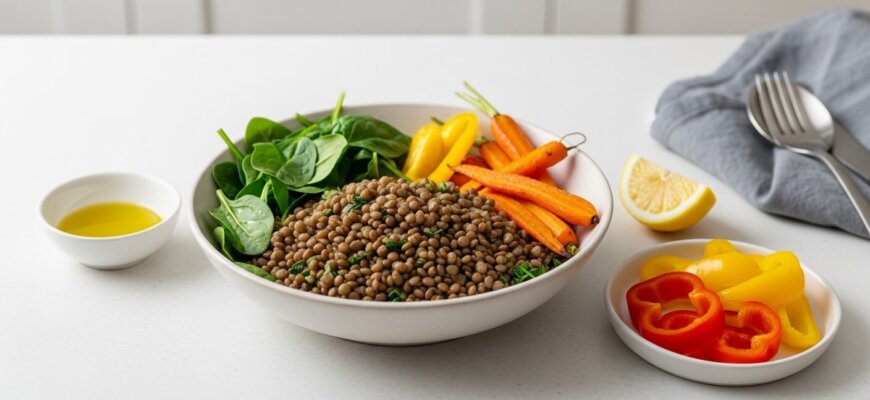
Your body may not be absorbing all the nutrients from your meals, even with a healthy diet. Nutrient absorption depends on more than simply eating the right foods—it’s affected by how you pair foods, when you eat them, and how you prepare them. Understanding these factors helps you improve nutrient absorption from food so your body can actually use what you’re consuming.
- What blocks nutrient absorption in typical diets
- Processed foods that interfere with vitamin absorption
- How cooking methods destroy nutrients before eating
- Food pairing for maximum nutrient bioavailability
- Iron-rich meals with vitamin C for enhanced uptake
- Fat-soluble vitamins paired with healthy fats
- Step-by-step meal timing for better nutrient uptake
- Spacing supplements away from competing nutrients
- Timing fiber intake to avoid blocking mineral absorption
- Fix these common absorption mistakes
- Drinking tea with iron-rich meals blocks uptake
- Eating raw spinach without fat limits nutrient absorption
- When digestion issues require absorption adjustments
- Adding fermented foods for better vitamin activation
- Using digestive enzymes for specific food intolerances
- FAQ
- Does cooking really reduce nutrient absorption?
- Can I absorb nutrients from supplements as well as food?
- How long does it take to see improved nutrient levels?
- Conclusion
What blocks nutrient absorption in typical diets
Common eating habits can interfere with how well your body absorbs nutrients, even when you’re choosing healthy foods.
Processed foods that interfere with vitamin absorption
Ultra-processed foods often lose their original nutrient density and fiber content during manufacturing. Fiber helps regulate digestion and gives your gut more time to absorb nutrients. Some processed foods also contain additives that may interfere with mineral uptake, though the specific effect varies depending on which nutrients and compounds are involved.
How cooking methods destroy nutrients before eating
Cooking affects nutrients differently depending on the method. Boiling vegetables can leach water-soluble vitamins like B and C into the cooking water, which gets poured down the drain. On the other hand, cooking breaks down plant cell walls in foods like tomatoes and carrots, making certain nutrients more accessible. Steaming, roasting, or stir-frying typically preserve more nutrients than prolonged boiling. High heat for extended periods reduces nutrient content more than gentler, quicker methods.
Food pairing for maximum nutrient bioavailability
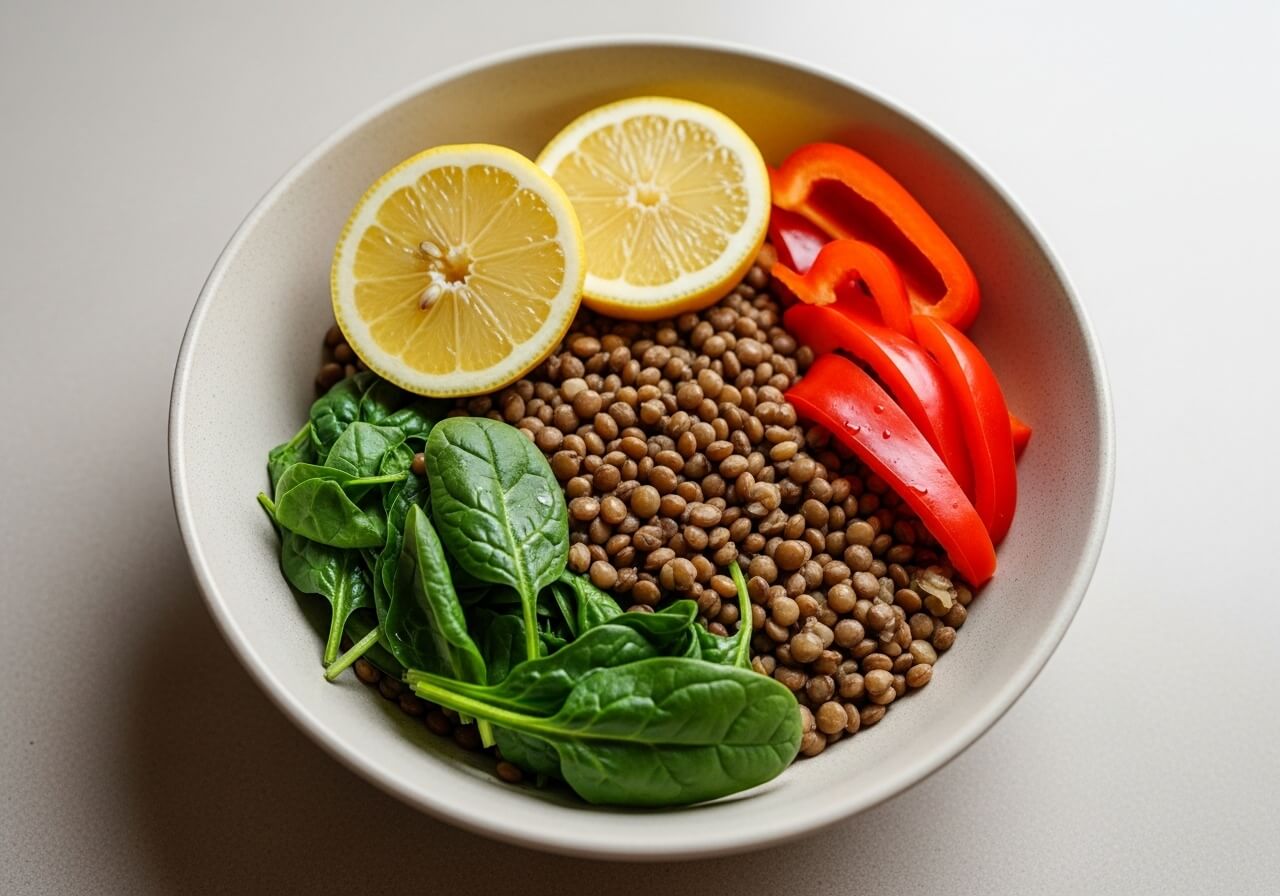
Combining specific foods enhances nutrient bioavailability—how much your body can actually absorb and use.
Iron-rich meals with vitamin C for enhanced uptake
Plant-based iron from beans, lentils, leafy greens, and fortified cereals absorbs better when eaten with vitamin C. The effect is significant: adding citrus, bell peppers, tomatoes, or broccoli to a meal with beans or spinach measurably increases iron absorption. This matters particularly if you’re vegetarian, vegan, or managing iron levels.
Conversely, tea and coffee contain compounds that inhibit iron uptake. If you’re eating an iron-rich meal, wait at least 30–60 minutes before drinking these beverages to avoid reducing absorption.
Fat-soluble vitamins paired with healthy fats
Vitamins A, D, E, and K require dietary fat to be absorbed. Eating a salad with olive oil dressing instead of fat-free dressing improves absorption of these vitamins from the greens. Similarly, pairing carrots or sweet potatoes with nuts, seeds, avocado, or butter increases vitamin A uptake. You don’t need large amounts—even a modest portion of fat in the same meal makes a real difference.
Step-by-step meal timing for better nutrient uptake
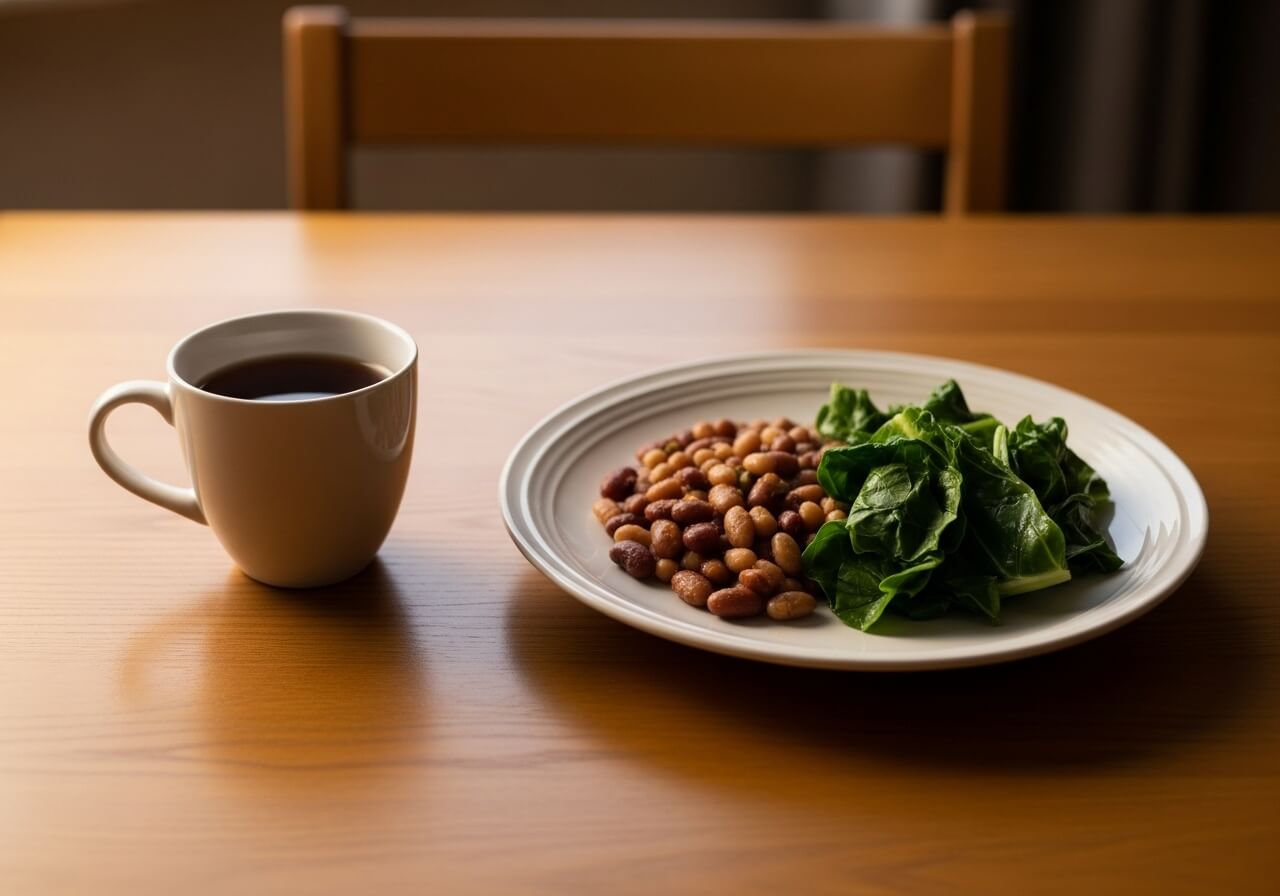
When you eat certain foods and supplements affects absorption, especially when competing nutrients are involved.
Spacing supplements away from competing nutrients
If you take iron supplements, avoid taking them alongside calcium supplements, high-dose zinc, or certain medications—these can interfere with iron absorption. Similarly, tea and coffee should be spaced at least an hour from iron supplements. If you take multiple supplements, ask your pharmacist or doctor which ones should be separated.
Timing fiber intake to avoid blocking mineral absorption
Very high amounts of raw fiber—particularly from supplements—consumed at the same time as mineral-rich meals can bind to minerals and reduce absorption. This mainly applies if you’re taking fiber supplements or eating large amounts of raw vegetables in one sitting. Spacing high-fiber foods a few hours away from iron or calcium-heavy meals may improve mineral absorption. Regular, moderate fiber intake throughout the day doesn’t create this problem.
Fix these common absorption mistakes
Identifying and correcting these specific habits can immediately improve nutrient uptake.
Drinking tea with iron-rich meals blocks uptake
Finishing a meal with tea is common, but if that meal included beans, red meat, spinach, or fortified grains, the tea significantly reduces iron absorption. Both black and green tea contain compounds that interfere with iron uptake. Wait 30–60 minutes after eating before having tea or coffee, or choose these beverages with meals that don’t emphasize iron.
Eating raw spinach without fat limits nutrient absorption
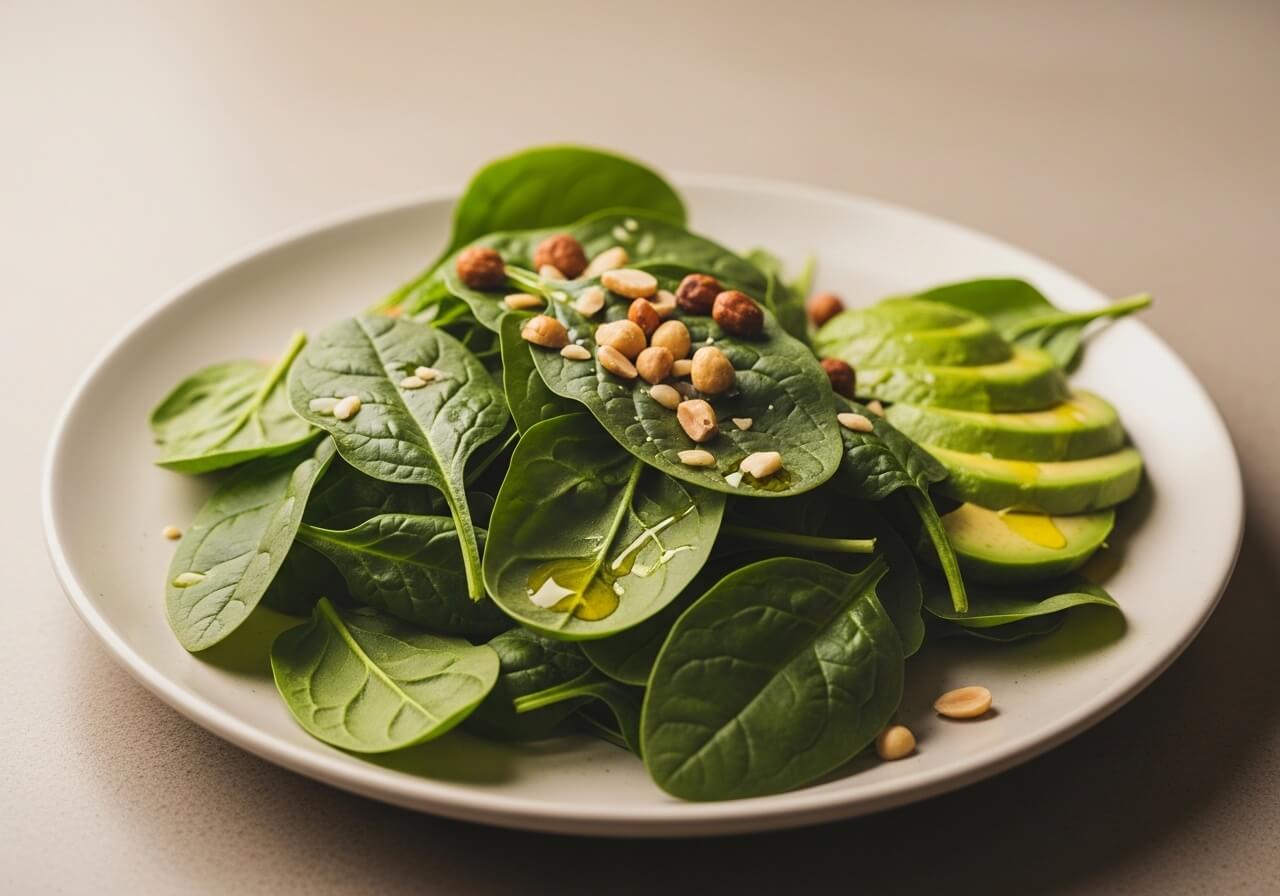
Spinach contains calcium and fat-soluble vitamins, but raw spinach also contains oxalates that bind to calcium and reduce absorption. Eating raw spinach salad without any oil, nuts, seeds, or creamy dressing means your body absorbs less of the nutrients present. Adding olive oil, nuts, cheese, or avocado improves bioavailability of both minerals and fat-soluble vitamins.
When digestion issues require absorption adjustments
Some digestive conditions affect nutrient absorption regardless of food choices. In these cases, food pairing strategies help but have limits.
Adding fermented foods for better vitamin activation
Fermented foods like yogurt, kefir, sauerkraut, kimchi, and tempeh contain beneficial bacteria that may support digestive function. A healthier gut environment can improve overall absorption capacity. However, fermented foods support digestion as part of a broader healthy diet—they won’t fix underlying malabsorption conditions. If you don’t currently eat fermented foods, adding a small serving regularly is a low-risk way to support your digestive system.
Using digestive enzymes for specific food intolerances
If you have difficulty digesting certain foods due to missing or low enzymes, digestive enzyme supplements can help—lactase for dairy, alpha-galactosidase for beans, or bromelain for protein digestion. These work best when you have a specific, identifiable food sensitivity. They’re not necessary for everyone and won’t improve absorption in people without those challenges. If you suspect a digestive problem beyond food pairing or timing issues, consult a healthcare provider to determine whether enzymes or other interventions are appropriate.
FAQ
Does cooking really reduce nutrient absorption?
It depends on the nutrient and method. Boiling leaches water-soluble vitamins like C and B vitamins into the water, but cooking can improve bioavailability of other nutrients like lycopene in tomatoes by breaking down cell walls. Use gentler methods like steaming or roasting when possible, and if you do boil vegetables, use the cooking water in soups or sauces to retain nutrients.
Can I absorb nutrients from supplements as well as food?
Supplements provide nutrients, but they don’t always absorb the same way as nutrients from whole foods. Whole foods contain complex combinations of compounds that can enhance absorption, plus fiber and other beneficial components. Supplements are useful for filling specific gaps but work best alongside a nutrient-dense diet, not as a replacement. Absorption from supplements versus food also varies individually.
How long does it take to see improved nutrient levels?
Better food pairing affects absorption immediately—you absorb more from your next meal when you pair iron with vitamin C or fat-soluble vitamins with fat. However, rebuilding nutrient stores in your body takes longer. If you’re addressing a deficiency, it typically takes weeks to months of consistent improved absorption to restore levels meaningfully. Blood work can track progress, but this requires time and consistency.
Conclusion
Improving how your body absorbs nutrients doesn’t require complicated meal plans or special ingredients. Start with one or two practical changes—squeeze lemon on beans, add olive oil to salads, or time your tea away from iron-rich meals. If you’ve made these adjustments and still experience symptoms of poor nutrition or digestive issues, consult a healthcare provider to rule out underlying absorption problems that need medical attention.