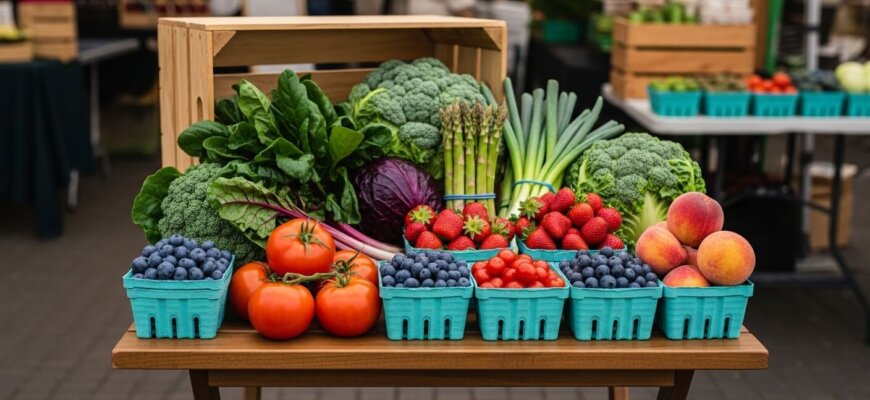
Seasonal eating aligns your shopping with nature’s harvest cycles—buying produce when it’s actually ready to harvest in your region. This seasonal produce nutrition guide helps you identify when fruits and vegetables are freshest and most flavorful, supporting both your health and local farmers. Rather than treating every item as available year-round, you’ll learn to match purchases with regional harvests, which often means better taste, lower prices, and genuinely fresh ingredients.
- Which produce items offer peak nutrition season by season
- Spring vegetables packed with vitamin C and folate
- Summer berries with highest antioxidant concentrations
- How to shop smart for seasonal fruits vegetables at markets
- Questions to ask farmers about harvest dates and storage
- Signs of peak ripeness that signal optimal nutrition
- What common seasonal eating mistakes waste your money and nutrients
- Buying out-of-season produce expecting better flavor or nutrition
- Storing seasonal harvest incorrectly causing rapid nutrient loss
- Where to find reliable local seasonal eating calendars for your region
- State agricultural extensions with seasonal produce guides
- Farmers market apps that track regional harvesting schedules
- When to adjust your seasonal eating during unusual weather patterns
- Strategies for extended growing seasons in your area
- Preserving techniques to extend peak season benefits
- FAQ
- How much more nutritious is truly seasonal produce compared to year-round options?
- Can frozen seasonal vegetables still provide peak nutrition season benefits?
- What’s the difference between seasonal eating and eating organic produce?
- Conclusion
Which produce items offer peak nutrition season by season
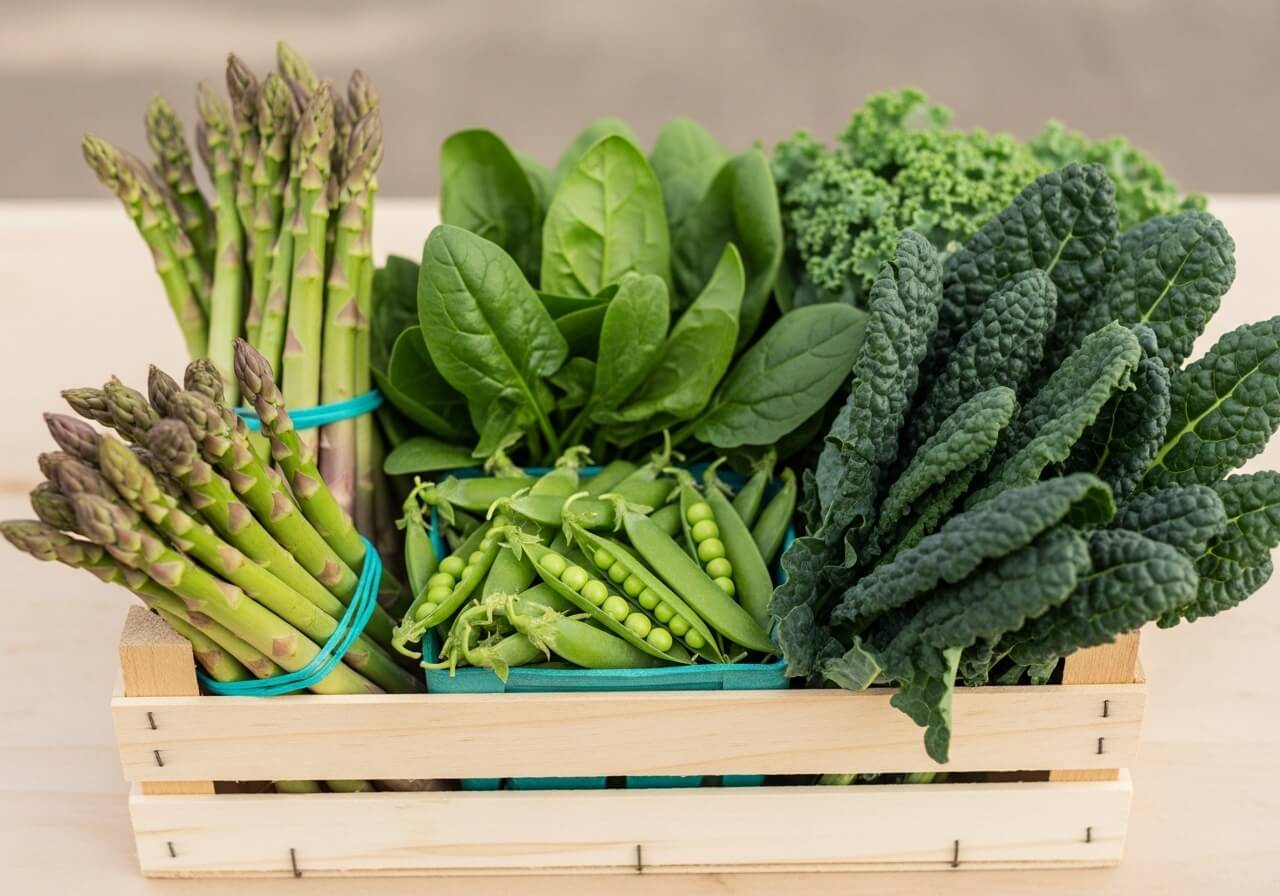
The USDA seasonal produce guide maps common fruits and vegetables across spring, summer, fall, and winter. Knowing these windows helps you identify when specific items are most likely fresh and flavorful in your local market.
Spring vegetables packed with vitamin C and folate
Spring brings leafy greens, asparagus, peas, and young root vegetables. Spinach and kale are particularly rich in folate during spring months, and fresh greens taste noticeably crisper when they’ve traveled short distances from local fields. Asparagus and peas hit peak season in April and May across most U.S. regions, developing characteristic flavor and texture without the soft, mushy quality that comes from long storage.
Summer berries with highest antioxidant concentrations
Blueberries, strawberries, and raspberries peak from June through August, depending on your region. Summer tomatoes also reach their flavor maximum during these months. These items taste dramatically different in peak season compared to off-season alternatives—a difference you’ll notice immediately. Stone fruits like peaches and plums are similarly at their best when local orchards harvest them, rather than after weeks in transit or cold storage.
How to shop smart for seasonal fruits vegetables at markets
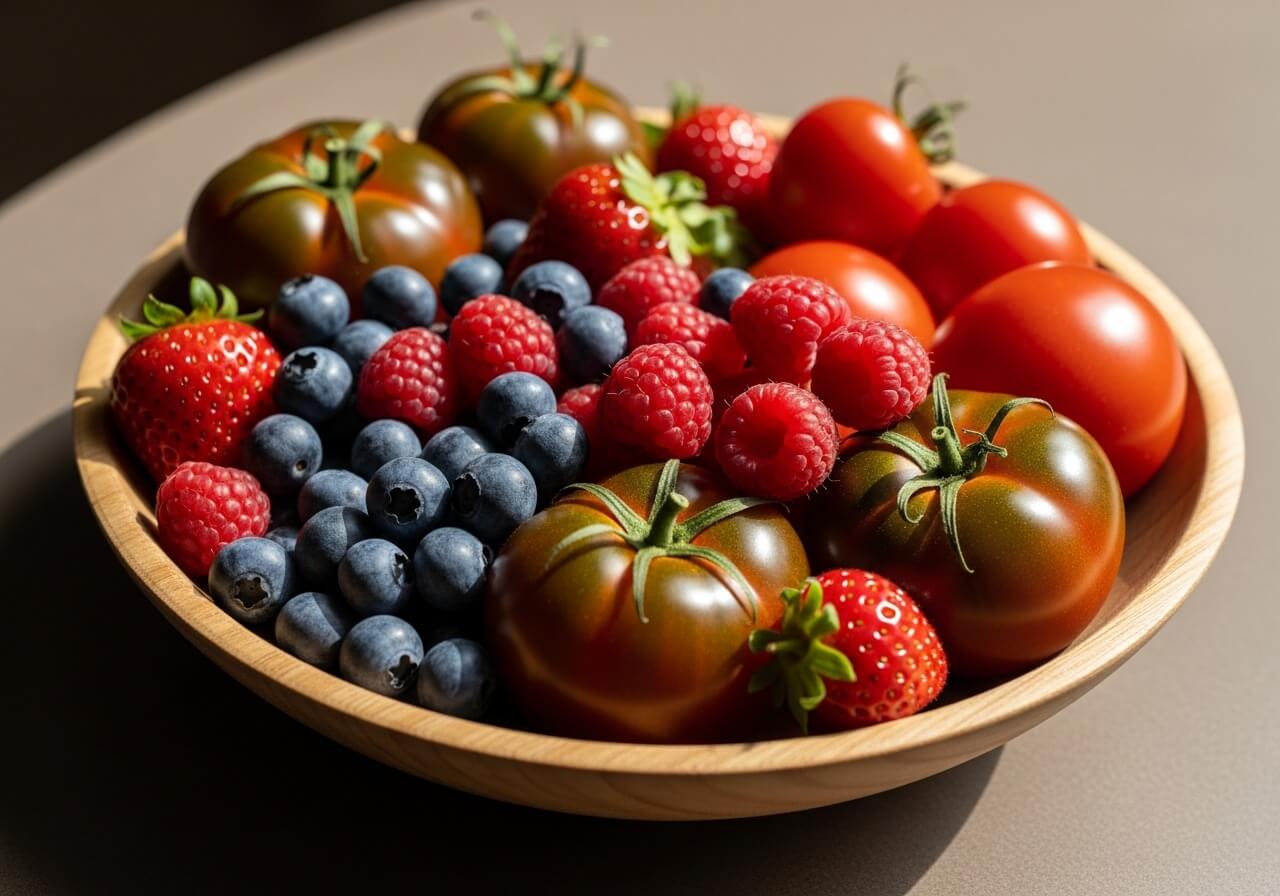
Knowing when produce is in season matters little if you can’t identify truly fresh items. A few specific questions and observations help you select peak produce rather than paying for something that’s been sitting in storage.
Questions to ask farmers about harvest dates and storage
At farmers markets, ask when produce was harvested—ideally within 1–3 days. Ask about storage: in a cooler, in the field, or at room temperature. Produce harvested yesterday and kept cool will taste better than produce harvested a week ago, even if both are technically in season. For leafy greens and herbs, ask whether they were cut that morning or the previous day. This affects how long they’ll stay fresh in your refrigerator and how much nutrient loss has already occurred.
Signs of peak ripeness that signal optimal nutrition
Learn what peak ripeness looks like for each item. Tomatoes should be deeply colored and slightly soft to gentle pressure—not rock-hard. Berries should smell sweet and fragrant, not musty. Stone fruits should yield slightly to pressure and smell aromatic. For greens, look for vibrant color and crisp texture; wilted or yellowing leaves indicate age. Firm, heavy produce (relative to its size) usually indicates it was picked at the right time and hasn’t begun to dry out.
What common seasonal eating mistakes waste your money and nutrients
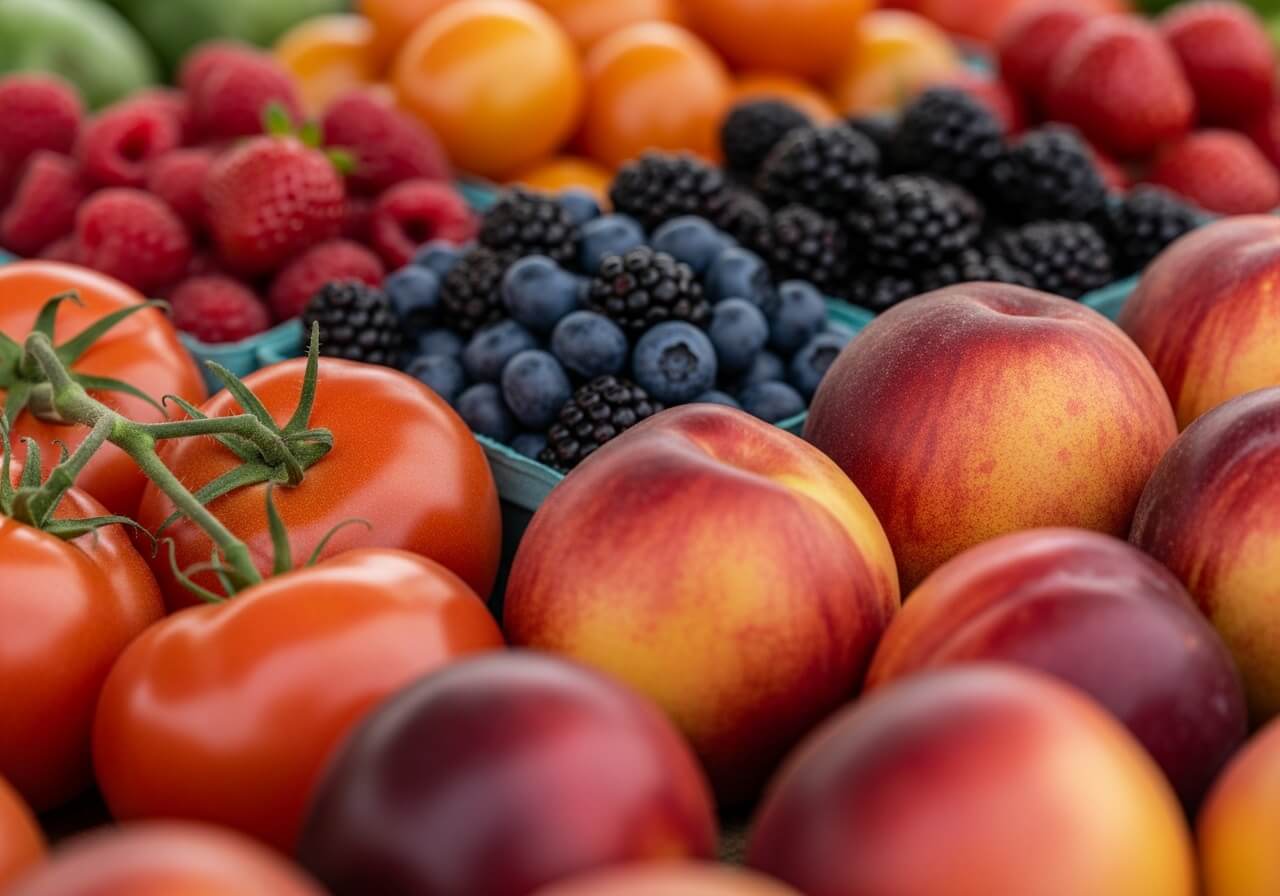
Even when you understand seasonal eating concepts, specific habits can undermine the benefits. These mistakes are easy to make but avoidable once you recognize them.
Buying out-of-season produce expecting better flavor or nutrition
Off-season berries shipped from thousands of miles away often disappoint on taste and firmness, yet cost significantly more. The same applies to winter tomatoes or December asparagus. These items are picked unripe to withstand long transport, which means they never develop full flavor. Choosing frozen alternatives during off-season, or simply picking different produce that is in season, is often a better strategy financially.
Storing seasonal harvest incorrectly causing rapid nutrient loss
Improper storage rapidly diminishes what you paid for. Leafy greens need refrigeration and should be used within 3–5 days. Berries deteriorate fast in warm conditions and need immediate refrigeration. Tomatoes stored in the refrigerator lose flavor compounds (though they last longer), so room temperature storage is better for taste if you’ll use them within a few days. Understanding correct storage for each item means you actually consume it before it spoils.
Where to find reliable local seasonal eating calendars for your region
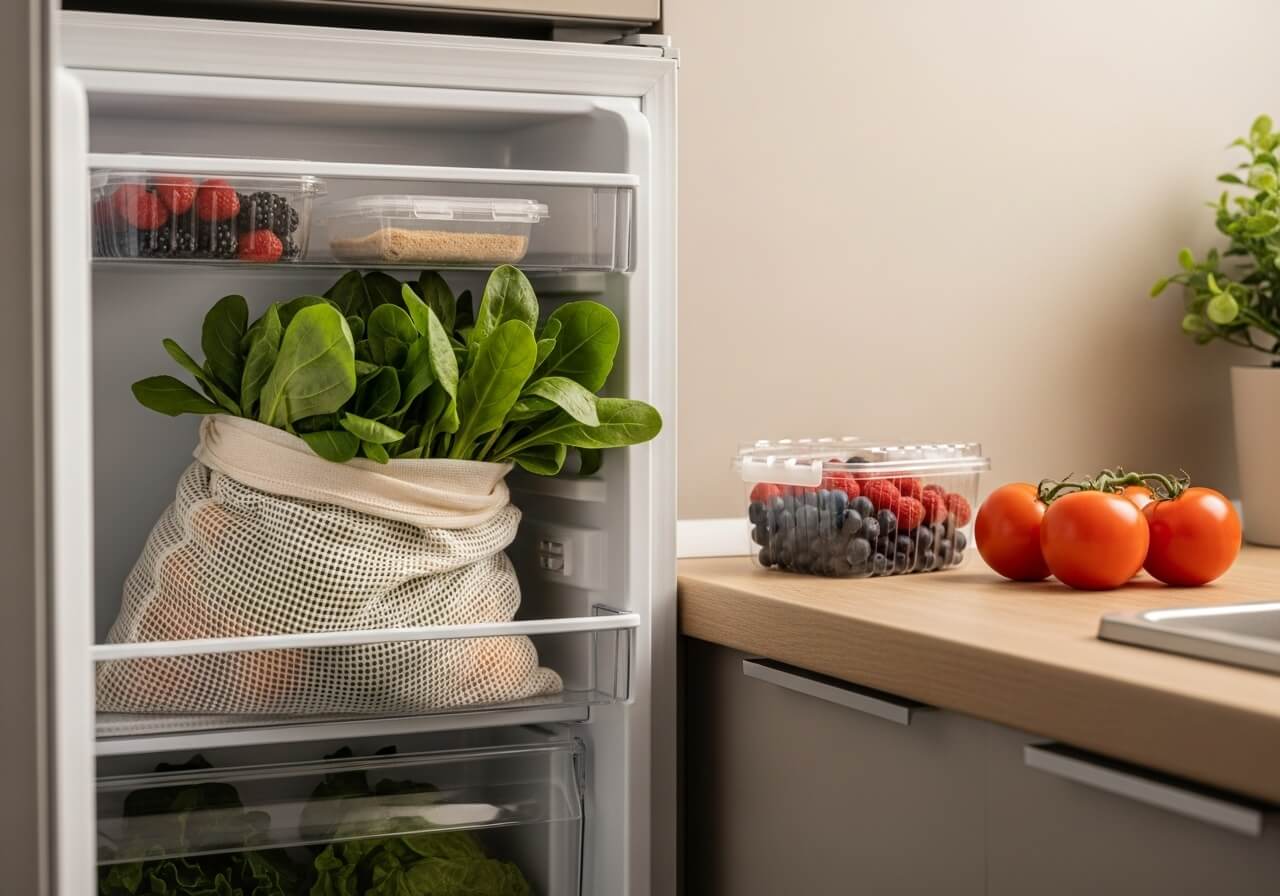
Generic seasonal calendars can mislead because harvest timing varies significantly by region, elevation, and annual weather patterns. Resources specific to your area ensure you’re shopping at the right time.
State agricultural extensions with seasonal produce guides
Most U.S. states have cooperative extension offices that publish seasonal produce guides for their region. These list what’s typically harvested each month in your specific state or county, accounting for local climate and growing practices. Search “[your state] cooperative extension seasonal produce guide” to find the official resource. These guides are free, regularly updated, and more accurate than national calendars.
Farmers market apps that track regional harvesting schedules
Several farmers market directories and apps include real-time information about what vendors are selling and when specific items typically arrive. These resources show farmers markets in your area and sometimes include direct contact so you can ask about upcoming harvests. Some apps let you create shopping lists based on current seasonal availability, helping you plan meals around what’s actually at peak this week.
When to adjust your seasonal eating during unusual weather patterns
Weather variations mean seasonal timing isn’t fixed. A late spring frost, early fall freeze, or exceptionally warm summer changes when produce is available. Rather than rigidly following outdated calendars, you can adapt.
Strategies for extended growing seasons in your area
Climate change and improved farming techniques have extended growing seasons in many regions. Ask local farmers whether their typical harvest window has shifted earlier or later in recent years. Some areas now have two crop cycles for items like lettuce or beans. Understanding your specific local pattern helps you buy produce at its actual peak rather than when an old calendar says it should be available.
Preserving techniques to extend peak season benefits
When produce is at absolute peak but you can’t consume it all immediately, freezing, canning, or dehydrating can lock in freshness. Frozen berries and vegetables may retain most vitamins and minerals if frozen promptly after harvest, making them a legitimate option when fresh seasonal produce is expensive or unavailable. You can freeze fresh tomatoes for later use in sauces, blanch and freeze seasonal vegetables, or make jam from peak-season berries. This extends the benefits of peak harvests through months when that same produce is expensive or poor quality.
FAQ
How much more nutritious is truly seasonal produce compared to year-round options?
Nutrient content depends on variety, ripeness at harvest, storage conditions, and transport time—not seasonality alone. Produce that was picked ripe and stored properly can be nutritious whether it’s technically in season or not. However, produce that’s in season and local is usually fresher because it traveled shorter distances and spent less time in storage, which may mean better retention of heat-sensitive nutrients like vitamin C. The real advantage is that you’re more likely getting fresher produce, not that seasonality automatically creates more nutrients.
Can frozen seasonal vegetables still provide peak nutrition season benefits?
Yes. Freezing can preserve many vitamins and minerals if done promptly after harvest. Frozen vegetables often contain as much or more nutrient content than fresh produce that’s been stored or transported for extended periods. Frozen berries, peas, and broccoli are reliable options when fresh versions are out of season or prohibitively expensive. The main trade-off is texture—frozen items won’t have the crisp quality of fresh produce—but nutritionally they’re a solid choice.
What’s the difference between seasonal eating and eating organic produce?
“Seasonal” describes harvest timing—buying produce when it’s naturally ready to pick in your region. “Organic” describes farming practices—growing without synthetic pesticides or fertilizers. These are separate choices. You can buy seasonal produce that’s not organic, or buy organic produce that’s not in season. Seasonal eating often supports local farmers and typically offers better flavor and freshness; organic eating addresses concerns about pesticide residues and farming practices.
Conclusion
Start by consulting a regional seasonal produce guide for your state, then visit a farmers market and ask when items were harvested. You don’t need to eat only seasonal produce to benefit—simply shifting a few key items like tomatoes, berries, or leafy greens to their peak seasons will noticeably improve both flavor and freshness. Small adjustments to your shopping routine can make a real difference in what ends up on your table.