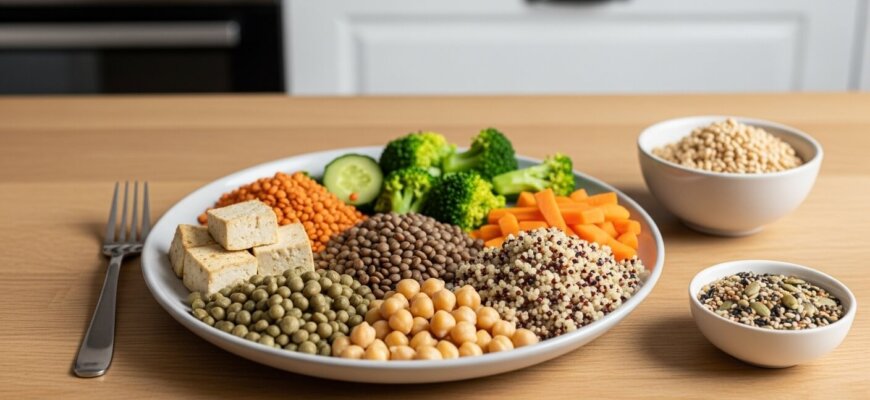
Building muscle on a plant-based diet works through the same biological mechanisms as any other approach: adequate protein, sufficient calories, and consistent training. The key difference is understanding how to select and combine plant foods to meet your targets. This guide shows you which foods deliver results and how to structure meals that support muscle growth.
- How plant proteins trigger muscle growth
- Complete vs incomplete amino acid profiles in plants
- Timing protein intake for optimal muscle recovery
- Best foods and meal strategies for plant-based muscle growth
- Highest protein plant foods ranked by muscle building potential
- Sample meal plans for different training schedules
- Mistakes that slow plant-based muscle gain
- Calorie deficits hiding behind healthy plant foods
- Neglecting key nutrients like iron and zinc
- FAQ
- How much protein do I need daily to build muscle on a plant-based diet?
- Can plant proteins build muscle as effectively as whey or animal proteins?
- Do vegans need to combine proteins at every meal for muscle building?
- Conclusion
How plant proteins trigger muscle growth
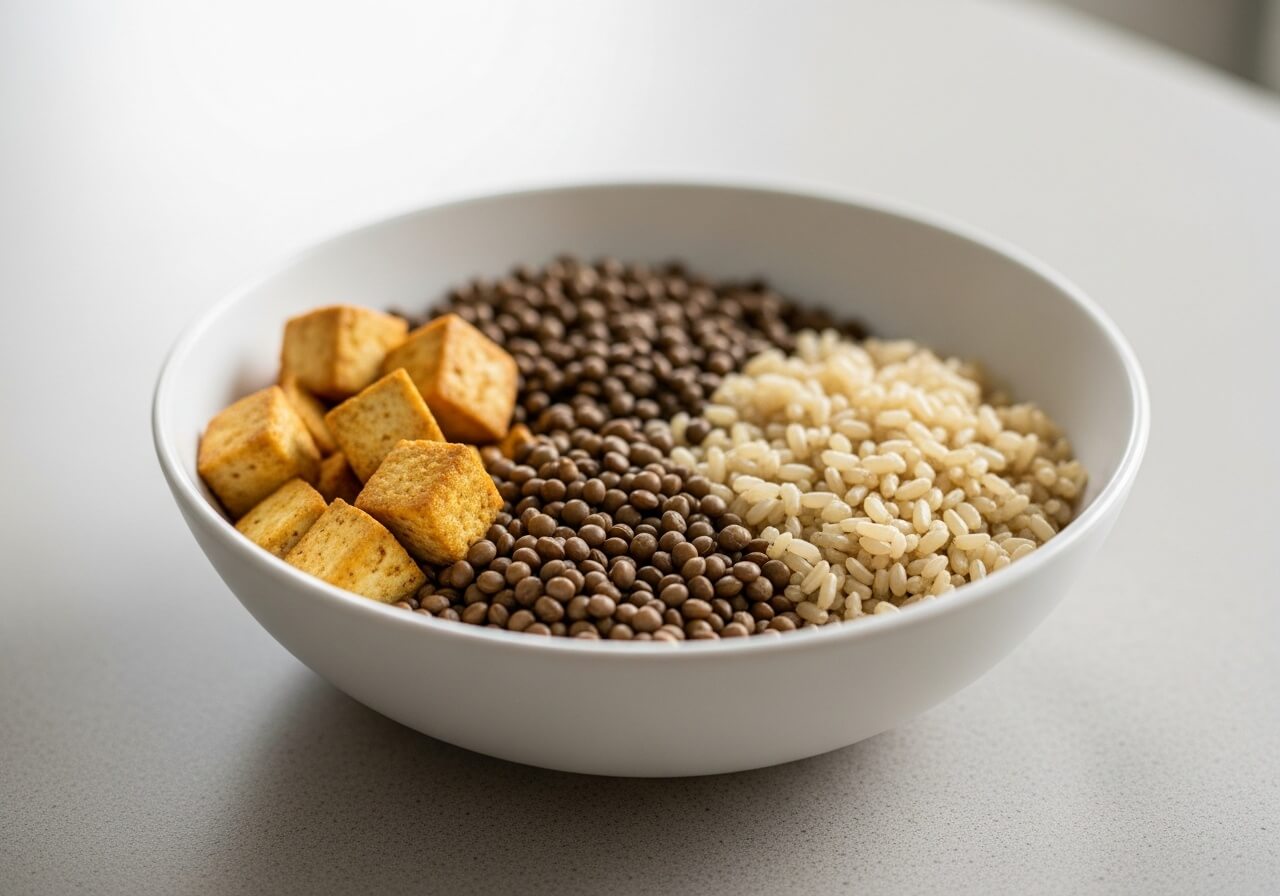
Muscle repairs and grows when your body has amino acids from protein to rebuild tissue after training. All protein contains amino acids, but the composition varies by source.
Complete vs incomplete amino acid profiles in plants
Animal proteins contain all nine essential amino acids in roughly equal amounts, making them “complete” proteins. Many plant proteins are lower in one or more essential amino acids, but this matters less than it sounds for practical muscle building.
What counts is whether your daily diet supplies all nine essential amino acids in adequate amounts. Eating tofu, lentils, seeds, and whole grains throughout the day provides a complete amino acid profile, even though individual foods may not.
Soy and quinoa are notable exceptions with complete profiles, but they’re not required. A plant-based lifter eating varied protein sources—tempeh, seitan, legumes, and grains—achieves the same amino acid balance as someone eating animal protein.
One practical consideration: plant proteins tend to be less digestible than animal proteins. Research suggests plant-based athletes may benefit from slightly higher total protein intake—around 1.8 to 2.0 grams per kilogram of body weight instead of the 1.6 grams often recommended for omnivores.
Timing protein intake for optimal muscle recovery
Distributing protein across the day supports muscle protein synthesis better than concentrating intake in one meal. Aim for roughly 20 to 40 grams of protein per meal, spread across three to four eating occasions.
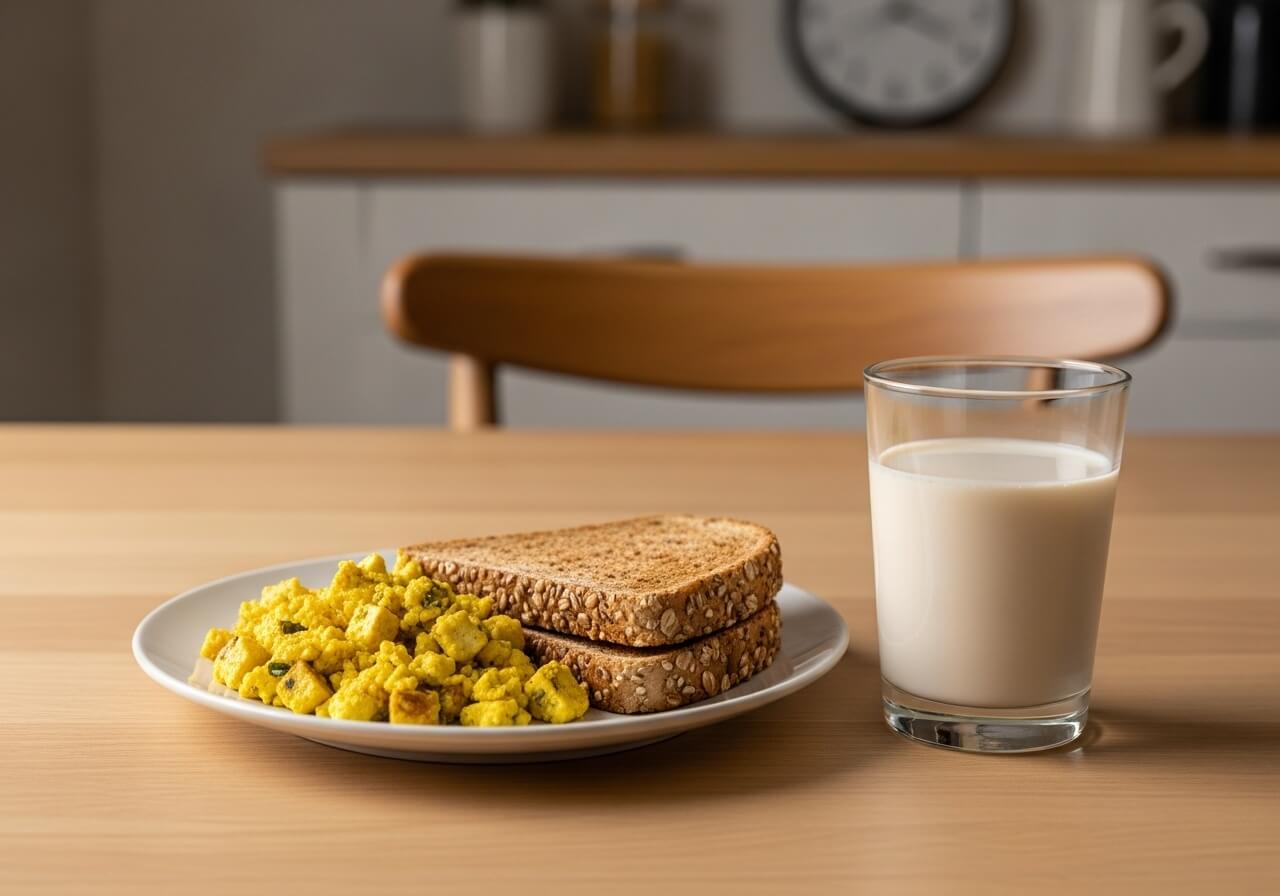
A practical pattern: eat protein-rich meals or snacks every four to five hours. Tofu scramble at breakfast, chickpea salad at lunch, nuts mid-afternoon, and lentil pasta at dinner keeps amino acids available for muscle repair throughout the day.
Best foods and meal strategies for plant-based muscle growth
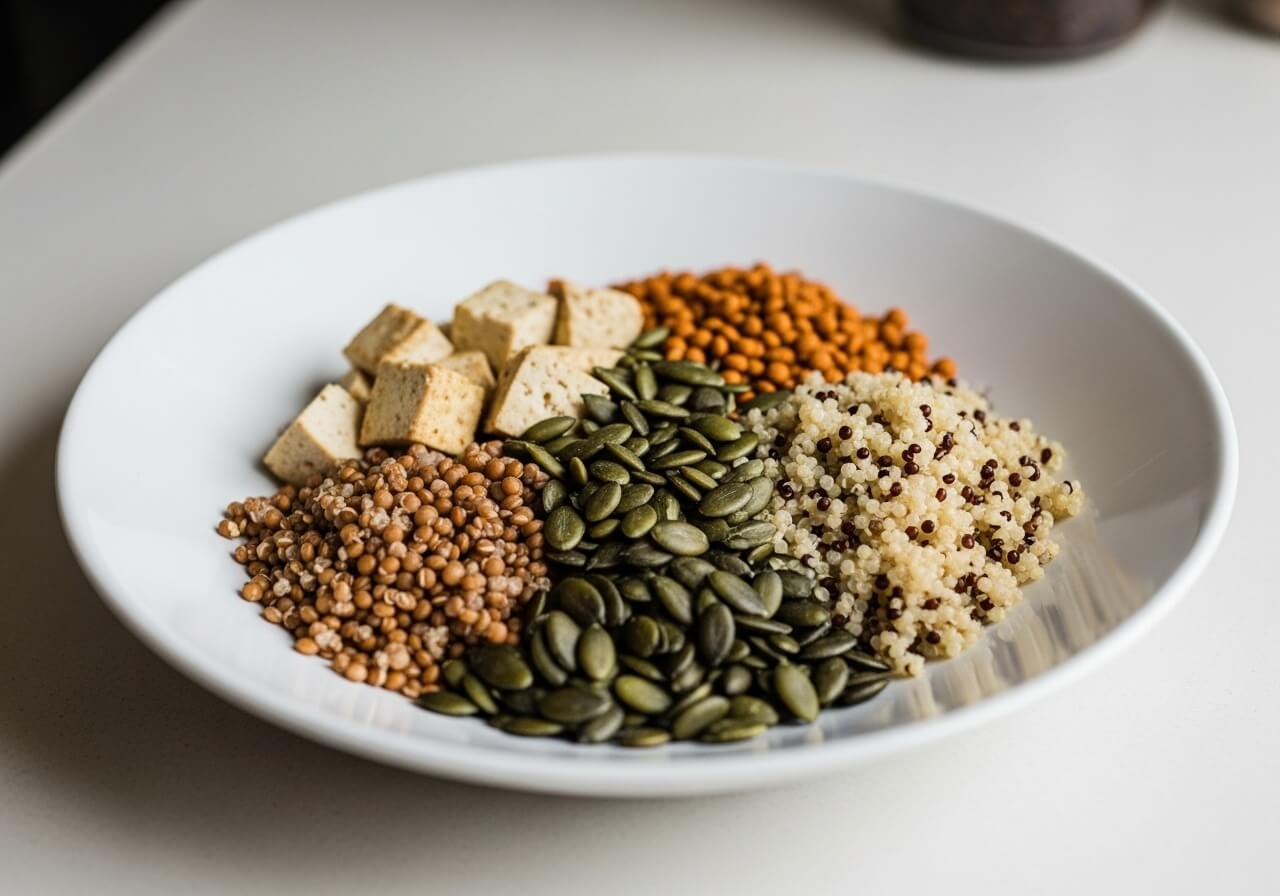
Success comes from selecting foods that deliver protein alongside adequate calories and micronutrients—foods you can eat consistently without burnout.
Highest protein plant foods ranked by muscle building potential
Build meals around these protein-dense options:
- Soy products (tofu, tempeh, edamame, soy milk): 10–20 grams per serving; complete amino acid profile; works in most cuisines
- Seitan: 25 grams per 100 grams cooked; high in leucine; neutral flavor
- Legumes (lentils, chickpeas, black beans): 15–18 grams per cooked cup; high in fiber and iron; shelf-stable
- Nuts and seeds (peanuts, almonds, hemp seeds): 5–10 grams per ounce; calorie-dense for supporting a surplus; portable
- Whole grains (quinoa, oats, whole wheat): 3–8 grams per serving; complements legumes for complete amino acids; supports calorie intake
- Nutritional yeast: 8 grams per 2 tablespoons; fortified with B vitamins
The best choice is the food you’ll actually eat regularly. Consistency with foods you enjoy matters more than optimizing every gram.
Sample meal plans for different training schedules
For moderate training (3–4 hours weekly):
- Breakfast: oatmeal with peanut butter, banana, and soy milk (20g protein)
- Lunch: chickpea salad with olive oil and whole wheat pita (18g protein)
- Snack: hemp seeds with berries (8g protein)
- Dinner: tempeh stir-fry with brown rice and vegetables (22g protein)
- Total: approximately 68g protein
For intensive training (5–6 hours weekly):
- Breakfast: tofu scramble with whole grain toast and avocado (25g protein)
- Snack: protein smoothie with soy milk and hemp seeds (18g protein)
- Lunch: lentil soup with whole grain bread (20g protein)
- Snack: almonds and apple (6g protein)
- Dinner: seitan with sweet potato and greens (28g protein)
- Total: approximately 97g protein
These examples assume a body weight of 70–80kg. Calculate your needs by multiplying your weight in kilograms by 1.8 to 2.0 grams, then divide by your number of daily meals.
Mistakes that slow plant-based muscle gain
Most barriers to plant-based muscle building stem from planning errors, not protein quality.
Calorie deficits hiding behind healthy plant foods
High-fiber foods like vegetables, whole grains, and legumes fill your stomach quickly. You can feel satisfied while eating 300–400 calories below your target—enough to stall muscle growth entirely.
A 70kg lifter building muscle typically needs 2,600 to 2,800 calories daily. If most meals center on low-calorie vegetables and grains, hitting this target becomes difficult despite eating large volumes.
The fix: include calorie-dense foods intentionally. Add nuts, seeds, olive oil, and avocado to meals. Drink soy milk or smoothies with protein powder. Track intake for one week to verify you’re meeting calorie targets, not just protein targets.
Simple check: if your weight doesn’t change after three weeks of consistent training, add 200 calories daily from nuts or oil and reassess weekly.
Neglecting key nutrients like iron and zinc
Plant sources of iron and zinc are less bioavailable than animal sources—your body absorbs less of what you eat. Deficiencies can reduce training performance and slow recovery.
Iron sources include lentils, chickpeas, fortified cereals, and leafy greens. Pairing these with vitamin C (citrus, tomatoes, peppers) increases absorption. Zinc comes from seeds, nuts, legumes, and whole grains.
If you experience persistent fatigue or poor recovery despite adequate sleep and nutrition, ask your doctor for bloodwork. For most plant-based lifters eating varied diets, these nutrients are adequate—but they deserve attention.
Quick check: include at least one legume-based dish daily, eat nuts or seeds as snacks, and add colorful vegetables to meals.
FAQ
How much protein do I need daily to build muscle on a plant-based diet?
Target 1.8 to 2.0 grams per kilogram of body weight daily. A 70kg person would aim for 126 to 140 grams. This accounts for lower digestibility of plant proteins compared to animal sources. Distribute this across three to four meals—roughly 30 to 40 grams per meal.
Can plant proteins build muscle as effectively as whey or animal proteins?
Yes, when total protein and calories are matched. The Academy of Nutrition and Dietetics confirms that vegetarian and vegan athletes can build muscle as effectively as omnivores. The deciding factor is meeting daily targets, not the protein source itself.
Do vegans need to combine proteins at every meal for muscle building?
No. Your body pools amino acids throughout the day, so eating varied plant proteins—legumes at one meal, seeds at another, grains at dinner—supplies all essential amino acids without careful timing. Focus on daily variety rather than combinations at single meals.
Conclusion
Plant-based muscle building requires adequate protein distributed across meals, sufficient calories to support training, and attention to iron and zinc intake. Calculate your targets, build meals around legumes, soy foods, nuts, and whole grains you enjoy, then track progress for three weeks before adjusting. Start with one meal pattern that works for your schedule, and add complexity only as needed.