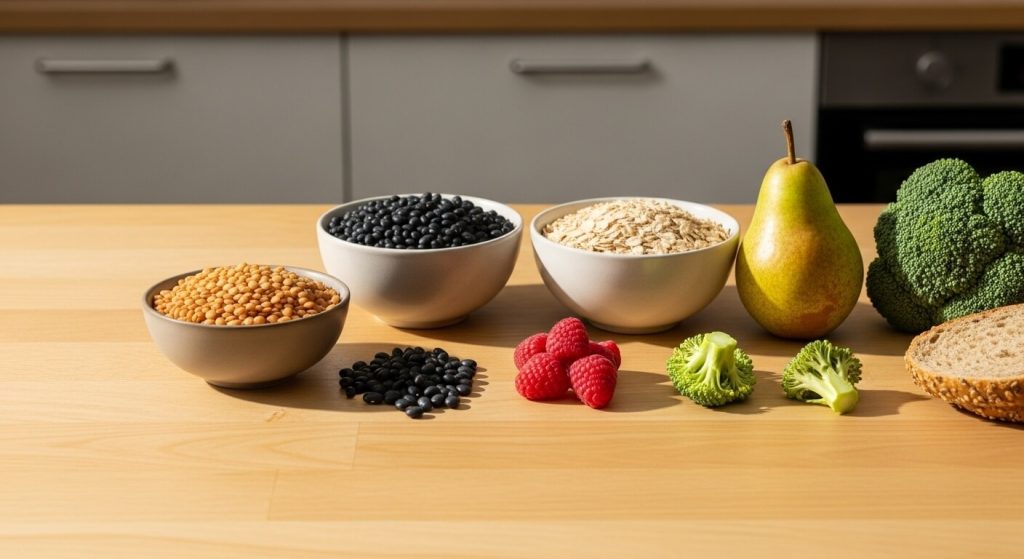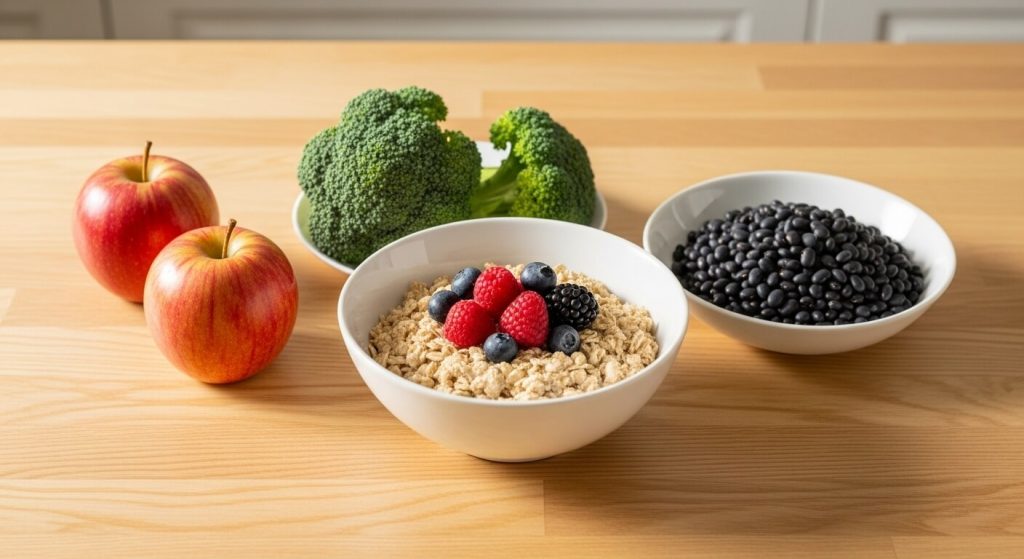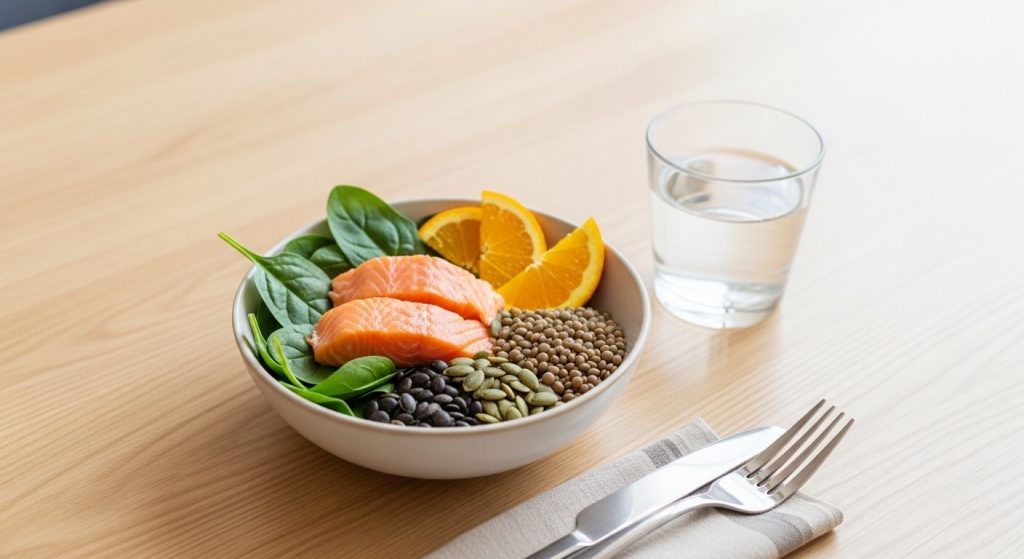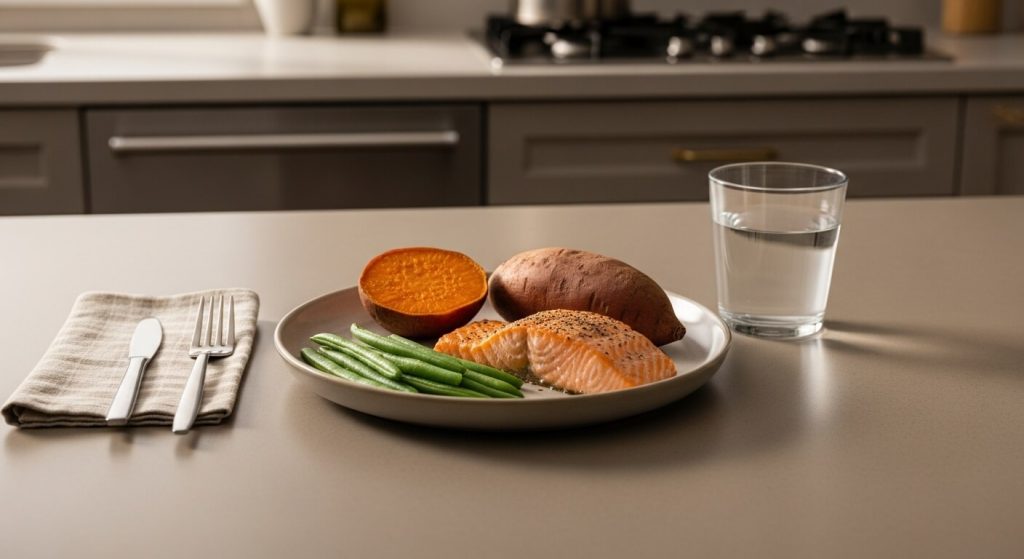
Your body doesn’t absorb every nutrient equally. Nutrient bioavailability—the proportion of a nutrient released during digestion and available for absorption—determines how much nutrition you actually get from food. Understanding this helps you make simple changes to meals that increase nutrient uptake without supplements or restrictive diets.
Why Some Nutrients Disappear Before They’re Used
Not all nutrients in food make it into your bloodstream. During digestion, stomach acid and enzymes break down food, but nutrients must first be released from the food matrix—the network of fiber, protein, and fat that holds them in place. Once released, nutrients pass through your intestinal wall using specific transport pathways. If a nutrient can’t cross that barrier, it leaves your body unused.
How your gut determines what gets absorbed
Your small intestine contains specialized cells with transport channels for different nutrients. Calcium, iron, and zinc each need their own pathway. These channels have limits, and some nutrients compete for the same routes.
If your digestive system is inflamed, produces low stomach acid, or lacks certain enzymes, absorption drops significantly. This explains why someone with gastroenteritis or taking acid-blocking medications may absorb fewer minerals even when eating plenty of them.
Why iron from plants differs from iron in meat
Iron exists in two forms: heme iron (from meat, poultry, and fish) and non-heme iron (from plants, fortified grains, and supplements). Heme iron is more readily absorbed because it bypasses many barriers that non-heme iron faces. Your body typically absorbs 15–35% of heme iron but only 2–20% of non-heme iron.
A cup of cooked spinach contains more total iron than a 3-ounce serving of beef, but your body absorbs less of it. This doesn’t make spinach useless—combining it with the right foods changes the outcome.
Smart Food Pairings That Improve Nutrient Absorption
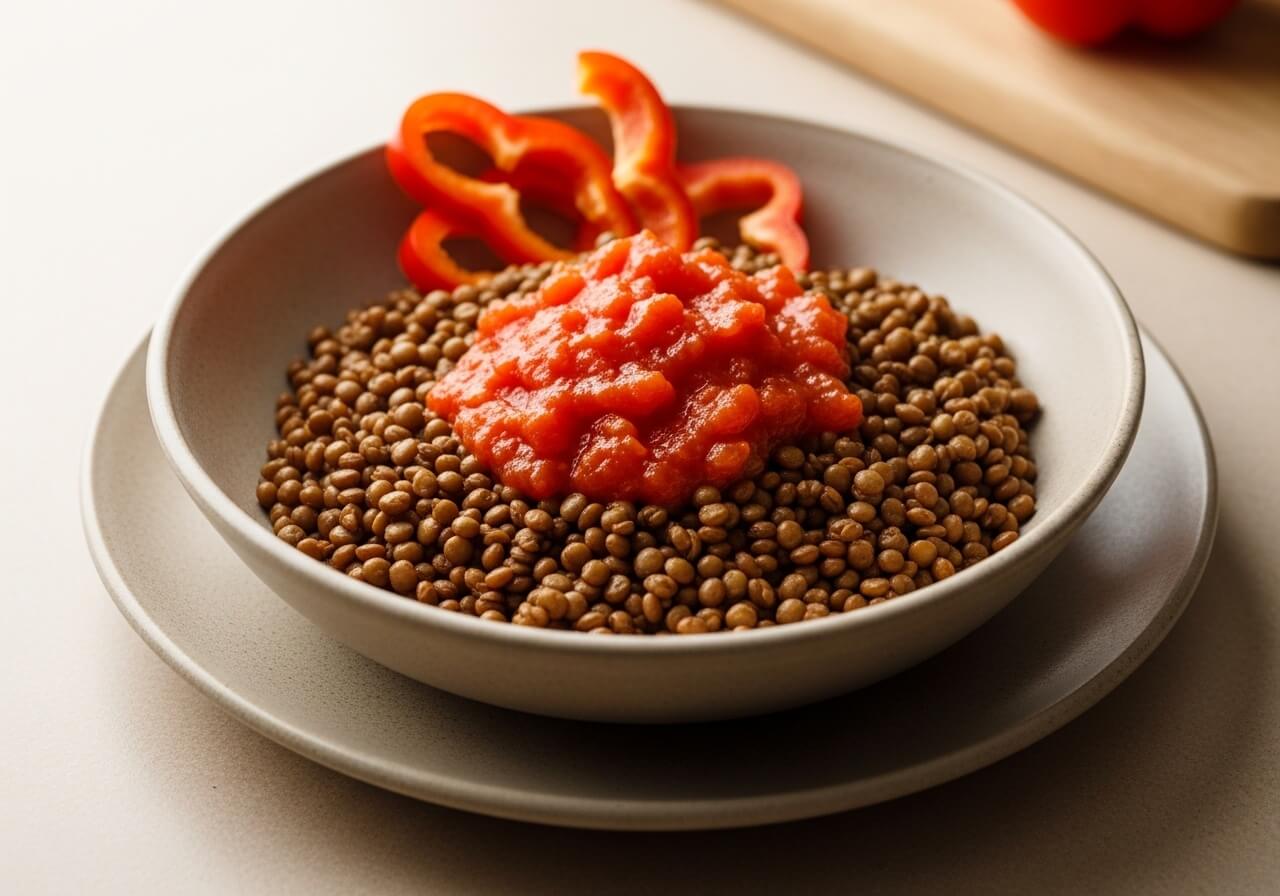
Strategic food combinations can increase how much nutrition your body extracts from meals. These pairings address the specific chemistry of how nutrients cross your intestinal wall.
Vitamin C with plant-based iron sources
Vitamin C is one of the strongest enhancers of non-heme iron absorption. It lowers pH in your small intestine, keeping iron in an absorbable form. The effect can be substantial—vitamin C may increase non-heme iron absorption threefold or more.
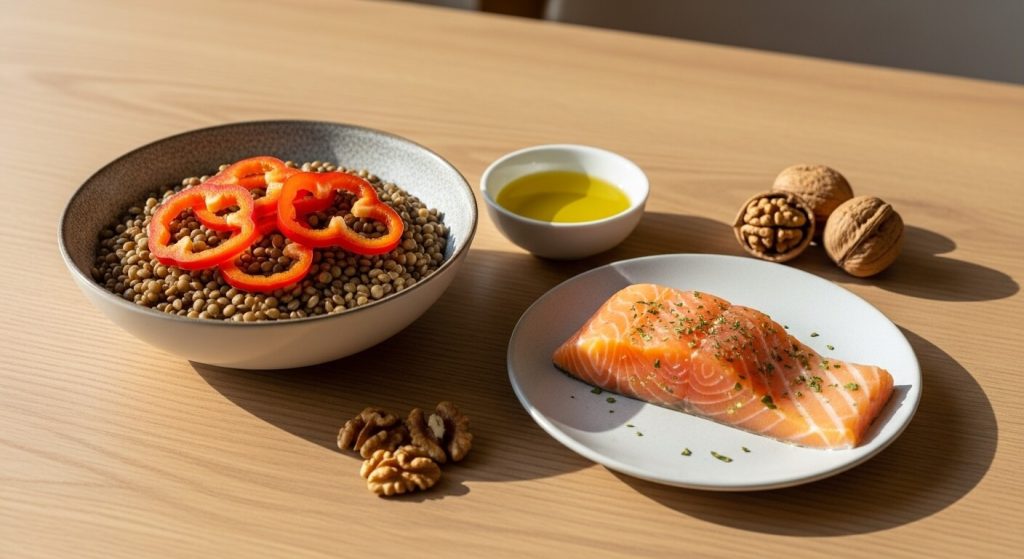
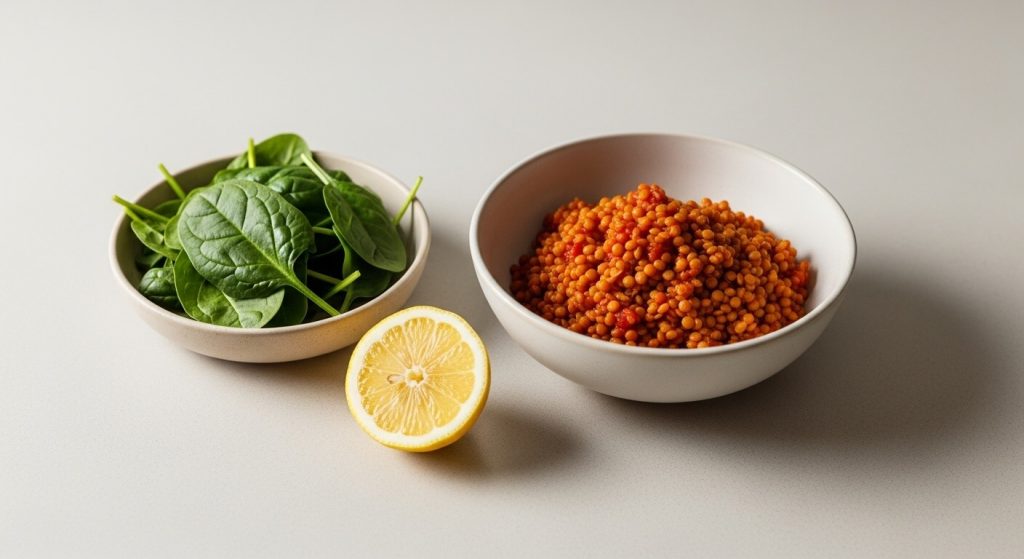
Practical examples: eat beans with tomato sauce, pair lentils with bell peppers, add citrus to a spinach salad, or drink orange juice with iron-fortified cereal. The vitamin C source needs to be eaten in the same meal. A glass of orange juice hours after lunch won’t help.
This pairing is especially useful for vegetarians and vegans whose iron comes entirely from plant sources, and for people with iron deficiency who need to maximize absorption from every bite.
Healthy fats that carry fat-soluble vitamins
Vitamins A, D, E, and K dissolve in fat and require dietary fat for absorption. Carotenoids—plant pigments your body converts to vitamin A—show the same pattern. Adding fat to a carotenoid-rich meal can substantially increase absorption.
Practical examples: dress your salad with oil-based dressing instead of fat-free versions, add nuts or seeds to cooked vegetables, eat vitamin D-rich fish with a sauce or cooking fat, or pair leafy greens with olive oil. Even a tablespoon of oil makes a measurable difference.
When Your Body Blocks Nutrient Absorption
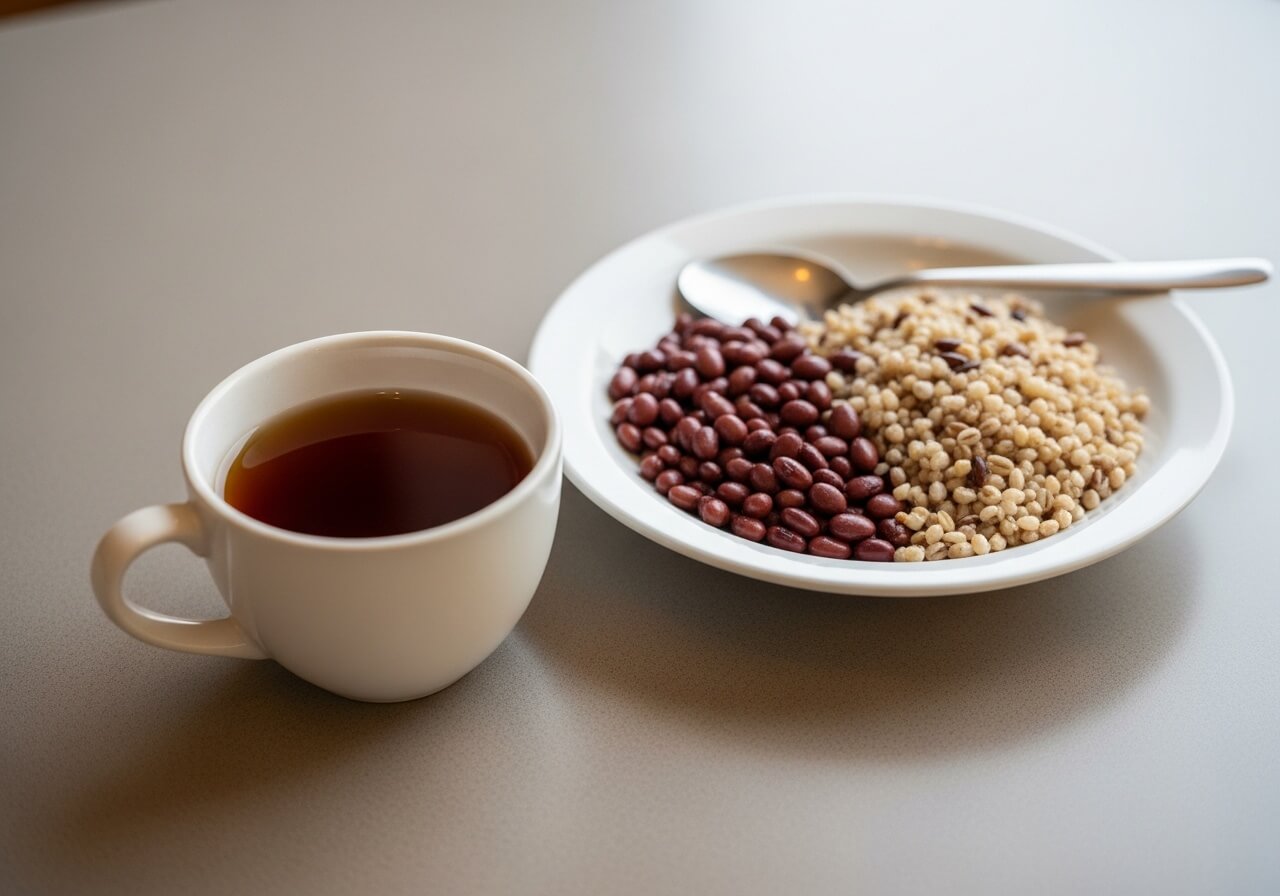
Some substances interfere with nutrient absorption by binding to minerals, blocking absorption channels, or altering your digestive environment. Understanding these interactions helps you time meals and supplements more effectively.
Foods that compete for the same absorption pathways
This doesn’t mean avoid these foods—they’re nutritious. Timing matters instead. Soaking and cooking beans reduces phytates. Drinking tea or coffee an hour after a meal causes less interference than drinking it with the meal. If you take a calcium supplement, separate it from coffee or high-fiber meals by at least an hour.
Calcium and iron can compete when taken together in large amounts. If you take both supplements, space them apart or take them with different meals. This is why prenatal vitamins with iron often recommend taking them separately from calcium supplements.
Medications and supplements that affect digestive efficiency
Some medications reduce stomach acid, which can lower iron, calcium, and B12 absorption. Antibiotics taken with minerals may bind to them and prevent absorption of both. Fiber supplements taken with medications can reduce drug effectiveness and nutrient absorption simultaneously.
If you take regular medications, ask your doctor or pharmacist about potential interactions with minerals or vitamins. Many are manageable by timing doses differently—taking a medication two hours before or after a supplement, for example.
FAQ
Does cooking destroy nutrient bioavailability?
Cooking has mixed effects. Heat breaks down the food matrix, which can improve mineral availability—cooked carrots release more carotenoids than raw ones. However, heat-sensitive vitamins like vitamin C are partly destroyed, and boiling vegetables in water leaches water-soluble vitamins into cooking water.
Practical approach: eat both raw and cooked vegetables rather than choosing one over the other. Save cooking water for soups or broth to recover some water-soluble nutrients.
How much does gut health impact absorption?
Conditions like celiac disease, Crohn’s disease, and IBS reduce the surface area or function of your intestinal wall, lowering absorption across the board. Chronic inflammation, low stomach acid, and reduced enzyme production all decrease nutrient uptake independent of food choices.
Food pairing helps optimize what you can absorb, but it won’t fix absorption problems caused by gut disease. If you suspect malabsorption, work with a healthcare provider. Addressing the underlying issue usually restores absorption more effectively than any food combination.
Can you absorb nutrients from fortified foods effectively?
Yes. Fortified nutrients follow the same absorption principles as naturally occurring ones. A fortified cereal with added iron and vitamin C-rich orange juice will improve absorption just as spinach and citrus do. The same factors apply—the food matrix, what else you eat with it, and your digestive health.
Conclusion
Small, practical changes—pairing beans with tomatoes, adding oil to salads, timing supplements away from interference—can meaningfully increase how much nutrition your body actually uses. Start with one pairing this week and build from there. The goal is realistic improvement, not perfection.
This content is for educational purposes only and is not medical advice. Always consult a qualified healthcare professional for personalised guidance.