
Super healthy foods are simply foods that pack a high amount of vitamins, minerals, healthy fats, and fiber into relatively few calories. They don’t require overhauling your entire diet—just adding a few nutrient-dense options to your weekly meals can make a meaningful difference. This guide focuses on 15 practical choices backed by nutrition science, not marketing hype.
- What Makes These Foods Stand Out From Regular Groceries
- Leafy greens and cruciferous vegetables that fight inflammation
- Fatty fish and nuts that support brain and heart function
- How to Prepare Each Food for Maximum Nutrition Retention
- Quick prep techniques that preserve vitamins in vegetables
- Cooking temperatures that maintain omega-3s in fish and healthy fats in nuts
- When and How to Source These Foods Cost-Effectively
- Best times to buy frozen versus fresh for different categories
- Where to find quality options without overspending
- The 15 Super Healthy Foods for Your Weekly Rotation
- Frequently Asked Questions
- How many servings of these foods should I eat each week?
- Can I get the same benefits from supplements instead?
- What if I don’t like certain foods on this list?
- Conclusion
What Makes These Foods Stand Out From Regular Groceries
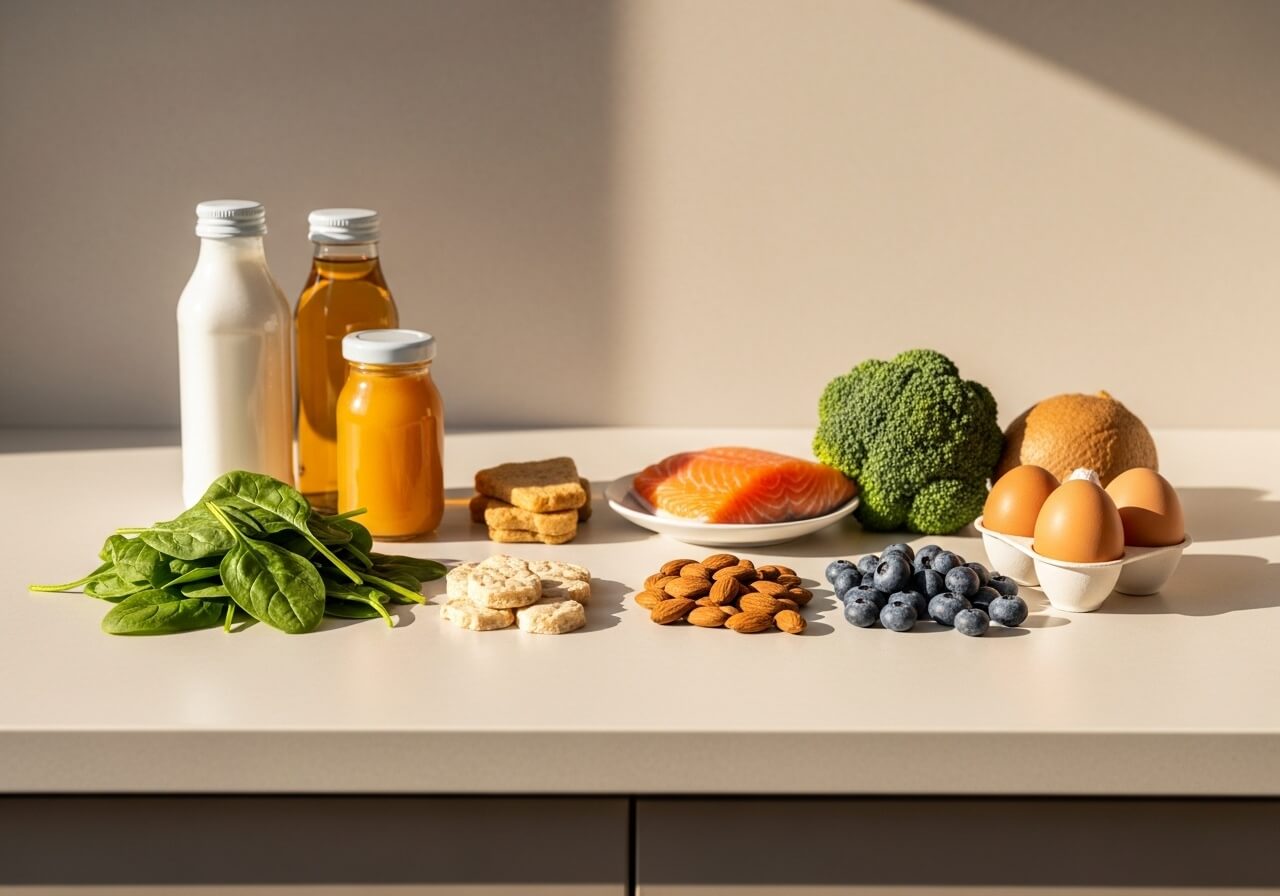
Nutrient density is what separates these foods from typical grocery items. A nutrient-dense food delivers more essential nutrients per calorie, so you meet your nutritional needs with smaller portions.
Leafy greens and cruciferous vegetables that fight inflammation
Spinach, kale, broccoli, and Brussels sprouts supply vitamins A, C, and K, plus fiber and phytonutrients. A cup of cooked spinach provides about 7 grams of fiber and over 500 micrograms of vitamin K for roughly 40 calories. Broccoli and other cruciferous vegetables contain compounds that may support the body’s natural anti-inflammatory processes, though eating them as part of an overall balanced diet matters more than relying on any single food.
Fatty fish and nuts that support brain and heart function
Salmon, mackerel, and sardines provide omega-3 fats alongside protein and vitamin D. These omega-3 fats support heart health and may contribute to brain and joint function. Canned versions with bones offer added calcium.
Almonds, walnuts, flaxseeds, and chia seeds contribute unsaturated fats, vitamin E, minerals like magnesium and zinc, and fiber. A small handful delivers a balanced nutrient mix that supports energy and cardiovascular function.
Other standout options include legumes, berries, whole grains, eggs, and plain Greek yogurt. Each brings a distinct nutrient profile that works well when rotated through your week.
How to Prepare Each Food for Maximum Nutrition Retention
Cooking method and timing affect which nutrients remain available for your body to use.
Quick prep techniques that preserve vitamins in vegetables
Brief cooking or minimal heat preserves heat-sensitive vitamins like vitamin C. Steaming broccoli for 3–4 minutes retains more vitamin C than boiling for 10 minutes. Sautéing with a bit of oil is also effective because vitamins A, K, D, and E are better absorbed when consumed with fat. If you prefer raw spinach or kale, eat it within a day or two of purchase—vitamin content gradually declines in storage.
Legumes and whole grains become more digestible with cooking. Cook beans and lentils until tender—typically 45 minutes to 2 hours depending on the type and whether they’re soaked beforehand. Longer cooking doesn’t harm their nutrient profile.
Eggs preserve their protein and micronutrients regardless of preparation method. The yolk contains choline, lutein, and other compounds that support brain and eye health whether you boil, scramble, or fry them.
Cooking temperatures that maintain omega-3s in fish and healthy fats in nuts
Baking or grilling fish at moderate temperatures (around 350–400°F) maintains omega-3 content better than high-heat frying. Cook fish until it flakes easily—typically 12–15 minutes depending on thickness. Avoid overcooking, which can degrade beneficial fats. Canned fish is already cooked, so you simply drain and use it.
Nuts don’t need cooking. If you roast them at home, keep temperatures below 350°F to preserve their healthy fats. Pre-roasted varieties are convenient, though checking sodium content helps if that matters to your diet.
When and How to Source These Foods Cost-Effectively

Nutrient density doesn’t require premium prices if you shop strategically.
Best times to buy frozen versus fresh for different categories
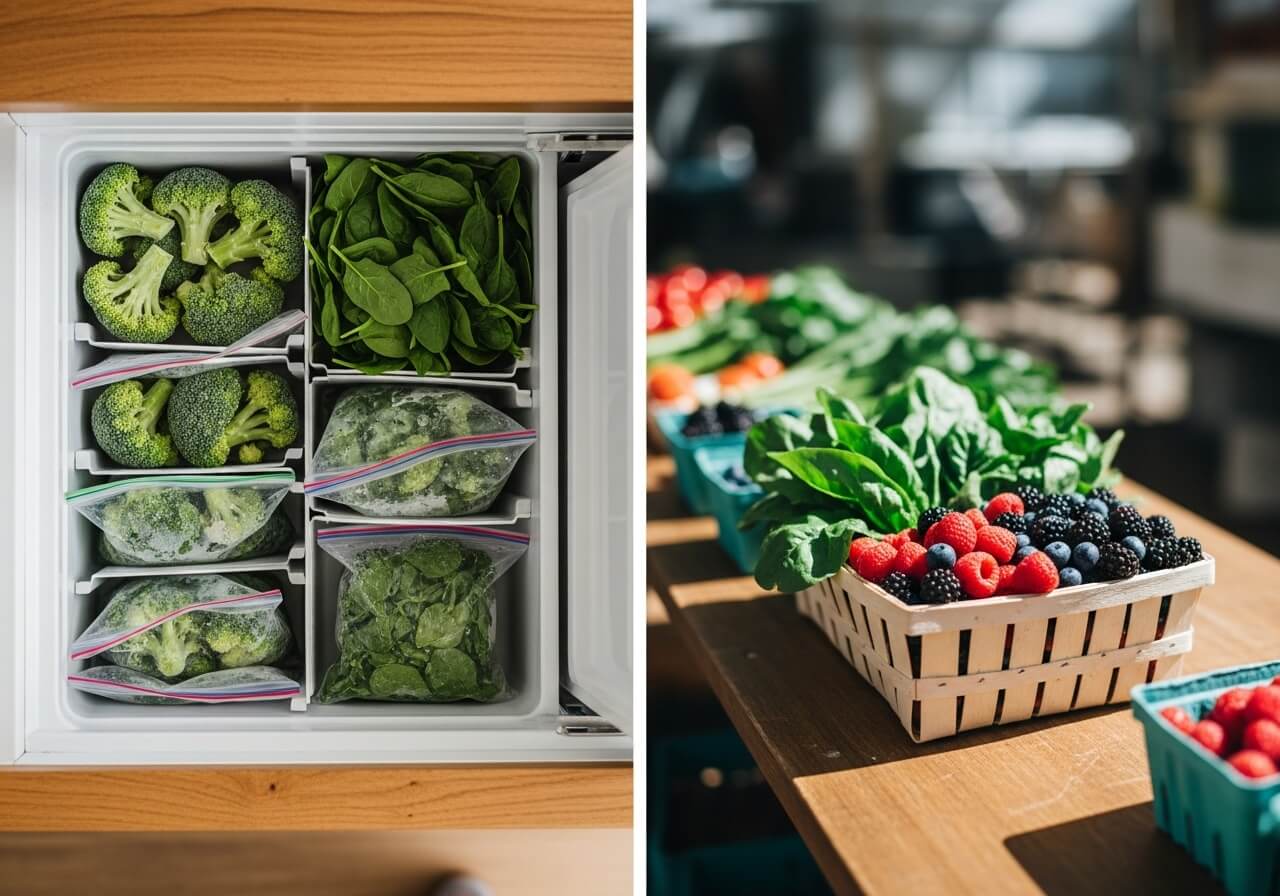
Frozen vegetables are typically frozen within hours of harvest, locking in nutrients. Fresh produce loses vitamins during transport and storage. Buy frozen when produce is out of season or when fresh prices spike. Frozen broccoli, spinach, and mixed vegetables are also pre-cut, saving prep time.
Fresh produce shines when in season and local. A farmers market visit in summer delivers affordable berries and greens at peak nutrition and flavor. Off-season “fresh” produce shipped long distances often costs more and has been sitting longer.
Where to find quality options without overspending
Canned salmon and sardines cost a fraction of fresh fillets while preserving omega-3 fats. If the can includes bones, you get added calcium. Check labels for sodium content and choose lower-sodium varieties if needed.
Buy nuts in bulk or as store-brand options—bulk sections or off-brand containers cost less than pre-packaged varieties. Store nuts in an airtight container in a cool, dark place to prevent rancidity. They keep for several months this way.
Eggs and dried beans remain inexpensive year-round. Eggs keep for 3–4 weeks in the refrigerator, and dried beans last indefinitely in a pantry.
Plan around sales. If spinach is marked down, plan several meals with it. If almonds aren’t on sale, wait and buy them when they are. This approach lets you eat nutrient-dense foods without stretching your budget.
The 15 Super Healthy Foods for Your Weekly Rotation
Here’s a practical list organized by category so you can mix and match based on availability and preference:
Leafy Greens: Spinach, kale, arugula
Cruciferous Vegetables: Broccoli, Brussels sprouts, cauliflower
Fatty Fish: Salmon, sardines, mackerel
Nuts and Seeds: Almonds, walnuts, flaxseeds
Legumes: Lentils, chickpeas
Berries: Blueberries, raspberries
Whole Grains: Oats, quinoa
Other Essentials: Eggs, plain Greek yogurt
Frequently Asked Questions
How many servings of these foods should I eat each week?
A realistic weekly baseline includes at least 2–3 servings of fatty fish, several servings of leafy or cruciferous vegetables spread across different days, a small handful of nuts most days, and 3–5 servings of legumes. This isn’t a rigid prescription—individual needs vary based on age, activity level, and health status. If you’re managing a specific condition, work with a registered dietitian to adjust portions.
Can I get the same benefits from supplements instead?
Whole foods contain fiber, phytonutrients, and combinations of nutrients that work together in ways supplements can’t fully replicate. A vitamin pill won’t provide the fiber in beans or the omega-3 fats in fish. Supplements can fill specific gaps if you have a documented deficiency, but they don’t replace eating varied whole foods.
What if I don’t like certain foods on this list?
The 15 foods listed are examples, not requirements. If you dislike salmon, mackerel or sardines offer similar omega-3 benefits. If kale seems tough to chew, spinach or arugula provide similar nutrients with different texture. Find versions you’ll actually eat, because consistency matters more than perfection.
Conclusion
You don’t need to eat all 15 foods every week or switch your entire diet overnight. Start by adding one or two from each category that you already enjoy or are willing to try. Small, consistent choices build the foundation for better energy and long-term wellness.