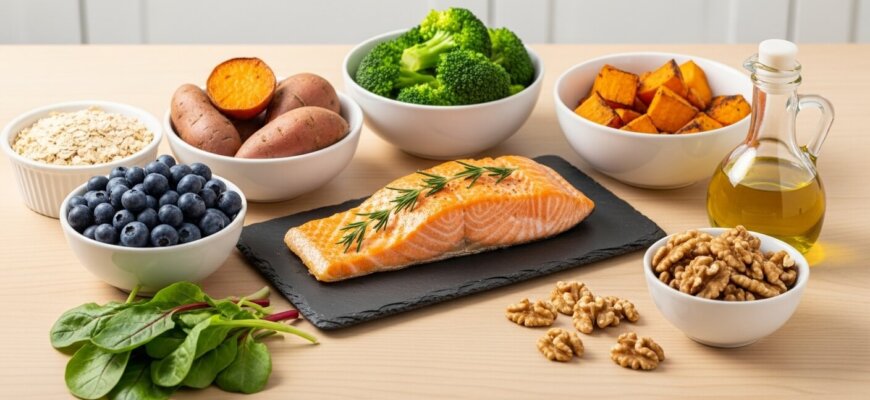
Anti-inflammatory meal planning focuses on whole, minimally processed foods that calm your body’s immune response. This 7-day plan shows how to build practical meals around ingredients rich in fiber, antioxidants, and healthy fats—without rigid restrictions or complicated techniques.
- The Core Principles of an Anti-Inflammatory Diet
- Focusing on Inflammation-Fighting Foods
- Identifying Inflammatory Foods to Avoid
- Your 7-Day Anti-Inflammatory Meal Plan
- Day 1: Establishing Your Foundation
- Day 2: Building Variety with Different Proteins
- Day 3: Plant-Forward Meals
- Day 4: Mediterranean Approach
- Day 5: Legume-Centered Meals
- Day 6: Poultry with Leafy Green Emphasis
- Day 7: Flexible Favorites
- Essential Anti-Inflammatory Meal Prep Strategies
- Batch Cooking Components for the Week
- Smart Snacking Ideas for Sustained Energy
- Building Your Anti-Inflammatory Shopping List
- Pantry Staples and Fresh Produce Essentials
- Tips for Sourcing Quality Ingredients
- Integrating Anti-Inflammatory Eating Long-Term
- Making the Plan Adaptable to Personal Preferences
- Simple Swaps for Continued Benefits
- FAQ
- What are common inflammatory foods I should limit?
- Can I adapt this meal plan for vegetarians or vegans?
- How quickly will I notice benefits from an anti-inflammatory diet?
- Conclusion
The Core Principles of an Anti-Inflammatory Diet
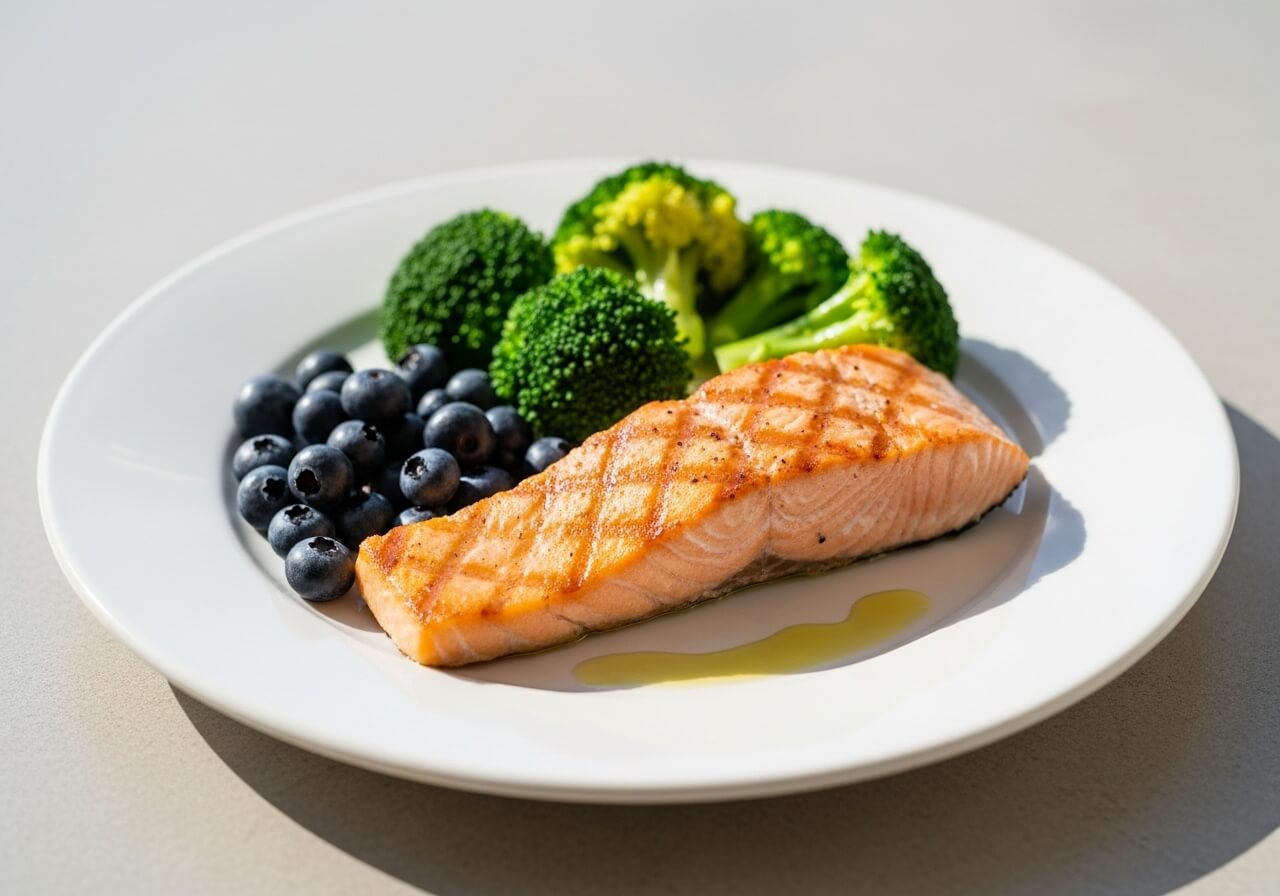
An anti-inflammatory diet emphasizes foods that directly reduce inflammatory markers linked to chronic health conditions. Fatty fish like salmon and mackerel contain omega-3 fatty acids, while berries provide anthocyanins—both compounds that research suggests help calm inflammation. Leafy greens, nuts, seeds, olive oil, and fermented dairy form the foundation of this eating pattern.
Focusing on Inflammation-Fighting Foods
Your plate should feature foods that actively support your body’s natural anti-inflammatory processes. You don’t need exotic superfoods—regular blueberries, canned wild salmon, frozen spinach, and walnuts work effectively. What matters is consistency.
Key ingredients include fatty fish for omega-3s, dark-colored berries for antioxidants, cruciferous vegetables like broccoli for phytonutrients, and nuts for healthy fats. Spices like turmeric and ginger contain compounds with antioxidant and anti-inflammatory properties.
Identifying Inflammatory Foods to Avoid
Limit added sugars, highly processed foods, refined grains like white bread, and refined seed oils such as soybean and corn oil. These items lack the protective nutrients found in whole foods.
A common misunderstanding: this doesn’t mean eliminating all fats or animal proteins. Unsaturated fats and lean sources like fish are actually anti-inflammatory. The focus is minimizing refined versions and added sugars, not eliminating all grains entirely. Whole grains like oats and quinoa remain excellent choices.
When choosing cooking oils, selecting extra virgin olive oil instead of generic seed oils is a high-impact swap that affects every meal where you cook or dress food.
Your 7-Day Anti-Inflammatory Meal Plan
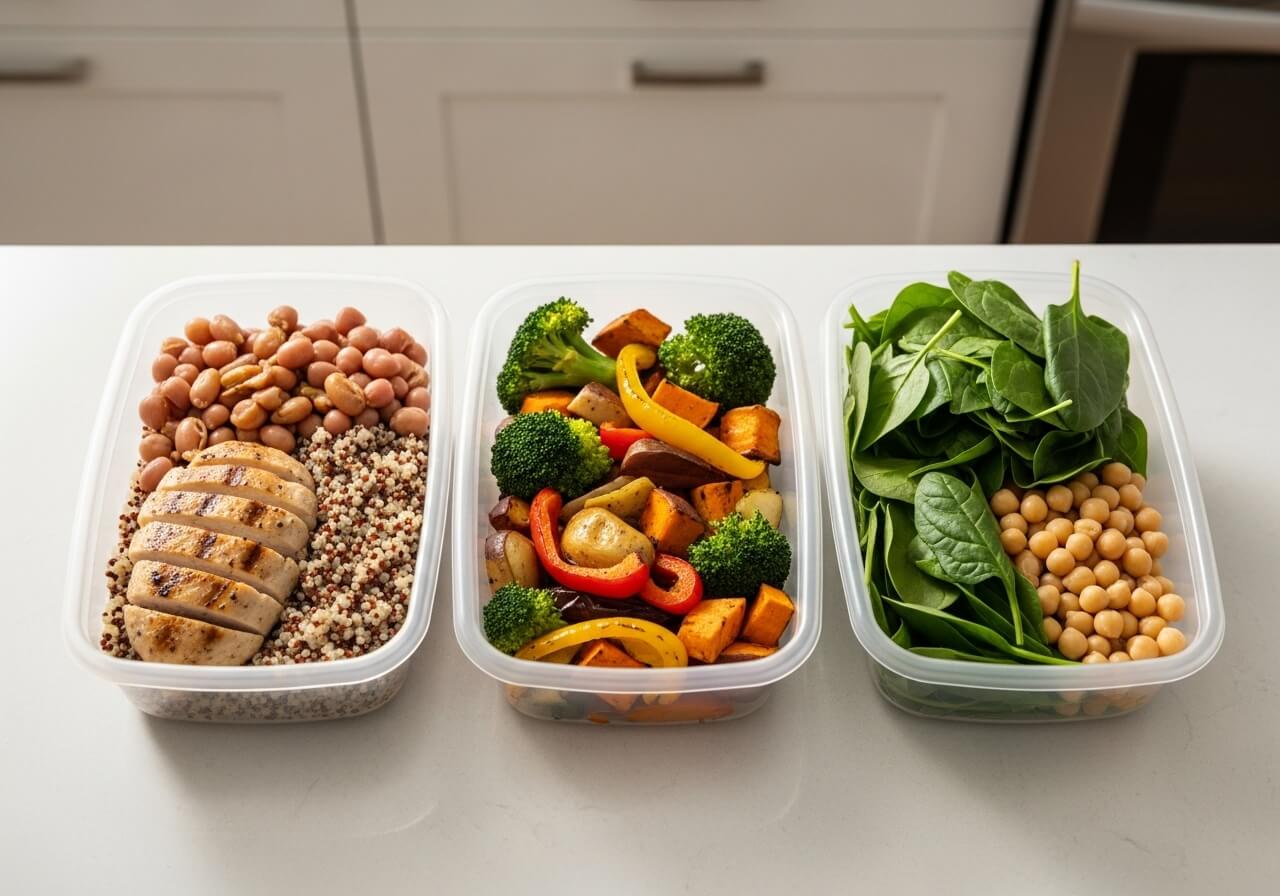
This plan provides specific meals built around anti-inflammatory foundations. Each day includes breakfast, lunch, and dinner with strategic food combinations.
Day 1: Establishing Your Foundation
Breakfast: Oatmeal topped with fresh blueberries, ground flaxseed, and almonds, drizzled with a teaspoon of raw honey. Steel-cut or rolled oats provide soluble fiber, while blueberries add anthocyanins and flaxseed contributes omega-3s.
Lunch: Grilled salmon fillet with roasted sweet potato wedges and steamed broccoli dressed with extra virgin olive oil and lemon juice. Salmon delivers EPA and DHA omega-3s, sweet potatoes provide carotenoids and fiber, and broccoli contains sulforaphane.
Dinner: Lentil and vegetable soup made with carrots, celery, tomatoes, garlic, and turmeric. Lentils provide plant-based protein and soluble fiber, while garlic and turmeric offer antioxidant compounds. This meal is easily batch-cooked for multiple servings.
Day 2: Building Variety with Different Proteins
Breakfast: Greek yogurt with sliced strawberries, walnuts, and a sprinkle of ground cinnamon. Fermented dairy provides probiotics and protein, while walnuts contain alpha-linolenic acid, a plant-based omega-3.
Lunch: Grilled chicken breast with quinoa pilaf (including diced red bell pepper, cucumber, and parsley) dressed with lemon vinaigrette. Lean poultry provides protein without excess saturated fat, and quinoa is a complete protein.
Dinner: Baked white fish (cod or halibut) with roasted Brussels sprouts and wild rice. Brussels sprouts contain glucosinolates, compounds associated with reduced inflammation.
Day 3: Plant-Forward Meals
Breakfast: Smoothie bowl made with unsweetened almond milk, frozen berries, spinach, chia seeds, topped with granola made from oats and nuts. This combines antioxidants from berries and greens with omega-3s from chia.
Lunch: Buddha bowl with roasted chickpeas, massaged kale, shredded purple cabbage, diced beets, and tahini dressing. Purple cabbage contains anthocyanins, beets provide betalains, and tahini offers sesame-derived healthy fats.
Dinner: Vegetable stir-fry with tofu, broccoli, bell peppers, snap peas, and ginger-garlic sauce served over brown rice. Ginger contains gingerols, and brown rice offers more fiber than white rice.
Day 4: Mediterranean Approach
Breakfast: Two-egg vegetable omelet with spinach, mushrooms, and tomatoes, plus one slice of whole-grain toast with avocado. Avocado delivers monounsaturated fats and potassium.
Lunch: Mediterranean-style tuna salad on mixed greens with cherry tomatoes, olives, red onion, and feta cheese, dressed with olive oil and vinegar. Olives add polyphenols, and vinegar slows glucose absorption.
Dinner: Baked salmon with herb-roasted root vegetables (carrots, parsnips, and beets) and a side salad with mixed greens. Root vegetables provide different micronutrients than cruciferous vegetables, building nutritional diversity.
Day 5: Legume-Centered Meals
Breakfast: Chia seed pudding made with unsweetened almond milk, topped with fresh raspberries and coconut flakes. Chia seeds provide omega-3s and soluble fiber.
Lunch: Black bean and vegetable wrap in a whole-grain tortilla with lettuce, tomato, and cilantro-lime dressing. Black beans provide resistant starch and fiber that feed beneficial gut bacteria.
Dinner: Lentil bolognese over whole-grain pasta with zucchini noodles mixed in, topped with fresh basil and grated Parmesan. Lentils substitute for ground meat while providing more fiber, and zucchini noodles reduce the overall glycemic load.
Day 6: Poultry with Leafy Green Emphasis
Breakfast: Buckwheat pancakes topped with fresh blueberries and a drizzle of pure maple syrup. Buckwheat is gluten-free and contains rutin, a flavonoid with anti-inflammatory properties.
Lunch: Large spinach salad with grilled chicken, sliced almonds, shredded carrots, and pomegranate seeds dressed with walnut oil and balsamic vinegar. Pomegranate seeds contain ellagic acid, a polyphenol associated with anti-inflammatory effects.
Dinner: Turkey meatballs with marinara sauce and spaghetti squash. Marinara made from tomatoes provides lycopene, particularly when cooked with olive oil which increases absorption.
Day 7: Flexible Favorites
Breakfast: Vegetable-packed scrambled eggs with fresh herbs and whole-grain toast topped with mashed avocado. This familiar breakfast demonstrates that anti-inflammatory eating doesn’t require unusual ingredients.
Lunch: Hearty vegetable soup with white beans, tomatoes, celery, and spinach finished with a drizzle of olive oil. This soup structure allows flexibility—add whichever vegetables you have on hand.
Dinner: Baked white fish with roasted asparagus and farro pilaf with fresh herbs. Asparagus contains glutathione, a powerful antioxidant, and farro is a whole grain that provides sustained energy.
Essential Anti-Inflammatory Meal Prep Strategies
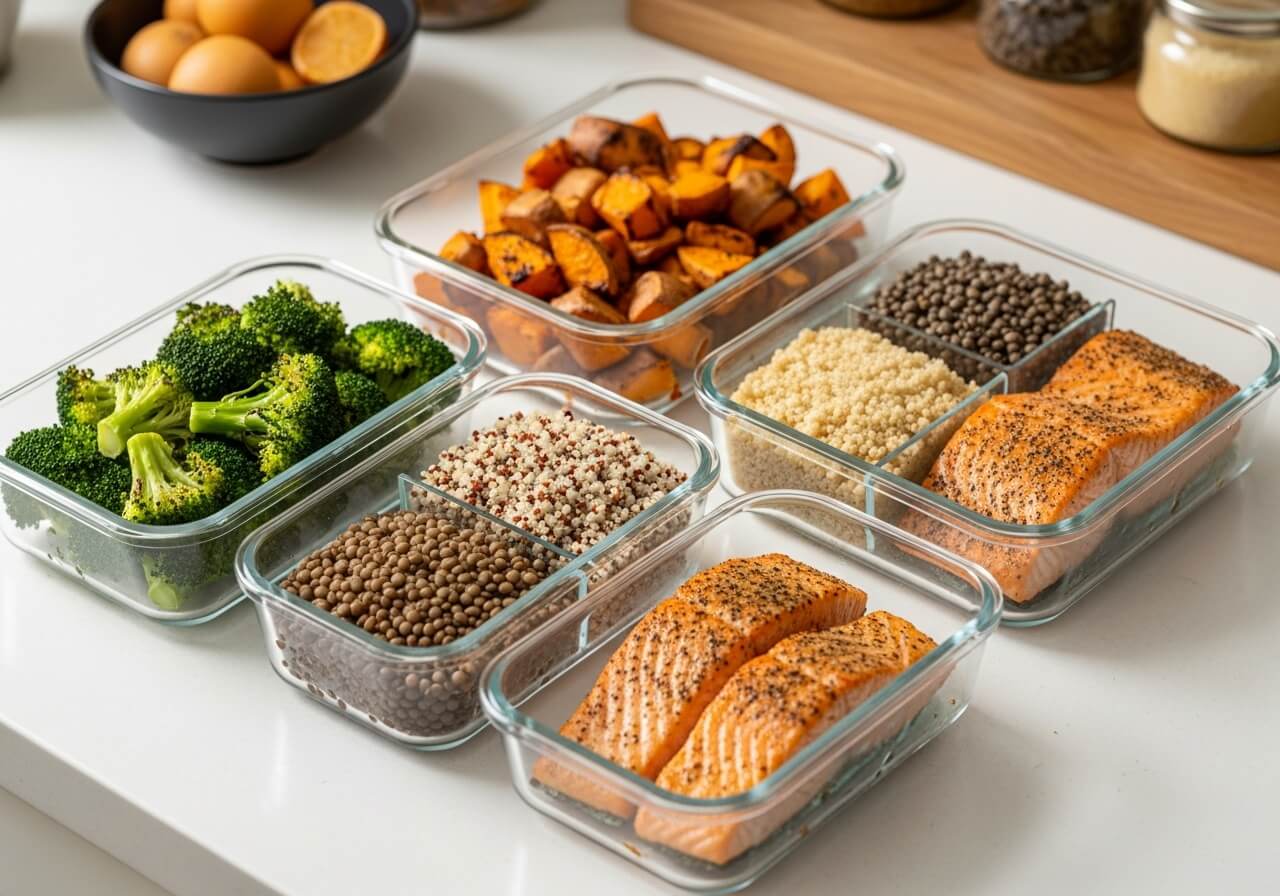
Strategic preparation creates actual convenience rather than theoretical meal plans. Instead of cooking complete meals in advance, prepare individual components that combine into different meals throughout the week.
Batch Cooking Components for the Week
Cook a large batch of protein on Sunday: bake salmon fillets, grill chicken breasts, and prepare lentils or beans. Store each separately. Prepare roasted vegetables like sweet potatoes, Brussels sprouts, and broccoli. Cook grains and legumes—quinoa, brown rice, and lentils—simultaneously.
This approach prevents meal fatigue while allowing flexibility. Monday’s Buddha bowl uses quinoa while Wednesday’s stir-fry uses brown rice, but you prepped both on Sunday. Two hours of prep produces enough components for five lunches and multiple dinners.
Smart Snacking Ideas for Sustained Energy
Pair carbohydrates with protein or fat to slow glucose absorption: an apple with almond butter, berries with Greek yogurt, or whole-grain crackers with hummus. This pairing helps prevent blood sugar spikes.
Prepare snack portions on prep day: portion raw almonds into containers, cut raw vegetables and store them ready-to-eat, divide berries into containers. Keep emergency options visible: dried berries, raw nuts, and nut butter at your desk or in your bag.
Building Your Anti-Inflammatory Shopping List
Organized shopping ensures your kitchen supports anti-inflammatory choices automatically.
Pantry Staples and Fresh Produce Essentials
Proteins: Canned wild salmon, canned tuna, dried lentils, dried beans (black, white, chickpea), eggs, and Greek yogurt.
Healthy oils and fats: Extra virgin olive oil, walnuts, almonds, chia seeds, and flaxseeds. Avoid generic seed oils like soybean and corn oil.
Whole grains: Brown rice, quinoa, rolled oats, whole-grain bread, whole-grain pasta, and farro.
Spices and seasonings: Turmeric, ginger, garlic, cinnamon, and dried herbs.
Canned and jarred essentials: Low-sodium vegetable broth, canned tomatoes, olives, and roasted red peppers.
Fresh produce: Buy berries (fresh or frozen), leafy greens, broccoli, Brussels sprouts, sweet potatoes, carrots, bell peppers, and garlic weekly. Frozen vegetables are equally nutritious and prevent waste from spoilage.
Tips for Sourcing Quality Ingredients
For olive oil, select extra virgin olive oil and store in a cool, dark place since light and heat damage protective compounds.
For fish, wild-caught salmon is preferable to farmed when available and affordable, though both provide omega-3s. Canned wild salmon is economical and equally nutritious.
For produce, buy what’s in season and on sale rather than seeking year-round perfect specimens. A sale on frozen berries is better than paying premium prices for imported fresh berries.
For grains and legumes, buy in bulk bins when possible to reduce cost. Store in airtight containers. Purchasing larger quantities makes them your cheapest protein source while being among your most anti-inflammatory options.
Integrating Anti-Inflammatory Eating Long-Term
Sustainable dietary change requires flexibility rather than rigid adherence to a single plan.
Making the Plan Adaptable to Personal Preferences
If you dislike salmon, eat sardines, mackerel, or canned tuna instead. All provide similar benefits. The principle—eating fatty fish regularly—matters more than the specific species.
If you don’t enjoy certain vegetables, substitute others from the same category. Don’t like Brussels sprouts? Eat broccoli, cauliflower, or kale instead. The goal is consistent consumption of cruciferous vegetables, not forcing yourself to eat one specific option.
If you follow a vegetarian or vegan diet, build your protein from legumes, nuts, seeds, and fermented soy products like tofu and tempeh. The anti-inflammatory principles remain identical; the protein sources shift.
Individual responses vary. Some people with gut sensitivities like IBS may need to limit specific high-fiber foods initially, introducing them gradually as their system adapts.
Simple Swaps for Continued Benefits
White bread → whole-grain bread
Refined pasta → whole-grain pasta, or mix conventional pasta with lentil-based pasta
Vegetable oil → extra virgin olive oil
Sugary breakfast cereals → oatmeal, Greek yogurt, or eggs with vegetables
Processed snacks → nuts, seeds, fruit, or fermented dairy
Soda and sweetened beverages → water, unsweetened tea, or herbal tea
Each swap reduces inflammatory foods without requiring perfection. You’re not eliminating categories; you’re shifting the frequency and quality of what you consume.
FAQ
What are common inflammatory foods I should limit?
Added sugars in beverages, desserts, and processed snacks may trigger inflammatory responses. Highly processed foods with long ingredient lists typically contain refined seed oils and added sugars. Refined grains like white bread lack the fiber and protective compounds found in whole versions. Refined seed oils including soybean and corn oil (common in processed foods) are less favorable than whole-food fats like olive oil or nuts. Check ingredient lists for added sugars, avoid products listing generic “vegetable oil,” and choose whole-grain versions of bread and pasta.
Can I adapt this meal plan for vegetarians or vegans?
Yes. Replace fish with legumes, tofu, tempeh, nuts, and seeds as primary protein sources. A vegetarian version uses Greek yogurt and eggs. A vegan version builds protein from legumes, nuts, seeds, and plant-based alternatives. Plant sources of omega-3s include walnuts, chia seeds, flaxseeds, and hemp seeds, though these provide ALA rather than the EPA and DHA found in fish. If you’re vegan and want EPA/DHA, algae supplements provide these directly.
How quickly will I notice benefits from an anti-inflammatory diet?
Benefits accumulate over time rather than appearing overnight. Some people report improved energy within a few days due to stabilized blood sugar. Others notice better digestion within one to two weeks as their gut adjusts to increased fiber. Changes in inflammation markers typically require consistent adherence for several weeks. The first week demonstrates feasibility; subsequent weeks show the actual benefits. Consistency matters more than perfection.
Conclusion
Anti-inflammatory meal planning uses familiar foods prepared simply—no exotic ingredients required. Start with the meals that appeal to you most rather than demanding perfection across all seven days immediately. Build your anti-inflammatory kitchen one strategic grocery trip and one meal at a time, focusing on consistency over perfection.