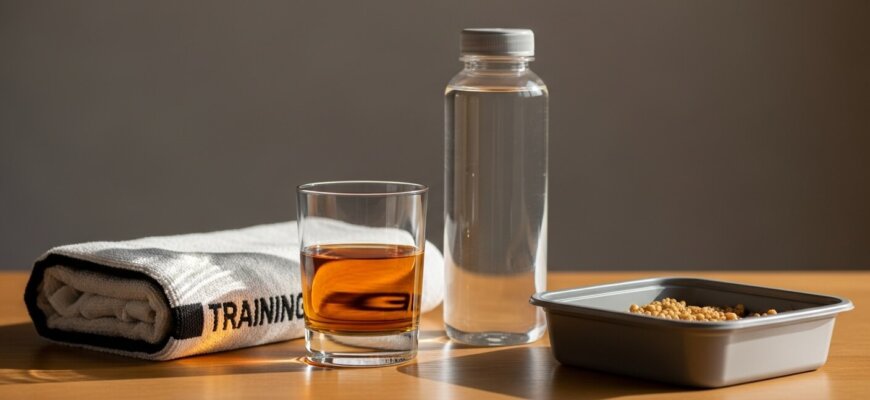
Alcohol directly impairs the processes your body uses to recover and adapt to training: hydration balance, muscle repair, and glycogen storage. For athletes focused on performance or body composition, drinking creates measurable setbacks that accumulate over time. Understanding these specific mechanisms helps you decide when—and whether—alcohol fits into your training program.
- How Alcohol Disrupts Athletic Performance
- The Protein Synthesis Problem
- Body Composition and Chronic Inflammation
- Practical Guidelines by Training Goal
- Common Misconceptions That Cost Results
- When to Be More Cautious
- Frequently Asked Questions
- Does light drinking (one drink) really impact muscle growth?
- Is beer worse than wine or spirits for athletic performance?
- How long does alcohol affect recovery?
- Can I drink alcohol during fat loss?
- What counts as “moderate” versus “excessive” for athletes?
- The Bottom Line
How Alcohol Disrupts Athletic Performance
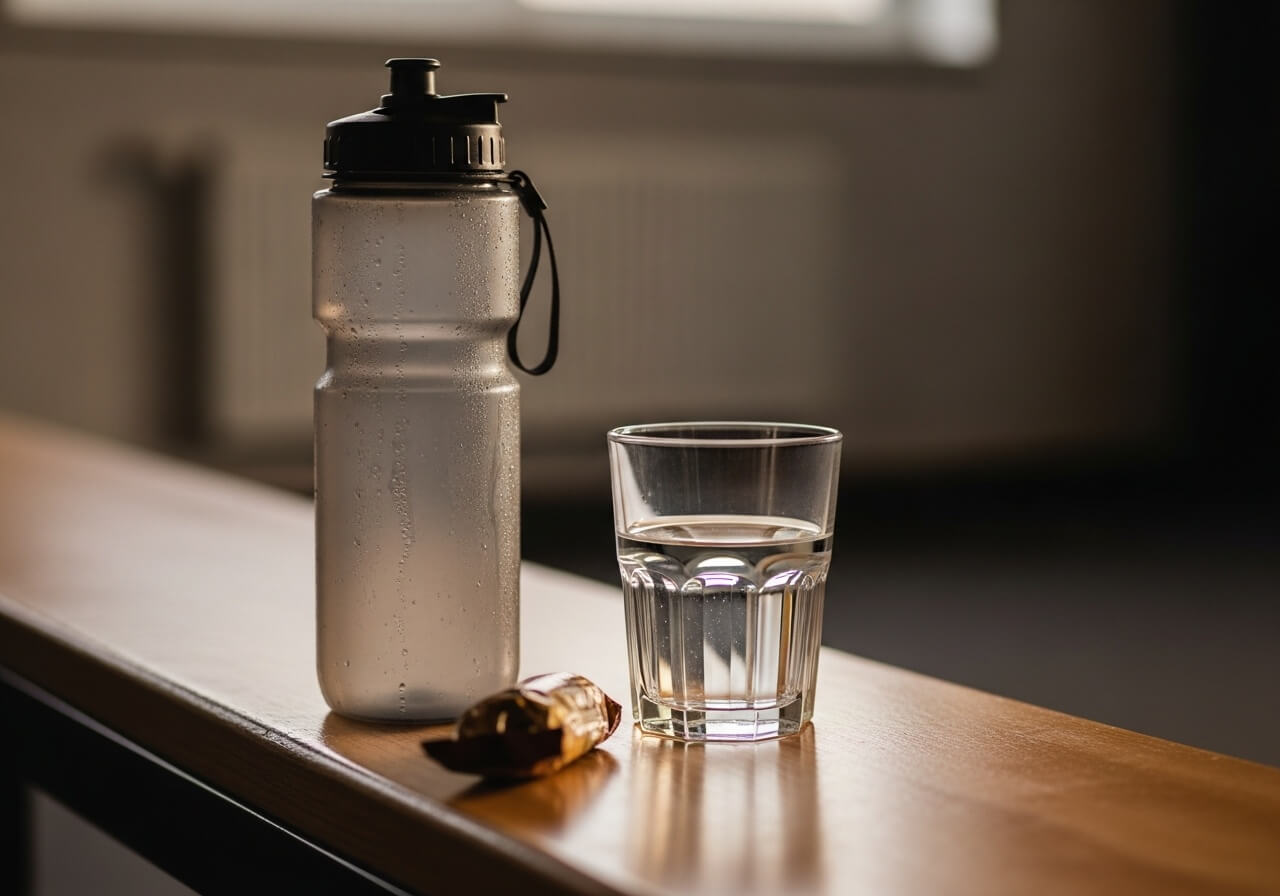
Alcohol affects performance through three primary pathways. It impairs motor coordination and power output, making movement quality suffer during training. It dehydrates you by inhibiting vasopressin, the hormone responsible for water retention, forcing your kidneys to excrete more fluid than normal. And it reduces aerobic capacity, meaning your cardiovascular system operates less efficiently when alcohol is present.
Beyond these immediate effects, alcohol significantly delays muscle recovery and glycogen replenishment. When you drink after training, your body prioritizes metabolizing the alcohol over restocking muscle energy stores, pushing back the timeline for your next quality session.
The Protein Synthesis Problem
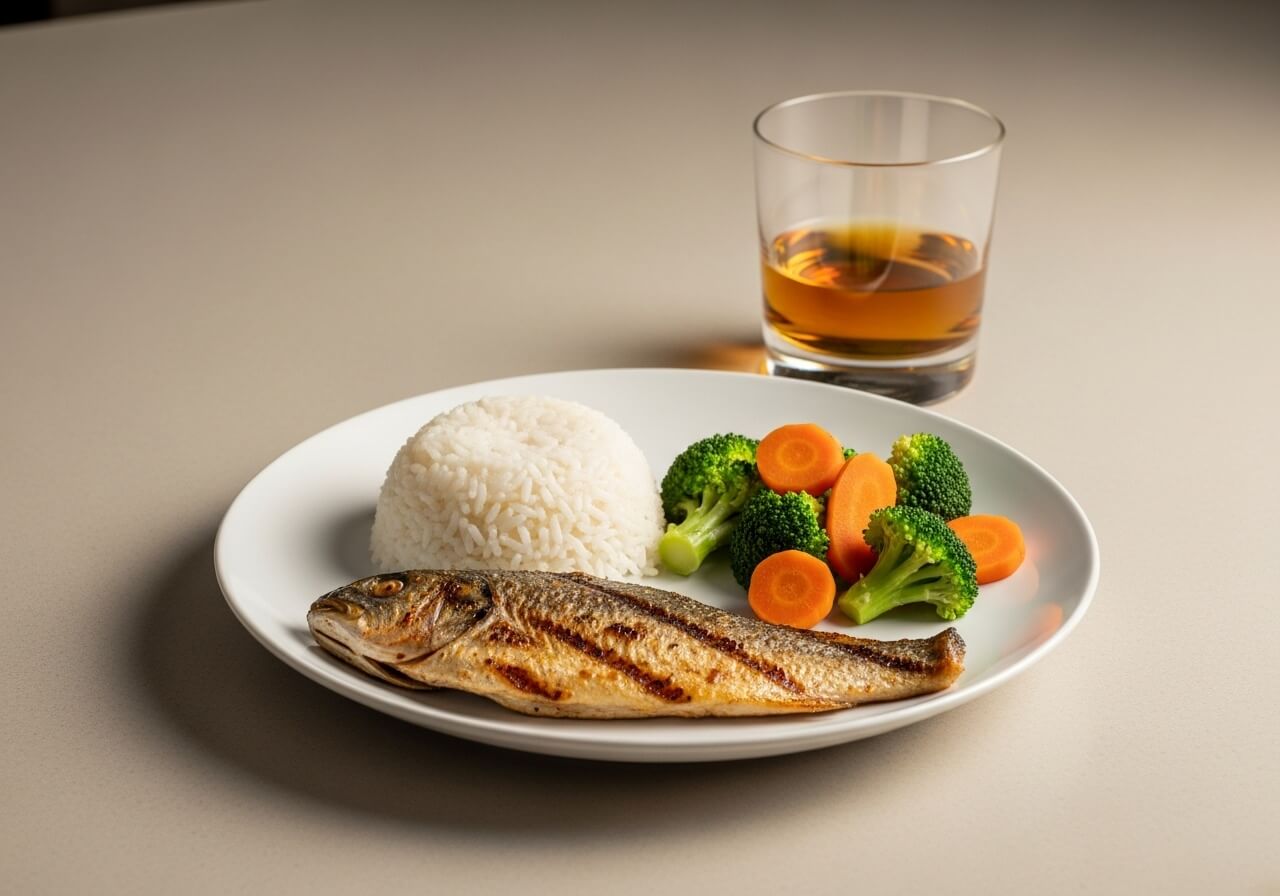
Acute alcohol ingestion decreases muscle protein synthesis in a dose- and time-dependent manner. The more you drink and the closer to training you consume it, the more your muscles struggle to repair. This matters because protein synthesis is the biological process that builds muscle tissue after you train.
Timing creates the biggest problem. Drinking immediately post-exercise interferes with the 24-to-48-hour window when muscles are most responsive to repair signals. If you train frequently, repeated disruption compounds over weeks, resulting in noticeably slower progress than athletes who avoid alcohol on training days.
Body Composition and Chronic Inflammation
Long-term excessive alcohol use leads to unfavorable changes in body composition, nutrient deficiencies, and increased systemic inflammation. Alcohol provides 7 calories per gram without micronutrients, and regular consumption often triggers cravings for high-calorie foods, making calorie control harder whether you’re trying to lose fat or build muscle.
The inflammation component deserves specific attention. Your body treats alcohol as a toxin and mounts an inflammatory response to process it. Chronic inflammation slows recovery, increases injury risk, and interferes with the adaptation signals that make training effective. For athletes in heavy training phases, this becomes a meaningful performance barrier.
Practical Guidelines by Training Goal
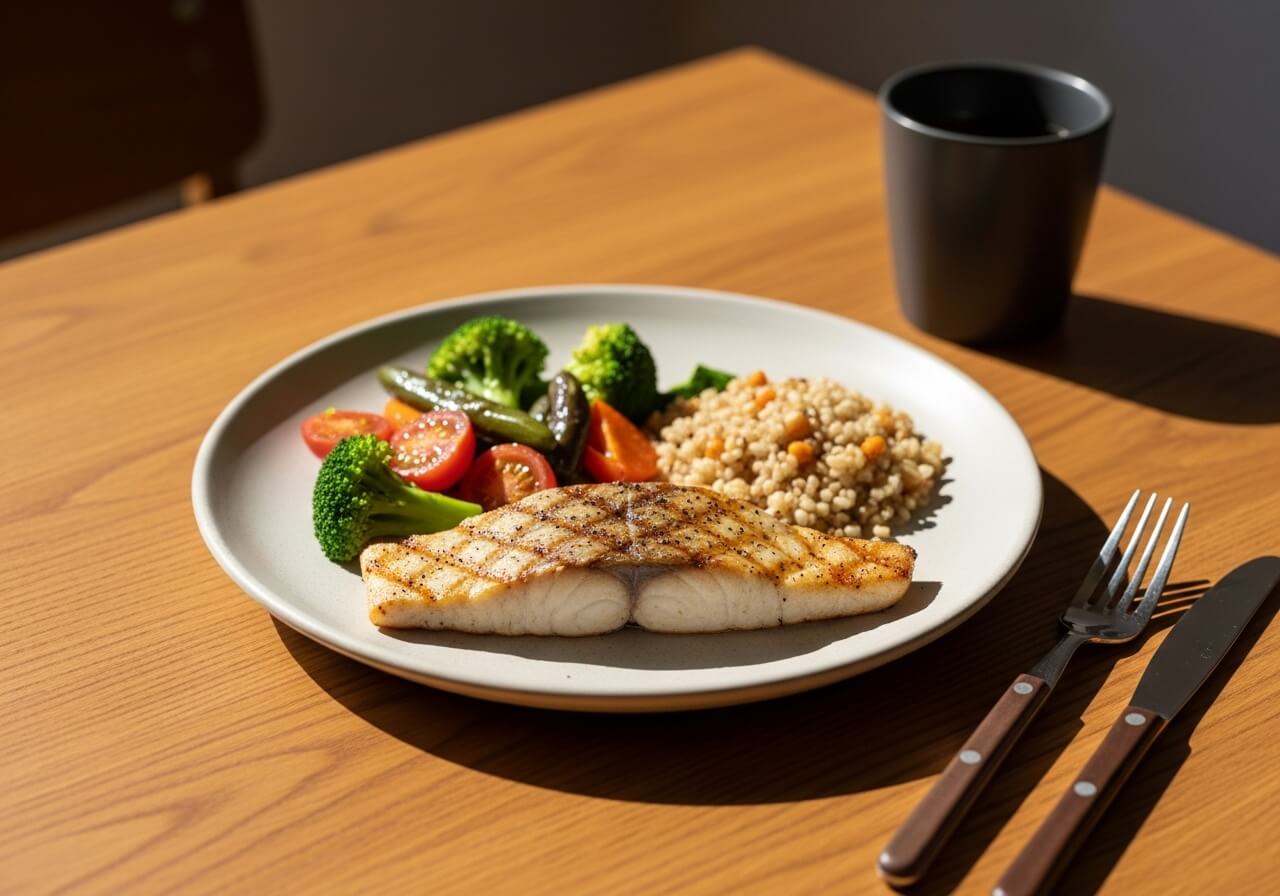
If you’re strength-focused and train 4–5 days per week, limit alcohol to 1–2 drinks exclusively on rest days or light activity days. This timing reduces interference with protein synthesis during active recovery windows. When you do drink, pair it with a protein-rich meal—grilled fish and vegetables rather than fried food or drinking on an empty stomach. This doesn’t eliminate alcohol’s effects but helps stabilize amino acid availability.
For endurance athletes, the restriction needs to be tighter. During heavy training blocks with multiple weekly sessions, avoid alcohol for at least 48 hours after your longest or most intense workouts. An endurance athlete who drinks after a race will experience delayed rehydration and slower glycogen restoration, resulting in poorer performance the next session.
Occasional moderate consumption (1–2 drinks) on a true rest day—with no structured training planned for 24+ hours—is generally manageable if your overall nutrition and sleep are solid. The key: “rest day” means no training at all, not just a lighter session.
Common Misconceptions That Cost Results
Some athletes believe alcohol acts as a performance enhancer before training. It doesn’t. Alcohol has no ergogenic properties and actively decreases both strength and endurance output.
Another misconception: moderate drinking has zero recovery impact. Even one or two drinks can impair sleep quality, reducing time spent in deep sleep stages where most muscle repair occurs. This compounds alcohol’s direct effect on protein synthesis, making the next day’s training noticeably harder.
Third mistake: drinking heavily after intense training, then expecting the following session to go well. You’re already in a recovery deficit from the previous workout. Adding alcohol-induced dehydration, disrupted sleep, and impaired glycogen storage creates a situation where your next session produces fewer adaptations.
When to Be More Cautious
If you have a history of joint issues or injury, alcohol’s inflammatory effects become more significant because inflammation delays healing. If you’re in a competition phase where performance needs to peak on a specific date, restricting alcohol for 2–4 weeks beforehand provides a practical edge.
Individual responses vary considerably. Some people experience worse sleep disruption or appetite changes after drinking than others. If you notice alcohol clearly affects your next-day training—reduced strength, sluggish aerobic capacity, delayed soreness—your personal threshold may be lower than general recommendations.
If you’re managing a medical condition, taking medications, or have a personal or family history of alcohol-related issues, consult a healthcare provider or sports nutritionist before establishing any drinking pattern around training.
Frequently Asked Questions
Does light drinking (one drink) really impact muscle growth?
One drink causes measurable disruption to protein synthesis, though the effect is dose-dependent. A single drink on a true rest day has minimal practical impact on long-term muscle building. Consuming it immediately after a strength session, however, interferes with the recovery window when your muscles are most responsive to repair.
Is beer worse than wine or spirits for athletic performance?
The alcohol content matters most. A standard drink (12 oz beer, 5 oz wine, or 1.5 oz spirits) contains roughly the same amount of alcohol regardless of type. Beer’s carbohydrates offer marginal benefit for glycogen restoration compared to spirits, but this doesn’t offset alcohol’s core negative effects on hydration and protein synthesis. Wine’s polyphenols have antioxidant properties but don’t meaningfully protect against performance impairment.
How long does alcohol affect recovery?
Your body metabolizes alcohol at roughly one drink per hour, but effects on hydration, sleep quality, and protein synthesis extend well beyond when it’s cleared from your system. Sleep quality may remain disrupted for 24–48 hours after drinking, meaning recovery is compromised even after the alcohol itself is gone. Plan for a full 24-hour minimum before expecting optimal training performance.
Can I drink alcohol during fat loss?
Moderate consumption during fat loss is possible but requires calorie awareness. Alcohol provides nearly as many calories per gram as fat, and drinks add up quickly. If you’re tracking intake, account for both the alcohol itself and the increased appetite that often accompanies drinking. One or two drinks on a weekend shouldn’t derail progress if your overall weekly calorie balance is maintained, but regular nightly drinking makes calorie control significantly harder.
What counts as “moderate” versus “excessive” for athletes?
General health guidelines define moderate drinking as up to one drink daily for women and two for men. For athletes, the threshold is lower because recovery demands are higher. “Athlete moderate” realistically means 1–2 drinks only on rest days, never immediately after training. “Excessive” means regular consumption (more than 2–3 times weekly), drinking on training days, or consuming more than 2–3 drinks per occasion.
The Bottom Line
Alcohol measurably impairs hydration, muscle recovery, and energy storage—the three pillars of athletic progress. Start by keeping alcohol off training days entirely. That single shift will noticeably improve how you feel and perform in your next session. You don’t need to eliminate alcohol entirely if you drink moderately and strategically, but understanding the cost helps you make informed choices that support your fitness goals.