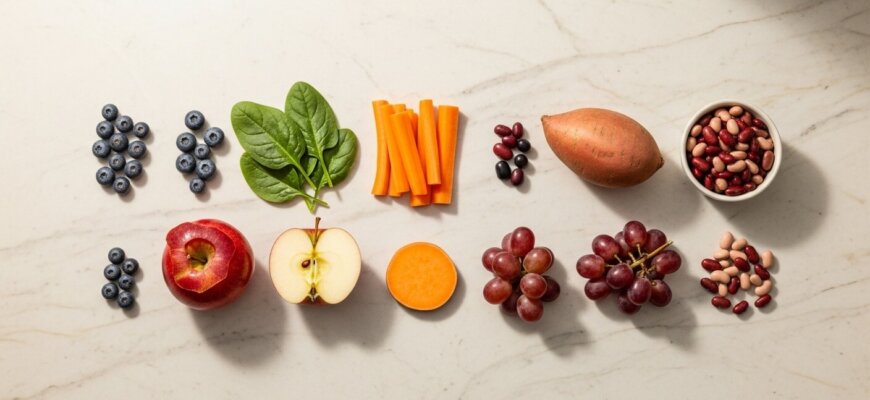
Phytonutrients are natural compounds found in plants that contribute to their vibrant colors, distinct tastes, and protective qualities. Unlike vitamins and minerals that your body requires to function, these plant compounds offer supportive benefits that may help reduce the risk of chronic disease when consumed regularly. Understanding what they are and how to get them through everyday foods is a practical step toward better long-term health.
- What Phytonutrients Are and Why They Matter
- Defining Plant Compounds Beyond Vitamins
- How Phytonutrients Support Bodily Functions
- Key Phytonutrient Groups and Their Food Sources
- Common Flavonoids, Carotenoids, and Polyphenols
- Incorporating Phytochemical-Rich Foods Into Your Diet
- Maximizing Phytonutrient Intake Through Everyday Meals
- Simple Strategies for Diverse Plant Compound Consumption
- Cooking Methods That Preserve Phytonutrient Content
- Frequently Asked Questions
- What is the difference between phytonutrients and micronutrients?
- Can phytonutrients replace vitamins and minerals?
- Are supplements a good source of plant compounds nutrition?
- Which plant-based micronutrients offer the most antioxidant power?
- Conclusion
What Phytonutrients Are and Why They Matter
Defining Plant Compounds Beyond Vitamins
Phytonutrients are nonessential compounds produced naturally by plants. Unlike vitamin C or B12, your body does not require them to prevent deficiency diseases. Instead, they function as bioactive substances that may support cellular health. Plants produce these compounds to protect themselves from sun damage, pests, and disease. When you eat those plants, you benefit from that same protective chemistry.
Common groups include flavonoids (found in berries and tea), carotenoids (present in orange and red vegetables), and polyphenols (abundant in whole grains and legumes). Each group has distinct chemical structures and different ways of interacting with your body. This diversity matters: a diet rich in one type alone misses the unique benefits of others.
How Phytonutrients Support Bodily Functions
Research suggests that phytonutrients work primarily through antioxidant and anti-inflammatory action. Antioxidants neutralize unstable molecules called free radicals that accumulate from normal metabolism, environmental stress, and aging. Chronic inflammation, when it persists beyond acute healing, may contribute to heart disease, obesity, and certain cancers. Phytonutrients may help moderate this inflammatory state.
Diets rich in phytonutrient-containing foods are associated with lower risks of cardiovascular disease, obesity, and certain cancers. However, this benefit appears to come from eating whole plant foods regularly, not from isolated compounds. The synergy of multiple nutrients, fiber, and other plant components working together likely matters more than any single phytonutrient in isolation.
Key Phytonutrient Groups and Their Food Sources
Common Flavonoids, Carotenoids, and Polyphenols
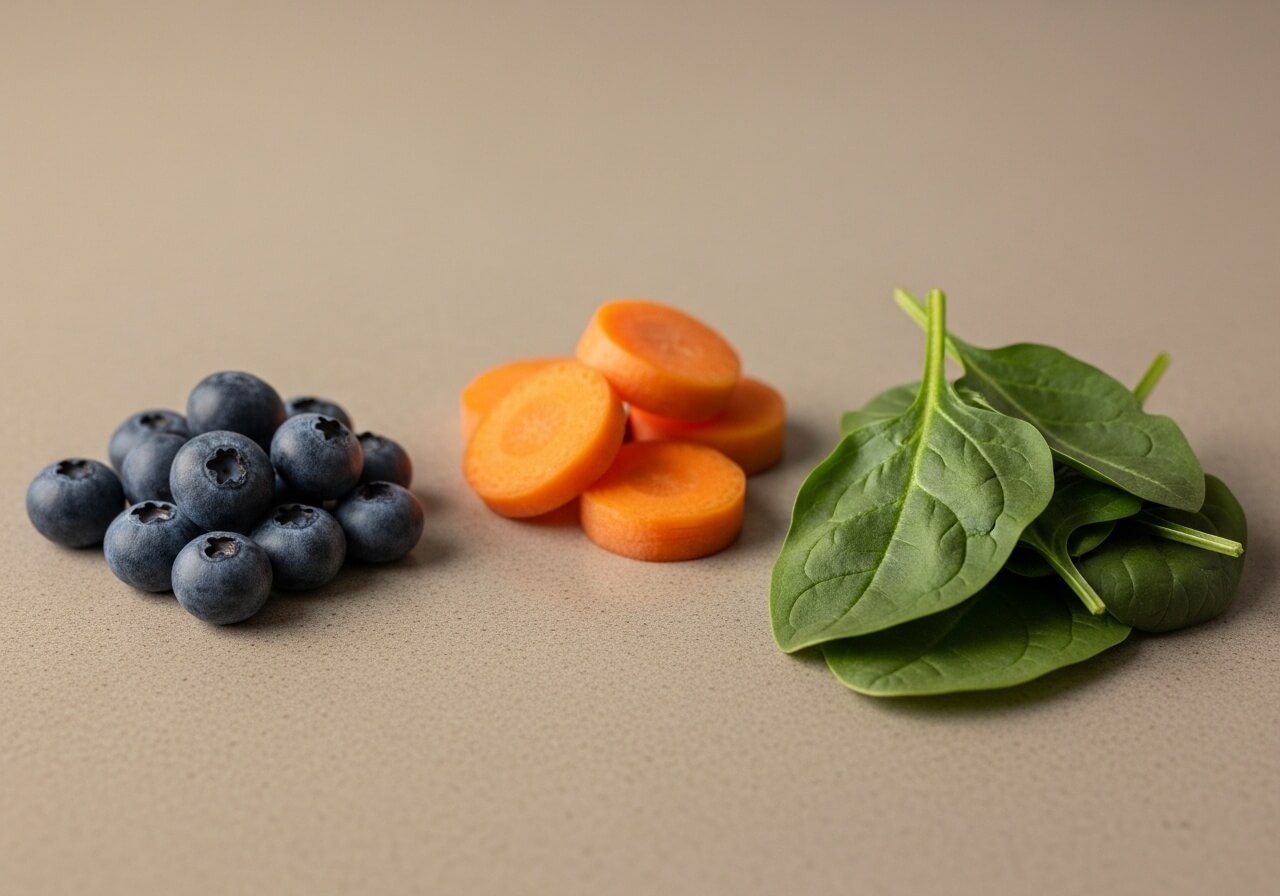
Flavonoids represent one of the largest groups. Quercetin appears in red onions, apples, and green tea. Anthocyanins, responsible for deep purple and blue colors, are concentrated in berries, purple grapes, and black rice. These compounds have been studied for their potential role in reducing inflammation and supporting brain health.
Carotenoids create yellow, orange, and red hues in plants. Lutein and zeaxanthin, found in leafy greens like spinach and kale, have been linked to eye health. Beta-carotene, the precursor to vitamin A, is abundant in sweet potatoes, carrots, and winter squash. Carotenoids are fat-soluble, meaning they absorb better when eaten with dietary fat—another reason to drizzle olive oil on roasted vegetables.
Polyphenols include thousands of distinct compounds. Ellagic acid in raspberries and pomegranates, catechins in green tea, and resveratrol in red grape skins are all polyphenols. These tend to concentrate in whole grains, legumes, nuts, seeds, and the skins of fruits and vegetables—which is why peeling an apple removes significant polyphenol content.
Incorporating Phytochemical-Rich Foods Into Your Diet
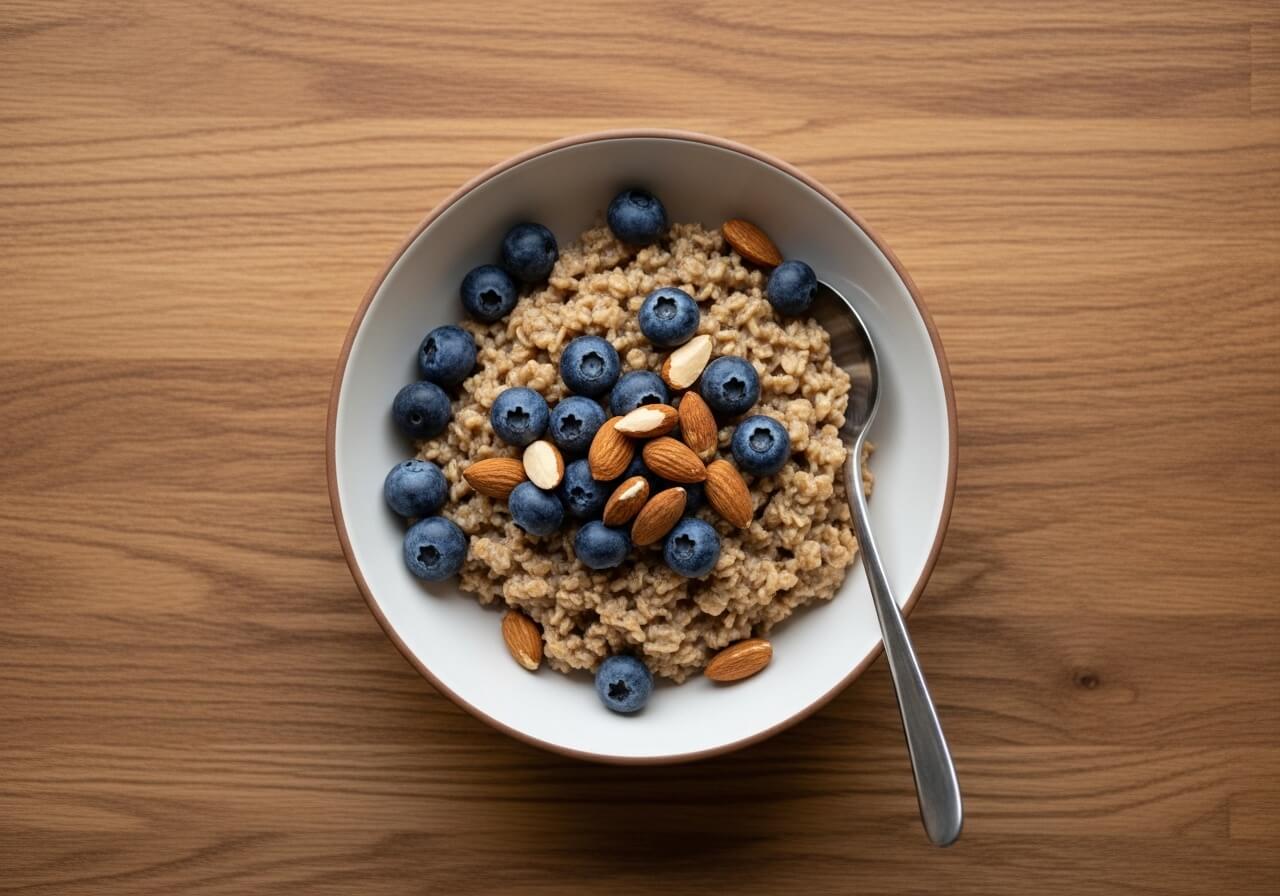
The simplest approach is to eat a “rainbow” of foods. Different colors signal different phytonutrient profiles. Aim for at least three different colored plant foods at each meal: spinach (green), tomatoes (red), and sweet potato (orange). A breakfast of oatmeal topped with blueberries and almonds covers multiple groups. A lunch salad with mixed greens, grated carrots, purple cabbage, and pumpkin seeds does the same.
Whole foods matter more than juices or extracts. When you eat a whole apple, you consume the flesh, skin, and fiber together—all contributing to the beneficial effect. Apple juice or powdered extract removes the fiber and dilutes the density of phytonutrients, reducing the overall impact.
Maximizing Phytonutrient Intake Through Everyday Meals
Simple Strategies for Diverse Plant Compound Consumption
Building a phytonutrient-rich diet requires no special purchases or complicated meal plans. Start by asking: “What plant foods am I currently not eating?” If your diet centers on potatoes, rice, and carrots, add leafy greens, berries, and legumes. If you rarely eat whole grains, switch half your refined grain intake to brown rice, quinoa, or whole wheat pasta.
Practical habits work better than perfection. Keep frozen berries, canned beans, and pre-cut vegetables on hand for quick assembly. Add spinach to pasta sauce. Toss black beans into rice. Top breakfast cereal with almonds and raisins. These small additions throughout the week accumulate more benefit than occasional large efforts. Consistency over months and years matters more than dramatic overnight change.
Cooking Methods That Preserve Phytonutrient Content
Dry heat methods like roasting, grilling, and baking generally preserve phytonutrient content well. Steaming and light boiling retain most compounds. Prolonged boiling in large amounts of water can leach some water-soluble phytonutrients into the cooking liquid—though eating the whole preparation, including liquid, preserves the nutrients.
Raw versus cooked depends on the specific food. Lycopene, a carotenoid in tomatoes, becomes more bioavailable when tomatoes are cooked with fat—canned tomato sauce with olive oil surpasses raw tomatoes in terms of lycopene availability. Conversely, some heat-sensitive phytonutrients degrade with cooking, so raw leafy greens retain their full profile. A practical approach: eat a mix of both raw and cooked plant foods to capture the benefits of each preparation style.
Frequently Asked Questions
What is the difference between phytonutrients and micronutrients?
Micronutrients include vitamins and minerals—compounds your body requires in small amounts to prevent deficiency diseases. You must consume vitamin C to prevent scurvy, or iodine to prevent thyroid problems. Phytonutrients are nonessential plant compounds that offer potential supportive benefits but are not required for basic survival. However, the boundary blurs: vitamin A is a micronutrient that your body can synthesize from beta-carotene, a phytonutrient.
Can phytonutrients replace vitamins and minerals?
No. If you need vitamin B12 for nerve function, phytonutrients will not fulfill that need. However, whole plant foods typically contain both together. A diet rich in diverse plant foods naturally delivers both essential micronutrients and beneficial phytonutrients in one meal.
Are supplements a good source of plant compounds nutrition?
Evidence for isolated phytonutrient supplements is much weaker than evidence for plant-based diets overall. A polyphenol supplement will not deliver the same benefit as eating berries, which contain polyphenols plus fiber, water, vitamins, minerals, and thousands of other compounds working together. If cost or access limits your ability to buy fresh produce, frozen fruits and vegetables are a practical alternative that retains most phytonutrients. Supplements may serve as insurance if your diet is genuinely limited, but they should not replace whole foods.
Which plant-based micronutrients offer the most antioxidant power?
Antioxidant “power” is difficult to measure directly in the human body, and laboratory measures do not always predict real-world benefit. Certain phytonutrients show strong antioxidant properties in research: berries (anthocyanins), green tea (catechins), and colorful vegetables (carotenoids and polyphenols) rank high in standard assays. Rather than chasing the “most powerful” single compound, the practical approach is to eat a variety of these foods. Consuming multiple phytonutrient types together appears more beneficial than maximizing one specific antioxidant.
Conclusion
Phytonutrients health benefits come from eating diverse whole plant foods consistently, not from chasing isolated compounds. Start by adding one or two colorful plant foods you do not currently eat—perhaps berries at breakfast or leafy greens at dinner. Small, repeated choices over weeks and months create lasting benefit without requiring dramatic dietary overhaul.