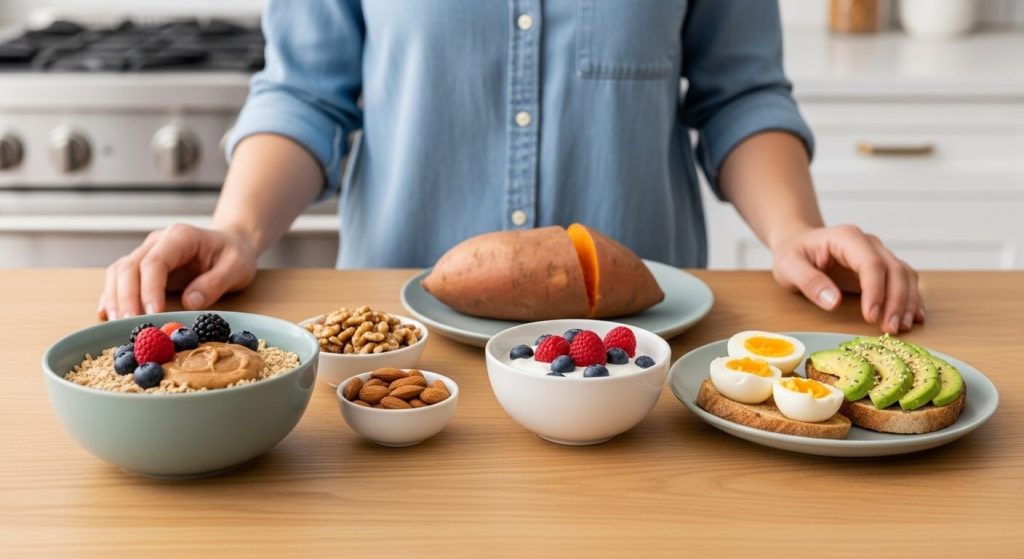
Instead of reaching for another cup of coffee or sugary snack, these six natural energy boosting foods deliver steady energy without the crash. Each works differently—combining protein, healthy fats, and complex carbohydrates to prevent the blood sugar spike that leaves you exhausted by mid-afternoon.
Oats Keep Energy Steady for Hours
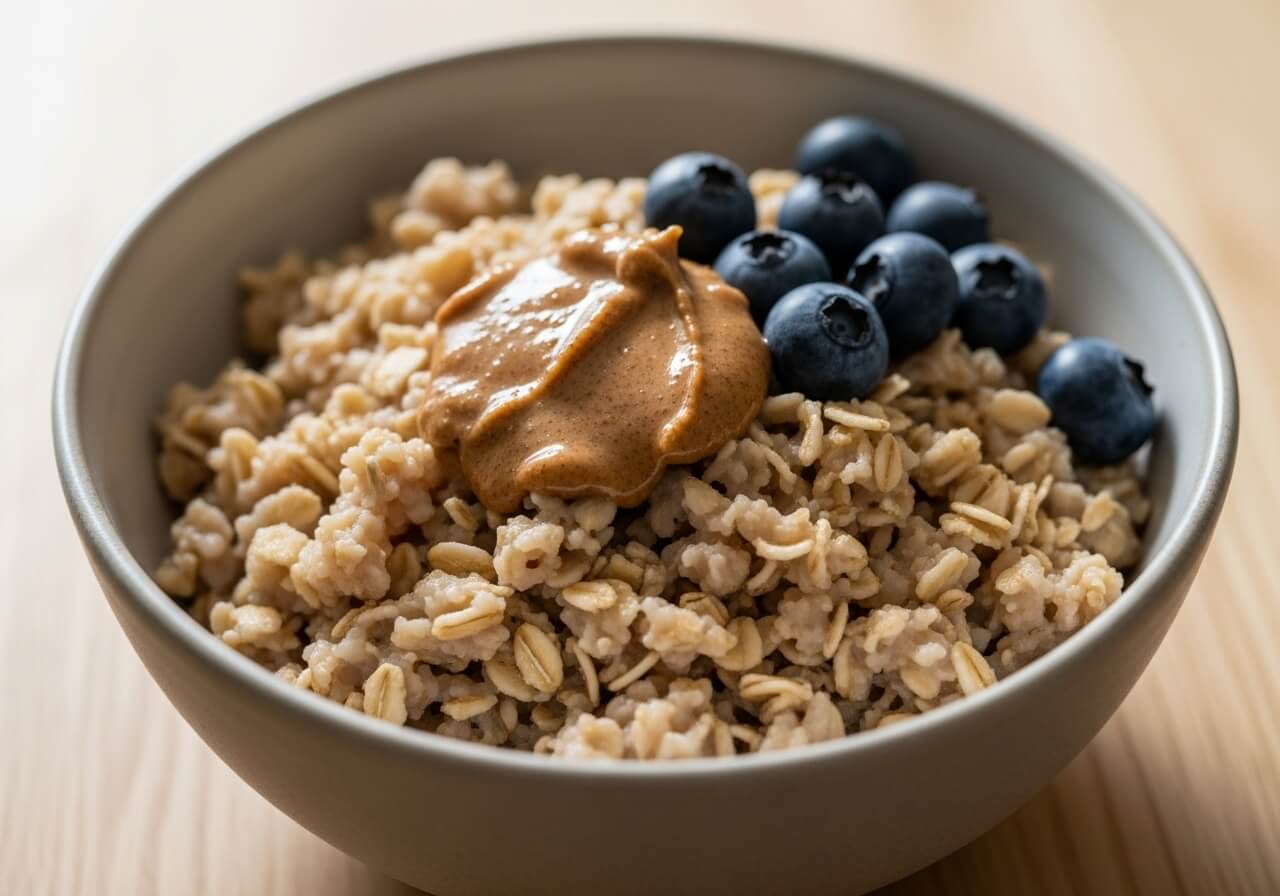
Oats are among the most reliable sustained energy foods because their complex carbohydrates digest slowly. This gradual breakdown prevents rapid blood sugar spikes and can sustain you for several hours without that mid-morning slump.
Why oats stabilize blood sugar better than most grains
Oats contain beta-glucan, a type of soluble fiber that slows digestion and glucose absorption. Refined grains like instant oatmeal or white bread lack this fiber structure, so they break down quickly. Steel-cut oats and rolled oats preserve this fiber, making them better choices for steady energy.
How to add oats to your morning without spiking insulin
Pair oatmeal with protein and fat to extend energy release further. Add a tablespoon of almond butter, a handful of nuts, or a scoop of Greek yogurt to your bowl. This combination slows digestion beyond what oats alone can achieve. Skip the honey, brown sugar, or flavored syrups—they undo the stabilizing effect. For sweetness, use berries or a small drizzle of pure maple syrup. Which nuts you choose barely changes the calories but does change the protein: compare walnuts and macadamia nuts.
Nuts and Seeds Deliver Slow-Burning Fuel
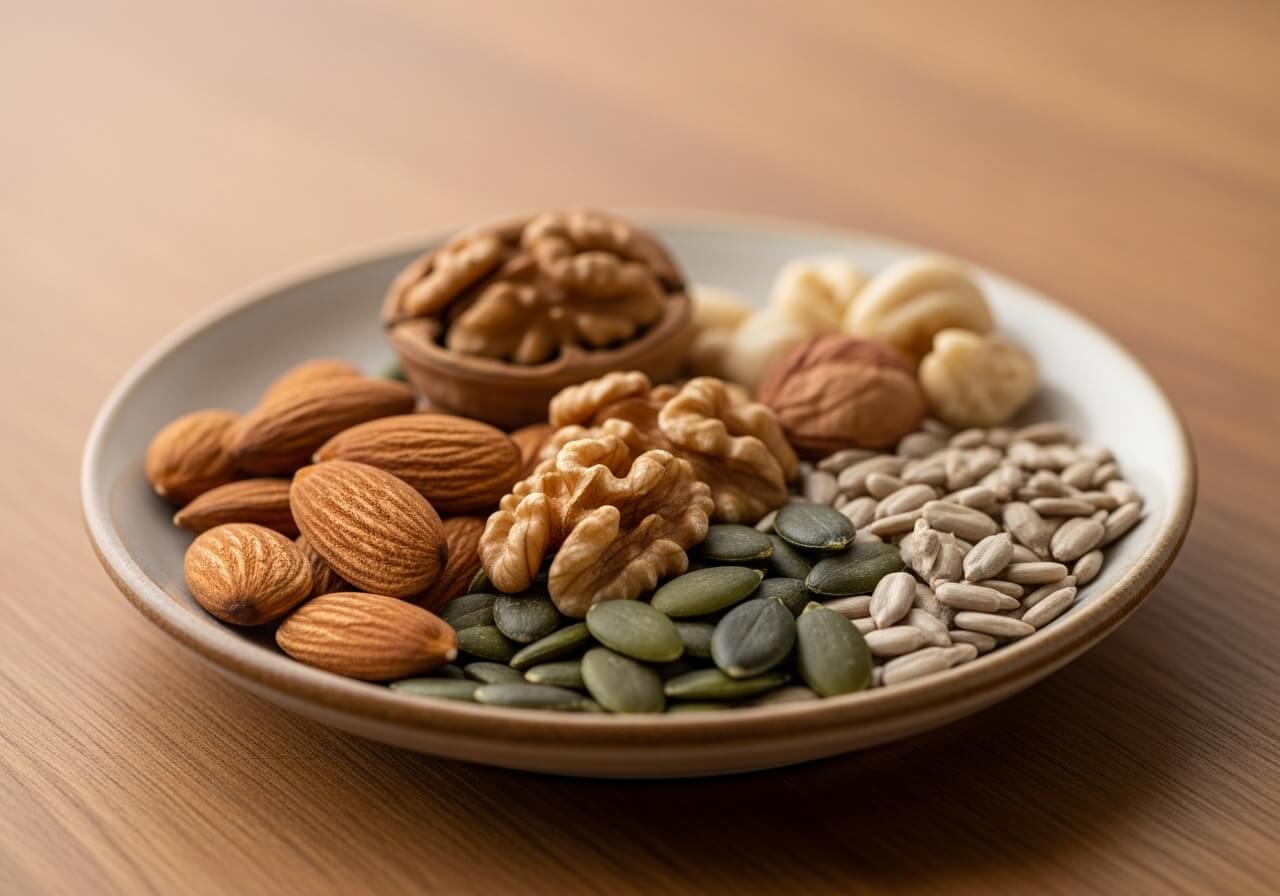
Nuts and seeds supply healthy fats, protein, and magnesium—nutrients that may help regulate blood sugar and support energy metabolism without relying on caffeine. A small handful of almonds, walnuts, or pumpkin seeds provides clean energy that can last through an afternoon without jittery effects.
Which nuts and seeds give the longest energy boost
Almonds and walnuts are strong choices because they contain both protein and monounsaturated fats. Pumpkin seeds and sunflower seeds rank similarly high due to their magnesium content—a mineral involved in converting glucose into energy. Cashews contain more carbohydrates and slightly less fat, so they work better mixed with other nuts. Choose raw or lightly roasted options rather than varieties coated in added salt or oil.
Best ways to pair nuts with other foods for sustained fuel
Combine nuts with a small amount of carbohydrate for a more complete energy package. Pair almonds with an apple, walnuts with whole-grain toast, or add seeds to a salad with grilled chicken. The carbohydrate prevents early hunger while the fat and protein help prevent blood sugar spikes. This strategy works particularly well around 3 p.m. when energy typically dips.
Greek Yogurt Balances Protein and Carbs Smartly
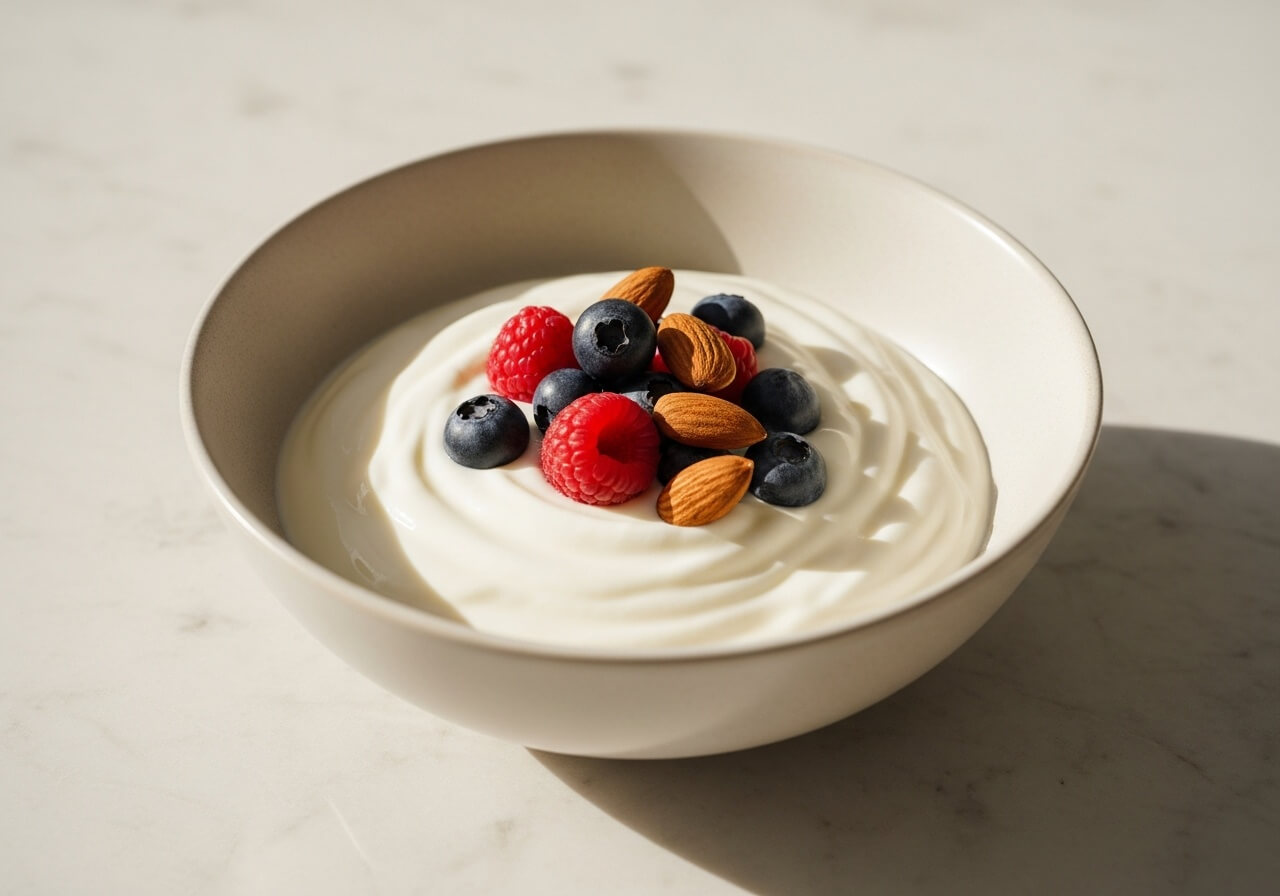
Greek yogurt’s protein-to-carbohydrate ratio naturally supports stable energy levels. The high protein content maintains steady glucose release while the carbohydrates provide accessible fuel without excessive sugar.
Why full-fat versions often beat low-fat for energy stability
Full-fat Greek yogurt digests more slowly than low-fat or nonfat versions because fat slows stomach emptying. This slower transit may mean more stable blood sugar. Low-fat Greek yogurt often contains added carbohydrates to compensate for removed fat and improve taste—which can make blood sugar fluctuations more likely. If full-fat yogurt feels too rich, choose plain (unsweetened) Greek yogurt in any fat level and add your own toppings like nuts or fresh berries instead of buying flavored varieties with added sugar.
When to eat Greek yogurt for maximum afternoon energy
Consider Greek yogurt around 2 to 3 p.m. when afternoon energy typically declines. A serving of 150 to 200 grams (about two-thirds to three-quarters of a cup) is sufficient. Top it with a small amount of granola, almonds, or berries to create a stable snack that bridges the gap until dinner.
Quinoa Acts Like Nature’s Energy Bar
Quinoa is a complete protein—it contains all nine essential amino acids your body cannot make on its own. This complete amino acid profile, combined with quinoa’s fiber content, makes it an efficient option for lasting fuel. Unlike most grains that require pairing with legumes to achieve complete protein, quinoa delivers this benefit alone.
How quinoa’s amino acid profile differs from other grains
Most grains like rice, wheat, and oats lack one or more essential amino acids. Quinoa’s complete amino acid set allows your body to efficiently use the protein while maintaining stable blood glucose. This may translate to more reliable energy compared to white rice or pasta, which can spike blood sugar more rapidly despite similar calorie counts.
Quick quinoa preparations that work as energy snacks
Prepare quinoa in bulk on weekends and store portions in the refrigerator for up to five days. Mix cooled quinoa with roasted vegetables, olive oil, and lemon juice for a portable salad. Combine it with black beans and diced chicken for more protein. A half-cup to one-cup serving (cooked weight) works as a mid-morning or post-workout snack to replenish energy stores steadily. This approach works particularly well after strength training when your body needs both carbohydrates and protein for recovery.
Sweet Potatoes Combine Carbs with Sustained Release
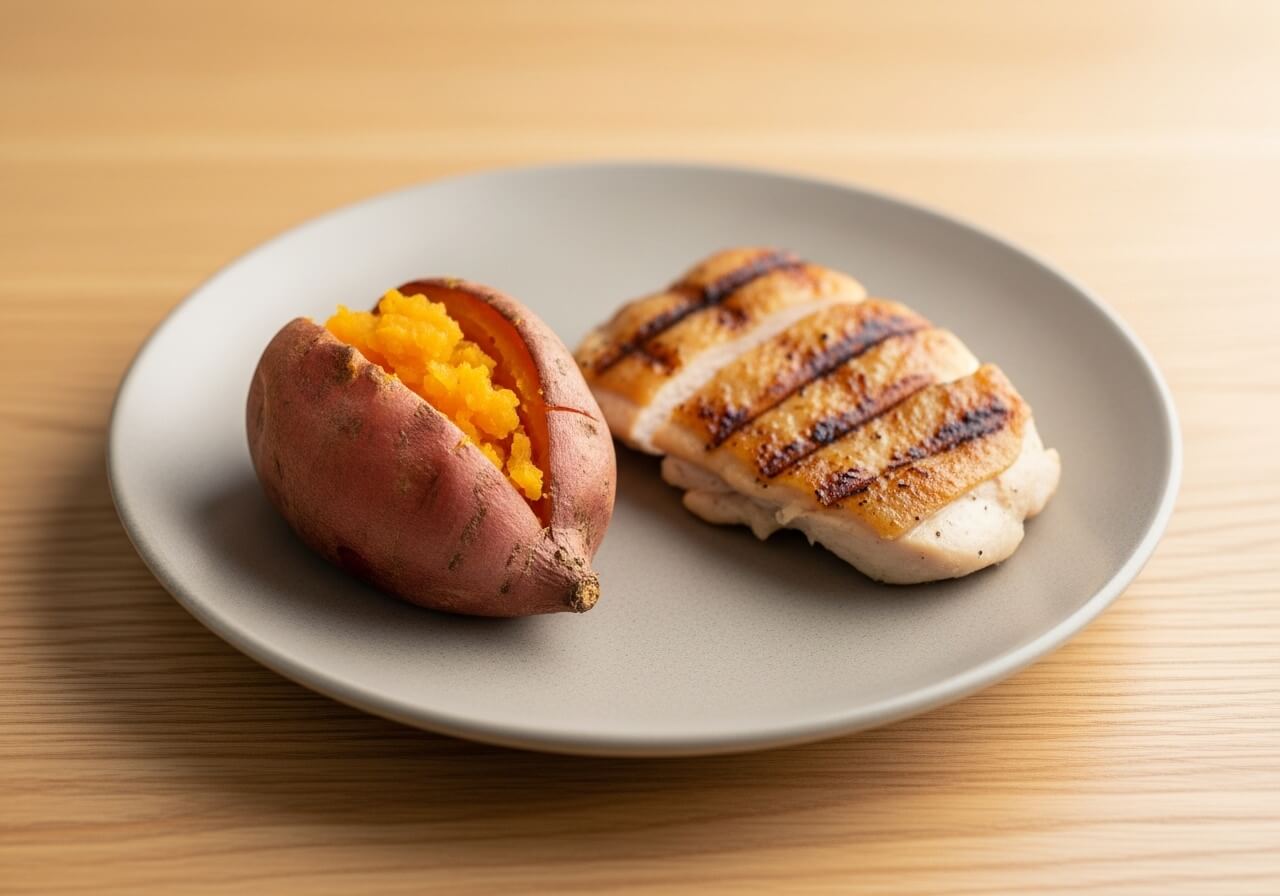
Sweet potatoes offer carbohydrates with natural vitamins and minerals that support energy metabolism. They contain resistant starch—a type of carbohydrate that resists rapid digestion and may provide more stable blood glucose release than white potatoes.
Why orange-fleshed sweet potatoes beat white potatoes for energy
Orange-fleshed sweet potatoes contain beta-carotene (vitamin A) and more fiber than white potatoes. The fiber content slows digestion, while the nutrients support metabolic processes. White potatoes contain more rapidly digestible starch, which can cause sharper blood sugar swings. If you prefer white potatoes, eat them with skin intact and pair them with fat and protein—but orange sweet potatoes are the better choice for energy stability.
Perfect timing for sweet potato consumption around workouts
Eat a small baked sweet potato (about 100 to 150 grams) within 30 to 60 minutes after completing strength training or high-intensity exercise. During this window, your muscles are primed to absorb glucose and replenish glycogen stores efficiently. The carbohydrate feeds this recovery process while the vitamins support energy systems that power muscle repair. Combine it with a protein source like grilled chicken or Greek yogurt to maximize recovery and sustained energy throughout the evening.
Eggs Support Energy at the Cellular Level
Eggs contain high-quality protein and B vitamins (including B12) that help convert food into cellular energy at a metabolic level. This nutrient combination works in the biochemical pathways that turn what you eat into ATP—the energy currency your cells use for every function.
How egg nutrients help convert food into cellular energy
B vitamins in eggs (particularly B12 and choline) act as cofactors in the mitochondrial processes that generate ATP from carbohydrates and fats. Without adequate B vitamins, even nutritious food cannot be efficiently converted into usable energy. Eggs also contain leucine, an amino acid that signals your body to build muscle—which in turn increases your metabolic capacity. This is why many people report feeling more sustained energy after eating eggs compared to other breakfast options.
Simple egg preparations that make energizing breakfasts easy
Boil eggs in bulk at the start of the week and eat them with whole-grain toast and avocado or nut butter. Scramble two eggs with sautéed spinach and mushrooms for a nutrient-dense breakfast. Make a simple frittata with eggs, cheese, and vegetables on Sunday, then portion it throughout the week for grab-and-go mornings. Aim for two to three whole eggs per breakfast to ensure adequate protein and B vitamin intake. Avoid pairing eggs with refined carbohydrates like white toast or sugary cereal—this combination loses the stabilizing effect of the protein.
FAQ
What makes a snack good for stable blood sugar throughout the day?
A stabilizing snack combines protein, healthy fat, and complex carbohydrates. Protein slows stomach emptying, fat provides satiety and slows carbohydrate absorption, and complex carbs with fiber digest gradually. Examples include apple with almond butter, Greek yogurt with nuts, or cheese with whole-grain crackers. Avoid snacks with only carbohydrates like pretzels or fruit alone—these can cause rapid blood sugar spikes followed by energy crashes.
How do natural energy sources work differently than caffeine for energy?
Caffeine blocks adenosine receptors in your brain to create alertness, but this effect is temporary and can leave you more fatigued once it wears off. Natural energy foods provide sustained fuel through stable blood glucose and nutrient-dense calories. The energy feels gentler and lasts longer—hours instead of 2 to 4 hours—because it comes from actual metabolic fuel rather than neural stimulation. You won’t experience the jitteriness or post-caffeine crash because your blood sugar remains more stable.
Which sustained energy foods work best when you need energy without caffeine?
Eggs and Greek yogurt may act faster (within 30 to 45 minutes) due to their protein density. Oats take slightly longer (45 to 60 minutes) but can sustain energy for 2 to 3 hours. Nuts and seeds work well as snacks and maintain steady energy for hours when paired with carbohydrates. For immediate sustained energy, combine eggs or yogurt with whole-grain toast. If you have time, oatmeal with nuts is equally effective.
Conclusion
These six foods deliver lasting energy because they work with your body’s natural systems rather than overriding them through stimulants. Start by replacing your mid-morning sugary snack with almonds and an apple, or swap your afternoon coffee for Greek yogurt with granola. Even one stable-energy meal per day can shift your entire energy pattern—steadier focus, fewer crashes, and more consistent fuel throughout the day.
This content is for educational purposes only and is not medical advice. Always consult a qualified healthcare professional for personalised guidance.