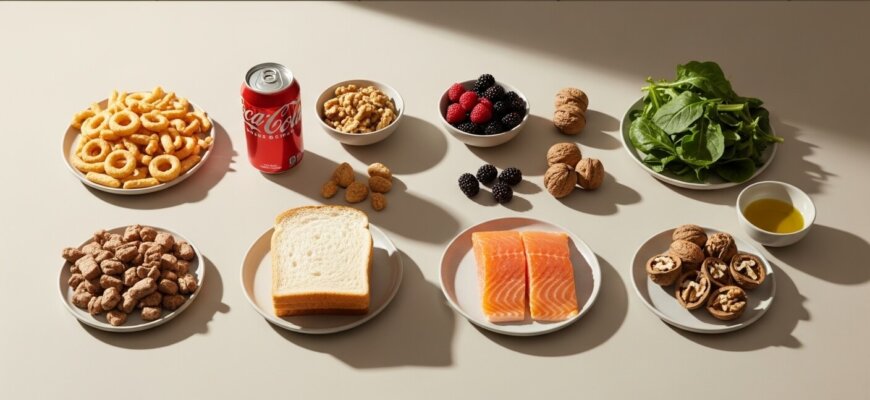
The foods you eat influence your immune system’s behavior—either calming inflammation or fueling it. Pro-inflammatory diets typically include processed meats, refined sugars, fried foods, and trans fats, while anti-inflammatory patterns emphasize vegetables, fish, nuts, olive oil, and whole grains. The difference between inflammatory vs anti-inflammatory foods lies in eating patterns, not single ingredients. Your body responds to these patterns by raising or lowering inflammatory markers, which affect how you feel and how your health progresses over time.
- What foods actually cause inflammation
- Processed snacks, sugary drinks, and refined carbs
- Fried foods, processed meats, and excessive alcohol
- Which foods reduce inflammatory response naturally
- Colorful vegetables, berries, and omega-3 rich fish
- Nuts, olive oil, and whole grains
- How inflammatory and anti-inflammatory diets differ
- Western-style diet versus Mediterranean-style eating
- Symptom differences after switching between eating patterns
- When to adjust your diet for chronic inflammation
- Signs your body shows ongoing low-grade inflammation
- Simple first steps to shift toward anti-inflammatory eating
- FAQ
- Can changing your diet really reduce inflammation markers?
- How long does it take to see benefits from anti-inflammatory foods?
- Do all anti-inflammatory foods work the same way in the body?
- Conclusion
What foods actually cause inflammation

Certain foods are associated with higher circulating inflammatory markers. These are typically ultra-processed items, foods high in refined sugars, fried foods, and products containing trans fats or excess saturated fat.
Processed snacks, sugary drinks, and refined carbs
Soda, energy drinks, and sweetened beverages spike blood sugar rapidly, which can trigger an inflammatory response. A single can of soda contains as much sugar as several pieces of fruit—but without the fiber, minerals, or whole-food package that comes with actual fruit.
Refined carbohydrates—white bread, pastries, most cereals, and packaged snack cakes—are stripped of fiber and nutrients during processing. This makes them digest quickly and cause similar blood-sugar spikes. Replacing white bread with whole-grain bread or swapping packaged crackers for nuts removes this constant trigger.
Fried foods, processed meats, and excessive alcohol
Fried foods absorb large amounts of oil during cooking, introducing oxidized fats that may contribute to inflammation. Restaurant fries, fried chicken, and deep-fried snacks all fall into this category. The concern comes from chemical changes that happen when oil is heated to high temperatures.
Processed meats—bacon, sausage, deli meats, pepperoni, and hot dogs—contain added nitrates, excess salt, and saturated fat. Even one serving daily has been linked to measurably higher inflammatory markers. Alcohol, especially in excess, irritates the gut lining and may promote inflammatory responses. Occasional drinking poses minimal risk, but regular heavy drinking can contribute to chronic low-grade inflammation.
Which foods reduce inflammatory response naturally
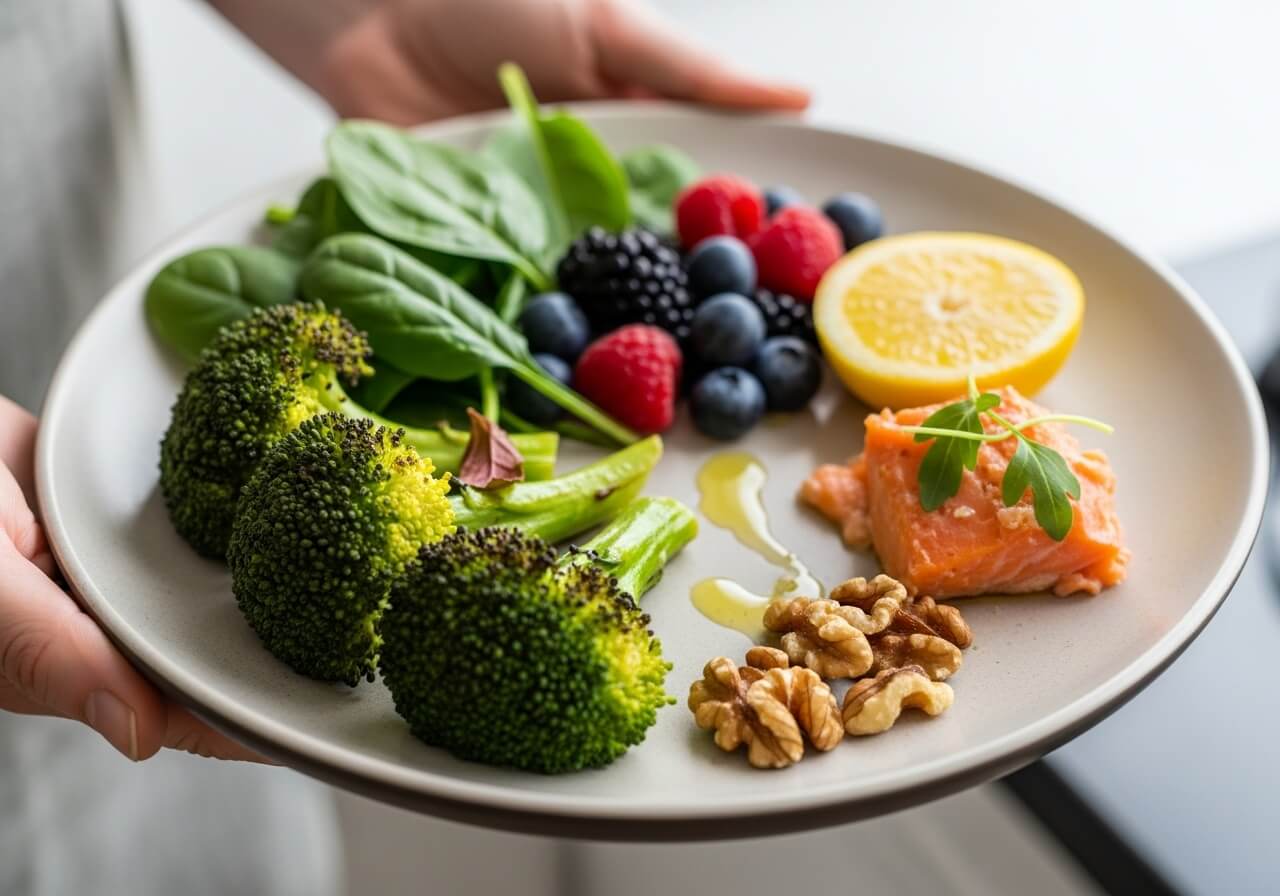
Anti-inflammatory foods contain compounds—fiber, antioxidants, omega-3 fatty acids, polyphenols—that may help calm immune activation. These foods work best as part of an overall pattern, not as isolated additions to an otherwise poor diet.
Colorful vegetables, berries, and omega-3 rich fish
Vegetables like broccoli, spinach, kale, bell peppers, and sweet potatoes are rich in antioxidants and phytonutrients. The more color variety you eat, the wider range of protective compounds you consume. Berries—blueberries, strawberries, raspberries—are particularly concentrated sources of anthocyanins. Unlike sugary fruit juices, whole berries include fiber that slows sugar absorption and feeds beneficial gut bacteria.
Fatty fish like salmon, sardines, and mackerel contain EPA and DHA, omega-3 fatty acids associated with lower inflammatory markers in observational studies. Even two servings per week may offer benefit. If you don’t eat fish, algae-based omega-3 supplements or ground flaxseeds and chia seeds offer plant-based alternatives, though the conversion to EPA and DHA is less efficient.
Nuts, olive oil, and whole grains
Almonds, walnuts, and other nuts contain polyphenols and healthy fats associated with reduced inflammatory markers. A small handful daily—about 1 ounce—provides benefit without excess calories. Walnuts are especially high in plant-based omega-3s.
Extra-virgin olive oil contains oleocanthal, a compound with anti-inflammatory properties. Using olive oil as your primary cooking fat instead of vegetable oil or butter may shift your inflammatory burden. The Mediterranean diet’s emphasis on olive oil contributes significantly to its anti-inflammatory reputation.
Whole grains like oats, brown rice, quinoa, and barley retain their bran and germ, keeping intact the fiber and minerals that refined grains lose. This fiber feeds beneficial gut bacteria and may support a less inflammatory immune environment. Switching from white rice to brown rice or from instant oatmeal to steel-cut oats is a practical first change.
How inflammatory and anti-inflammatory diets differ
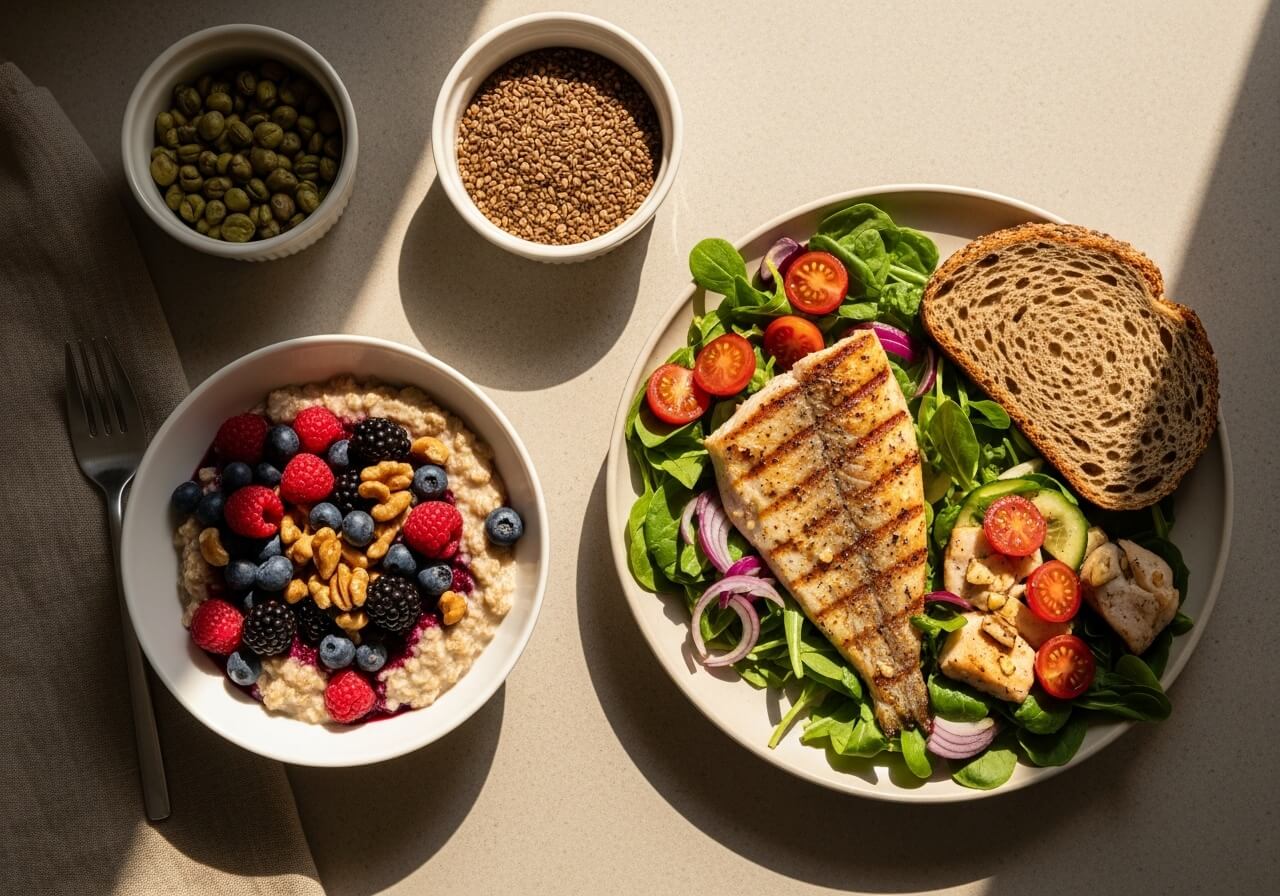
The contrast between eating patterns matters more than individual foods. A Western-style diet high in processed foods, fried items, sugary drinks, and processed meats is associated with sustained inflammation. A Mediterranean-style diet—emphasizing fish, vegetables, whole grains, legumes, nuts, and olive oil—shows the opposite pattern.
Western-style diet versus Mediterranean-style eating
In a typical Western pattern, someone might have sugary cereal for breakfast, a deli sandwich on white bread for lunch, a soda in the afternoon, and takeout pizza for dinner. The inflammatory load from this day alone—refined carbs, processed meat, trans fats, added sugars—keeps immune markers elevated.
In Mediterranean-style eating, breakfast might be oatmeal with berries and nuts, lunch a salad with grilled fish and olive oil dressing, an afternoon snack of fruit or nuts, and dinner with grilled salmon, roasted vegetables, and whole-grain bread. No single meal is restrictive, but the pattern avoids the inflammatory triggers entirely. The difference is substitution, not sacrifice.
Symptom differences after switching between eating patterns
People who shift from high-inflammation diets to anti-inflammatory patterns sometimes report changes within weeks. Joint stiffness, brain fog, energy crashes, and bloating may improve. These are not overnight transformations but noticeable differences that compound over time.
Some research suggests that inflammatory markers in the blood may begin to shift within a few weeks of consistent dietary changes, though the timeline varies by individual, baseline diet, and overall health. Consistency matters more than speed. One healthy meal doesn’t erase a week of processed food, and one indulgent meal doesn’t undo weeks of good choices.
When to adjust your diet for chronic inflammation
Certain signs suggest that food choices may be working against your health, though these symptoms have many potential causes beyond diet.
Signs your body shows ongoing low-grade inflammation
Chronic fatigue that doesn’t improve with sleep, persistent joint or muscle soreness, frequent headaches, digestive issues like bloating or irregular bowel movements, skin problems that don’t respond to topical treatments, or frequent illness can all reflect underlying inflammation. These aren’t definitive inflammation diagnoses, but they’re signals worth addressing through dietary changes.
If you struggle with afternoon energy crashes despite adequate sleep, refined carbs may be a factor. If your stomach feels uncomfortable after most meals, inflammatory foods might play a role. If you wake up stiff regularly, your diet’s inflammatory load could be contributing.
Simple first steps to shift toward anti-inflammatory eating
Don’t try to change everything at once. Identify one category of inflammatory food you consume regularly and replace it. If you drink soda daily, switch to water or unsweetened tea for one week. Notice how you feel. If you eat processed meats several times weekly, replace two of those meals with grilled chicken or fish. If white bread is your norm, try whole-grain bread for your sandwiches this week.
These single substitutions create momentum without feeling overwhelming. Once that change feels normal—usually within a week or two—add another. Replace one processed snack with nuts or fruit. Swap one cooking oil for olive oil. The goal is sustainable progress, not perfection from day one.
FAQ
Can changing your diet really reduce inflammation markers?
Observational research shows that dietary patterns influence circulating inflammatory markers. People who follow anti-inflammatory diets tend to show lower levels of C-reactive protein and other inflammatory markers compared to those eating high-inflammatory diets. However, the research is strongest for overall eating patterns, not single foods. The effect also varies by individual—genetics, stress, sleep, and exercise all influence inflammation alongside diet.
How long does it take to see benefits from anti-inflammatory foods?
Some research suggests blood-based inflammatory markers may shift within a few weeks of consistent dietary changes. Symptom improvements—like reduced joint stiffness, clearer thinking, or better digestion—often appear in a similar timeframe, though the timeline is individual. For some, changes happen within days; for others, it takes longer to notice clear differences. Consistency matters far more than speed.
Do all anti-inflammatory foods work the same way in the body?
No. Berries work through antioxidants. Fish provides omega-3 fatty acids. Olive oil contains oleocanthal. Whole grains work via fiber and gut bacteria changes. They all may reduce inflammation, but through different mechanisms. This means eating a variety of anti-inflammatory foods provides redundancy. If you dislike fish, berries and nuts and olive oil still help. If you’re allergic to nuts, fish and vegetables still help.
Conclusion
The foods you choose influence your inflammatory state. Start by replacing one inflammatory choice with one anti-inflammatory alternative—swap soda for water, white bread for whole grain, or fried snacks for nuts. Let that become normal, then add another change. Small, consistent substitutions build momentum and may lead to noticeable improvements within weeks.