
You’ve probably heard the rule: eat protein within 30 minutes of your workout or your gains disappear. This post-workout meal timing urgency has shaped how millions approach recovery nutrition. But research shows the recovery nutrition window myth is just that—a myth. The practical window is far more flexible than fitness culture suggests, and your total daily nutrition habits matter more than any single post-workout meal.
- What the research reveals about the recovery window
- The origin story of the 30-minute rule
- Current evidence that challenges old assumptions
- How to time your post-workout meals effectively
- When immediate fueling actually helps performance
- Everyday timing strategies that work for most people
- Signs you might be overcomplicating nutrition timing
- Red flags of timing obsession
- What actually drives recovery results
- FAQ
- Does the anabolic window exist for everyone?
- How soon after working out should I eat something?
- Is protein timing more important than total daily protein?
- Can I skip post-workout nutrition if I eat well throughout the day?
- Conclusion
What the research reveals about the recovery window
The origin story of the 30-minute rule
The 30-minute window became fitness dogma in the 1990s and 2000s, driven partly by early research on muscle protein synthesis and partly by supplement marketing. The idea was urgent: exercise triggers an “anabolic window”—a narrow opportunity to feed your muscles before the door closes.
But this framing was always an oversimplification that ignored individual context.
Current evidence that challenges old assumptions
Research published in the Journal of Orthopaedic & Sports Physical Therapy clarifies that the anabolic window is not a universal 30-minute deadline. The practical window depends on your specific situation—especially what you ate before training.
If you ate a substantial meal one to two hours before your workout, your body is still processing that food during and after exercise. Your muscles have access to amino acids from that earlier meal, so immediate post-workout fueling becomes less urgent. You can eat whenever your schedule allows—an hour later, at your next regular meal—and still support recovery effectively.
However, if you trained fasted or trained very early with minimal pre-workout fuel, eating sooner with protein does become more relevant. Your muscles have depleted their available amino acids, and earlier eating gives them raw materials to begin repair.
Evidence from Georgia State University reinforces that total daily protein and overall eating patterns matter far more than the precise timing of a single post-workout meal. For most people in most situations, getting enough protein across the day drives recovery results more than hitting a narrow eating window.
How to time your post-workout meals effectively
When immediate fueling actually helps performance
Post-workout meal timing becomes genuinely relevant in specific scenarios. The most common is when you have a second workout or training session coming within a few hours. After your first session, eating soon—especially carbohydrates to restore muscle glycogen—prepares your body for the next effort. Without that refueling, your second session may suffer from depleted fuel stores.
Endurance athletes doing high-volume training also benefit from earlier carbohydrate intake to speed glycogen restoration. If you just finished a 90-minute run or cycling session, eating carbs within the first couple of hours helps prepare you for your next training block.
For most other people doing typical resistance training or moderate exercise once per day, flexible timing works fine. If you train at 6 p.m. and ate lunch at noon, your dinner at 7:30 p.m. supports recovery effectively.
Everyday timing strategies that work for most people
A practical approach is to eat based on hunger and convenience rather than a timer. If you’re hungry 20 minutes after training, eat. If you’re not hungry for another hour, that’s fine too.
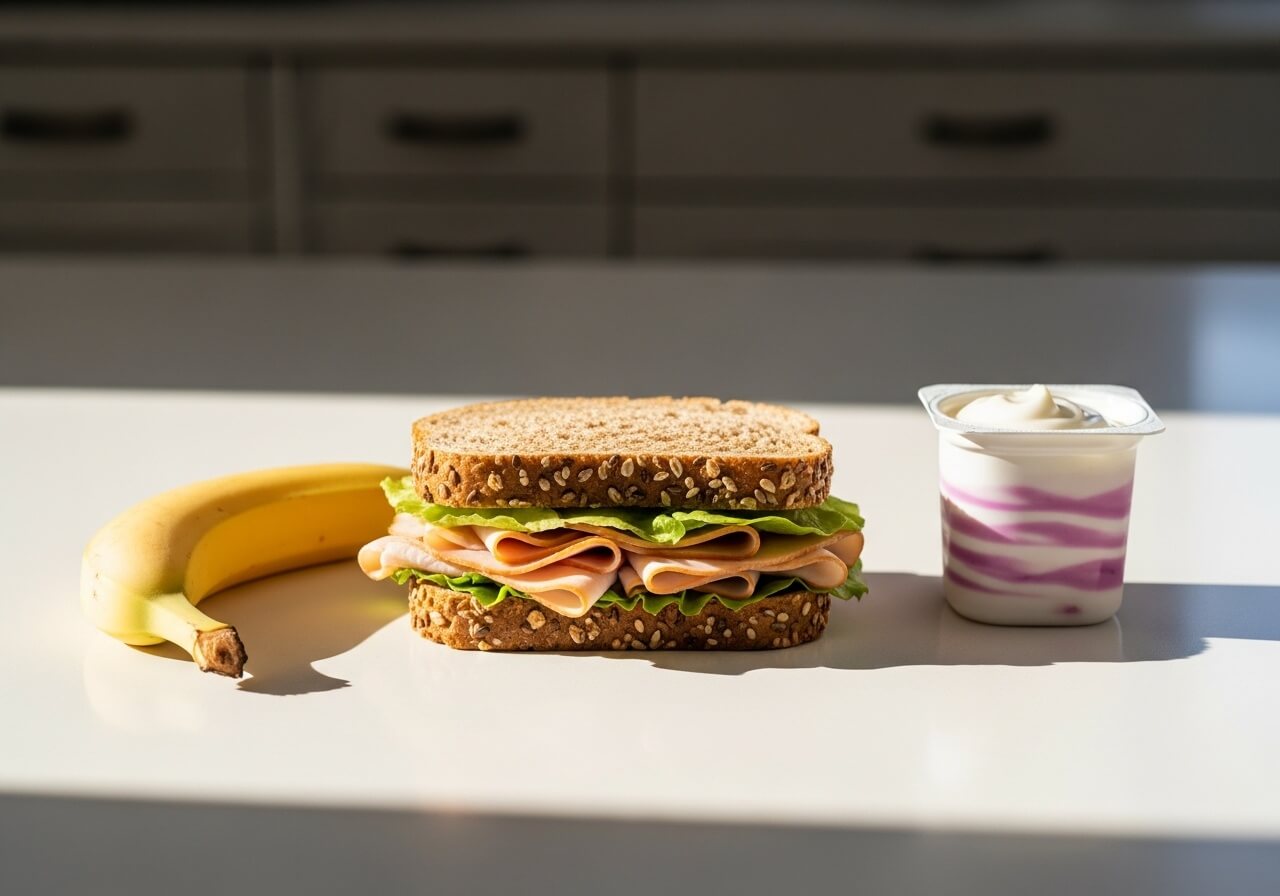
Include protein in whatever meal or snack you eat next, but treat this as part of your normal daily routine. A sandwich, chicken with rice, Greek yogurt with granola, or dinner leftovers all work equally well. No special post-workout meal required.
The real advantage comes from ensuring you eat enough protein across your entire day—whether that’s around 0.7 to 1 gram per pound of body weight spread across meals. This consistency matters far more than whether you eat 15 minutes or 75 minutes after exercise.
Signs you might be overcomplicating nutrition timing
Red flags of timing obsession
If you find yourself stressed about missing a 30-minute window, or consuming protein shakes you don’t actually enjoy just to hit an arbitrary deadline, you’re likely overcomplicating things. Similarly, if post-workout nutrition anxiety prevents you from training when you can’t immediately follow up with food, the rule is working against you.
Another red flag: believing one delayed meal ruins weeks of training. One late post-workout meal has no meaningful impact on your progress. Your body responds to patterns over days and weeks, not to whether lunch was at 12:30 or 1 p.m.
What actually drives recovery results
Recovery depends on consistent behaviors: eating enough total protein, getting adequate sleep, managing training load, and staying hydrated. These factors outweigh any benefit from hitting a specific 30-minute eating window. You could have perfect post-workout timing but poor sleep and see worse results than someone with flexible meal timing and solid sleep habits.
Building a sustainable eating pattern that fits your life matters more than perfecting one meal. If rushing home for a post-workout shake stresses you out or costs money you’d rather save, that’s not a worthwhile trade-off.
FAQ
Does the anabolic window exist for everyone?
The anabolic window exists—your muscles do respond to the stimulus of exercise and the availability of nutrients. But it’s not a universal 30-minute deadline. The practical window is wider for people who ate before training and narrower for people who trained fasted. For single-session training after a regular meal, the timing flexibility is quite broad.
How soon after working out should I eat something?
If you trained fasted, eating within an hour with both protein and carbs is a reasonable target. If you ate one to two hours before training, eating anytime within a few hours works fine. Let hunger and convenience guide you—there’s no penalty for waiting 90 minutes if you’re not hungry or can’t eat immediately.
Is protein timing more important than total daily protein?
No. Total daily protein is far more important. You could eat most of your protein at dinner and still support recovery better than someone who scatters insufficient protein throughout the day despite perfect post-workout timing. Focus first on hitting your daily target across meals, then consider post-workout timing as a secondary detail.
Can I skip post-workout nutrition if I eat well throughout the day?
Yes, if your daily protein and calorie intake is adequate and your next meal comes within a few hours. Post-workout nutrition is one tool in your recovery toolkit, not a non-negotiable requirement. Your overall daily eating pattern matters most.
Conclusion
The recovery nutrition window myth has created unnecessary pressure around a simpler reality. For most people, eating adequately throughout the day and including protein in regular meals matters far more than racing against a 30-minute clock. Focus on building an eating pattern you can actually sustain, and let convenience guide your post-workout timing. Your consistent daily habits will drive recovery far more effectively than any single perfectly timed meal.