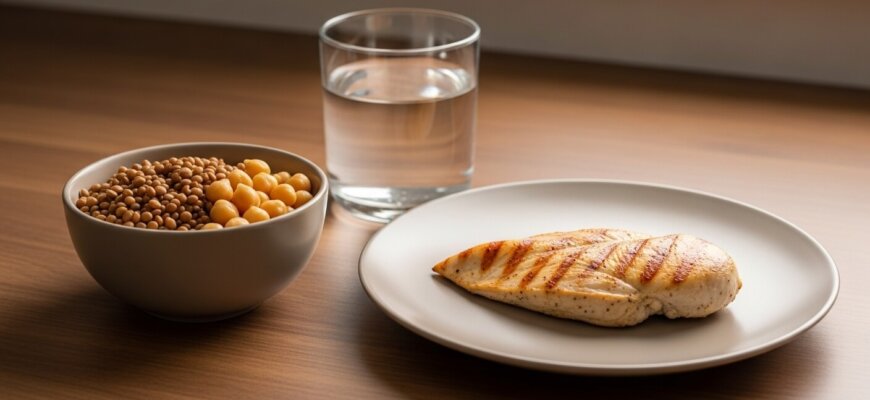
Building muscle requires adequate protein, but whether you choose plant-based or animal protein for muscle growth affects how you plan your meals and recovery. This comparison breaks down the practical differences between these protein sources, so you can match your choice to your training goals and digestive response.
- How Animal and Plant Proteins Actually Build Muscle
- What Animal Protein Delivers for Muscle Repair
- Complete Plant Proteins That Match Muscle Performance
- Side-by-Side Performance Comparison for Lifters
- Leucine Content and Muscle Protein Synthesis Differences
- Digestibility and Post-Workout Timing Factors
- Choosing Based on Your Training Style and Body Response
- Athletes Who Benefit Most From Animal Protein Sources
- When Plant Proteins Outperform Animal Options
- Frequently Asked Questions
- Can you build the same amount of muscle with plant protein as animal protein?
- What are the best complete plant proteins for muscle growth?
- How much protein should I consume post-workout for maximum muscle gains?
- Conclusion
How Animal and Plant Proteins Actually Build Muscle
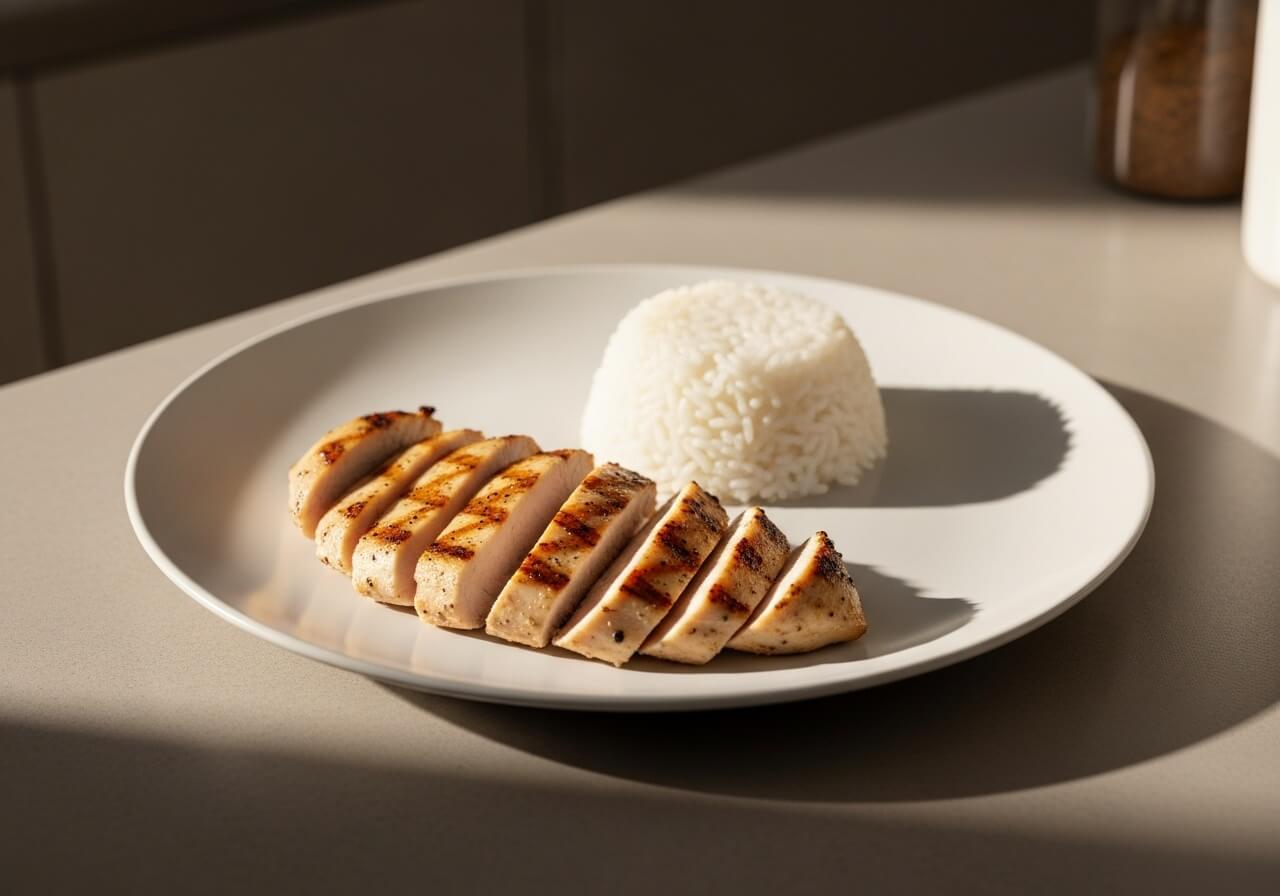
Both protein types trigger muscle repair and growth, but they work through different pathways with distinct practical implications.
What Animal Protein Delivers for Muscle Repair
Animal proteins contain all nine indispensable amino acids in ratios that closely match human muscle tissue. This completeness matters because your muscles cannot synthesize new tissue without every amino acid present simultaneously. Animal proteins are also highly digestible—your body absorbs 90-95% of the amino acids you consume, and they reach your bloodstream quickly.
This combination creates a strong acute muscle protein synthesis response. A 25-30g serving of animal protein produces a measurable spike in this response within an hour of consumption, making it efficient for post-workout recovery.
Complete Plant Proteins That Match Muscle Performance
Plant proteins vary widely in quality. Soy contains all nine indispensable amino acids and has a digestibility profile closer to animal protein than most plant sources. Controlled research shows that well-formulated plant protein blends—such as pea combined with rice—can produce similar resistance training adaptations to animal protein when total daily intake is optimized.
However, most individual plant foods (lentils, chickpeas, beans, nuts) lack one or more indispensable amino acids. This typically requires either larger servings, protein blends, or strategic food combinations—a planning layer that animal protein doesn’t require.
Side-by-Side Performance Comparison for Lifters
Leucine Content and Muscle Protein Synthesis Differences
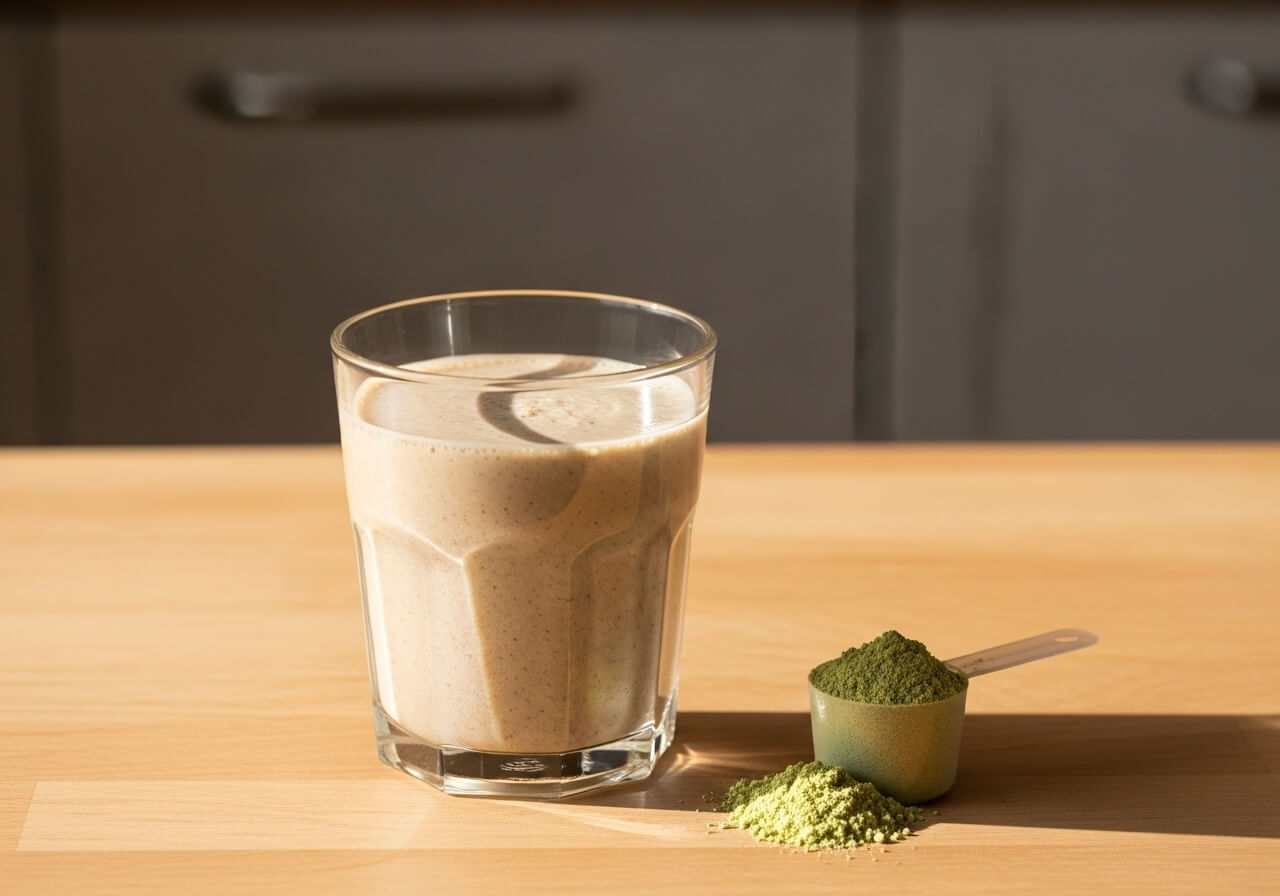
Leucine is an amino acid that triggers muscle protein synthesis. Animal proteins typically contain 8-11% leucine by weight, while many plant proteins contain 5-8%. A 25g serving of animal protein delivers roughly 2-2.5g of leucine, whereas the same serving of a typical plant protein delivers 1.2-2g.
This gap matters most in the immediate post-workout window when your muscles are primed to respond. However, a 2025 meta-analysis found no significant difference in muscle strength gains between plant and animal protein groups, even though plant protein produced slightly lower muscle mass on average. When analyzing soy and milk protein separately, the differences in muscle mass disappeared.
The practical implication: if your primary goal is getting stronger rather than maximizing muscle size, the protein source becomes less critical than total daily protein intake and consistent training.
Digestibility and Post-Workout Timing Factors
Animal proteins absorb faster and more completely than most plant proteins. This speed advantage is most relevant in the 30-90 minutes immediately after resistance training.
Yet digestibility differences matter less when overall protein intake and training are properly managed. Research comparing vegan protein muscle building outcomes to omnivorous diets shows that athletes consuming 1.8-2.0g of protein per kilogram of body weight daily from mixed plant sources may achieve comparable strength and muscle gains to omnivorous athletes on the same total protein intake—provided the plant sources are well-chosen or formulated.
Choosing Based on Your Training Style and Body Response
Athletes Who Benefit Most From Animal Protein Sources
High-volume lifters performing 15-20+ weekly sets per muscle group benefit from animal protein’s efficiency. You get complete amino acid profiles and high leucine density in smaller servings, reducing bloating or digestive discomfort during intense training phases.
Athletes prioritizing convenience find animal protein simpler: a shake with whey, Greek yogurt, or chicken hits adequate leucine in one serving without requiring protein blends or strategic combining.
Lifters with slower digestion sometimes tolerate animal protein better than plant blends. Some plant-based isolates cause bloating despite being nutritionally complete, making consistent consumption difficult.
Athletes in caloric surplus can leverage animal protein’s density—you get more muscle-building stimulus per calorie, allowing slightly smaller servings while hitting your targets.
When Plant Proteins Outperform Animal Options
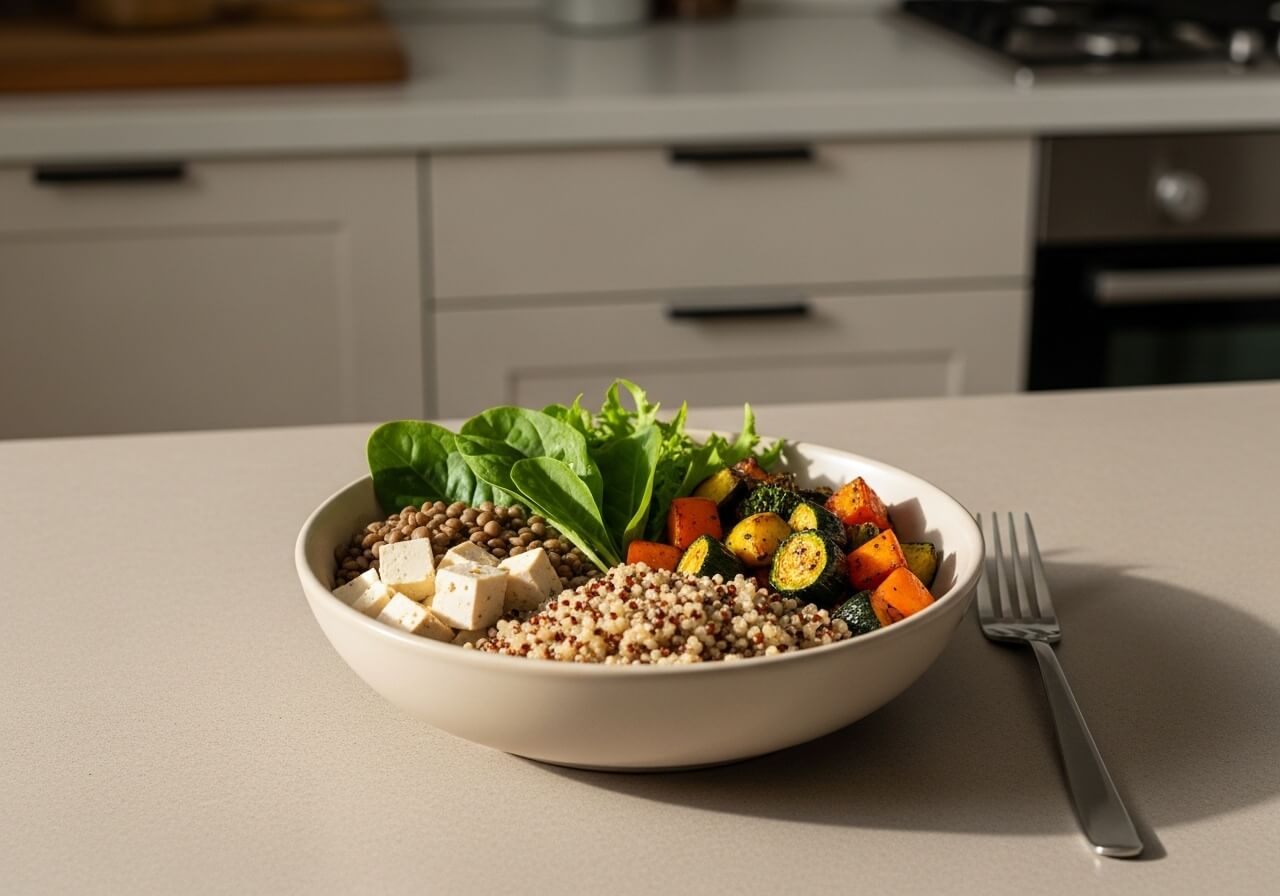
Vegan and vegetarian athletes choosing plant protein can achieve measurable muscle gains with proper planning. The strategy: consume slightly higher total daily protein amounts (closer to 2.0g per kg), emphasize complete plant proteins like soy or pea-rice blends, and distribute protein evenly across meals.
Athletes with dairy or meat intolerances benefit from plant-based alternatives that don’t trigger digestive distress. Consistency in training and recovery matters more than any single nutrient source.
Lifters in caloric deficit (cutting body fat) sometimes find plant proteins helpful: they’re often lower in calories per serving than animal sources, and their higher fiber content promotes satiety. You feel fuller longer on the same protein intake, making a calorie deficit more sustainable.
Athletes seeking variety reduce monotony and potential nutrient gaps by rotating between soy, pea, hemp, and legume-based proteins, which provide different micronutrient profiles than relying only on whey or chicken.
Frequently Asked Questions
Can you build the same amount of muscle with plant protein as animal protein?
Yes, if total daily protein intake and training are optimized. Research shows no significant difference in strength gains between groups consuming equivalent total protein from plant or animal sources. Muscle mass gains may be slightly lower with plant protein on average, but this difference is small and often disappears when plant protein is well-formulated (like soy isolate or pea-rice blends) and total daily intake is adequate.
What are the best complete plant proteins for muscle growth?
Soy protein isolate is the single most effective plant protein for muscle building in current research. Pea-rice protein blends are effective when combined—neither is complete alone, but together they form a complete amino acid profile with adequate leucine. Hemp, sacha inchi, and algae-based proteins are emerging options but have less research behind them. Whole-food sources like lentils and chickpeas support muscle growth but require combining with other plant foods or consuming larger servings. For consistency and convenience, formulated blends or isolates outperform relying on whole-food combinations alone.
How much protein should I consume post-workout for maximum muscle gains?
The post-workout window is less critical than your total daily protein intake. Research suggests 20-40g of protein containing at least 1.8-2.5g of leucine is sufficient to trigger muscle protein synthesis. Animal proteins typically achieve this in a 25-30g serving; plant proteins often require 30-40g. However, spreading protein evenly across 4-5 meals (0.4-0.5g per kg body weight per meal) produces similar muscle growth to clustering protein immediately post-workout. An 80kg lifter consuming 160g total daily protein across four meals gains muscle effectively regardless of precise post-workout timing.
Conclusion
Understanding the animal vs plant protein debate for muscle growth comes down to execution rather than choosing a superior option. Start by establishing your daily protein target (1.6-2.0g per kg body weight), choose a protein source you can stick with consistently based on your digestive response and values, and assess your results after 8-12 weeks of training. Small adjustments based on actual outcomes matter more than finding the theoretically perfect protein source.