
Understanding nutrient timing by workout type can improve both performance and recovery. The key difference: cardio sessions over 60 minutes benefit from carbohydrate intake during exercise, while strength training requires a balance of carbohydrate and protein before training. This guide breaks down practical strategies for fueling your body effectively based on whether you’re running, cycling, or lifting weights.
- Preparing Your Body for Effective Workouts
- Pre-Cardio Fueling: Lighter Carbs for Endurance
- Pre-Strength Fueling: Sustained Energy for Power
- Fueling During Your Exercise Sessions
- Intra-Workout Hydration and Energy for Extended Cardio
- When Intra-Workout Fuel is Needed for Strength Training
- Accelerating Recovery and Growth Post-Workout
- Post-Cardio Replenishment: Glycogen and Electrolytes
- Post-Strength Repair: Protein Window for Muscle Synthesis
- Common Mistakes in Workout Nutrition Timing
- Overeating or Undereating Before Exercise
- Neglecting Hydration and Micronutrients
- Customizing Your Nutrient Strategy to Your Goals
- Adjusting for Fat Loss vs. Muscle Gain Objectives
- Considering Individual Sensitivities and Preferences
- FAQ
- How does cardio nutrition timing differ from strength training fuel needs?
- Is pre-workout carbs timing always necessary, or just for certain workouts?
- What’s the real importance of the post-workout protein window?
- Conclusion
Preparing Your Body for Effective Workouts
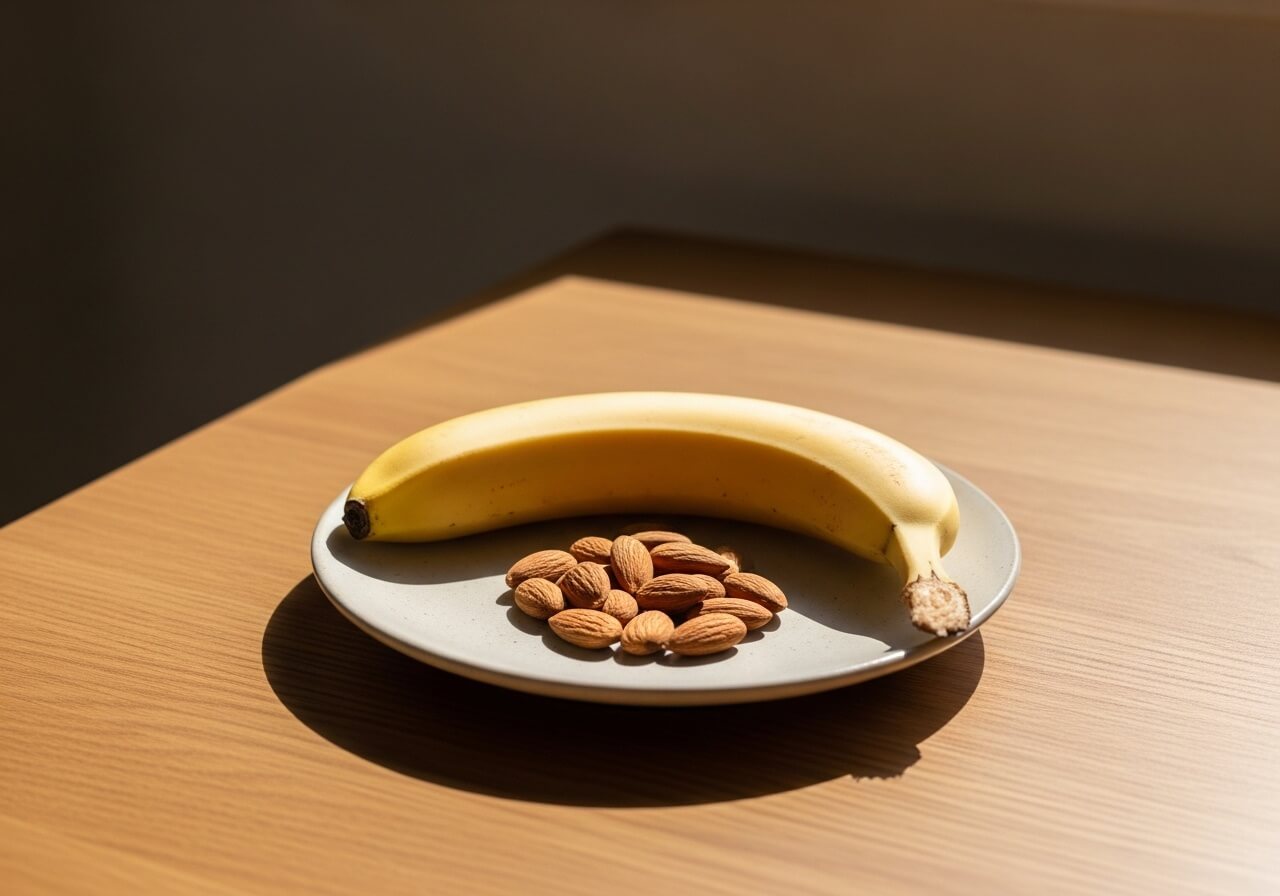
What you eat before exercise affects your energy levels and how long you can maintain effort. Pre-workout nutrition differs between cardio and strength training.
Pre-Cardio Fueling: Lighter Carbs for Endurance
For cardio sessions under 60 minutes, a small carbohydrate-focused meal 1–2 hours before exercise is often sufficient. This might be a banana with almonds or toast with jam.
For runs, cycling sessions, or rowing workouts extending beyond 60 minutes, eating a moderate carbohydrate meal 1–2 hours beforehand becomes more important. Oatmeal with berries or white rice with lean chicken helps stabilize blood sugar during extended effort and delays fatigue.
Pre-Strength Fueling: Sustained Energy for Power
Strength training requires more deliberate pre-workout planning. Research suggests consuming 0.5–2.2 grams of carbohydrate per kilogram of body weight paired with 0.3–0.35 grams of protein per kilogram, eaten 1–4 hours before your session. For a 70-kilogram person, this translates to roughly 35–154 grams of carbohydrate and 21–25 grams of protein.
A practical example: 2 cups of cooked oats with 2 eggs and orange juice about 2 hours before lifting. Eating this far in advance allows digestion to complete, so you’re not training on a full stomach.
Fueling During Your Exercise Sessions

Short workouts—strength sessions under 60 minutes or easy cardio under 45 minutes—typically don’t need intra-workout nutrition. Extended or high-intensity efforts do.
Intra-Workout Hydration and Energy for Extended Cardio
When performing cardio for longer than 60 minutes, consuming 30–60 grams of carbohydrate per hour via a 6–8% sports drink solution may help sustain glycogen levels. Drinking about 1 cup of a standard sports drink every 15 minutes achieves this target.
Hydration matters independent of carbohydrates. Losing more than 2% of your body weight in fluid during exercise can degrade performance. A practical approach: drink enough so you’re not visibly thirsty and your urine remains pale by the next morning.
When Intra-Workout Fuel is Needed for Strength Training
Most strength training sessions under 60 minutes don’t require fuel during the workout. Your pre-workout meal provides sufficient energy. Exception: very long training days with multiple 2+ hour sessions. Sipping a carbohydrate drink between sessions may help prevent glycogen depletion.
Accelerating Recovery and Growth Post-Workout
Post-workout nutrition has a wider time window than popular fitness culture suggests, which simplifies meal planning.
Post-Cardio Replenishment: Glycogen and Electrolytes
After long cardio sessions (60+ minutes), eating carbohydrates with some protein within 2–3 hours helps refill glycogen stores. A turkey sandwich on whole-grain bread with chocolate milk provides both carbohydrates and protein for recovery.
If you sweated heavily during intense cardio lasting over 90 minutes, including a salty snack or electrolyte drink during the first hour after exercise may help your body retain fluid and speed rehydration.
Post-Strength Repair: Protein Window for Muscle Synthesis
Research suggests consuming 0.4–0.5 grams of protein per kilogram of lean body mass—approximately 20–40 grams for most people—within 3–4 hours after training may maximize muscle-building response. You don’t need to eat protein within 30 minutes of finishing.
A practical example: if you finish lifting at 5 p.m., eating a protein-rich meal anytime before 8 p.m. fits within this window. What matters is consuming adequate protein that afternoon or evening, not the exact minute.
Common Mistakes in Workout Nutrition Timing

Overeating or Undereating Before Exercise
Eating too much too close to your workout causes digestive discomfort. Eating too little leads to hitting a wall midway through. The solution: eat a balanced meal containing carbohydrate and protein 2–3 hours before exercise. If you’re hungry closer to start time, have a small snack like a banana 30–45 minutes beforehand.
Test your tolerance during easier training sessions, not competition days. Undereating before a long workout sets you up to feel depleted. If you’re training for more than 60 minutes, adequate pre-workout fuel enables better performance.
Neglecting Hydration and Micronutrients
People often focus on protein and carbohydrate timing but overlook hydration and electrolyte replacement. If you’re regularly thirsty during workouts or performance drops noticeably, dehydration is likely the culprit. Drinking water consistently throughout the day is the foundation; during extended cardio, a sports drink provides both fluid and carbohydrate.
Potential micronutrient deficiencies (particularly iron, zinc, and B vitamins) are addressed through overall daily nutrition quality rather than special timing around workouts.
Customizing Your Nutrient Strategy to Your Goals
Adjusting for Fat Loss vs. Muscle Gain Objectives
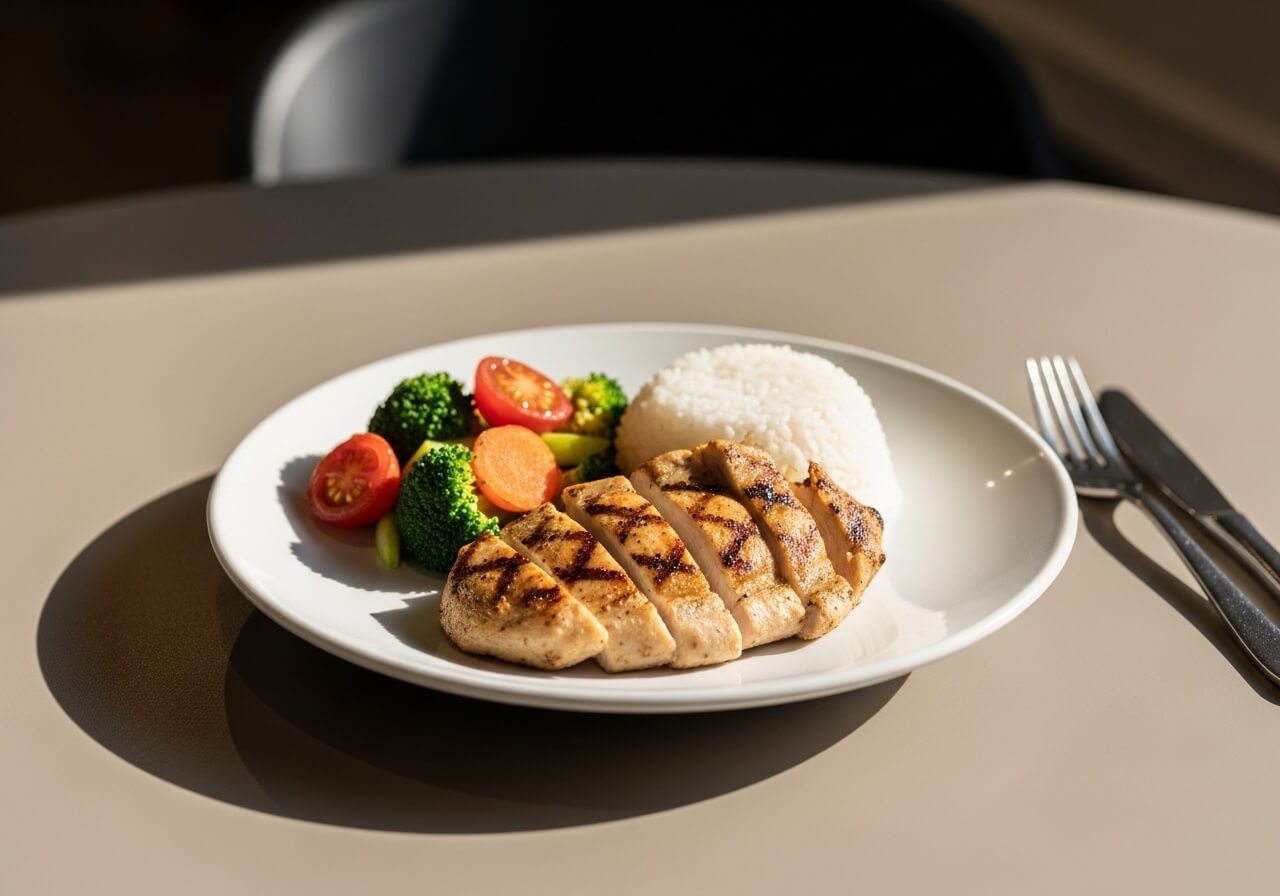
For fat loss, rely on a pre-workout meal 2 hours before training and a post-workout meal 3 hours after, without adding extra snacks. This creates a modest calorie deficit while still providing sufficient fuel. A 150-pound person might eat at 4 p.m., train at 6 p.m., and eat dinner at 8 p.m.
For muscle gain, consume 0.5 grams of protein per kilogram of lean body mass after strength training (rather than the minimum 0.4g/kg) combined with higher total daily protein intake. Eating a protein-rich meal or snack within a few hours after training aligns with this goal.
Considering Individual Sensitivities and Preferences
Some people feel sluggish eating immediately before exercise; others perform better on a full stomach. Rather than following a generic plan, use the timing windows described earlier and adjust specific foods based on what your body tolerates.
If you have a sensitive stomach, prioritize simpler carbohydrates and lean proteins eaten 3–4 hours before exercise rather than 1–2 hours. Individual response varies; these guidelines provide a starting framework, not a rigid prescription.
FAQ
How does cardio nutrition timing differ from strength training fuel needs?
Cardio lasting beyond 60 minutes may benefit from fuel during the activity—about 30–60 grams of carbohydrate per hour via a sports drink. Strength training typically doesn’t require intra-workout fuel because sessions are shorter. Pre-workout nutrition also differs: cardio works well with lighter carbohydrate fueling 1–2 hours before, while strength training benefits from more substantial carbohydrate and protein 1–4 hours prior.
Is pre-workout carbs timing always necessary, or just for certain workouts?
Pre-workout carbs are most relevant for extended efforts (cardio over 60 minutes or high-intensity sessions) or training when you’re starting with low energy reserves. A short 30-minute strength session or 20-minute easy run may not require a dedicated pre-workout meal if you’ve eaten a normal breakfast or lunch earlier that day.
What’s the real importance of the post-workout protein window?
Research suggests muscle-building response is supported by consuming adequate protein within 3–4 hours after training, not within a strict 30-minute window. This removes the anxiety around immediate post-workout eating. Total daily protein intake and calorie balance over weeks matter more than precise timing—post-workout nutrition is a helpful tool, not a strict requirement for progress.
Conclusion
Matching your nutrient timing to your workout type—lighter carbs before cardio, carbs and protein before strength training, and adequate protein within a few hours after—provides a practical framework for better performance and recovery. Start by identifying whether your next workout is short or long, choose your fueling accordingly, and notice how you feel. This simple approach builds consistency without unnecessary complexity.