
What you eat after exercise directly impacts how quickly your body recovers and adapts. Understanding the specific post workout meal components your body needs—and when to consume them—makes the difference between recovering stronger and spinning your wheels. This article breaks down which nutrients matter most, practical amounts to include, and what the research actually shows about timing.
- Protein amounts for muscle repair after exercise
- How much protein your body actually uses for recovery
- Best protein sources ranked by absorption speed
- Carbohydrate timing to restore glycogen stores
- The 30-minute glycogen window research actually shows
- Simple vs complex carbs: which works better when
- Healthy fats for sustained energy release
- Which fats support inflammation control without slowing digestion
- How much fat to include without compromising nutrient timing
- Hydration strategies beyond just water
- When plain water isn’t enough for workout recovery
- Signs you’re under-replacing lost minerals
- Micronutrient focus for recovery acceleration
- Magnesium, Vitamin D, and Zinc most athletes overlook
- Food sources that deliver multiple recovery nutrients together
- Meal timing windows that actually matter
- The truth about the 30-minute anabolic window
- What happens if you eat your recovery meal 2 hours later
- FAQ
- Should I eat a post-workout meal if I exercise in the evening?
- Does the type of exercise change what I should eat afterward?
- Can I meet my recovery needs with whole foods alone?
- Conclusion
Protein amounts for muscle repair after exercise
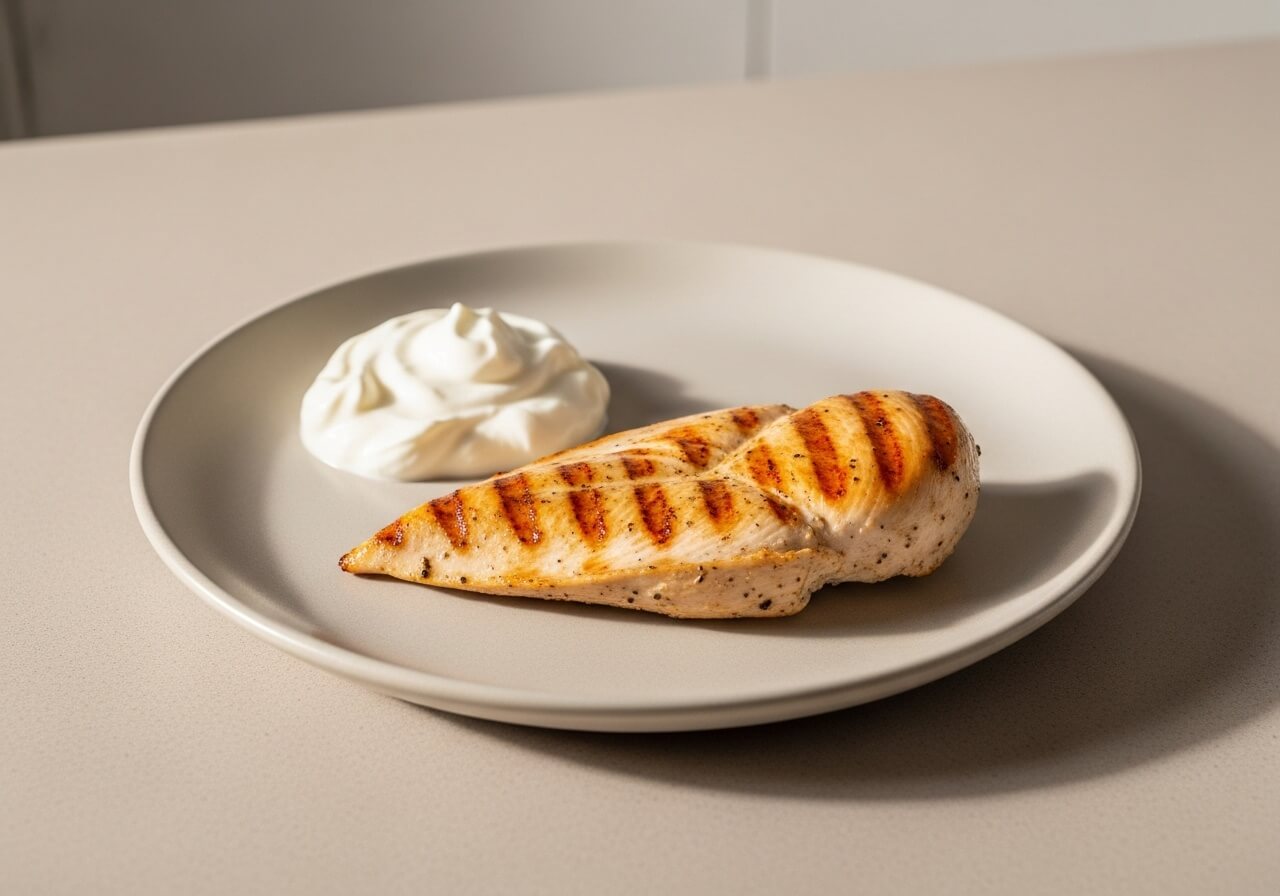
After strength training or intense activity, your muscles need amino acids to repair damage and build back stronger. A practical target is 15–25 grams of protein soon after exercise, with some guidance allowing 20–40 grams depending on your body size, training type, and how much protein you’ve eaten throughout the day. Someone who weighs 130 pounds might aim toward the lower end; someone who weighs 200 pounds after a heavy leg session might aim higher.
How much protein your body actually uses for recovery
Your body can trigger muscle protein synthesis—the process of building new muscle tissue—with as little as 15–20 grams of quality protein in a single meal. Adding more protein in one sitting doesn’t multiply the recovery benefit beyond this threshold. What matters is hitting that amount consistently across meals throughout the day, not cramming excessive protein into one post-workout shake.
Best protein sources ranked by absorption speed
Protein quality matters because your body breaks down different sources at different rates. Fast-absorbing options like whey protein powder, eggs, Greek yogurt, and chicken breast get to work quickly. Slower-digesting proteins like cottage cheese, whole milk, and beef provide sustained amino acid release over several hours.
For immediate post-workout recovery, faster-absorbing sources work well because your muscles are primed to use amino acids right away. But slower proteins paired with other foods—like cottage cheese with fruit—also support recovery effectively because the benefit window is wider than many people assume.
Carbohydrate timing to restore glycogen stores
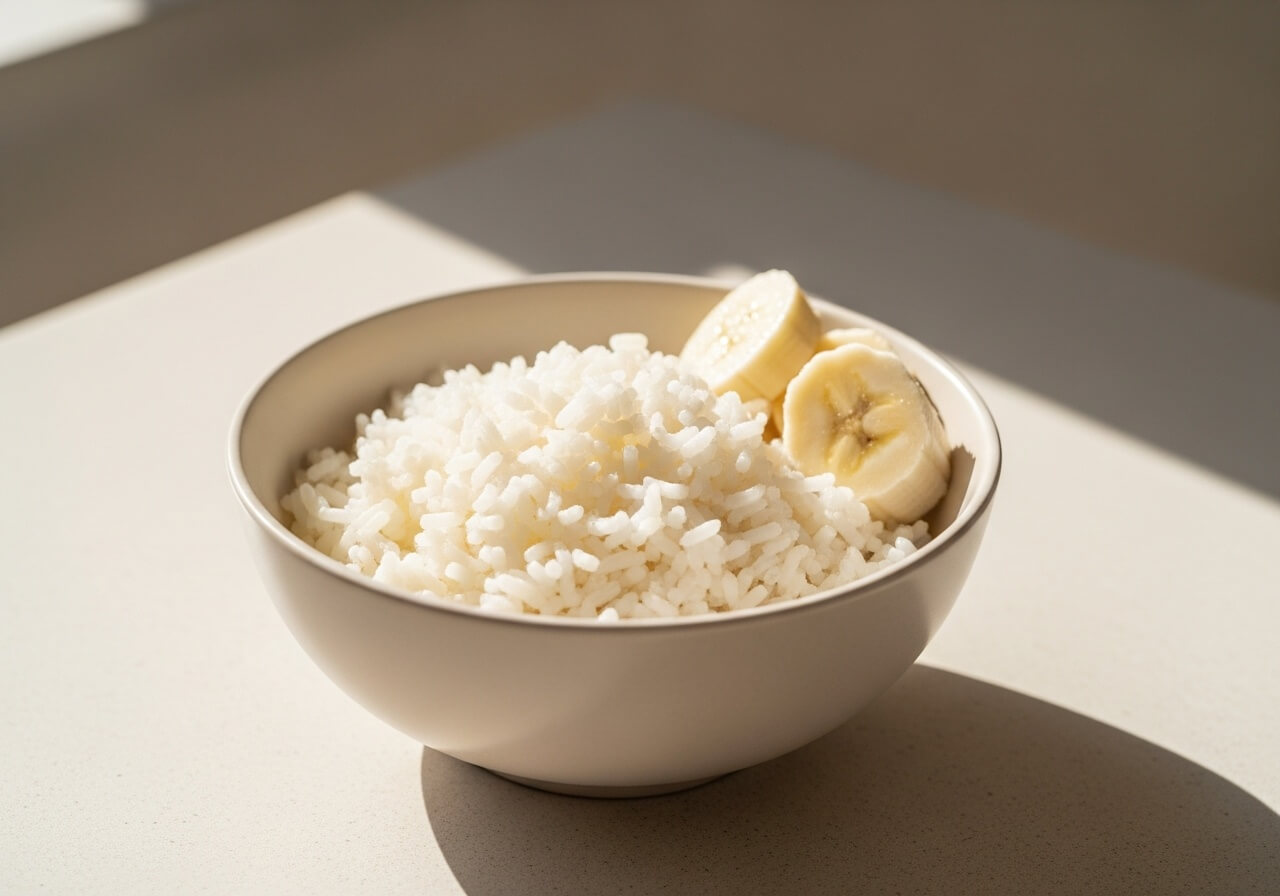
Carbohydrates replenish glycogen, the stored carbohydrate your muscles burn during exercise. The intensity and duration of your workout determine how much glycogen you’ve depleted and how urgently you need to refill it.
After a 30-minute weight-training session, your glycogen depletion is mild and your body can refill stores gradually over the next few hours. After a 90-minute running session or competitive sport, your glycogen is significantly depleted and faster replenishment makes a practical difference in how you feel at your next session.
The 30-minute glycogen window research actually shows
The old “30-minute window” suggests that eating carbs immediately after exercise is critical. The reality is more nuanced. Newer research shows protein and carbohydrate intake remains useful for several hours after exercise, especially if your workout was hard or you trained on an empty stomach.
If you ate a solid meal two hours before your 45-minute strength session, eating within the next two hours is perfectly adequate. If you trained fasted or did two hours of endurance work, eating within 30–60 minutes may help speed glycogen recovery and reduce fatigue.
Practical decision rule: if you’re training again within 8 hours or feel significantly fatigued after your workout, prioritize carbs sooner. If you’re doing one session per day and eat normally afterward, the tight timing matters less.
Simple vs complex carbs: which works better when
Simple carbs like white rice, bagels, fruit, or sports drinks raise blood sugar and refill glycogen quickly. Complex carbs like oats, sweet potatoes, and whole grain bread take longer to digest and provide steadier energy.
Immediately after exercise, simple carbs work faster if glycogen depletion is severe. But pairing simple carbs with protein—like toast with peanut butter or white rice with chicken—slows digestion slightly and prevents a blood sugar spike followed by a crash. Most realistic recovery meals include both: some carbs that digest quickly plus protein and whole foods for satiety.
Healthy fats for sustained energy release
Fat is not a primary recovery nutrient, but quality fats support sustained energy and may help reduce inflammation when included in reasonable amounts. The practical consideration: fat slows stomach emptying, which delays the arrival of carbs and amino acids to your muscles.
Which fats support inflammation control without slowing digestion
Unsaturated fats from sources like olive oil, nuts, seeds, and fatty fish support healthy inflammation response. Saturated fats from butter, fatty cuts of meat, and full-fat dairy digest more slowly than unsaturated options but aren’t harmful in recovery meals.
For a post-workout meal where fast carb and protein delivery matters, moderate the total fat content. A chicken breast with rice and a drizzle of olive oil works better than the same meal topped with an extra handful of nuts or mayo-heavy sauce. If you’re eating 3+ hours after training, fat amount becomes less critical.
How much fat to include without compromising nutrient timing
Aim for 5–15 grams of fat in an immediate post-workout meal if you want carbs and protein to absorb relatively quickly. This might mean a small handful of nuts, a teaspoon or two of oil, or the natural fat in Greek yogurt. A full avocado or a heavy cream sauce becomes excessive when you’re trying to support rapid recovery, though your body will still recover—it just takes longer.
Hydration strategies beyond just water

Sweat contains water and electrolytes, mainly sodium. Plain water replaces the water but not the minerals. After a light 30-minute gym session in a cool environment, water alone is usually sufficient. After intense exercise, heavy sweating, or training in heat, electrolyte replacement makes a practical difference in how quickly you rehydrate.
A simple test: if you’re still thirsty after drinking water, or if your mouth still feels dry within 15 minutes of finishing exercise, you likely need sodium along with fluid. Your body retains fluid better when salt is present, which is why sports drinks, electrolyte tablets, or even adding a pinch of salt to water works better than plain water alone for significant sweat losses.
When plain water isn’t enough for workout recovery
Plain water becomes inadequate primarily after sweaty, prolonged sessions—think 60+ minutes of running, cycling, or outdoor training in warm conditions. It’s also relevant if you trained hard, lost significant fluids, and need to rehydrate before your next session within 8 hours.
Practical example: after a 90-minute trail run on a warm day, drinking 20 ounces of plain water might leave you still feeling dehydrated. Adding sodium—through a sports drink, electrolyte powder, or even salty food like pretzels—helps your body hold onto that fluid and rebalance electrolyte levels.
Signs you’re under-replacing lost minerals
If you feel thirsty after drinking plain water, or if your urine remains dark and concentrated 1–2 hours after exercise, you likely haven’t replaced sodium adequately. Another sign: if you drank a lot of fluid but still feel lightheaded or fatigued by your next training session, sodium deficit may be part of the problem. For everyday recovery after moderate exercise, a regular meal plus water handles it. After intense sessions, adding 300–500 mg of sodium through food or a recovery drink may help.
Micronutrient focus for recovery acceleration
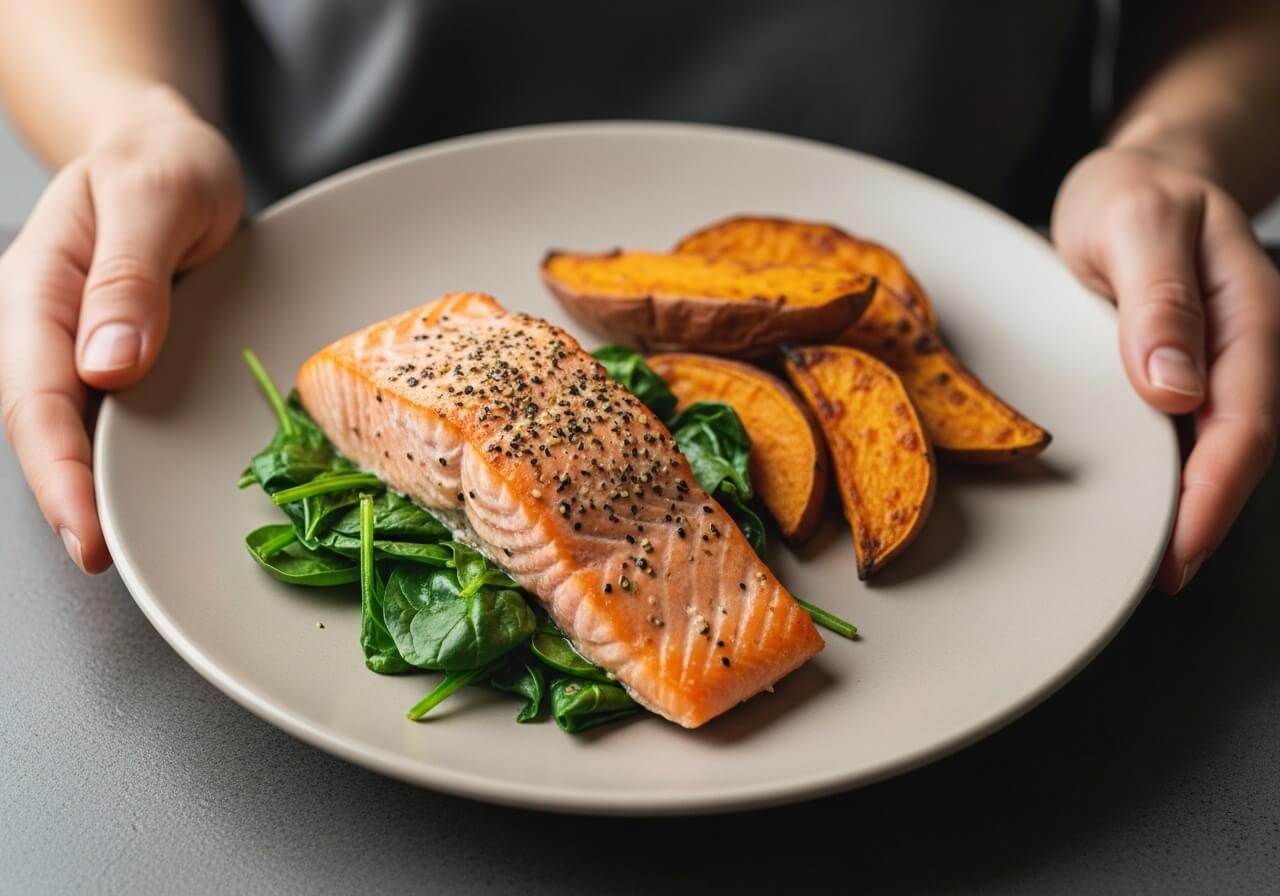
Beyond protein, carbs, and hydration, specific vitamins and minerals play active roles in muscle repair and reducing exercise-induced inflammation. Most athletes get enough through whole food meals, but a few deserve attention in your recovery meal checklist.
Magnesium, Vitamin D, and Zinc most athletes overlook
Magnesium helps muscles relax after contraction and plays a role in energy production. Vitamin D supports protein synthesis and immune function, both relevant to recovery. Zinc aids muscle repair and immune response.
Many diets lack adequate magnesium and Vitamin D, and intensive training can increase zinc needs. Rather than chasing individual supplements, include magnesium-rich foods like spinach, pumpkin seeds, and almonds; Vitamin D from fatty fish or egg yolks; and zinc from red meat, poultry, and legumes in your regular meals.
Food sources that deliver multiple recovery nutrients together
The simplest approach: eat whole foods that bundle recovery nutrients together. Eggs provide protein, selenium, and choline for muscle function. Salmon delivers protein, Vitamin D, selenium, and omega-3 fats. Greek yogurt with berries and nuts provides protein, probiotics, antioxidants, and magnesium. A chicken and sweet potato meal with spinach covers protein, carbs, Vitamin D, magnesium, and antioxidants. These combinations happen naturally when you build meals around quality protein, colorful vegetables or fruit, and whole carbs.
Meal timing windows that actually matter
Understanding when post-workout nutrition becomes less critical lets you stop obsessing over the exact minute you eat and start focusing on whether your overall recovery supports your training goals.
The truth about the 30-minute anabolic window
The “anabolic window”—a supposed critical 30-minute period where eating immediately after exercise is essential—is largely overstated. Your muscles’ sensitivity to amino acids and carbs does increase after exercise, but it doesn’t vanish at the 31-minute mark. It gradually decreases over hours. This means eating within 30 minutes is beneficial, but eating within 60–90 minutes still provides meaningful recovery support.
What happens if you eat your recovery meal 2 hours later
A delay of two hours doesn’t erase recovery. If you ate a solid meal within a few hours before training, your body has amino acids and carbs circulating in your bloodstream from that meal, which partially supports muscle repair even without an immediate post-workout meal.
The practical difference: if you train fasted and wait two hours before eating, recovery may be less optimized than eating within 60 minutes, especially if you’re training intensely or need to recover for another session soon. If you ate recently before training, a two-hour delay has minimal impact.
Decision rule: if you’re training once per day and eat regular meals, meal timing within a two-hour window works fine. If you’re training multiple times per day or training fasted, eating sooner (within 30–90 minutes) becomes more relevant.
FAQ
Should I eat a post-workout meal if I exercise in the evening?
A light evening workout followed by sleep doesn’t require a large recovery meal—your body recovers during sleep regardless. But if you did intense evening training and need to feel strong at your next session, a modest meal with protein and carbs helps with overnight recovery. A Greek yogurt with fruit, or a small chicken sandwich, is sufficient. You don’t need a large meal; you need the nutrients to support muscle repair, which happens during sleep.
Does the type of exercise change what I should eat afterward?
Yes. After strength training, protein is the priority, with moderate carbs. A meal like eggs and toast, or chicken with rice, fits well. After endurance exercise like running or cycling for 60+ minutes, carbs become equally important because glycogen depletion is significant. A meal with more carbs relative to protein—like pasta with chicken, or oats with Greek yogurt and berries—supports faster recovery. After a light 20-minute session, the recovery meal is less critical. Your regular meals throughout the day handle recovery adequately.
Can I meet my recovery needs with whole foods alone?
Yes. Protein powder, sports drinks, and recovery supplements are convenient, but whole foods work just as well. A post-workout meal of grilled chicken, white rice, and steamed broccoli covers protein, carbs, and micronutrients. Greek yogurt with granola and berries provides protein, carbs, and live cultures. A turkey sandwich with whole grain bread and a banana hits all the recovery marks. Use supplements if whole foods aren’t convenient, but they aren’t necessary for effective recovery.
Conclusion
Effective post-workout recovery doesn’t require complicated timing or exotic supplements. Start by building one solid recovery meal that combines adequate protein and carbs based on your training intensity. Add hydration with electrolytes after sweaty sessions, and include micronutrient-rich whole foods. These foundational post workout meal components support measurable improvements in how quickly you recover and how strong you feel in your next session.