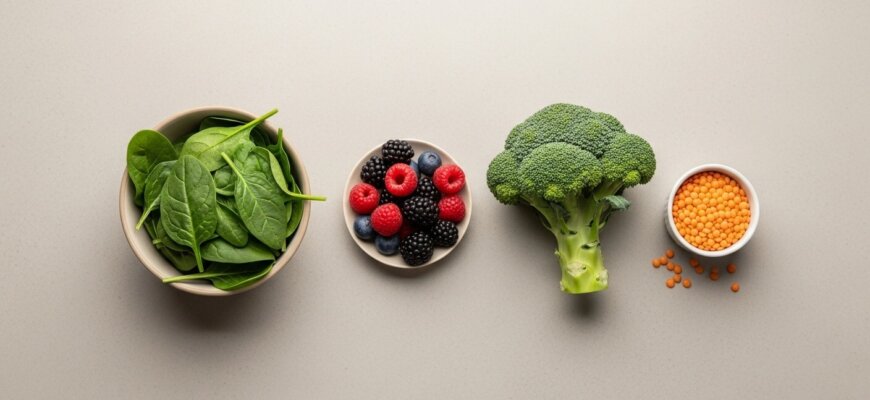
Your body needs quality fuel, not just calories. Nutrient density per calorie measures how much nutrition you get from each calorie you consume—a ratio that helps you identify foods that deliver vitamins, minerals, and other beneficial compounds without excessive energy intake. This guide shows you how to calculate this ratio and use it to make smarter food choices.
- What nutrient density per calorie actually measures
- How to calculate nutrient density for any food
- Three ways to score food quickly at the grocery store
- Spotting high nutrient foods low calorie by appearance
- Using food nutrient scoring apps and charts
- Reading labels for calorie efficiency nutrition clues
- Common mistakes that skew your nutrient calculations
- Overvaluing single nutrients instead of overall profile
- Ignoring portion sizes when comparing foods
- When to adjust your nutrient density focus
- Adjusting for activity levels and life stages
- Knowing when high-calorie dense foods become necessary
- FAQ
- How often should I recalculate food scores?
- Can processed foods ever score well on nutrient density?
- What’s the minimum number of foods I should track?
- Conclusion
What nutrient density per calorie actually measures
Nutrient density per calorie is a straightforward ratio: the amount of beneficial nutrients in a food divided by its calorie content. The higher the result, the more nutrition you’re getting from each calorie consumed. The American Heart Association defines nutrient-dense foods as those providing vitamins and minerals with relatively few calories.
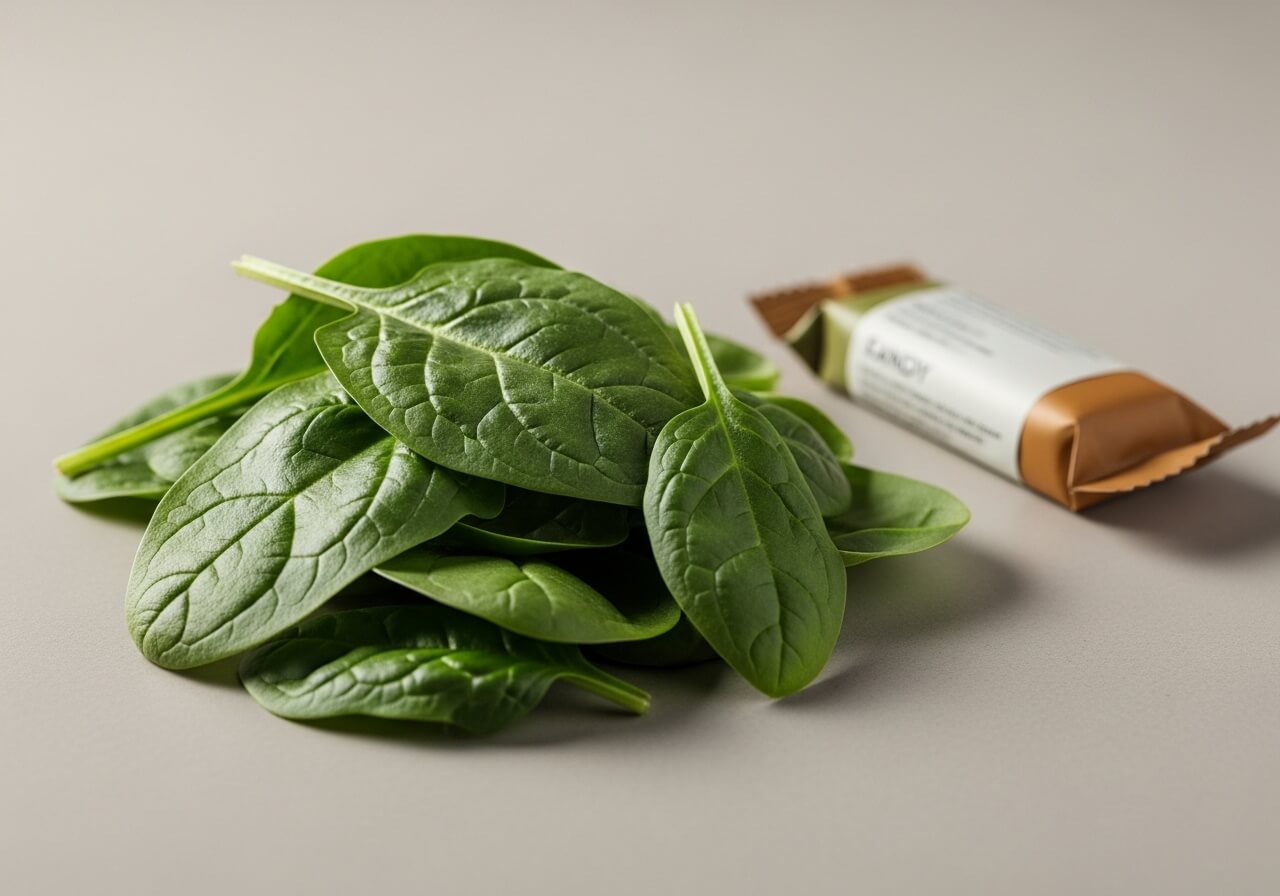
Think of it as an efficiency metric. A cup of raw spinach contains about 7 calories and substantial amounts of iron, magnesium, and vitamins A, C, and K. A candy bar with 250 calories delivers mostly sugar and fat. The spinach’s nutrient-to-calorie ratio vastly outpaces the candy bar’s, meaning spinach provides far more usable nutrition per unit of energy.
The numerator includes nutrients you care about—vitamins like C and D, minerals like potassium and iron, fiber, or protein. The denominator is the food’s calorie count. If broccoli has 55 calories per cup and provides 100% of your daily vitamin C, while orange juice has 110 calories per cup and provides 60% of your daily vitamin C, broccoli’s nutrient density for vitamin C is superior.
How to calculate nutrient density for any food
You don’t need complex software or lab data. A basic calculation takes seconds and relies on information already printed on food labels. The European Food Information Council explains that nutrient profiling methods calculate density by comparing nutrient content per 100 kcal against dietary recommendations.
Start by picking one or two nutrients you want to prioritize—fiber, protein, iron, or whatever your diet lacks. Don’t try to score every nutrient simultaneously. Find their amounts on the label, then divide by the calorie count. The larger the result, the more efficiently that food delivers that nutrient.
Take a concrete example comparing two breakfast options for fiber content:
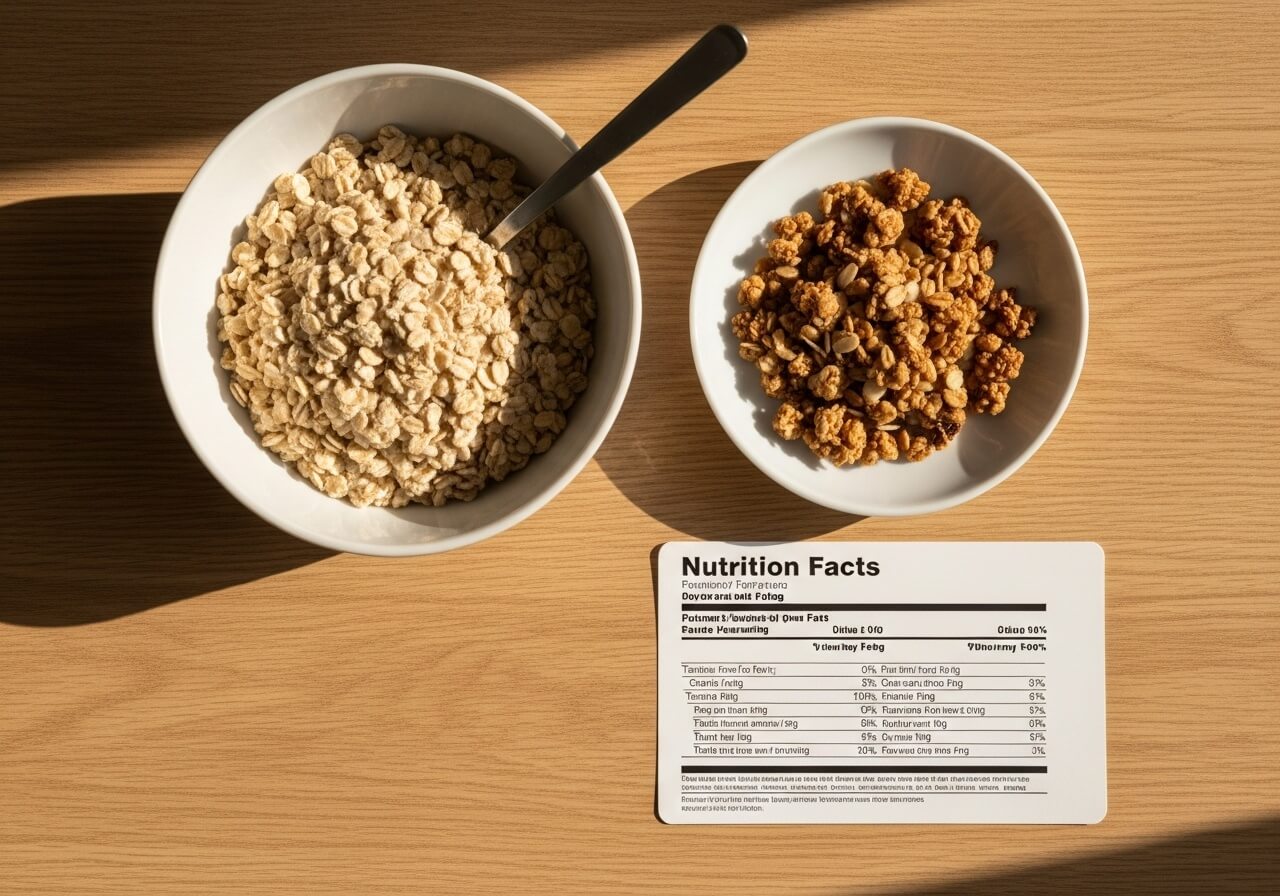
- Oatmeal (1 cup cooked): 150 calories, 8 grams fiber. Calculation: 8 ÷ 150 = 0.053 grams of fiber per calorie.
- Granola (1 cup): 600 calories, 10 grams fiber. Calculation: 10 ÷ 600 = 0.017 grams of fiber per calorie.
The oatmeal delivers roughly three times more fiber per calorie than granola, despite granola’s higher absolute fiber content.
Calculate this for foods you eat regularly. Within a couple of weeks, you’ll recognize patterns without doing the math each time.
Three ways to score food quickly at the grocery store
Shopping shouldn’t require a calculator. These shortcuts help you make informed choices without standing in the aisle doing math.
Spotting high nutrient foods low calorie by appearance
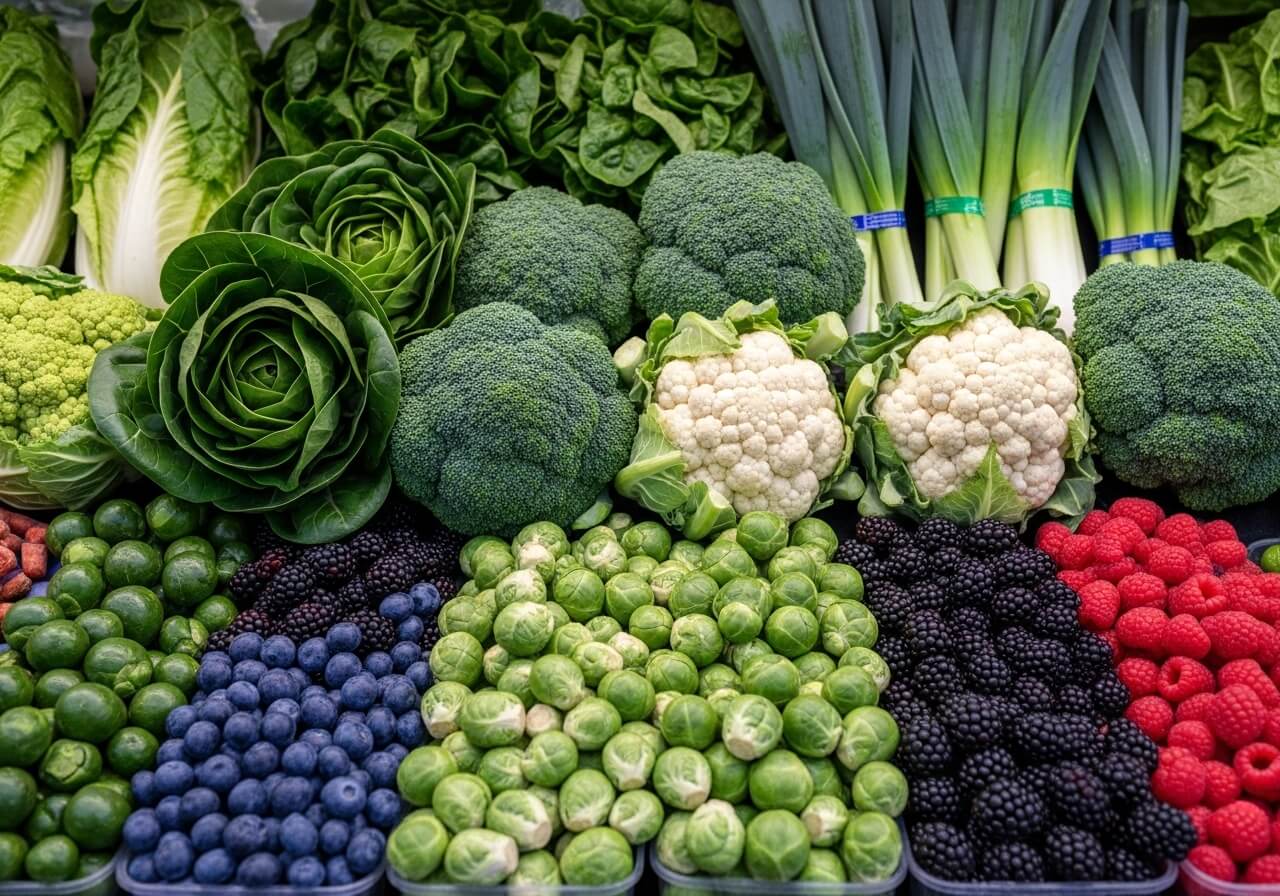
Certain foods signal high nutrient density before you read any label. Leafy greens—spinach, kale, collards—are uniformly low-calorie and nutrient-rich. Cruciferous vegetables like broccoli, cauliflower, and Brussels sprouts follow the same pattern. Berries tend to be less calorically dense than most fruits. Legumes like lentils and beans pack protein and fiber into modest calorie counts.
Color helps too. Bright, varied colors in produce typically indicate diverse micronutrients, while pale processed foods usually signal refined carbohydrates and added sugars.
Using food nutrient scoring apps and charts
Several free apps provide nutrient density scores for common foods. Enter the food name and serving size, and the app calculates density across multiple nutrients simultaneously. This removes guesswork and builds your intuition over time.
Printed nutrient density charts also exist. Search “nutrient density chart” online for free resources you can keep in your kitchen or on your phone. Use these tools to verify foods you eat most often, then rely on visual recognition for everything else.
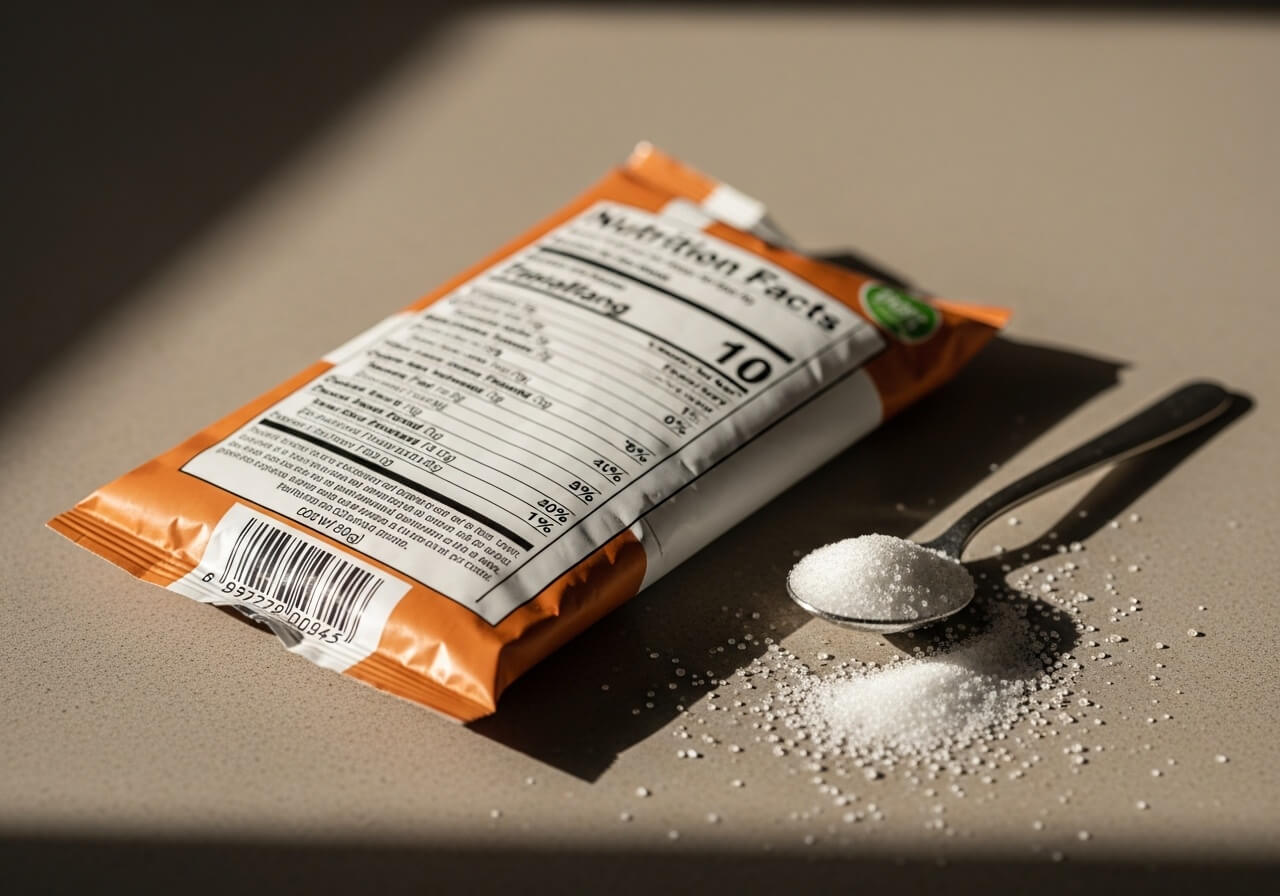
Reading labels for calorie efficiency nutrition clues
Look at three label metrics in this order:
- Calories per serving: This is your denominator.
- Priority nutrients: Find the grams or milligrams of fiber, protein, vitamin C, or whatever you’re tracking. This is your numerator.
- Added sugars and saturated fat: These should be low. If a food claims high vitamin content but derives a large percentage of its calories from added sugar, the nutrient density may be misleading.
Common mistakes that skew your nutrient calculations
Overvaluing single nutrients instead of overall profile
A yogurt marketed as “high in probiotics” doesn’t automatically score well on overall nutrient density if it contains 20 grams of added sugar per serving. A juice fortified with 100% daily vitamin C still delivers mostly empty calories if sugar is the primary ingredient.
Always consider the full nutrient profile. Does the food deliver multiple useful nutrients, or does it excel at one while failing elsewhere? A genuinely nutrient-dense food performs well across multiple metrics.
Ignoring portion sizes when comparing foods
Nutrition labels often list nutrients per serving, but serving sizes vary wildly between products. Always convert to a standard measure—per 100 calories or per 100 grams—before comparing foods. Otherwise, you’re making false conclusions about which food better serves your goals.
When to adjust your nutrient density focus
Nutrient density per calorie works well for most people most of the time, but context matters.
Adjusting for activity levels and life stages
Someone training for a marathon needs more total calories than someone sedentary. An athlete might intentionally eat calorie-dense foods like nut butter or dried fruit to meet energy needs without eating excessive volume. High nutrient density remains desirable, but absolute calorie intake becomes the primary constraint.
Children in growth phases, pregnant women, and older adults recovering from illness have higher caloric needs relative to their baseline. For them, some high-calorie foods become necessary despite lower nutrient density scores. The goal shifts from “maximize nutrients per calorie” to “meet total calorie needs while maintaining reasonable nutrient density.”
Knowing when high-calorie dense foods become necessary
Nuts have lower nutrient density per calorie than broccoli, but they’re not “bad.” They’re calorie-concentrated, which makes them useful when you need substantial calories in a small volume—for portable snacking, post-workout recovery, or meeting energy requirements for active individuals.
The key is intention. Understand why a food serves your current needs, not just whether it scores well on a density formula.
FAQ
How often should I recalculate food scores?
Once, when you first identify the foods you eat most often. After that, your mental model stabilizes and recalculation becomes unnecessary unless you shift to new foods or your nutritional priorities change.
Can processed foods ever score well on nutrient density?
Yes. Some canned vegetables retain nutrient density comparable to fresh versions and often cost less. Fortified cereals, while processed, can deliver useful micronutrients in modest calories. The processing itself doesn’t determine density; the final nutrient content relative to calories does.
What’s the minimum number of foods I should track?
Focus on the 8 to 12 items that comprise most of your regular diet. Calculate their nutrient density for your priority nutrients once. This gives you a reliable reference without creating burdensome complexity.
Conclusion
Start by calculating nutrient density for the foods you eat most frequently, focusing on two or three nutrients you actually want to improve. Use visual shortcuts and labels to make quick decisions at the grocery store. Over time, choosing nutrient-dense foods becomes intuitive rather than calculated.