Nutrient timing for workout recovery isn’t about rigid rules or hitting a narrow window perfectly. It’s about matching your food intake to what your body needs before, during, and after exercise. When you understand the basic principles, you can time your meals to support better performance and faster recovery—without stress or guesswork.
- Why nutrient timing drives better workout recovery
- How your body processes nutrients during different workout phases
- The 30-60 minute post-workout window: flexible, not absolute
- How to time your meals before, during, and after exercise
- Pre-workout meal timing: 1–4 hours before training starts
- Post-workout nutrition timing: within 30–60 minutes after exercise
- What stops nutrient timing from working for you
- Eating heavy meals too close to workout start time
- Missing the recovery window with delayed post-exercise meals
- Frequently asked questions
- What should I eat if working out first thing in the morning?
- Does timing matter more for strength training or cardio recovery?
- How soon after exercising should I eat my post-workout meal?
- Conclusion
Why nutrient timing drives better workout recovery
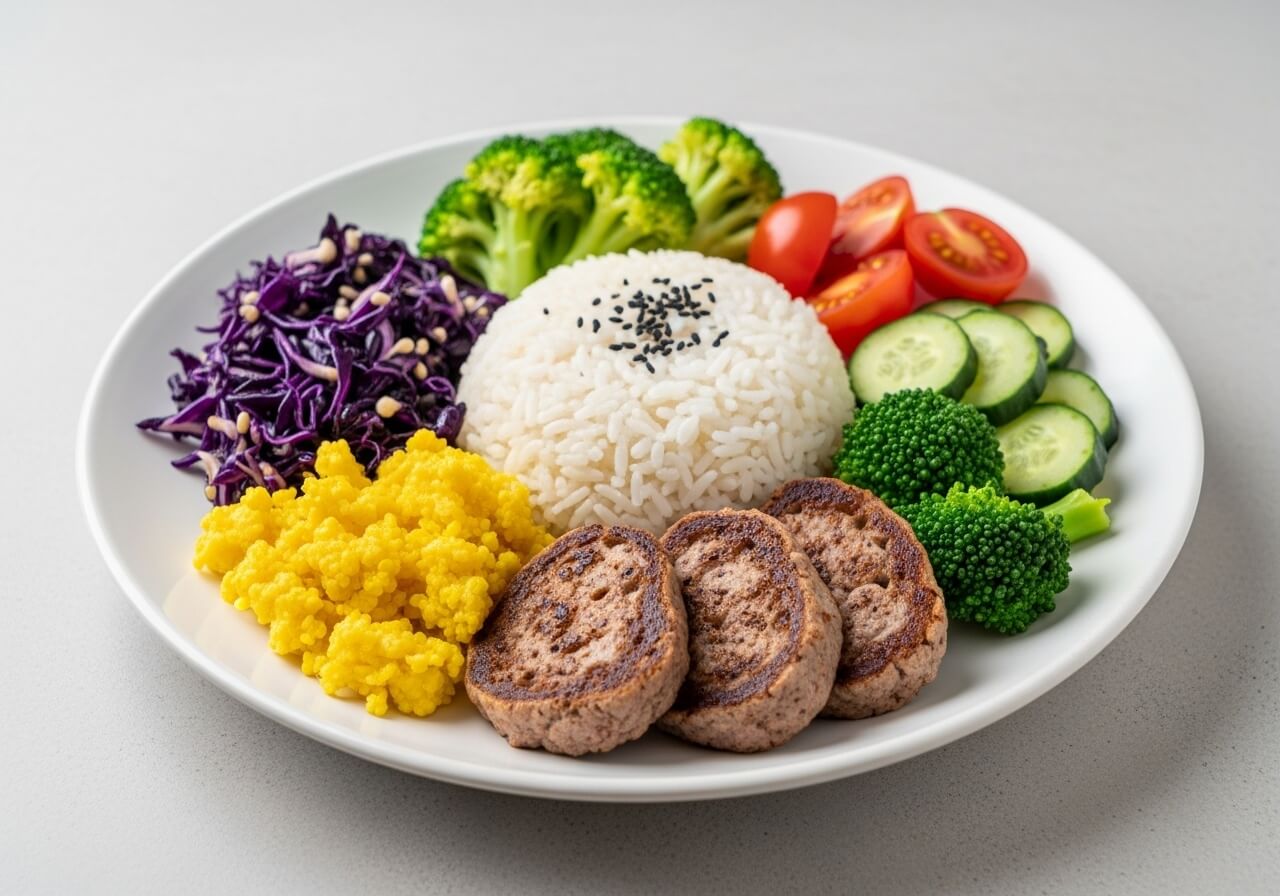
Your body’s fuel demands shift throughout exercise. Before training, you need available energy. During intense or prolonged sessions, muscles burn glycogen and break down protein. Afterward, your system is primed to absorb nutrients for repair and refueling.
Timing matters most in specific situations: when you train twice in one day, after long or high-intensity sessions, or when you need rapid refueling. If you have 24 hours between workouts, total daily intake becomes more important than exact meal timing.
How your body processes nutrients during different workout phases
During exercise, blood flow shifts to working muscles and away from your digestive system—which explains why heavy pre-workout meals cause discomfort. Your muscles tap stored glycogen for energy and experience microscopic damage that triggers repair pathways.
After exercise, blood flow gradually returns to digestion, and your muscles remain responsive to protein and carbohydrate for several hours. This extended window gives you flexibility in when you eat, though eating sooner may help when recovery time is short.
The 30-60 minute post-workout window: flexible, not absolute
The idea that you must eat within 30 minutes or lose all recovery benefits is oversimplified. Research suggests eating protein and carbohydrate soon after hard exercise does support glycogen restoration and muscle repair—especially if you’re training again within hours. But this window isn’t a hard cutoff.
If you eat within a few hours after your workout, you’ll still recover effectively, particularly if you’ve consumed adequate protein and carbs earlier in the day. The window becomes more important when you’re doing back-to-back sessions or significantly depleting muscle glycogen. For most people doing one moderate workout daily, total daily intake matters more than the exact timing of one meal.
How to time your meals before, during, and after exercise
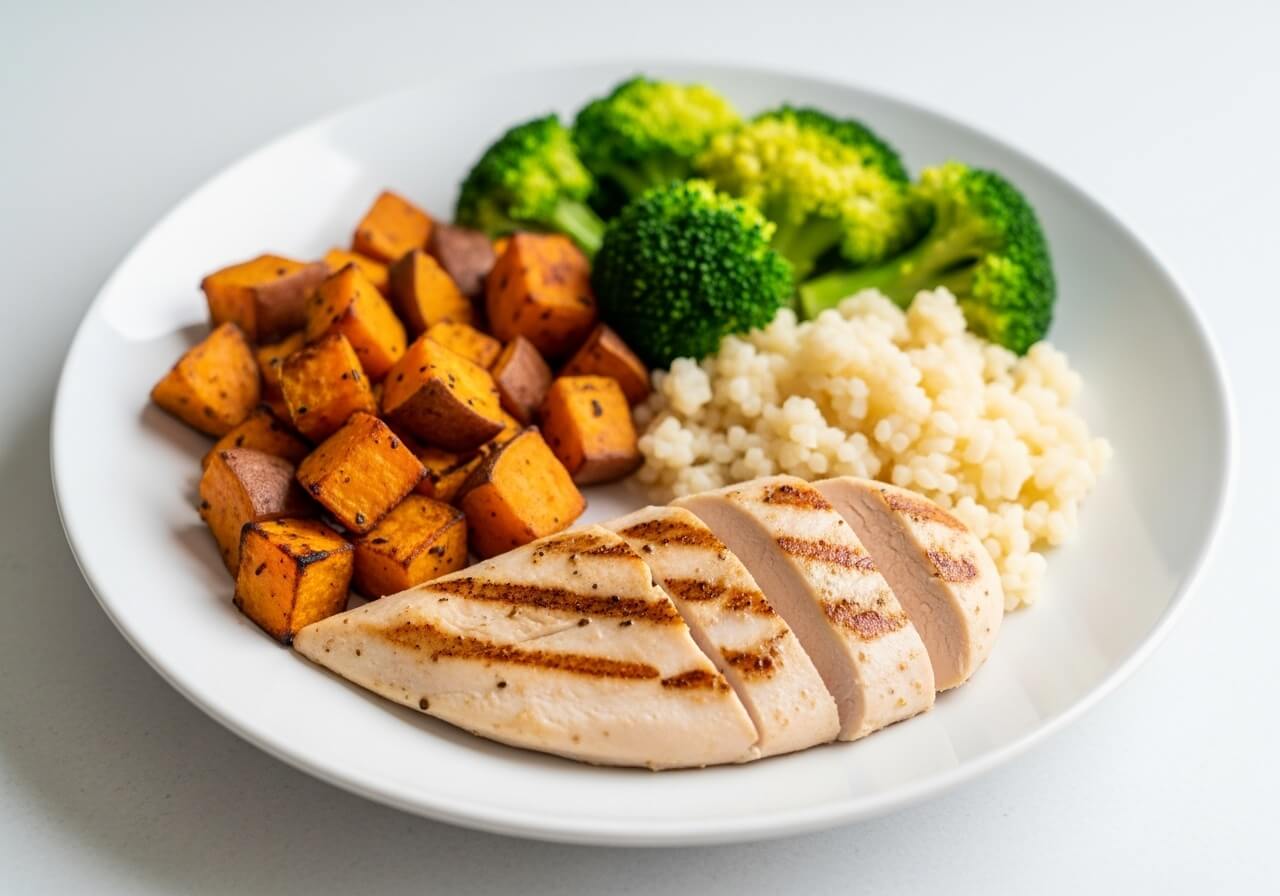
Practical nutrient timing follows a straightforward pattern: fuel before, sustain during if needed, and refuel after. The specific timing depends on your workout type and schedule.
Pre-workout meal timing: 1–4 hours before training starts
Eat larger, balanced meals 2–3 hours before your workout. This allows digestion to process food while providing energy for training. Think whole grains, lean protein, and vegetables—something substantial that sits comfortably.
Closer to workout time, go smaller and simpler. Within 30–60 minutes before exercise, try a piece of fruit, small yogurt serving, or crackers with peanut butter. A full meal this close to training often causes cramping or sluggishness.
For early morning workouts when eating a full meal feels rushed, a small carbohydrate snack 15–30 minutes beforehand—like a banana or toast—provides energy without digestive strain. Save your main breakfast for after training.
Post-workout nutrition timing: within 30–60 minutes after exercise
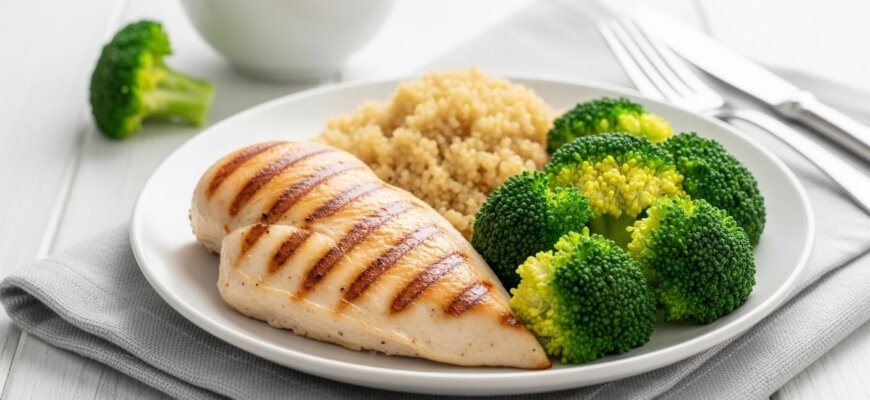
Aim to eat something containing both carbohydrate and protein within an hour of finishing, especially after intense or long-duration exercise. Examples: grilled chicken with rice and vegetables, or a smoothie with fruit and Greek yogurt. This combination replenishes glycogen and supplies amino acids for muscle repair.
If a full meal isn’t immediately possible, a smaller snack works. A banana with peanut butter or a protein bar bridges the gap until your next proper meal. Quality beats perfect timing—eating something useful within a couple of hours is better than waiting too long or choosing empty calories.
Remember that total daily intake matters too. If you’ve eaten adequate protein and carbs throughout the day, a slightly delayed post-workout meal has minimal impact.
What stops nutrient timing from working for you
Even sound timing principles fail when meals don’t match your training schedule or when focusing too much on timing overshadows other important recovery factors.
Eating heavy meals too close to workout start time
A common mistake: eating a full breakfast 45 minutes before training, then wondering why you feel sluggish. Your body hasn’t finished digestion, and blood remains engaged in breaking down food rather than flowing efficiently to muscles. The result is reduced performance and potential stomach discomfort.
The fix: if you eat close to training, keep it light and fast-digesting. Save substantial meals for when you have 2–3 hours before exercise. If morning training conflicts with your normal breakfast schedule, eat that meal after your workout instead.
Missing the recovery window with delayed post-exercise meals
Waiting several hours after a hard workout to eat your first meal with protein and carbs means missing your muscles’ heightened responsiveness to nutrients. This particularly matters if you have another session planned within 24 hours or train intensely regularly.
Plan ahead: if you finish training at 6 PM, prepare or decide on a post-workout meal beforehand. This prevents arriving home too tired to cook and eating much later than ideal.
Frequently asked questions
What should I eat if working out first thing in the morning?
You have two approaches. First: eat something small 15–30 minutes before training—a banana, toast with honey, or a sports drink—then eat your full breakfast with protein and carbs afterward. Second: train fasted and eat your first substantial meal within an hour of finishing. Most people perform better with at least a small pre-workout snack, but either works if it fits your schedule and feels comfortable.
Does timing matter more for strength training or cardio recovery?
Timing becomes more important based on intensity and duration, not exercise type. A 30-minute moderate run with 24 hours until your next session means timing is less critical than total daily nutrition. A two-hour endurance event or back-to-back strength sessions means faster refueling matters more. For casual training a few times weekly with adequate recovery days, factors like total protein intake and sleep often outweigh precise meal timing.
How soon after exercising should I eat my post-workout meal?
Within 30–60 minutes is helpful, particularly after intense or long workouts or when another session is planned soon. However, eating within 2–3 hours still supports recovery effectively, especially if you’ve been well-nourished throughout the day. Focus on eating something useful rather than obsessing over the clock—a balanced meal with protein and carbs beats perfectly timed junk food.
Conclusion
Nutrient timing for workout recovery works when you keep it practical: eat substantial meals 2–3 hours before training, lighter options within an hour of starting, and protein with carbs soon after finishing. Start with these basic timing guidelines and adjust based on how you feel and your training schedule. Small, consistent improvements in nutrition timing build into better energy and recovery over time.