
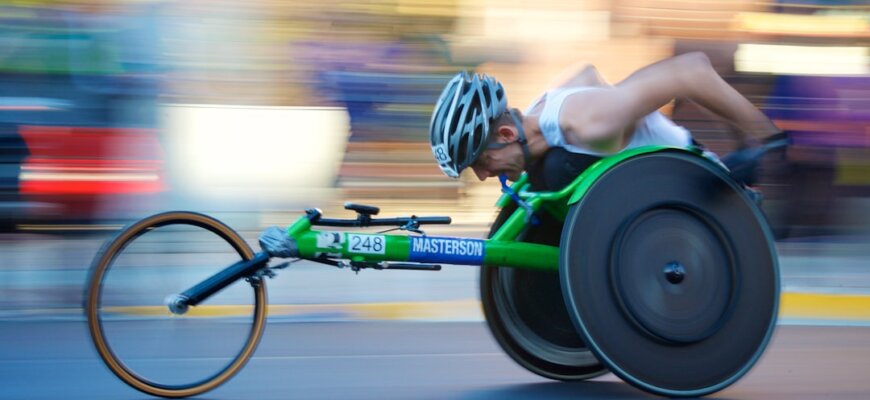
Nutrition plays a pivotal role in the performance and overall health of endurance athletes. Unlike other sports that may rely more on short bursts of energy, endurance activities such as marathons, triathlons, and long-distance cycling demand sustained energy output over extended periods. This prolonged exertion requires not only a well-structured training regimen but also a carefully planned nutritional strategy.
The right nutrition can enhance performance, delay fatigue, and promote quicker recovery, making it an essential component of an athlete’s training program. Moreover, the importance of nutrition extends beyond just performance; it also significantly impacts an athlete’s health and well-being. A balanced diet rich in essential nutrients supports immune function, reduces the risk of injury, and aids in mental focus during long events.
Endurance athletes often push their bodies to the limit, and without adequate nutrition, they may experience decreased performance, increased susceptibility to illness, and prolonged recovery times. Therefore, understanding the intricate relationship between nutrition and endurance performance is crucial for athletes aiming to achieve their personal best.
- Key Takeaways
- Macronutrient Needs for Long-Distance Athletes
- Hydration and Electrolyte Balance for Endurance Athletes
- Pre-Workout and Post-Workout Nutrition Strategies
- Fueling Strategies for Endurance Events
- Micronutrient Requirements for Endurance Athletes
- Energy Production and Antioxidant Functions
- Iron: A Critical Micronutrient for Endurance Athletes
- Meeting Micronutrient Needs through Diet and Supplementation
- Supplements for Endurance Athletes
- Recovery Nutrition for Endurance Athletes
- FAQs
- What are the key nutrition essentials for endurance athletes?
- How does nutrition impact endurance performance?
- What are some examples of ideal pre-workout meals for endurance athletes?
- What are some recommended post-workout snacks for endurance athletes?
- How important is hydration for endurance athletes?
- What are some key considerations for fueling during long endurance events?
Key Takeaways
- Proper nutrition is crucial for endurance athletes to support performance, recovery, and overall health.
- Endurance athletes require a balance of carbohydrates, protein, and fats to fuel their long-distance activities.
- Hydration and electrolyte balance are essential for endurance athletes to maintain performance and prevent dehydration and cramping.
- Pre-workout and post-workout nutrition strategies play a key role in optimizing performance and recovery for endurance athletes.
- Endurance athletes should have a fueling strategy in place for long events, including timing and types of fuel to consume.
Macronutrient Needs for Long-Distance Athletes
For endurance athletes, macronutrients—carbohydrates, proteins, and fats—serve as the foundation of their dietary needs. Carbohydrates are particularly vital as they are the primary source of energy during prolonged physical activity. When engaging in endurance sports, athletes should aim to consume a diet that is rich in complex carbohydrates such as whole grains, fruits, and vegetables.
These foods not only provide the necessary energy but also offer essential vitamins and minerals that support overall health. The general recommendation for endurance athletes is to consume approximately 6-10 grams of carbohydrates per kilogram of body weight daily, depending on the intensity and duration of their training. While carbohydrates are crucial, proteins also play a significant role in an endurance athlete’s diet.
Proteins are essential for muscle repair and recovery, especially after long training sessions or competitions. Athletes should aim for a protein intake of about 1.2 to 1.4 grams per kilogram of body weight to support muscle synthesis and recovery processes. Sources of high-quality protein include lean meats, dairy products, legumes, and plant-based proteins.
Fats, while often overlooked, are also important for endurance athletes as they provide a concentrated source of energy and help with the absorption of fat-soluble vitamins. A balanced intake of healthy fats from sources like avocados, nuts, seeds, and olive oil can contribute to overall energy levels and support long-duration activities.
Hydration and Electrolyte Balance for Endurance Athletes

Hydration is another critical aspect of nutrition for endurance athletes. During prolonged exercise, the body loses fluids through sweat, which can lead to dehydration if not adequately replenished. Dehydration can impair performance by causing fatigue, decreased coordination, and increased risk of heat-related illnesses.
Therefore, it is essential for athletes to develop a hydration strategy that includes both water and electrolyte replenishment. The general guideline is to drink water before, during, and after exercise, but the specific needs can vary based on factors such as temperature, humidity, and individual sweat rates. Electrolytes—such as sodium, potassium, magnesium, and calcium—are vital for maintaining fluid balance and muscle function during endurance activities.
When athletes sweat, they lose not only water but also these essential minerals. Consuming electrolyte-rich beverages or foods can help restore balance and prevent cramping or fatigue during long events. Sports drinks that contain electrolytes can be beneficial during extended workouts or races lasting longer than an hour.
Additionally, incorporating foods like bananas (rich in potassium) or salty snacks can help maintain electrolyte levels throughout training sessions.
Pre-Workout and Post-Workout Nutrition Strategies
The timing of nutrition is crucial for optimizing performance in endurance sports. Pre-workout nutrition should focus on providing easily digestible carbohydrates that can be readily converted into energy. A meal or snack consumed about 30 minutes to 2 hours before exercise should be rich in carbohydrates while being low in fat and fiber to minimize gastrointestinal discomfort during activity.
Options such as oatmeal with fruit, a banana with nut butter, or a sports bar can provide the necessary fuel without weighing the athlete down. Post-workout nutrition is equally important for recovery and muscle repair. After an intense training session or competition, the body needs to replenish glycogen stores and repair muscle tissue.
A combination of carbohydrates and protein consumed within 30 minutes to two hours post-exercise is ideal for maximizing recovery. For instance, a smoothie made with yogurt and fruit or a turkey sandwich on whole-grain bread can effectively restore energy levels while providing the necessary protein for muscle repair. Additionally, rehydrating with water or an electrolyte drink is essential to replace fluids lost during exercise.
Fueling Strategies for Endurance Events
During endurance events, fueling strategies become paramount to maintaining energy levels and optimizing performance. Athletes should plan their nutrition around the duration of the event to ensure they have adequate energy reserves throughout. For events lasting longer than an hour, consuming carbohydrates during the activity is crucial to prevent hitting the wall—a state of extreme fatigue caused by depleted glycogen stores.
This can be achieved through various means such as energy gels, chews, or sports drinks that provide easily digestible carbohydrates. The timing and frequency of carbohydrate intake during an event are also important considerations. Research suggests that consuming 30-60 grams of carbohydrates per hour can help sustain energy levels during prolonged exercise.
Athletes should experiment with different fueling options during training to determine what works best for their individual digestive systems and preferences. Additionally, practicing these strategies in training will help athletes feel more confident and prepared on race day.
Micronutrient Requirements for Endurance Athletes

Energy Production and Antioxidant Functions
B vitamins are crucial for converting food into energy, while antioxidants like vitamins C and E help combat oxidative stress caused by intense exercise. This highlights the importance of micronutrients in supporting athletes’ performance and recovery.
Iron: A Critical Micronutrient for Endurance Athletes
Iron is essential for endurance athletes as it supports oxygen transport in the blood. Inadequate iron levels can lead to fatigue and decreased performance, making it a critical micronutrient to prioritize.
Meeting Micronutrient Needs through Diet and Supplementation
To meet their micronutrient needs, endurance athletes should focus on consuming a varied diet rich in fruits, vegetables, whole grains, lean proteins, and healthy fats. Foods such as leafy greens, berries, nuts, seeds, and legumes are excellent sources of essential vitamins and minerals. In some cases, targeted supplementation may be beneficial, but it is always advisable to consult with a healthcare professional or registered dietitian before starting any supplementation regimen.
Supplements for Endurance Athletes
The use of supplements among endurance athletes has become increasingly popular as they seek ways to enhance performance and recovery. While a well-balanced diet should provide most of the necessary nutrients for optimal performance, certain supplements may offer additional benefits when used appropriately. For example, branched-chain amino acids (BCAAs) are often taken to reduce muscle soreness and improve recovery after intense workouts.
Similarly, creatine has been shown to enhance performance in high-intensity efforts that may occur during endurance events. However, it is essential for athletes to approach supplementation with caution. Not all supplements are created equal; some may not be effective or could even be harmful if taken in excess.
Additionally, the supplement industry is not as tightly regulated as food products, leading to concerns about purity and quality. Athletes should prioritize obtaining nutrients from whole foods first and consider supplements only when necessary or when recommended by a qualified professional.
Recovery Nutrition for Endurance Athletes
Recovery nutrition is a critical component of an endurance athlete’s training regimen that often goes overlooked. After intense training sessions or competitions, the body undergoes significant stress that requires proper nutrition to facilitate recovery processes. Consuming a balanced meal or snack that includes carbohydrates and protein shortly after exercise helps replenish glycogen stores and repair muscle tissue effectively.
This post-workout window is often referred to as the “anabolic window,” where the body is particularly receptive to nutrient uptake. In addition to immediate post-exercise nutrition, ongoing recovery strategies should include adequate hydration and nutrient-dense meals throughout the day. Incorporating anti-inflammatory foods such as fatty fish rich in omega-3 fatty acids or colorful fruits and vegetables can further support recovery by reducing inflammation caused by intense physical activity.
Furthermore, prioritizing sleep and rest days is essential for allowing the body to recover fully from strenuous workouts. By focusing on recovery nutrition alongside training efforts, endurance athletes can enhance their performance while minimizing the risk of injury or burnout. In conclusion, nutrition is a fundamental aspect of success for endurance athletes at all levels.
By understanding their unique macronutrient needs, hydration requirements, fueling strategies during events, micronutrient intake, supplementation options, and recovery practices, athletes can optimize their performance while promoting long-term health and well-being. With careful planning and attention to dietary choices, endurance athletes can achieve their goals while enjoying the journey along the way.
For more information on how to optimize your nutrition as an endurance athlete, you may want to consider when to incorporate a multivitamin into your routine. Check out this article on when to consider a multivitamin for additional insights on how to support your overall health and performance.
FAQs
What are the key nutrition essentials for endurance athletes?
Endurance athletes require a balanced diet that includes carbohydrates, protein, healthy fats, and a variety of vitamins and minerals to support their training and performance.
How does nutrition impact endurance performance?
Nutrition plays a crucial role in endurance performance by providing the energy needed for training and competition, supporting recovery, and reducing the risk of injury and illness.
What are some examples of ideal pre-workout meals for endurance athletes?
Ideal pre-workout meals for endurance athletes include a combination of carbohydrates and protein, such as oatmeal with Greek yogurt and fruit, or a turkey and avocado sandwich on whole grain bread.
What are some recommended post-workout snacks for endurance athletes?
Recommended post-workout snacks for endurance athletes include a protein shake with fruit, a turkey and cheese wrap, or Greek yogurt with granola and berries to support muscle recovery and replenish glycogen stores.
How important is hydration for endurance athletes?
Hydration is crucial for endurance athletes as it helps regulate body temperature, maintain performance, and prevent dehydration, which can negatively impact performance and health.
What are some key considerations for fueling during long endurance events?
During long endurance events, athletes should focus on consuming a combination of carbohydrates, electrolytes, and fluids to sustain energy levels, maintain hydration, and prevent fatigue.
