

Achieving visible abs is often seen as the pinnacle of fitness, a symbol of dedication and hard work. However, many people overlook the critical role that diet plays in this journey. While rigorous exercise routines, including core workouts and cardiovascular training, are essential for building abdominal muscles, they can only take you so far without the right nutritional foundation.
The visibility of abs is primarily determined by body fat percentage, which is significantly influenced by dietary choices. A well-structured diet can help reduce body fat, allowing those hard-earned muscles to shine through. Moreover, understanding the relationship between diet and body composition is crucial.
Consuming a balanced diet rich in whole foods can help regulate hormones that affect fat storage and metabolism. For instance, diets high in refined sugars and unhealthy fats can lead to increased fat accumulation around the midsection, obscuring abdominal muscles. Conversely, a diet that emphasizes lean proteins, healthy fats, and complex carbohydrates can promote fat loss while supporting muscle growth.
Therefore, achieving visible abs is not merely about doing endless crunches; it requires a holistic approach that prioritizes nutrition alongside physical activity.
- Key Takeaways
- The Importance of Nutrition in Building Six-Pack Abs
- The Best Foods for Developing and Revealing Abs
- Meal Timing and Frequency for Optimal Abs Development
- Hydration and its Impact on Abs Visibility
- The Role of Supplements in Enhancing Abs Definition
- Protein Powders: A Convenient Way to Boost Protein Intake
- Additional Supplements for Muscle Definition
- Remember: Supplements Should Complement, Not Replace, Whole Foods
- Common Dietary Mistakes that Hinder Abs Development
- Creating a Sustainable and Balanced Abs Diet Plan
- FAQs
- What are visible abs?
- What are some diet strategies for achieving visible abs?
- How does nutrition impact the visibility of abs?
- Are there specific foods that can help in achieving visible abs?
- Is it necessary to count calories to achieve visible abs?
Key Takeaways
- Understanding the Role of Diet in Achieving Visible Abs:
- Diet plays a crucial role in achieving visible abs, as it directly impacts body fat percentage and muscle definition.
- The Importance of Nutrition in Building Six-Pack Abs:
- Proper nutrition is essential for building six-pack abs, as it provides the necessary fuel for muscle growth and recovery.
- The Best Foods for Developing and Revealing Abs:
- Foods high in protein, healthy fats, and fiber, such as lean meats, fish, nuts, and vegetables, are key for developing and revealing abs.
- Meal Timing and Frequency for Optimal Abs Development:
- Eating smaller, balanced meals throughout the day and timing meals around workouts can optimize abs development and support muscle growth.
- Hydration and its Impact on Abs Visibility:
- Adequate hydration is crucial for abs visibility, as it helps maintain muscle function and supports fat loss.
- The Role of Supplements in Enhancing Abs Definition:
- While not essential, certain supplements like protein powder and BCAAs can support muscle recovery and development, enhancing abs definition.
- Common Dietary Mistakes that Hinder Abs Development:
- Overconsumption of processed foods, excessive alcohol intake, and neglecting portion control are common dietary mistakes that hinder abs development.
- Creating a Sustainable and Balanced Abs Diet Plan:
- A sustainable and balanced abs diet plan includes a variety of nutrient-dense foods, adequate hydration, and mindful eating habits to support long-term success.
The Importance of Nutrition in Building Six-Pack Abs
Nutrition is the cornerstone of any fitness regimen aimed at developing six-pack abs. It provides the necessary building blocks for muscle repair and growth while also influencing energy levels and overall performance. When individuals focus solely on exercise without paying attention to their dietary intake, they may find it challenging to achieve their desired results.
A well-rounded diet not only fuels workouts but also aids in recovery, ensuring that the body can perform optimally during training sessions. Additionally, the quality of nutrients consumed plays a significant role in muscle definition. Protein is particularly important for those looking to build and maintain muscle mass, as it provides the amino acids necessary for muscle repair.
Incorporating a variety of protein sources—such as lean meats, fish, legumes, and dairy—can help meet daily protein needs. Furthermore, healthy fats and fiber-rich carbohydrates are essential for overall health and satiety, preventing overeating and promoting a balanced energy intake. By prioritizing nutrition, individuals can create an environment conducive to muscle growth and fat loss, ultimately leading to more defined abs.
The Best Foods for Developing and Revealing Abs
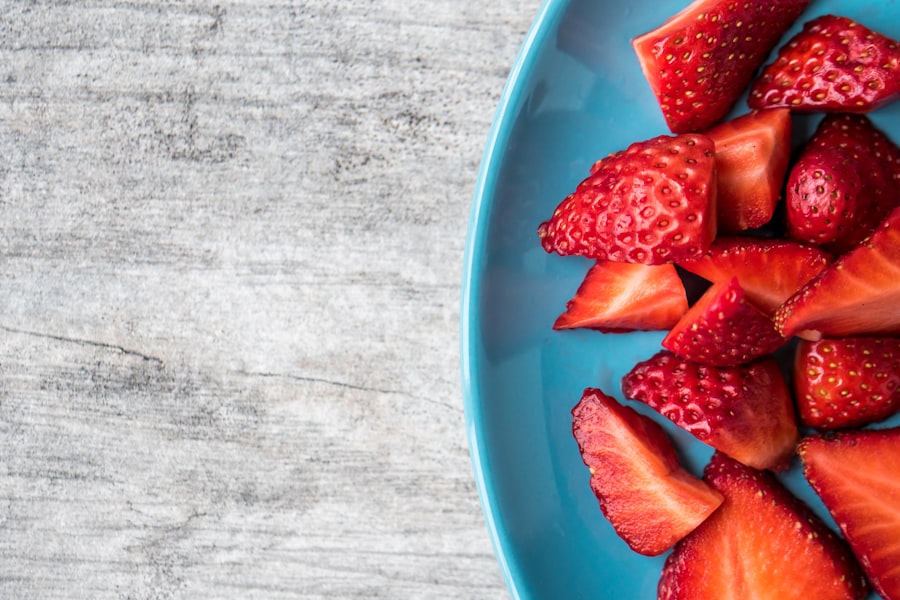
When it comes to developing and revealing abs, certain foods stand out as particularly beneficial. Lean proteins should be at the forefront of any abs-focused diet. Chicken breast, turkey, fish, eggs, and plant-based proteins like lentils and chickpeas provide essential amino acids that support muscle repair and growth.
These foods not only help build muscle but also promote satiety, making it easier to maintain a caloric deficit if fat loss is the goal. In addition to protein, incorporating healthy fats is vital for overall health and hormone regulation. Foods such as avocados, nuts, seeds, and olive oil provide essential fatty acids that support metabolic processes and can help reduce inflammation.
Furthermore, complex carbohydrates like quinoa, brown rice, sweet potatoes, and whole grains offer sustained energy for workouts while providing fiber that aids digestion. Including a variety of colorful fruits and vegetables ensures an adequate intake of vitamins and minerals that support overall health and recovery. By focusing on these nutrient-dense foods, individuals can create a diet that not only supports muscle development but also enhances overall well-being.
Meal Timing and Frequency for Optimal Abs Development
Meal timing and frequency can significantly impact the effectiveness of a diet aimed at achieving visible abs. While there is no one-size-fits-all approach, understanding how to strategically time meals can enhance nutrient absorption and optimize energy levels throughout the day. For many individuals, consuming smaller, more frequent meals can help regulate hunger and prevent overeating.
This approach allows for a steady supply of nutrients to support muscle recovery and energy levels during workouts. Additionally, timing meals around workouts can maximize performance and recovery. Consuming a balanced meal or snack containing both protein and carbohydrates before exercise can provide the necessary fuel for optimal performance.
Post-workout nutrition is equally important; consuming protein within 30 minutes to two hours after exercising can aid in muscle repair and growth. This window of opportunity is crucial for those looking to develop defined abs, as it helps replenish glycogen stores and kickstarts the recovery process. By being mindful of meal timing and frequency, individuals can create a structured eating plan that supports their fitness goals.
Hydration and its Impact on Abs Visibility
Hydration plays a pivotal role in overall health and can significantly impact the visibility of abs. Water is essential for numerous bodily functions, including digestion, nutrient absorption, and metabolic processes. When the body is adequately hydrated, it functions optimally, allowing for better performance during workouts and more efficient recovery afterward.
Dehydration can lead to fatigue, decreased performance, and even increased cravings for unhealthy foods—factors that can hinder progress toward achieving visible abs. Moreover, hydration affects how the body stores fat and processes nutrients. When dehydrated, the body may retain water as a protective mechanism, leading to bloating that can obscure abdominal definition.
Drinking sufficient water throughout the day helps flush out excess sodium and reduces bloating, allowing muscles to appear more defined. Additionally, staying hydrated supports healthy digestion and prevents constipation—issues that can further contribute to a distended abdomen. Therefore, prioritizing hydration is essential not only for overall health but also for achieving those coveted visible abs.
The Role of Supplements in Enhancing Abs Definition
Protein Powders: A Convenient Way to Boost Protein Intake
Protein powders are among the most popular supplements used by individuals aiming to build muscle mass while losing fat. They provide a convenient way to increase protein intake without excessive calories from whole food sources. Whey protein, casein protein, or plant-based options like pea or hemp protein can be effective choices depending on dietary preferences.
Additional Supplements for Muscle Definition
In addition to protein supplements, other products such as omega-3 fatty acids or branched-chain amino acids (BCAAs) may offer benefits for those focused on muscle definition. Omega-3s have anti-inflammatory properties that can aid recovery after intense workouts while supporting overall health. BCAAs may help reduce muscle soreness and promote muscle retention during periods of caloric deficit—an important consideration for those looking to reveal their abs through fat loss.
Remember: Supplements Should Complement, Not Replace, Whole Foods
However, it’s crucial to remember that supplements should not replace whole foods but rather serve as an adjunct to a well-rounded diet.
Common Dietary Mistakes that Hinder Abs Development
Despite best intentions, many individuals make common dietary mistakes that can hinder their progress toward achieving visible abs. One prevalent issue is underestimating portion sizes or caloric intake. Even healthy foods can contribute to weight gain if consumed in excessive amounts; therefore, being mindful of portion sizes is essential for maintaining a caloric deficit when aiming for fat loss.
Another common mistake is relying too heavily on processed foods or “diet” products that may be marketed as healthy but are often high in added sugars or unhealthy fats. These foods can lead to increased cravings and poor satiety levels, making it challenging to stick to a balanced eating plan. Additionally, skipping meals or drastically reducing caloric intake can slow metabolism and lead to muscle loss—both detrimental to achieving defined abs.
By avoiding these pitfalls and focusing on whole foods while being mindful of portion sizes, individuals can create a more effective dietary strategy for revealing their abdominal muscles.
Creating a Sustainable and Balanced Abs Diet Plan
Creating a sustainable and balanced diet plan focused on achieving visible abs requires careful consideration of individual preferences, lifestyle factors, and nutritional needs. The first step is to assess current eating habits and identify areas for improvement. This may involve tracking food intake for a week or two to gain insight into portion sizes and nutrient distribution.
Once an understanding of current habits is established, individuals can begin crafting a personalized meal plan that emphasizes whole foods while incorporating a variety of food groups. This plan should include lean proteins, healthy fats, complex carbohydrates, fruits, and vegetables to ensure adequate nutrient intake while promoting satiety. Additionally, setting realistic goals—such as aiming for gradual fat loss rather than rapid weight loss—can help maintain motivation over time.
Finally, it’s essential to remain flexible with dietary choices while prioritizing consistency over perfection. Allowing for occasional treats or indulgences can make the journey more enjoyable while preventing feelings of deprivation that often lead to binge eating or abandonment of healthy habits altogether. By focusing on creating a sustainable approach to nutrition that aligns with personal goals and preferences, individuals can successfully work toward achieving visible abs while fostering long-term health and well-being.
If you are looking to improve your diet strategies for achieving visible abs, you may also be interested in learning about mindful eating. Check out this article on strategies to master mindful eating to help you develop a healthier relationship with food and make more conscious choices when it comes to your nutrition. By incorporating mindful eating practices into your routine, you can better align your diet with your fitness goals and see improved results in your quest for visible abs.
FAQs
What are visible abs?
Visible abs refer to the well-defined abdominal muscles that are visible on the body, typically characterized by a low body fat percentage and toned muscles.
What are some diet strategies for achieving visible abs?
Some diet strategies for achieving visible abs include consuming a balanced diet that is high in protein, moderate in healthy fats, and low in processed carbohydrates. It is also important to focus on portion control and to stay hydrated.
How does nutrition impact the visibility of abs?
Nutrition plays a crucial role in the visibility of abs as it directly affects body fat percentage. Consuming a diet that is high in protein and low in processed carbohydrates can help reduce body fat and reveal the abdominal muscles.
Are there specific foods that can help in achieving visible abs?
Foods that can help in achieving visible abs include lean proteins such as chicken, fish, and tofu, as well as healthy fats like avocados and nuts. Additionally, consuming plenty of fruits and vegetables can provide essential nutrients and fiber for overall health and weight management.
Is it necessary to count calories to achieve visible abs?
While counting calories can be a helpful tool for some individuals, it is not always necessary to achieve visible abs. Focusing on consuming nutrient-dense foods, practicing portion control, and being mindful of overall food intake can also be effective in achieving visible abs.
