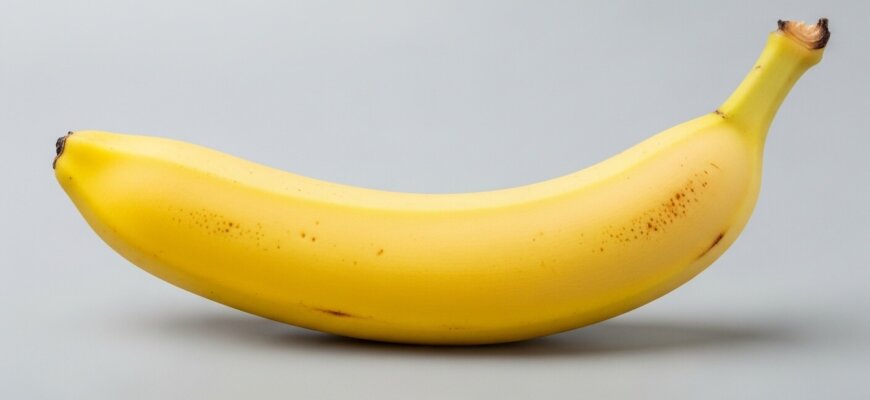
The idea that bananas are bad for weight loss has persisted for years, but research doesn’t support it. A medium banana contains roughly 100-120 calories and provides fiber, potassium, and vitamins. Weight change depends on your overall calorie intake and eating pattern—not whether you include one specific fruit. Understanding how bananas fit into your routine helps you use them effectively rather than avoiding them unnecessarily.
- Why bananas carry an unfair weight-loss reputation
- The ripening effect on banana calories and sugar content
- How natural sugars differ from processed sugar metabolism
- Smart timing and pairing for banana-friendly weight loss
- Pre-workout fuel versus evening snack considerations
- Food combinations that balance blood sugar
- When banana portions may need adjusting for weight loss
- Dried, frozen, and blended banana calorie traps
- Personal factors that change how your body responds
- FAQ
- Can eating bananas daily support weight loss goals?
- Do bananas specifically increase abdominal fat storage?
- What’s the optimal banana serving size for weight management?
- Conclusion
Why bananas carry an unfair weight-loss reputation
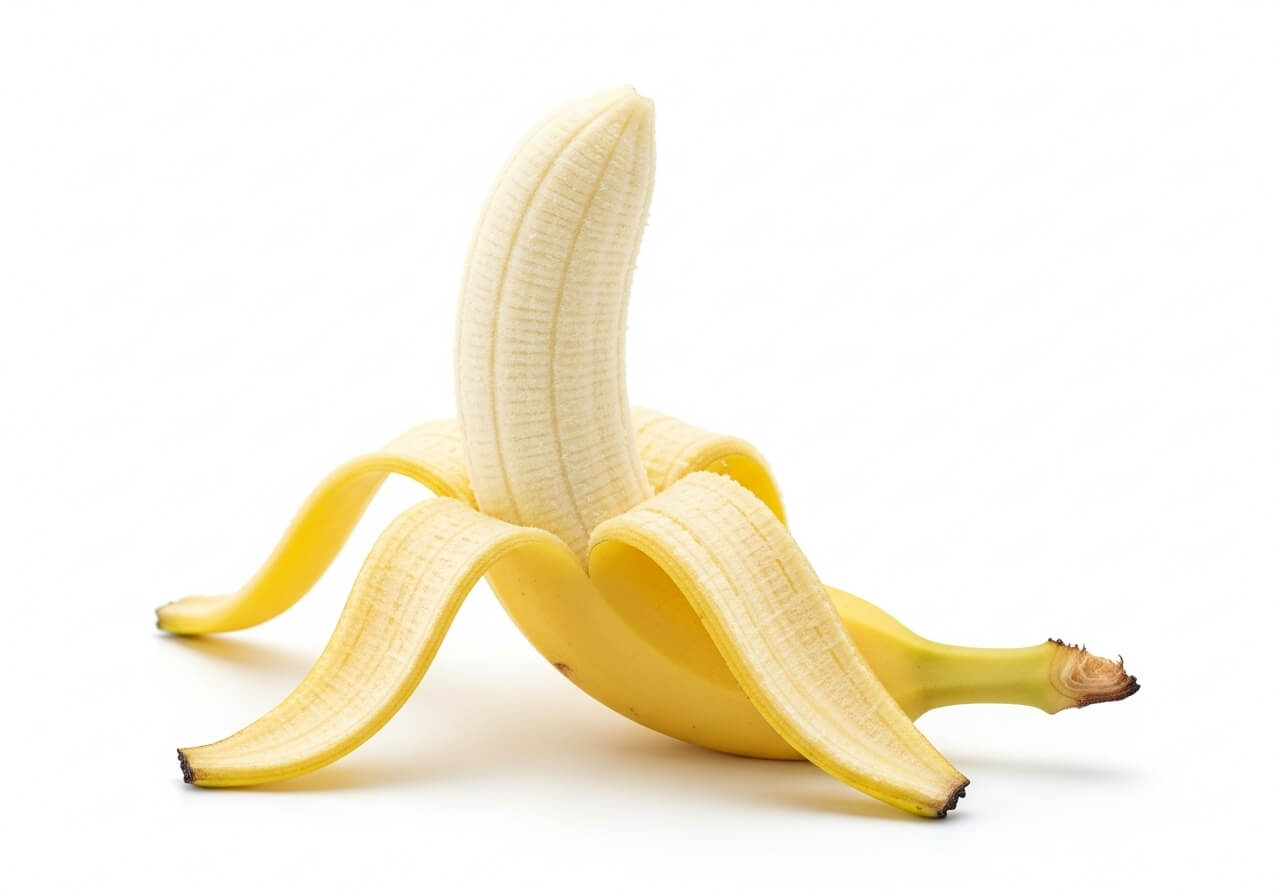
The banana weight loss myth likely grew from oversimplified calorie counting and misunderstandings about natural sugars. While bananas contain more calories per serving than berries or melon, this doesn’t make them problematic. Their nutrient profile and satiety effects matter more than raw calorie counts.
The ripening effect on banana calories and sugar content
Greener bananas contain more resistant starch, which behaves like fiber and digests slowly. As bananas ripen, this starch converts to natural sugars, making them sweeter and easier to digest. A spotted banana affects blood sugar differently than a green one, though the total calories remain similar. For steadier energy, choose less ripe bananas; for quick fuel before exercise, riper ones work well.
How natural sugars differ from processed sugar metabolism
Unlike soda or candy, bananas deliver fructose and glucose alongside fiber, which slows sugar absorption and reduces blood sugar spikes. The approximately 3 grams of fiber in a medium banana helps regulate how your body processes its natural sugars. This packaging makes a meaningful difference compared to processed sweets that spike blood sugar rapidly.
Smart timing and pairing for banana-friendly weight loss
Using bananas strategically can support weight management when you consider timing and what you eat alongside them.
Pre-workout fuel versus evening snack considerations
A banana 30-60 minutes before exercise provides easily accessible carbohydrates your muscles can use during activity. This timing helps prevent the fruit’s energy from being stored while potentially improving performance. Later in the day, pair your banana with protein or fat—like Greek yogurt or nut butter—to slow digestion and maintain steadier energy through the evening.
Food combinations that balance blood sugar
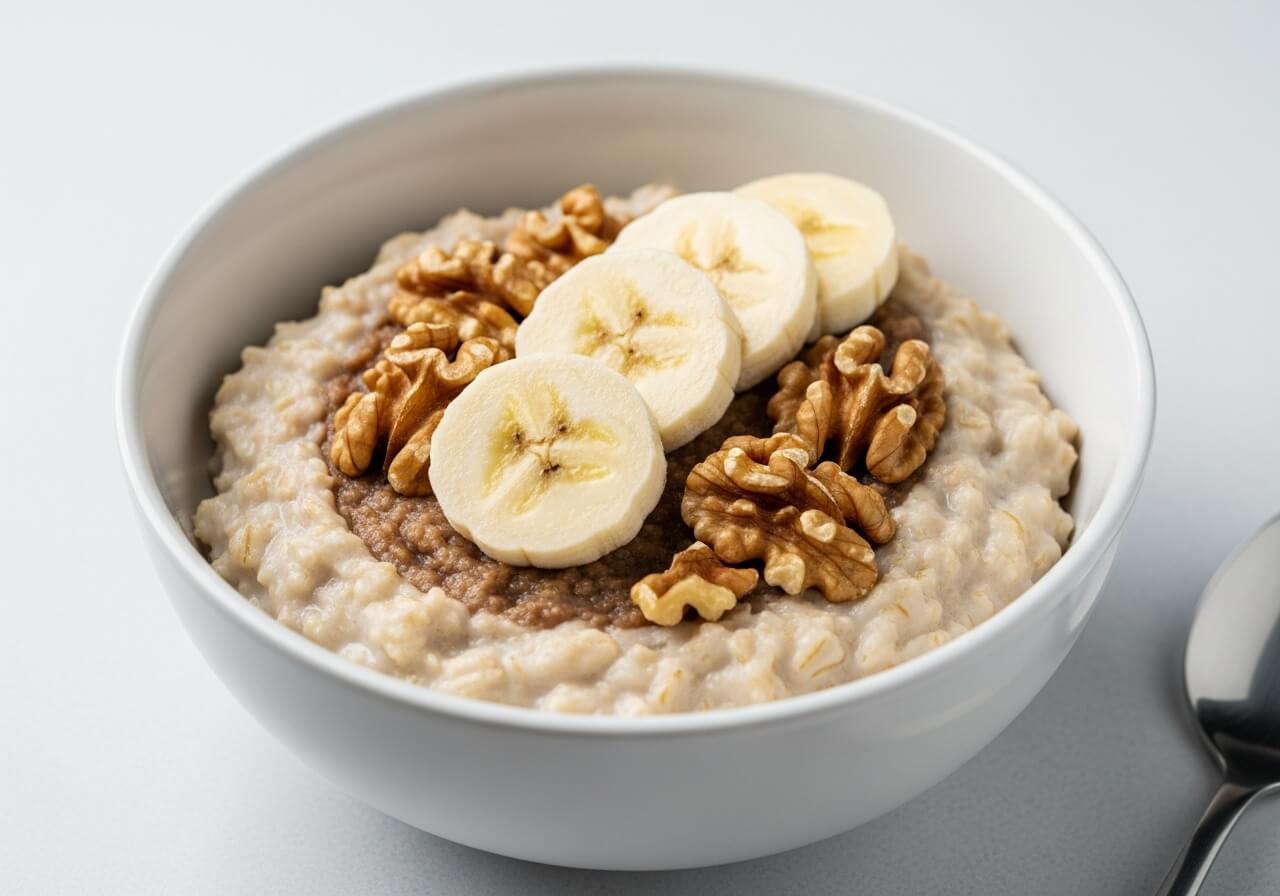
Eating bananas alone may leave you hungry sooner than expected. Try these combinations for better satisfaction: spread almond butter on banana halves, mix sliced banana into oatmeal with walnuts, or blend it into yogurt with chia seeds. These pairings add protein and healthy fats that help you feel fuller longer.
When banana portions may need adjusting for weight loss
Certain preparations and individual factors can affect how bananas fit into your weight loss approach.
Dried, frozen, and blended banana calorie traps
Processing concentrates calories significantly. A cup of fresh banana slices provides about 130 calories, but the same volume of freeze-dried chips can exceed 300 calories. Smoothies pose another challenge: blending banana with protein powder, milk, peanut butter, and honey can create a 400+ calorie drink that doesn’t feel much more filling than the banana alone. When using bananas in smoothies, account for all ingredients and consider using half a banana instead of a whole one.
Personal factors that change how your body responds
If you have diabetes, prediabetes, or experience noticeable energy crashes after eating carbohydrates, pay closer attention to banana timing and portion size. Some people feel satisfied after eating a whole banana, while others find half a banana with protein works better. Track how different serving sizes affect your hunger and energy levels over several days to find what works for you.
FAQ
Can eating bananas daily support weight loss goals?
Yes, when they fit within your calorie needs. Many people successfully include a daily banana as a planned snack or meal component. The key is treating it as part of your overall pattern rather than an unlimited food. If a banana replaces a 200-calorie cookie, that supports your goal. If it adds 100 calories without replacing anything, factor that into your daily total.
Do bananas specifically increase abdominal fat storage?
No. Abdominal fat accumulates from sustained calorie surplus, not from specific foods. According to NIH/NHLBI weight management guidance, no individual fruit causes fat gain when eaten as part of a balanced diet. This myth likely confuses fruit sugar with overall excess calories.
What’s the optimal banana serving size for weight management?
A medium banana (about 7-8 inches) works well for most people. If you’re managing calories carefully or find whole bananas less filling, try half a banana paired with protein-rich food like cottage cheese or a hard-boiled egg. This provides satisfaction without requiring large portions.
Conclusion
Bananas fit comfortably into weight loss plans when you’re mindful about portions and timing. Try starting with one banana daily—perhaps with breakfast or before exercise—and notice how it affects your hunger and energy. Rather than avoiding fruit out of fear, use it intentionally as part of a sustainable approach that you can maintain long-term.