

Nutrition is the science that explores how the food we consume affects our health, growth, and overall well-being. At its core, nutrition involves understanding the various nutrients that our bodies require to function optimally. These nutrients can be categorized into macronutrients—carbohydrates, proteins, and fats—and micronutrients, which include vitamins and minerals.
Each of these components plays a unique role in maintaining bodily functions, from providing energy to supporting immune health and facilitating cellular repair. Carbohydrates are often viewed as the primary source of energy for the body, particularly for the brain and muscles during physical activity. Proteins are essential for building and repairing tissues, while fats are crucial for hormone production and nutrient absorption.
Micronutrients, though required in smaller amounts, are equally important; they support a myriad of physiological processes, including metabolism and bone health. Understanding these basics allows individuals to make informed dietary choices that align with their health goals.
- Key Takeaways
- The Importance of a Balanced Diet
- Incorporating a Variety of Nutrient-Dense Foods
- Portion Control and Mindful Eating
- Hydration and its Role in Healthy Eating
- The Impact of Processed Foods on Health
- The Benefits of Meal Planning and Preparation
- Making Sustainable and Long-Term Changes to Your Eating Habits
- FAQs
- What are the fundamentals of healthy eating?
- Why is healthy eating important?
- What are some examples of nutrient-dense foods?
- How can I incorporate healthy eating into my lifestyle?
- What are some tips for maintaining a balanced diet?
- Are there any specific dietary guidelines for healthy eating?
Key Takeaways
- Understanding the basics of nutrition is essential for making informed food choices.
- A balanced diet is important for providing the body with essential nutrients and energy.
- Incorporating a variety of nutrient-dense foods ensures a wide range of essential nutrients.
- Portion control and mindful eating can help prevent overeating and promote better digestion.
- Hydration plays a crucial role in healthy eating and overall well-being.
The Importance of a Balanced Diet
A balanced diet is fundamental to achieving and maintaining optimal health. It refers to consuming a variety of foods in the right proportions to provide the necessary nutrients without excess calories. A well-rounded diet not only supports physical health but also enhances mental well-being.
Research has shown that individuals who adhere to a balanced diet experience lower rates of chronic diseases such as obesity, diabetes, and heart disease. Moreover, a balanced diet fosters energy stability throughout the day. When individuals consume a mix of macronutrients and micronutrients, they are less likely to experience energy crashes or cravings for unhealthy snacks.
This stability is crucial for maintaining focus and productivity in daily activities. By prioritizing a balanced diet, individuals can cultivate a healthier relationship with food, leading to improved overall quality of life.
Incorporating a Variety of Nutrient-Dense Foods
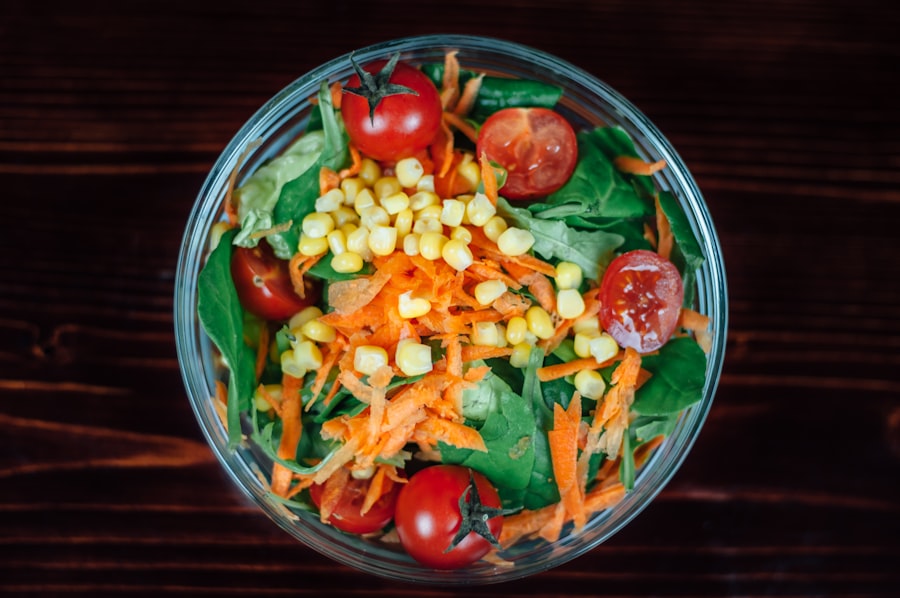
Incorporating a diverse array of nutrient-dense foods into one’s diet is essential for achieving optimal health. Nutrient-dense foods are those that provide a high amount of vitamins and minerals relative to their calorie content. Examples include fruits, vegetables, whole grains, lean proteins, and healthy fats.
By focusing on these foods, individuals can ensure they are meeting their nutritional needs without consuming excessive calories. Variety is key when it comes to nutrient density. Different foods offer unique combinations of vitamins and minerals, so consuming a wide range ensures that the body receives all the essential nutrients it requires.
For instance, leafy greens like spinach and kale are rich in iron and calcium, while colorful fruits such as berries and oranges provide antioxidants and vitamin By embracing a colorful plate filled with diverse foods, individuals can enhance their nutrient intake while also enjoying a more satisfying and flavorful eating experience.
Portion Control and Mindful Eating
Portion control is an essential aspect of healthy eating that often goes overlooked. It involves being aware of serving sizes and understanding how much food is appropriate for one’s individual needs. Overeating can lead to weight gain and other health issues, even when consuming healthy foods.
By practicing portion control, individuals can enjoy their favorite meals while still maintaining a balanced diet. Mindful eating complements portion control by encouraging individuals to pay attention to their hunger cues and the sensory experience of eating. This practice involves slowing down during meals, savoring each bite, and recognizing feelings of fullness.
By being present during meals, individuals can develop a healthier relationship with food, reducing the likelihood of emotional eating or mindless snacking. Together, portion control and mindful eating create a powerful strategy for achieving long-term health goals.
Hydration and its Role in Healthy Eating
Hydration is often an overlooked component of nutrition, yet it plays a vital role in overall health. Water is essential for nearly every bodily function, including digestion, circulation, temperature regulation, and nutrient absorption. Staying adequately hydrated can enhance physical performance, improve cognitive function, and support skin health.
It is recommended that individuals consume an adequate amount of water daily, though specific needs may vary based on factors such as activity level and climate. Incorporating hydration into one’s daily routine can be simple and enjoyable. Drinking water before meals can help with portion control by promoting feelings of fullness.
Additionally, consuming water-rich foods such as fruits and vegetables can contribute to overall hydration levels. Herbal teas and infused waters can also provide flavorful alternatives to sugary beverages while keeping hydration levels in check. By prioritizing hydration alongside nutrition, individuals can optimize their health and well-being.
The Impact of Processed Foods on Health

Processed foods have become increasingly prevalent in modern diets, often leading to negative health outcomes. These foods are typically high in added sugars, unhealthy fats, and sodium while lacking essential nutrients. Regular consumption of processed foods has been linked to obesity, heart disease, diabetes, and other chronic conditions.
Understanding the impact of these foods on health is crucial for making informed dietary choices. While not all processed foods are inherently bad—frozen fruits and vegetables or whole grain bread can be convenient options—many highly processed items should be consumed sparingly. Reading food labels can help individuals identify unhealthy ingredients and make better choices.
By focusing on whole, minimally processed foods whenever possible, individuals can significantly improve their nutritional intake and reduce their risk of chronic diseases.
The Benefits of Meal Planning and Preparation
Meal planning and preparation are powerful tools for achieving nutritional goals and maintaining a balanced diet. By planning meals in advance, individuals can ensure they have access to healthy options throughout the week while minimizing the temptation to resort to fast food or unhealthy snacks. This proactive approach not only saves time but also reduces food waste by allowing individuals to use ingredients efficiently.
Preparing meals in batches can also be beneficial for busy lifestyles. Cooking larger portions allows for easy reheating during hectic days when time is limited. Additionally, meal prepping encourages creativity in the kitchen as individuals experiment with different recipes and flavors.
By incorporating meal planning into their routine, individuals can take control of their nutrition while enjoying the process of cooking and discovering new dishes.
Making Sustainable and Long-Term Changes to Your Eating Habits
Making sustainable changes to eating habits is essential for achieving lasting health benefits. Quick-fix diets may yield short-term results but often fail to promote long-term adherence or overall well-being. Instead, focusing on gradual changes allows individuals to develop healthier habits that fit seamlessly into their lifestyles.
This approach fosters a sense of empowerment as individuals learn to navigate food choices with confidence. To create sustainable changes, it is important to set realistic goals that align with personal preferences and lifestyle factors. This might involve incorporating more fruits and vegetables into meals or reducing sugary snacks gradually rather than eliminating them entirely.
Additionally, seeking support from nutrition professionals or joining community groups can provide motivation and accountability on the journey toward healthier eating habits. By prioritizing sustainability over perfection, individuals can cultivate a positive relationship with food that supports lifelong health and wellness.
If you are interested in learning more about the benefits of incorporating eggs into your diet, check out the article on fitnutrition.net. This article provides valuable information on the nutritional value of eggs and how they can contribute to a healthy eating plan. For more articles on nutrition and healthy living, visit contact page.
FAQs
What are the fundamentals of healthy eating?
The fundamentals of healthy eating include consuming a variety of nutrient-dense foods such as fruits, vegetables, whole grains, lean proteins, and healthy fats.
Why is healthy eating important?
Healthy eating is important for maintaining overall health and well-being. It can help prevent chronic diseases, support a healthy weight, and provide the body with essential nutrients.
What are some examples of nutrient-dense foods?
Nutrient-dense foods include leafy greens, berries, nuts, seeds, lean meats, fish, whole grains, and healthy fats such as avocado and olive oil.
How can I incorporate healthy eating into my lifestyle?
Incorporate healthy eating into your lifestyle by planning and preparing meals ahead of time, choosing whole foods over processed foods, and being mindful of portion sizes.
What are some tips for maintaining a balanced diet?
Tips for maintaining a balanced diet include eating a variety of foods from all food groups, staying hydrated, and being mindful of portion sizes. It’s also important to limit added sugars, sodium, and saturated fats.
Are there any specific dietary guidelines for healthy eating?
Yes, dietary guidelines such as the MyPlate model and the Mediterranean diet can provide helpful frameworks for healthy eating. These guidelines emphasize consuming a variety of foods in appropriate portions.
