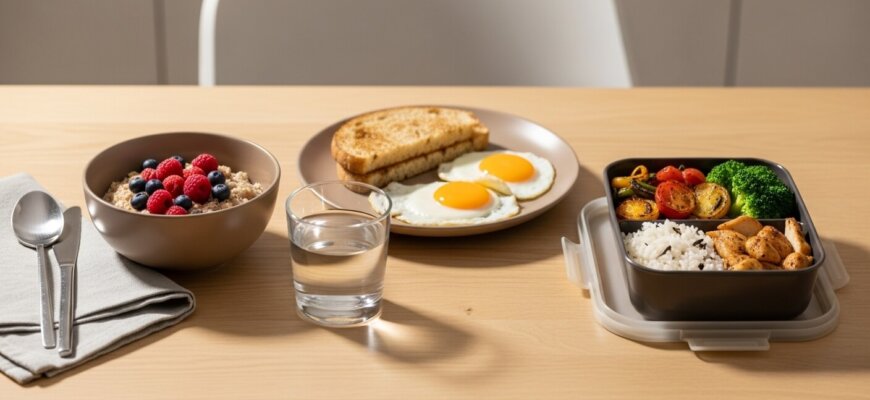
Learning how to eat healthy starts with understanding your current habits and making small, practical changes that fit your life. Most people fail because they overhaul everything at once, then give up within weeks. This guide shows you how to assess your starting point, build simple meal structures, and make adjustments based on what actually works for your body and schedule.
- Where to start with your current eating habits
- How to build your first week of healthy meals
- Common pitfalls that derail healthy eating attempts
- Your 7-day healthy eating action plan
- When and how to adjust your new eating routine
- Common questions about starting healthy eating
- What does a balanced plate actually look like in practice?
- How much time should I spend meal prepping each week?
- Can I eat healthy on a tight budget without sacrificing nutrition?
- Getting started with healthy eating
Where to start with your current eating habits
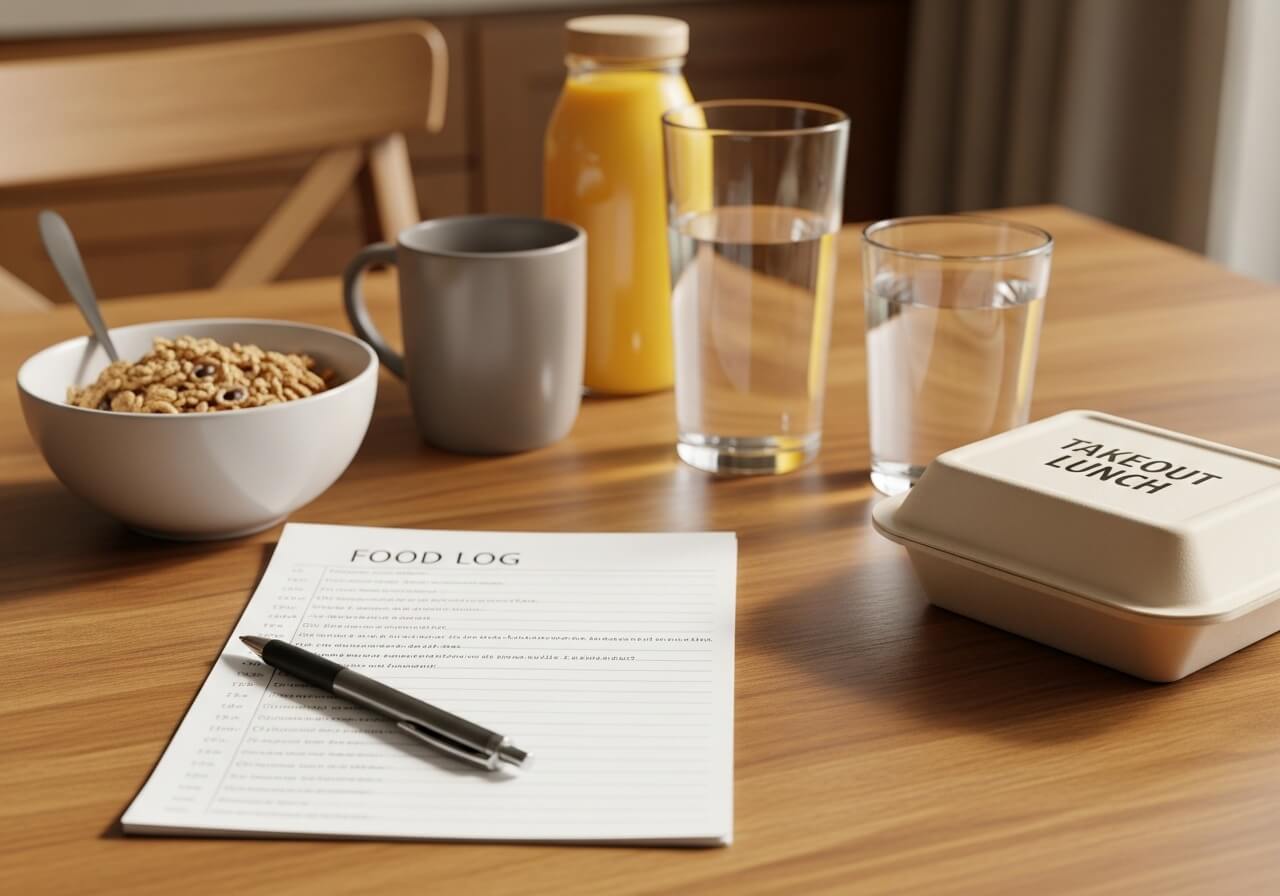
Before changing anything, understand what you’re actually eating now. This establishes a baseline so you know what needs adjusting.
Write down your three most common meal patterns. Don’t write what you think you should eat—write what you actually eat on a regular Tuesday. For example: cereal and coffee for breakfast, takeout for lunch, frozen dinner at night. Include snacks and drinks.
Look for obvious gaps. Are you getting vegetables at lunch? Is breakfast mostly carbohydrates with no protein? Are you drinking sugary drinks instead of water? According to the CDC, replacing sugary drinks with water is one of the most effective first steps for improving diet quality.
Track one complete day of eating honestly. Include approximate portion sizes. This single day often reveals patterns you didn’t notice—many people discover they’re eating less protein than they thought, or consuming more added sugar than they realized.
How to build your first week of healthy meals
Don’t learn 20 new recipes. Take familiar foods you already eat and add structure to them.
Create three meal templates. A breakfast template might include: whole grain base (oatmeal or toast) plus protein (eggs or yogurt) plus fruit. A lunch template: protein (chicken or beans) plus grains plus vegetables. A dinner template: similar structure with different proportions. The templates stay consistent; you rotate the specific ingredients.
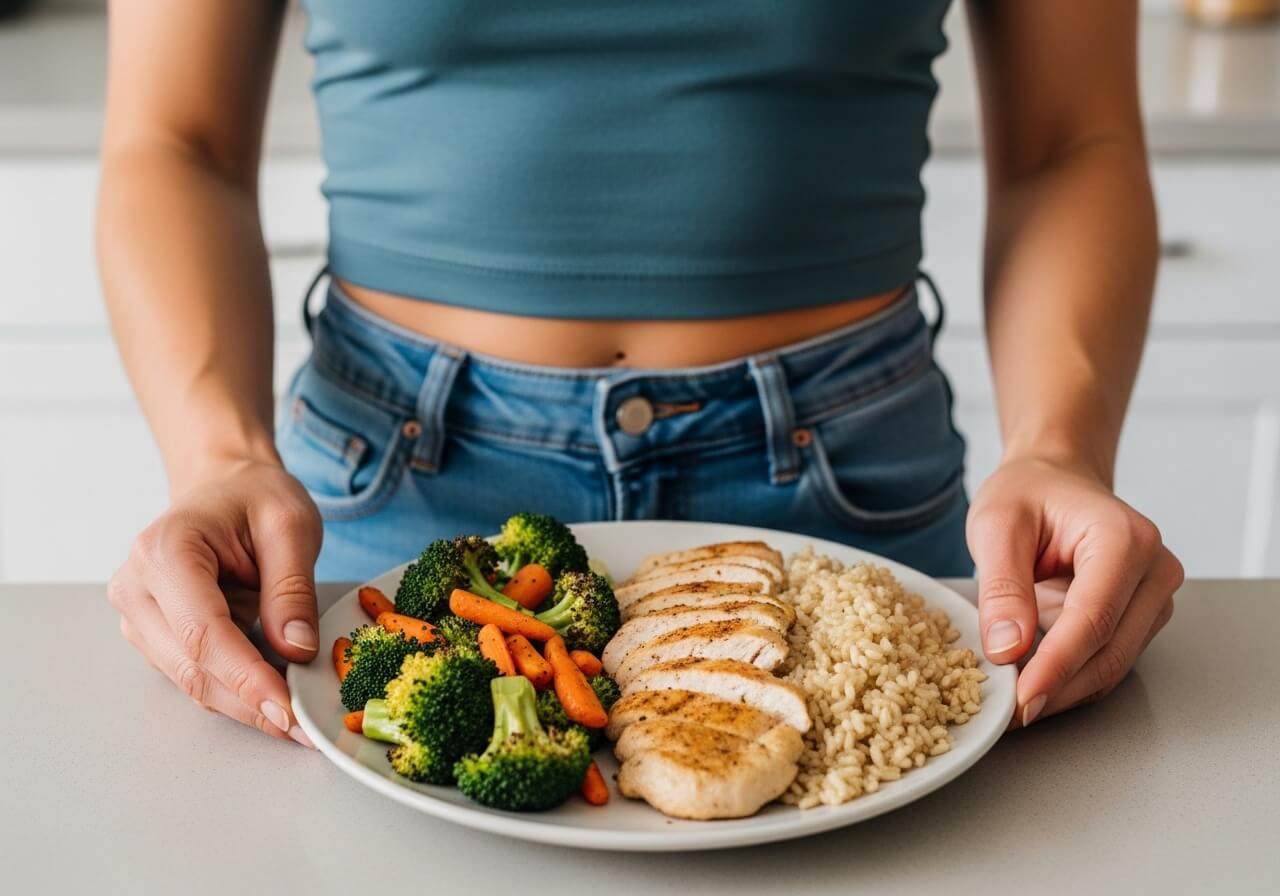
Use the plate method for visual portion guidance. According to the CDC, fill half your plate with fruits and vegetables, one-quarter with protein, and one-quarter with whole grains. This works whether you’re eating at home or ordering at a restaurant. For example: dinner plate with roasted broccoli and carrots filling half the space, grilled chicken on one-quarter, brown rice on the remaining quarter.
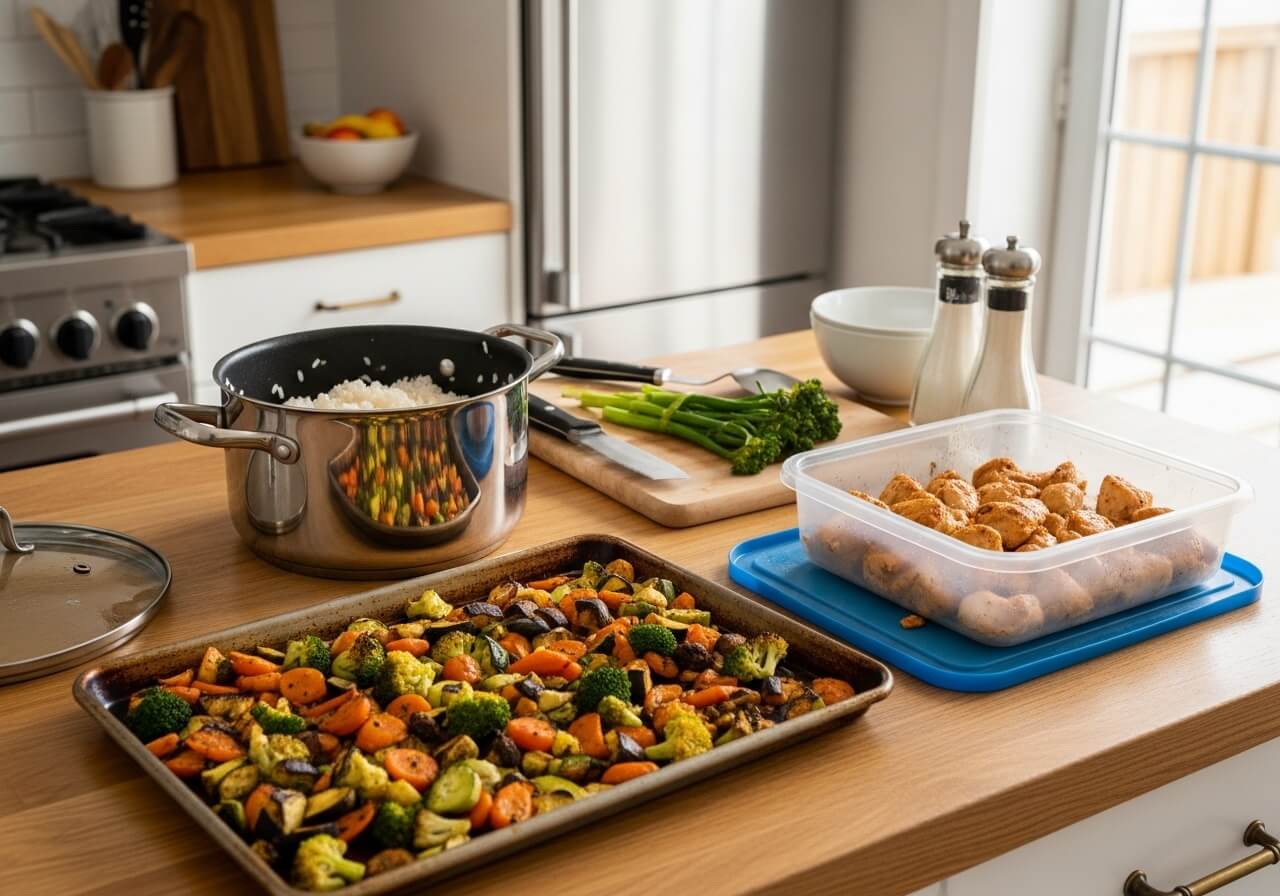
Prep components instead of full meals. Cook a batch of rice, roast several sheet pans of vegetables, and prepare chicken or beans. These pieces work for multiple meals throughout the week. When components are ready, assembling a balanced plate takes minutes.
Common pitfalls that derail healthy eating attempts
Skipping meals thinking it saves time or helps with weight management. This typically backfires by leading to overeating later or reaching for convenient processed foods. The Heart and Stroke Foundation of Canada recommends eating at least three meals a day with snacks in between to maintain steadier energy. If you’re too busy for lunch, a 10-minute meal beats skipping entirely.
Overcomplicating recipes with hard-to-find ingredients. Healthy eating doesn’t require specialty items. If a recipe calls for ingredients you don’t recognize or can’t find easily, skip it. Frozen vegetables and canned beans cost less than fresh and provide the same nutritional value.
Neglecting protein and fiber at meals. These nutrients help keep you satisfied longer. If breakfast is only toast, you’ll likely feel hungry 90 minutes later. Adding an egg, handful of nuts, or yogurt makes a difference. Similarly, a salad without protein leaves you searching for snacks soon after.
Your 7-day healthy eating action plan
Start with this specific week of priorities rather than trying to perfect everything at once.
Monday through Friday: Focus on drinking more water and eating at consistent times. Replace one sugary drink per day with water. Eat breakfast, lunch, and dinner at roughly the same times each day. You don’t need to change what you’re eating yet—just establish the rhythm.
Weekend: Spend 2–3 hours on basic batch cooking. Cook a large pot of rice or pasta, roast vegetables on sheet pans, and prepare a protein source. Simple seasoning with salt, pepper, and garlic works fine. This prep work makes weekday eating more manageable.
Every day: Add one vegetable serving to a meal you already eat. Throw frozen broccoli into pasta, add a side salad to lunch, or roast vegetables alongside dinner. You’re not replacing meals—you’re adding vegetables to meals you’re comfortable with.
When and how to adjust your new eating routine
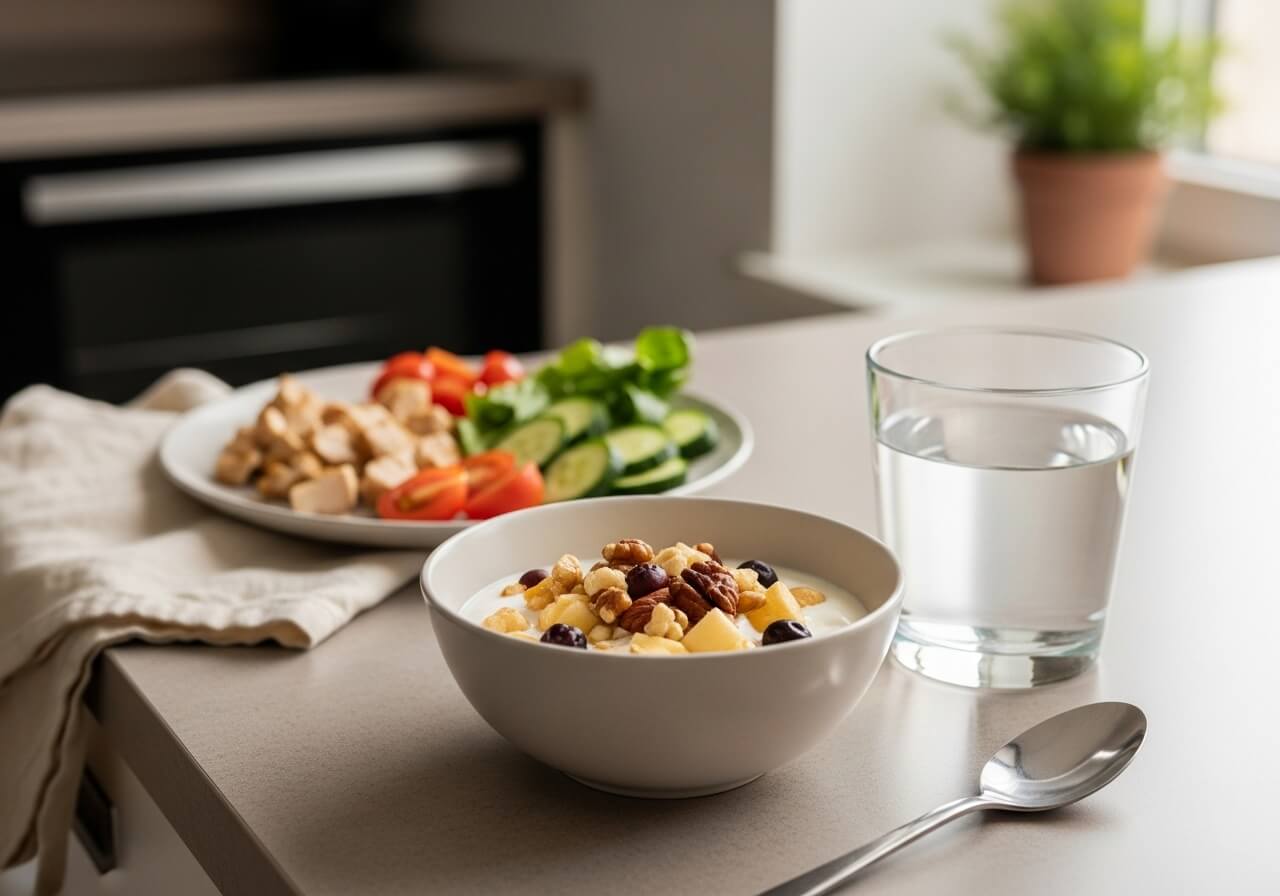
After your first week, pay attention to how your body responds.
Energy crashes signal a possible nutrition imbalance. If you feel exhausted mid-afternoon despite sleeping well, you might not be eating enough protein or fiber at lunch, or you’re going too long between meals. Try adding protein to lunch or including a small afternoon snack like nuts, yogurt, or fruit with cheese.
Hunger patterns provide useful feedback. If hunger spikes unexpectedly, your last meal may have lacked sufficient protein or fiber. This doesn’t necessarily mean you need to eat more—you might need to adjust what you’re eating.
Social situations need flexible strategies. Learn which meals work at your favorite restaurants. Knowing you can order grilled chicken with vegetables and rice at lunch spots means eating with colleagues doesn’t feel like a derailment. Flexibility makes healthy eating sustainable long-term.
Common questions about starting healthy eating
What does a balanced plate actually look like in practice?
Half your plate should contain vegetables and fruits—think a mixture of raw salad and cooked vegetables, or roasted vegetables alongside fresh fruit. One-quarter is protein: meat, poultry, fish, eggs, beans, tofu, or nuts. The remaining quarter is whole grains or starchy vegetables like rice, pasta, or potatoes. A specific example: grilled salmon, roasted broccoli and sweet potato, plus a side salad.
How much time should I spend meal prepping each week?
Most people need 2–3 hours once per week to prep components. You’re not cooking individual meals—you’re preparing ingredients that work in multiple combinations. The time investment typically drops once you establish a routine.
Can I eat healthy on a tight budget without sacrificing nutrition?
Yes. Focus on affordable staples: regular oats, rice, canned beans, frozen vegetables, eggs, and ground meat or chicken when on sale. Frozen vegetables cost less than fresh and are equally nutritious. Canned beans provide protein and fiber for pennies. Store brands work as well as name brands. Healthy eating requires consistent choices, not expensive ones.
Getting started with healthy eating
Pick one action from this guide—assess your current habits, create meal templates, or prep components for the week—and start there. Small changes you actually maintain matter more than ambitious plans you abandon after two weeks. Pay attention to your hunger patterns and energy levels, then adjust based on that feedback. Start tomorrow with one change, not next Monday.