
What you eat in the evening and when you eat it directly affects how well you sleep. Meal timing, food composition, and avoiding common disruptors like caffeine or heavy meals can reduce nighttime wake-ups and help you fall asleep more easily. This guide explains which foods support better sleep and how to time your meals for restful nights.
- Why Your Evening Meals Directly Impact Sleep Quality
- How blood sugar swings disrupt melatonin production
- Which minerals help your brain wind down naturally
- How to Build a Sleep-Friendly Evening Meal Routine
- What to eat 3-4 hours before bed for deeper sleep
- When to time your last meal based on your sleep schedule
- Common Evening Eating Habits That Sabotage Rest
- Why heavy dinners trigger midnight wake-ups
- When late-night snacking actually helps versus hurts
- FAQ
- Does drinking alcohol with dinner improve or hurt sleep quality?
- Can I eat carbs at night if I’m trying to lose weight?
- What’s the difference between natural melatonin and supplements?
- Conclusion
Why Your Evening Meals Directly Impact Sleep Quality
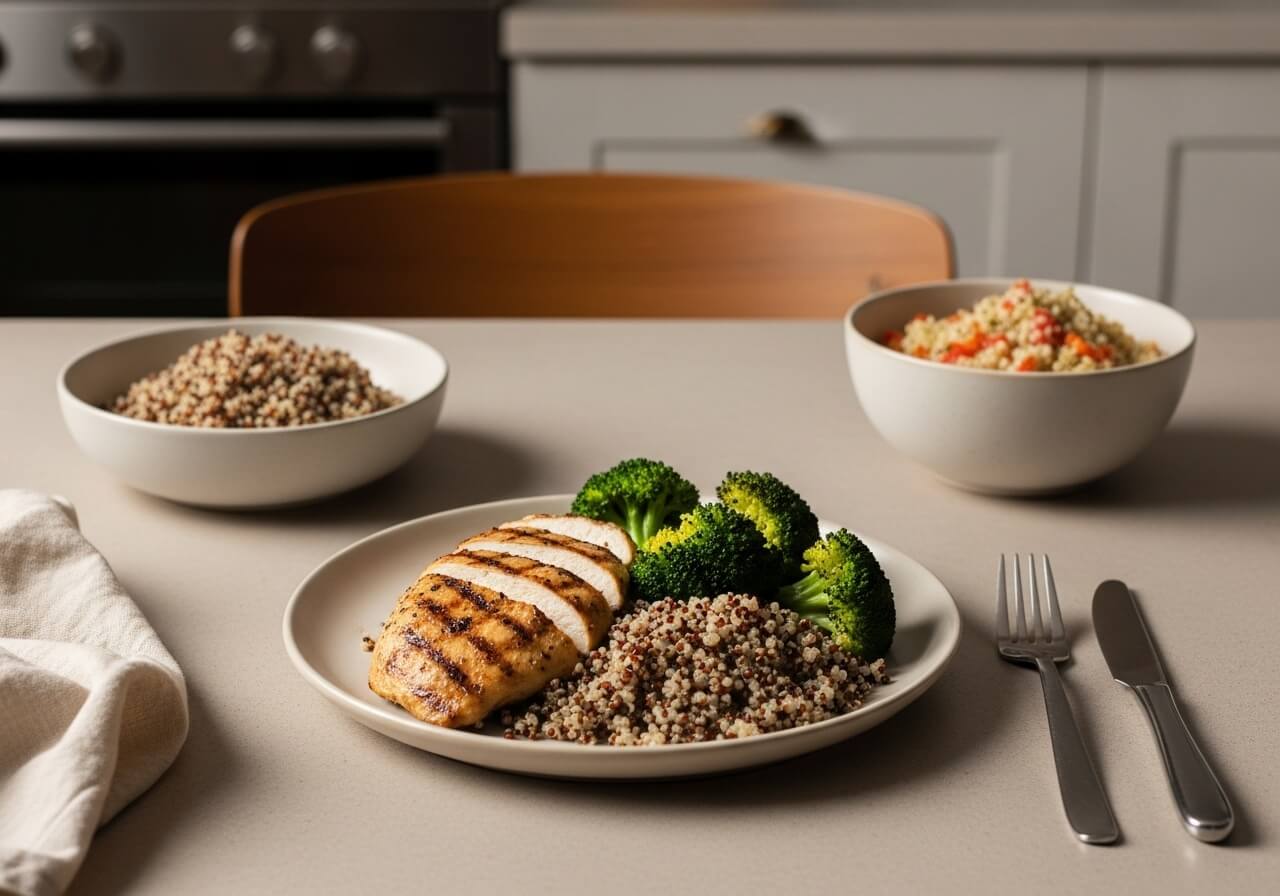
Your dinner choice influences your brain’s ability to wind down through two main pathways: blood sugar regulation and mineral availability.
How blood sugar swings disrupt melatonin production
Sugary or refined foods late in the day cause blood sugar spikes followed by crashes. When glucose drops rapidly, your body releases stress hormones like cortisol to stabilize levels. These hormones work against melatonin, the hormone that signals sleep time, and can jolt you awake around midnight with racing thoughts or restlessness.
Complex carbohydrates like oats, brown rice, or sweet potatoes release glucose gradually, keeping stress hormones low and allowing melatonin to build naturally as evening approaches.
Which minerals help your brain wind down naturally
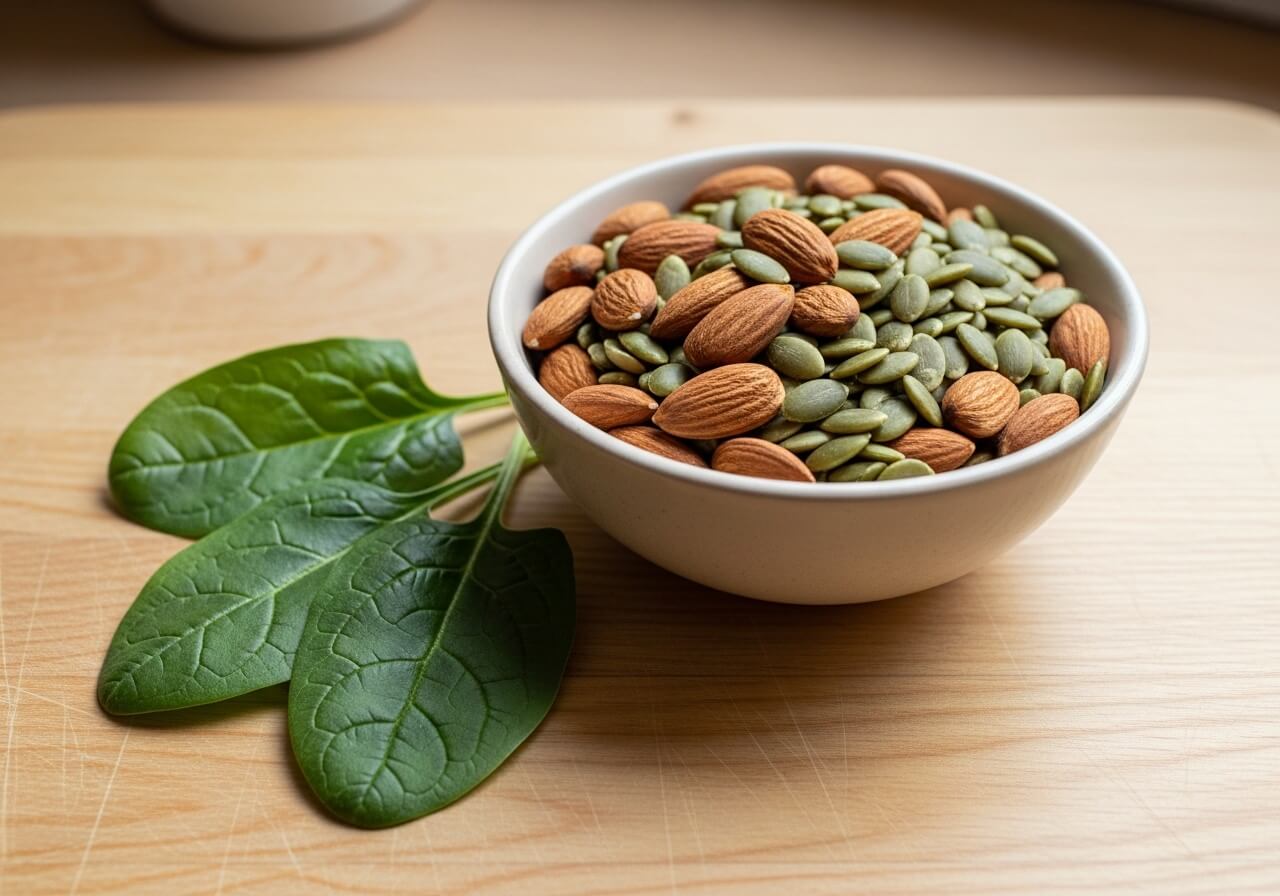
Magnesium appears to calm the nervous system and may help regulate sleep-wake cycles. Spinach, almonds, pumpkin seeds, avocado, and black beans are practical sources for dinner or a light snack. Research suggests adequate magnesium intake correlates with better sleep quality, though effects vary by individual.
Tart cherry juice has been associated with modest sleep benefits in some studies, possibly due to its natural melatonin content. A small glass a few hours before bed may help, but it’s not a substitute for consistent sleep habits.
How to Build a Sleep-Friendly Evening Meal Routine
The most reliable approach to nutrition for better sleep involves adjusting both what you eat and when you eat it.
What to eat 3-4 hours before bed for deeper sleep
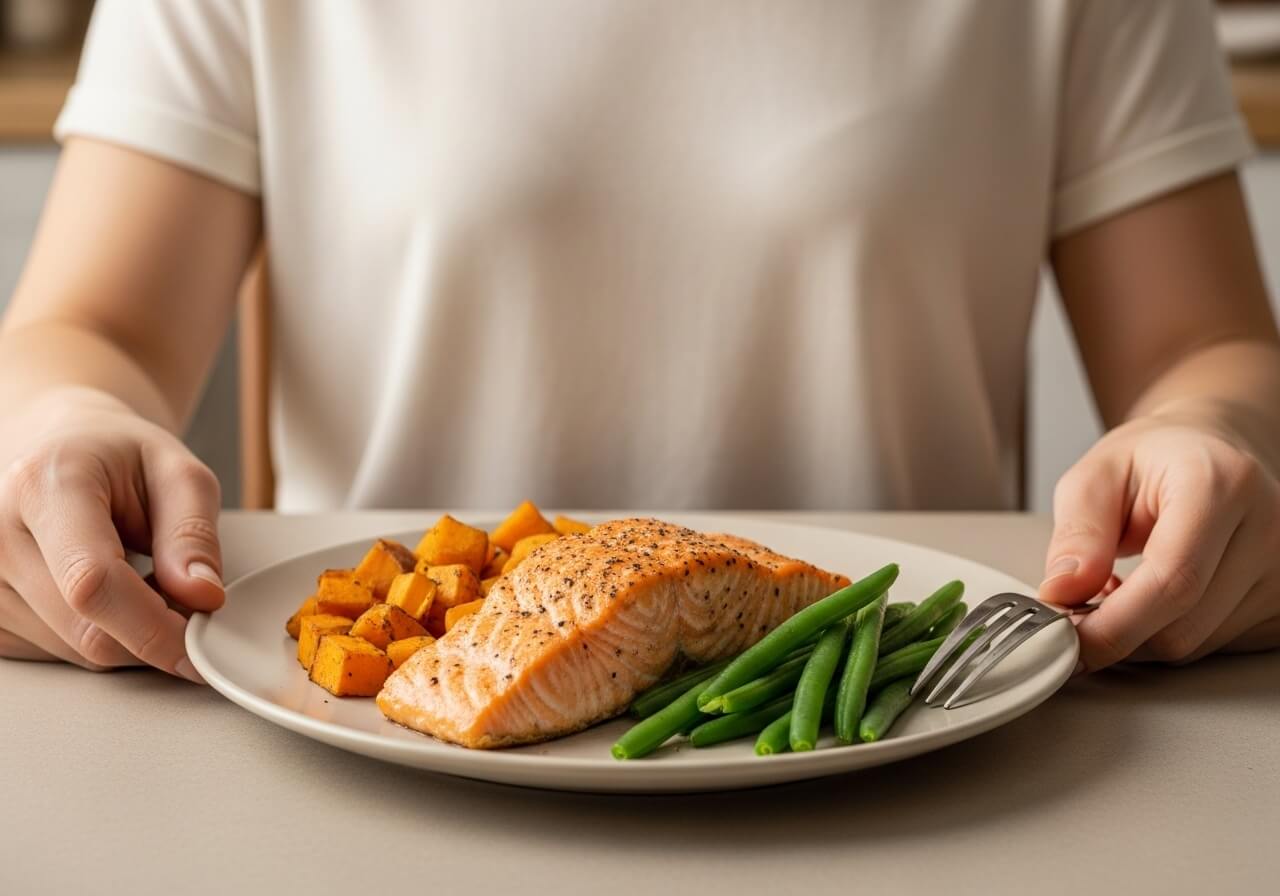
A balanced dinner 3 to 4 hours before sleep gives your digestive system adequate processing time without leaving you hungry at bedtime. Combine lean protein, whole grains, and vegetables: grilled chicken with quinoa and roasted broccoli, or baked salmon with sweet potato and green beans. These meals provide steady energy without triggering acid reflux.
Avoid large portions of fatty or fried foods at dinner. These take longer to digest and can cause discomfort or reflux that disrupts sleep. A lighter meal means appropriate portions, not skipping protein or feeling unsatisfied.
When to time your last meal based on your sleep schedule
Work backward from your actual bedtime. If you sleep at 11:00 p.m., finish dinner by 7:00 to 8:00 p.m. If you sleep at 10:00 p.m., aim for 6:00 to 6:30 p.m. This window allows adequate digestion while preventing midnight hunger.
Stop caffeine by early afternoon. Coffee, tea, and caffeinated soft drinks can linger in your system for hours and delay sleep onset, especially if you’re sensitive to stimulants.
Common Evening Eating Habits That Sabotage Rest
Why heavy dinners trigger midnight wake-ups
Large, rich meals right before bed demand intense digestive work when your body is trying to shift into rest mode. This competition causes restlessness or physical discomfort. If you’re prone to acid reflux, lying down too soon after eating can send stomach acid into your esophagus, waking you with heartburn.
Spicy foods pose similar problems. They can raise body temperature and trigger reflux, both of which interfere with the cooling-down process needed for sleep. Enjoy spiced foods earlier in the day instead.
When late-night snacking actually helps versus hurts
Waking at 3:00 a.m. with genuine hunger disrupts sleep just as much as overeating does. The difference is portion and composition.
A small snack—roughly 100 to 200 calories—combining complex carbs and protein may stabilize blood sugar through the night. Toast with a small amount of peanut butter, a handful of nuts with an apple, or a small bowl of cereal with milk are practical options.
What hurts sleep is eating a full meal, snacking on sugary foods, or grazing constantly. Treat late-night hunger as a signal to eat something small and specific, not an invitation to raid the kitchen.
FAQ
Does drinking alcohol with dinner improve or hurt sleep quality?
Alcohol may cause initial drowsiness, but research shows it worsens overall sleep quality. It increases nighttime awakenings, reduces deep restorative sleep, and often causes early morning waking. If you drink, do so earlier in the evening and allow time to process it before bed.
Can I eat carbs at night if I’m trying to lose weight?
Yes. Complex carbohydrates at dinner may actually support weight management by keeping you satisfied and preventing late-night cravings. A reasonable serving of brown rice or sweet potato with protein and vegetables fits most eating plans. Refined carbs and sugary foods are what disrupt both sleep and weight goals.
What’s the difference between natural melatonin and supplements?
Foods like tart cherries or kiwis contain small natural amounts of melatonin. Supplements contain much higher doses designed to shift sleep timing. Food sources work gently and gradually, if at all. Supplements are more targeted for jet lag or shift-work adjustment. Consult a healthcare provider before taking melatonin supplements, especially if you take other medications.
Conclusion
Better sleep doesn’t require a complete diet overhaul. Moving dinner earlier, choosing balanced meals with lean protein and whole grains, and stopping caffeine by afternoon can deliver noticeable improvements within a week or two. Start with one small change and build from there.